

Tromsø to Reykjavik
12-night the Arctic expedition · 1 departure · from $17,910 per guest
- 12 nightsDuration
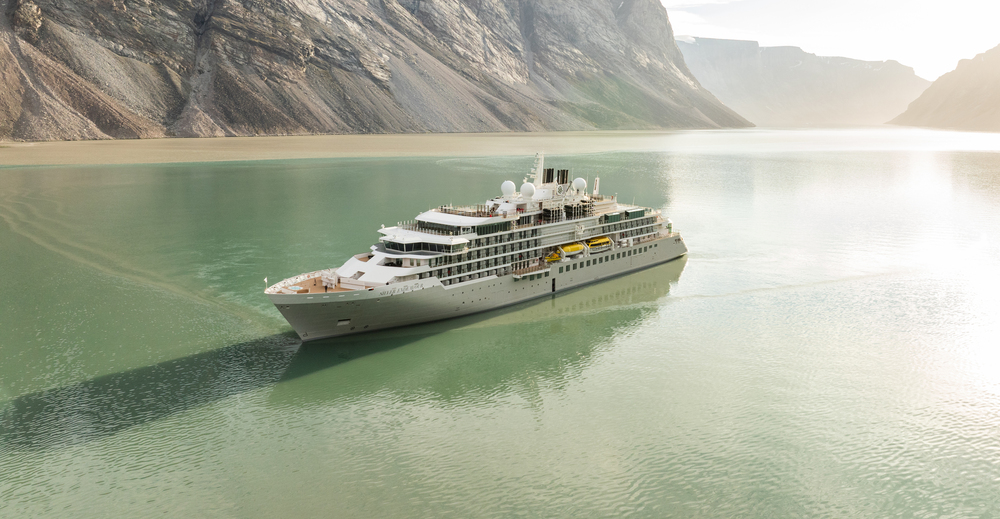
- Silver EndeavourShip
- Tromsø to ReykjavíkRoute
- Aug 11, 2027Next sailing
Upcoming departures
| Sails | Ship | Nights | From (per guest) | |
|---|---|---|---|---|
| Aug 11, 2027 | Silver Endeavour | 12 | $17,910 | Cabins & fares |
Day by day
As planned for the Aug 11, 2027 departure; other departures may differ.
Day 1Tromsø
Feel your heart flutter, as you catch your first glimpse of that famous emerald haze dancing across the stars, during your visit to this wonderful Arctic gateway. Located in the far north of Norway, a visit to Tromso beckons you to the extremes of this magical country, to explore a fairytale land of jagged mountains, glistening glaciers and husky-pulled sledges. Despite its remote location, you'll discover a perhaps surprisingly cosmopolitan city, with a healthy student population injecting plenty of energy. Sat 250 miles above the Arctic Circle - at 69° north - you can bathe in the midnight sun's glow during summer, before winter brings the thick blackness and starry skies of endless polar nights. The darkness doesn't stop the fun - with a polar night half-marathon taking place in January - but the return of the sun is always a reason for a celebration here. To get the best view over the city, take the cable car to Storsteinen's amazing viewpoint. Magnificent views down over the city, fjord and Tromso's arching bridge will unravel before you. Learn more about northerly traditions, polar expeditions and arctic hunting at the Polar Museum. The Science Centre, meanwhile, explains how humans have harnessed and survived these epic landscapes over the years, and explores Tromso's breathtaking natural spectacle - the northern lights. The city is famed for its extraordinary viewing opportunities, which are often said to be the best in the world. The Alpine Botanic Garden is the most northern such garden on the planet, showcasing some of Norway's hardiest plantlife, which survives and thrives at this nose-bleeding altitude.Day 2Skarsvåg
For those who like to travel far (very far) off the beaten track, then you have found your Nordic nirvana in Skarsvag. Large, sparsely populated (there are just 60 human year round residents), and a joy to all those who revel in stark, unbridled beauty, Skarsvag also enjoys the auspicious title of being the world’s most northerly fishing village. But rolling hills, prolific birdlife and arctic fjords aside, Skarsvag is above all famous for its proximity to the North Cape. Found on the island of Magerøya, the most northernmost point of Europe above the arctic circle is a bucket list basic. Stand beneath the massive metal globe and gaze out onto the Barents Sea, where the only land between you and the North Pole is the Svalbard archipelago. This is truly the land of the midnight sun – in fact, you are so far north that the sun doesn’t even dip beneath the horizon between May and mid-July. The island’s famous bird cliffs are quite spectacular, and home to thousands of puffins, gannets and cormorants. Those willing to hike to cape Knivskjellodden, the northernmost point on Magerøya, will be rewarded with stunning cliff face views of the North Cape Plateau. Before leaving, head into the impressive North Cape Hall for exhibitions on the North Cape’s history. Travellers have been visiting since 1664, when Italian priest Francesco Negri arrived, so there are some tales to tell! More intriguingly, a tunnel has been hewn into the rock, leading down to the cliff face, complete with a chapel.Day 2Cruising Along North Cape
Situated at the very north tip of Norway and inside the Arctic Circle, there is something very special about being (almost) at the top of the world. Called the northernmost point of Europe, the North Cape (Nordkapp in Norwegian) lies about 1,306.3 mi from the North Pole, with no dry land between except for the Svalbald archipelago. Home to where the Atlantic and Arctic oceans meet, this is the true land of the midnight sun – constant spectacular scenic views and 24-hour sunlight lends itself to a sense of giddy informality aboard. Just imagine sipping a chilled glass of champagne at the very top of the world in full daylight at midnight – sensational. Be sure to be on the lookout for hundreds of thousands of puffins, gannets, cormorants, seals, dolphins and whales that make this stretch of chilly water their home. Not forgetting the colourful, compact fishing villages, so at odds with the otherwise this stark, barren landscape.Day 3Bear Island
Bear Island is considered Svalbard’s southernmost island, roughly half way between Spitsbergen and Norway’s North Cape. Although the last polar bears were seen in 2004, the name goes back to Dutch explorer Willem Barentsz and his visit in 1596. The island has been used to hunt walrus, for whaling, and even coal mining has taken place. The strategic location on the border of the Norwegian Sea and the Barents Sea has led to a meteorological station being set up by Norway near Gravodden on Bear Island’s north coast. Some two thirds of the island is a relatively flat plain with shallow freshwater lakes and Ramsar Wetland, while the entire island and the surrounding waters are a Nature Reserve. Bear Island has also been designated an Import Bird Area as it is a staging area for Pink-footed and Barnacle Geese and the steep cliffs south of Sørhamna are home to thousands of breeding seabirds. This is a specially protected area where Zodiacs are allowed to cruise along the cliffs around Kapp Kolthoff. In smaller amounts Atlantic Puffins, Northern Gannets, Glaucous Gulls and Great Skuas are found in between the large Black-legged Kittiwake, Little Auk, Common Guillemot and Brünnich’s Guillemot colonies. The constant battering of the sea has not only created impressive sea caves and tunnels, but unfortunately the Russian vessel Petrozavodsk shipwrecked near Revdalen at the base of the limestone cliffs and the waves are causing a continuous disintegration of the remains of the ship.Day 4Svalbard Archipelago
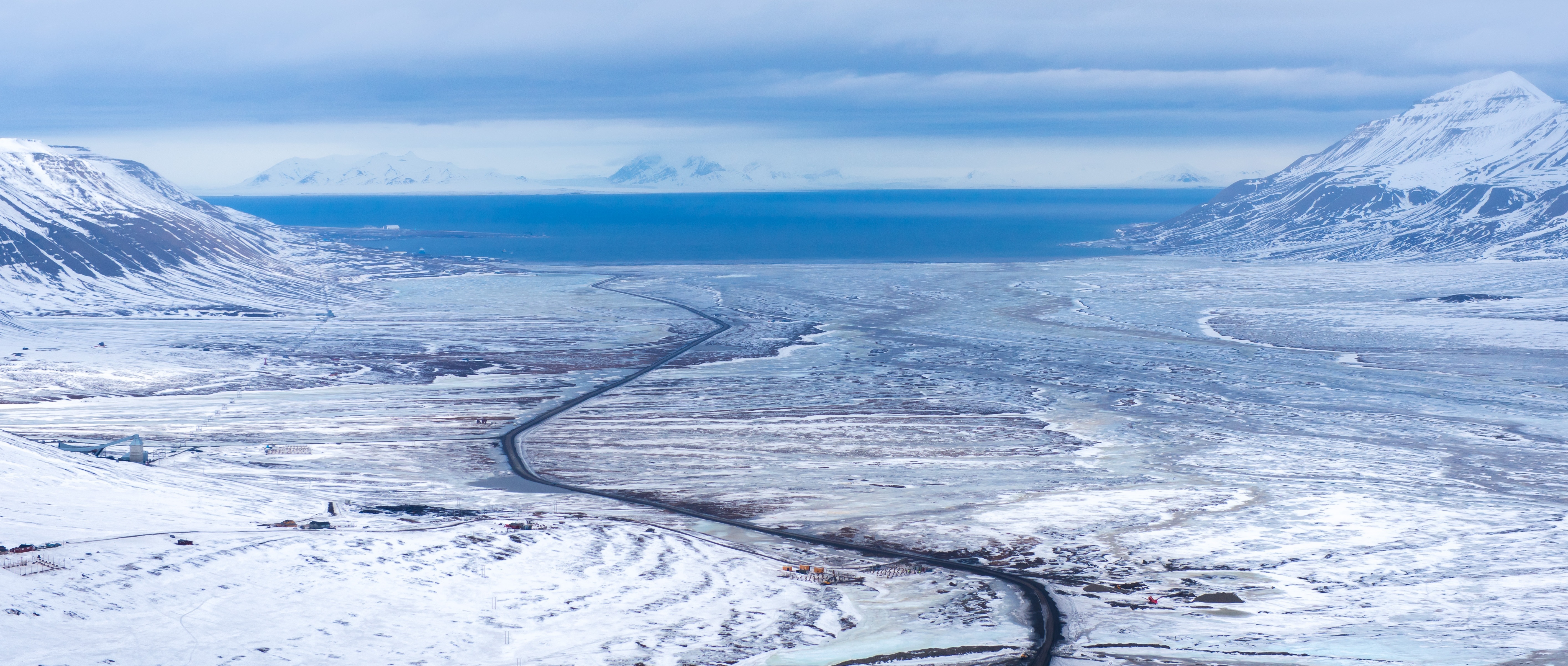
Svalbard’s Southern Region and specifically Spitsbergen’s west coast is less ice-clogged than the rest of Svalbard due to the moderating influenced of the Gulf Stream. Several fjords cut into the western coast of Spitsbergen and have been used by trappers and hunters as well as the different mining companies that tried to exploit the riches of the archipelago’s largest island of Spitsbergen. Remains of huts and mines as well as active commercial and scientific settlements can be found and visited. Depending on the time of the season glaciers can be visited on foot or by sea. Northern places like Magdalenefjorden and Hornsund will reveal fascinating views of geological formations craggy mountains spectacular glaciers and a variety of seabirds and seals.Day 5Svalbard Archipelago
Svalbard’s Southern Region and specifically Spitsbergen’s west coast is less ice-clogged than the rest of Svalbard due to the moderating influenced of the Gulf Stream. Several fjords cut into the western coast of Spitsbergen and have been used by trappers and hunters as well as the different mining companies that tried to exploit the riches of the archipelago’s largest island of Spitsbergen. Remains of huts and mines as well as active commercial and scientific settlements can be found and visited. Depending on the time of the season glaciers can be visited on foot or by sea. Northern places like Magdalenefjorden and Hornsund will reveal fascinating views of geological formations craggy mountains spectacular glaciers and a variety of seabirds and seals.Day 6Svalbard Archipelago
Svalbard’s Southern Region and specifically Spitsbergen’s west coast is less ice-clogged than the rest of Svalbard due to the moderating influenced of the Gulf Stream. Several fjords cut into the western coast of Spitsbergen and have been used by trappers and hunters as well as the different mining companies that tried to exploit the riches of the archipelago’s largest island of Spitsbergen. Remains of huts and mines as well as active commercial and scientific settlements can be found and visited. Depending on the time of the season glaciers can be visited on foot or by sea. Northern places like Magdalenefjorden and Hornsund will reveal fascinating views of geological formations craggy mountains spectacular glaciers and a variety of seabirds and seals.Day 7Svalbard Archipelago
Svalbard’s Southern Region and specifically Spitsbergen’s west coast is less ice-clogged than the rest of Svalbard due to the moderating influenced of the Gulf Stream. Several fjords cut into the western coast of Spitsbergen and have been used by trappers and hunters as well as the different mining companies that tried to exploit the riches of the archipelago’s largest island of Spitsbergen. Remains of huts and mines as well as active commercial and scientific settlements can be found and visited. Depending on the time of the season glaciers can be visited on foot or by sea. Northern places like Magdalenefjorden and Hornsund will reveal fascinating views of geological formations craggy mountains spectacular glaciers and a variety of seabirds and seals.Day 8Day at Sea
Day 9Jan Mayen Island
Jan Mayen is an isolated Norwegian island halfway between Svalbard and Iceland. The most prominent feature on the island is the snow-covered volcano Beerenberg and its ice cap. Although the island and surrounding sea have been used for whaling and sealing, the only people living on the island now are members of the Norwegian Armed Forces and of the Meteorological Station on Jan Mayen’s southeastern side. During a nature walk leading up to the station and the long black sandy beach on the eastern shore several plant and bird species can be seen. The island is an important bird area because of Northern Fulmars, Brünnich’s and Black Guillemots and Little Auks nesting there.Day 10Day at Sea
Day 11Siglufjørdur - høfn
A tiny town in the scenic north of Iceland cosseted away by a jagged wall of mountain peaks Siglufjordur is an isolated gem. Iceland's northernmost town only a single-lane road tunnel bored through the snow-capped mountains provides a land link with the rest of the country. This evocative remoteness appealed to dark Nordic Noir writers - and the town has found recent fame as the star of the TV show Trapped. A much warmer welcome awaits you in real life than in fiction - fortunately. Siglufjordur is a historic Atlantic capital of herring fishing and you can learn of the industry that gave the town its raison d'etre and powered Iceland's economy at the award-winning Herring Era Museum. The biggest maritime-themed museum in Iceland it spreads across three buildings and covers every element of the town's relationship with its fishing waters - from expedition to preparation and preservation. While the industry has dried up since its heyday wander to the harbour for views of the pretty town's cherry and lemon coloured former warehouses. Take a boat out around the scenic fjord or embark on lengthy hikes out and above this romantically isolated outpost. The sounds of beautiful duo vocal harmonies and accordions are often heard echoing along the streets and the Folk Music Museum is an enchanting look into quaint rural Icelandic culture. The Folk Music Festival causes the town's population to swell dramatically as visitors make for these picturesque shores to play and perform each year.Day 11Drangey Island
Day 12Vigur Island
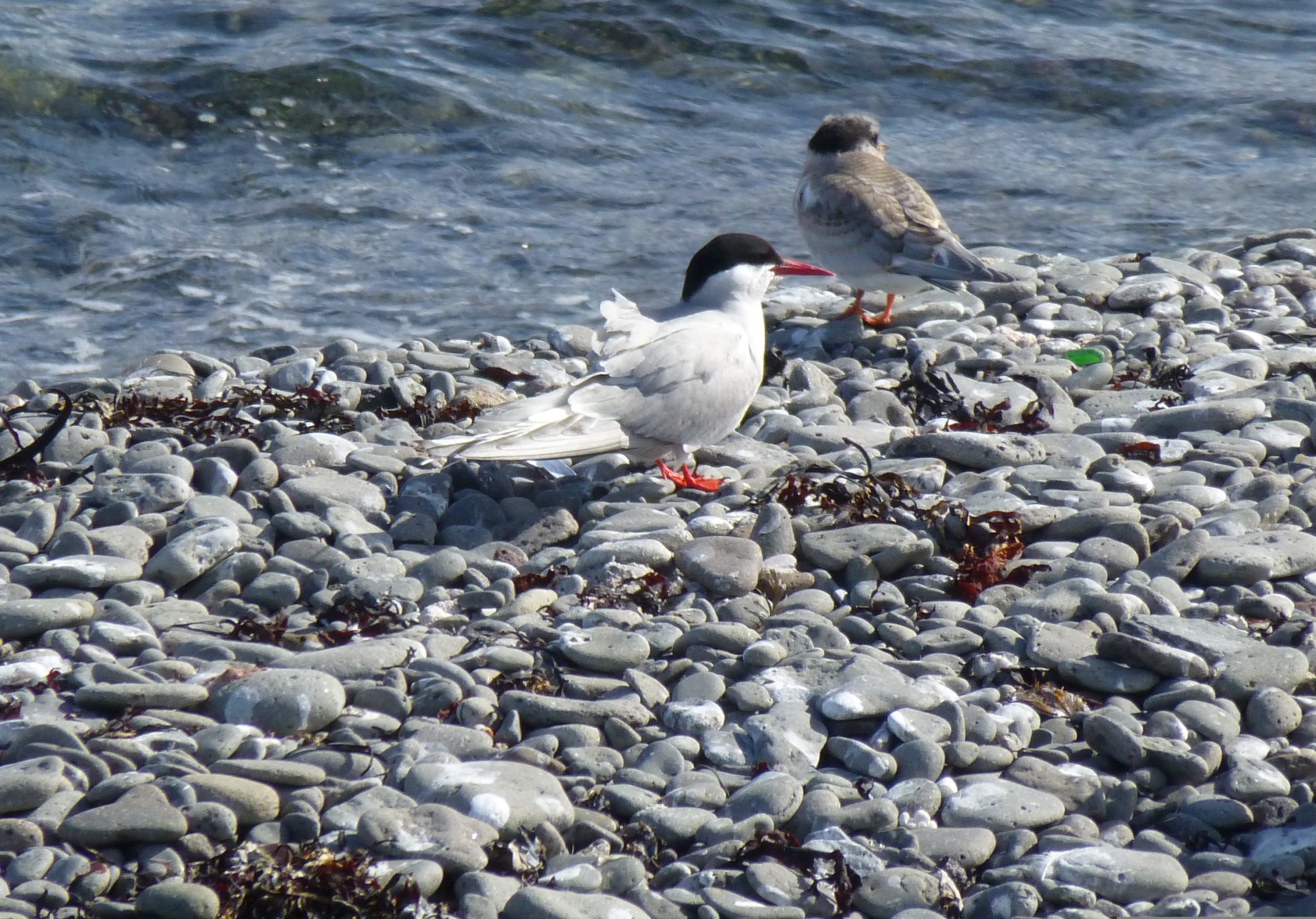
Vigur Island is the second largest island in the Isafjardardjup Fjord, measuring 2 kilometers in length by 400 meters in width. It is home to a single sheep farming family, which ferries the sheep in summer across to the mainland, so that the Eider Ducks nesting on the island will not be disturbed. One of the export articles from this small island was eider down and one can still see where the Eider Ducks nest and how the down is collected and cleaned. The small settlement of a few houses is on the southern side, next to a small rocky beach, a concrete wall and floating pier. On approach grey seals can often be seen on the otherwise seaweed-covered boulders. Apart from the grey of the basalt and green of the grass, lichens add a splash of color. A path has been prepared and the grass cut, so that visitors can leisurely walk across the island to take in the beautiful scenery and to observe the large colony of Arctic Terns, Black Guillemots and Atlantic Puffins usually only seen during the summer months. A meticulously preserved historical landmark, a small windmill dating back to the 1840s was still in use in 1917 to grind wheat imported from Denmark. Viktoria House, one of the preserved wooden farm houses dating back to 1862, is used as a café where home-baked cakes and cookies are offered to guests.Day 13Reykjavík
The capital of Iceland’s land of ice, fire and natural wonder, Reykjavik is a city like no other - blossoming among some of the world’s most vibrant and violent scenery. Home to two-thirds of Iceland’s population, Reykjavik is the island’s only real city, and a welcoming and walkable place - full of bicycles gliding along boulevards or battling the wind when it rears up. Fresh licks of paint brighten the streets, and an artistic and creative atmosphere embraces studios and galleries - as well as the kitchens where an exciting culinary scene is burgeoning. Plot your adventures in the city's hip bars and cosy cafes, or waste no time in venturing out to Iceland’s outdoor adventures. Reykjavik’s buildings stand together - below the whip of winter’s winds - together with the magnificent Hallgrímskirkja church, with its bell tower rising resolutely over the city. Iceland’s largest church's design echoes the lava flows that have shaped this remote land and boasts a clean and elegant interior. The Harpa Concert Hall’s sheer glass facade helps it to assimilate into the landscape, mirroring back the city and harbour. Its LED lights shimmer in honour of Iceland’s greatest illuminated performance – the northern lights. Walk in the crusts between continents, feel the spray from bursts of geysers and witness the enduring power of Iceland’s massive waterfalls. Whether you want to sizzle away in the earth-heated geothermal pools, or hike to your heart’s content, you can do it all from Reykjavik - the colourful capital of this astonishing outdoor country.
Gallery
Questions about this trip?
Our polar specialists can compare these departures, cabins and current offers with you.
Email explore@polaradventure.com or call toll-free 1-888-611-7688.
Contact us