

Atlantic Passage – Barbados to Ushuaia
CRUISE ID # HXRAOCE04-281029
Bridgetown TO Ushuaia
$6,153
WITH SPECIAL SAVINGS APPLIED
FARES SHOWN ARE PER GUEST
Suites & Fares
CHOOSE START DATE
: October 29, 2028
Itinerary
Located beside the island’s only natural harbour, the capital of Barbados combines modern and colonial architecture with glorious palm tree-lined beaches and a number of historical attractions. Experience the relaxed culture of the city renowned for its British-style parliament buildings and vibrant beach life, and seek out the Anglican church and the 19th-century Barbados Garrison. The distance between the ship and your tour vehicle may vary. This distance is not included in the excursion grades.
Science and stargazing at sea
On this stretch of time at sea, the ocean is the itinerary. The facilities on board MS Roald Amundsen are yours to enjoy as you wish, whether that’s watching the horizon from the infinity pool, working out in the fitness centre with a view, or perhaps sharing stories with fellow travellers in the Explorer Bar & Lounge. The Expedition Team might offer sessions covering a range of topics from oceanography to the geology of the coastline ahead.
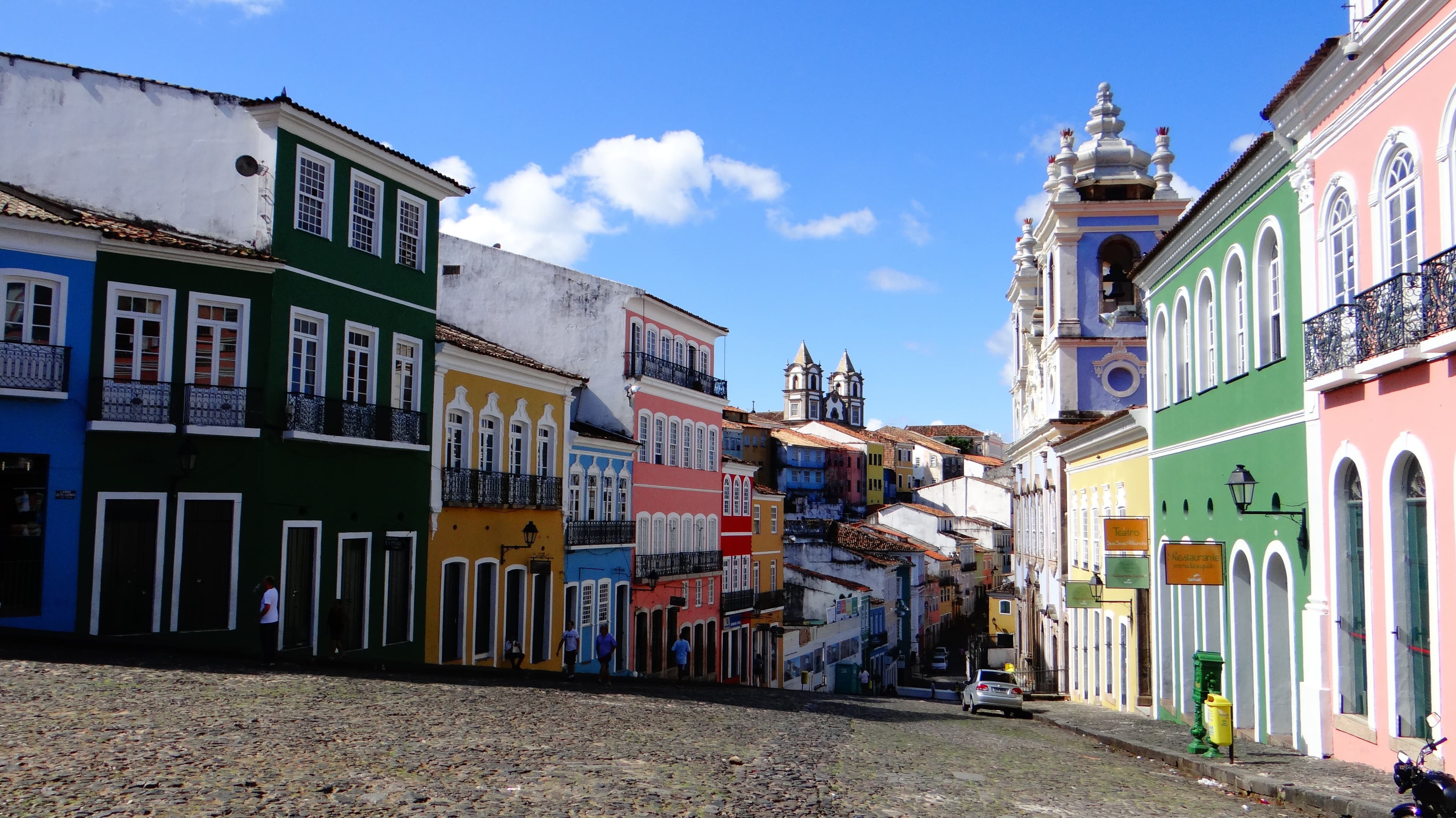
According to Salvador's adopted son Jorge Amado, "In Salvador, magic becomes part of the every-day." From the shimmering golden light of sunset over the Baía do Todos os Santos, to the rhythmic beats that race along the streets, Salvador, while no longer Brazil's capital, remains one of its most captivating cities. A large dose of its exoticism comes down to its African heritage—at least 70% of its 2,675,000 population is classified as Afro-Brazilian—and how it has blended into Brazil's different strands, from the native Indians to the Christian colonizers. Salvadorans may tell you that you can visit a different church every day of the year, which is almost true—the city has about 300. Churches whose interiors are covered with gold leaf were financed by the riches of the Portuguese colonial era, when slaves masked their traditional religious beliefs under a thin Catholic veneer. And partly thanks to modern-day acceptance of those beliefs, Salvador has become the fount of Candomblé, a religion based on personal dialogue with the orixás, a family of African deities closely linked to nature and the Catholic saints. The influence of Salvador's African heritage on Brazilian music has also turned the city into one of the musical capitals of Brazil, resulting in a myriad of venues to enjoy live music across the city, along with international acclaim for exponents like Gilberto Gil, Caetano Veloso, and Daniela Mercury. Salvador's economy today is focused on telecommunications and tourism. The still-prevalent African culture draws many tourists—this is the best place in Brazil to hear African music, learn or watch African dance, and see capoeira, a martial art developed by slaves. In the district of Pelourinho, many colorful 18th- and 19th-century houses remain, part of the reason why this is the center of the tourist trade. Salvador sprawls across a peninsula surrounded by the Baía de Todos os Santos on one side and the Atlantic Ocean on the other. The city has about 50 km (31 miles) of coastline. The original city, referred to as the Centro Histórica (Historical Center), is divided into the Cidade Alta (Upper City), also called Pelourinho, and Cidade Baixa (Lower City). The Cidade Baixa is a commercial area—known as Comércio—that runs along the port and is the site of Salvador's indoor market, Mercado Modelo. You can move between the upper and lower cities on foot, via the landmark Elevador Lacerda, behind the market, or on the Plano Inclinado, a funicular lift, which connects Rua Guindaste dos Padres on Comércio with the alley behind Cathedral Basílica. From the Cidade Histórica you can travel north along the bay to the hilltop Igreja de Nosso Senhor do Bonfim. You can also head south to the point, guarded by the Forte Santo Antônio da Barra, where the bay waters meet those of the Atlantic. This area on Salvador's southern tip is home to the trendy neighborhoods of Barra, Ondina, and Rio Vermelho, with many museums, theaters, shops, and restaurants. Beaches along the Atlantic coast and north of Forte Santo Antônio da Barra are among the city's cleanest. Many are illuminated at night and have bars and restaurants that stay open late.
Crossing the South Atlantic
This is the longest and most transformative stretch of your voyage. Nine days at sea as you sail from the Brazilian tropics into the sub-Antarctic waters off Tierra del Fuego. Watch the scenery and the ocean change around you: warm blues giving way to the deeper, darker Atlantic. In the evenings, stargaze under increasingly clear southern skies. Make the most of your final days aboard: the sauna, the hot tubs, the spacious decks, and the company.
At 55 degrees latitude south, Ushuaia (pronounced oo-swy-ah) is closer to the South Pole than to Argentina's northern border with Bolivia. It is the capital and tourism base for Tierra del Fuego, the island at the southernmost tip of Argentina.Although its stark physical beauty is striking, Tierra del Fuego's historical allure is based more on its mythical past than on rugged reality. The island was inhabited for 6,000 years by Yámana, Haush, Selk'nam, and Alakaluf Indians. But in 1902 Argentina, eager to populate Patagonia to bolster its territorial claims, moved to initiate an Ushuaian penal colony, establishing the permanent settlement of its most southern territories and, by implication, everything in between.When the prison closed in 1947, Ushuaia had a population of about 3,000, made up mainly of former inmates and prison staff. Today the Indians of Darwin's "missing link" theory are long gone—wiped out by diseases brought by settlers and by indifference to their plight—and the 60,000 residents of Ushuaia are hitching their star to tourism.The city rightly (if perhaps too loudly) promotes itself as the southernmost city in the world (Puerto Williams, a few miles south on the Chilean side of the Beagle Channel, is a small town). You can make your way to the tourism office to get your clichéd, but oh-so-necessary, "Southernmost City in the World" passport stamp. Ushuaia feels like a frontier boomtown, at heart still a rugged, weather-beaten fishing village, but exhibiting the frayed edges of a city that quadrupled in size in the '70s and '80s and just keeps growing. Unpaved portions of Ruta 3, the last stretch of the Pan-American Highway, which connects Alaska to Tierra del Fuego, are finally being paved. The summer months (December through March) draw more than 120,000 visitors, and dozens of cruise ships. The city is trying to extend those visits with events like March's Marathon at the End of the World and by increasing the gamut of winter activities buoyed by the excellent snow conditions.A terrific trail winds through the town up to the Martial Glacier, where a ski lift can help cut down a steep kilometer of your journey. The chaotic and contradictory urban landscape includes a handful of luxury hotels amid the concrete of public housing projects. Scores of "sled houses" (wooden shacks) sit precariously on upright piers, ready for speedy displacement to a different site. But there are also many small, picturesque homes with tiny, carefully tended gardens. Many of the newer homes are built in a Swiss-chalet style, reinforcing the idea that this is a town into which tourism has breathed new life. At the same time, the weather-worn pastel colors that dominate the town's landscape remind you that Ushuaia was once just a tiny fishing village, snuggled at the end of the Earth.As you stand on the banks of the Canal Beagle (Beagle Channel) near Ushuaia, the spirit of the farthest corner of the world takes hold. What stands out is the light: at sundown the landscape is cast in a subdued, sensual tone; everything feels closer, softer, and more human in dimension despite the vastness of the setting. The snowcapped mountains reflect the setting sun back onto a stream rolling into the channel, as nearby peaks echo their image—on a windless day—in the still waters.Above the city rise the last mountains of the Andean Cordillera, and just south and west of Ushuaia they finally vanish into the often-stormy sea. Snow whitens the peaks well into summer. Nature is the principal attraction here, with trekking, fishing, horseback riding, wildlife spotting, and sailing among the most rewarding activities, especially in the Parque Nacional Tierra del Fuego (Tierra del Fuego National Park).
About the Ship
Name
MS Roald Amundsen
Operator
HX Expeditions

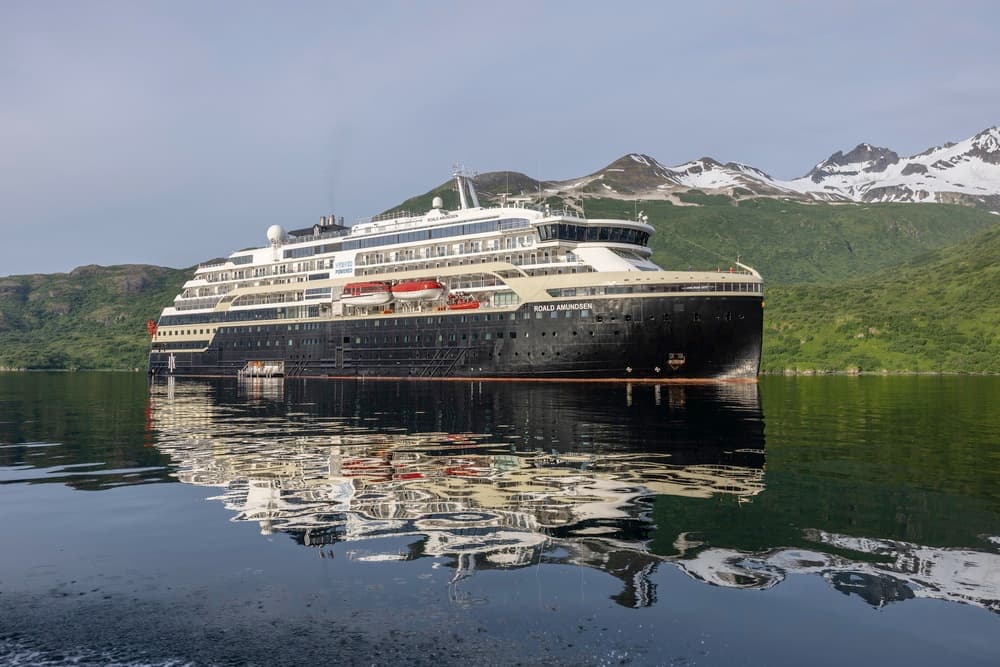
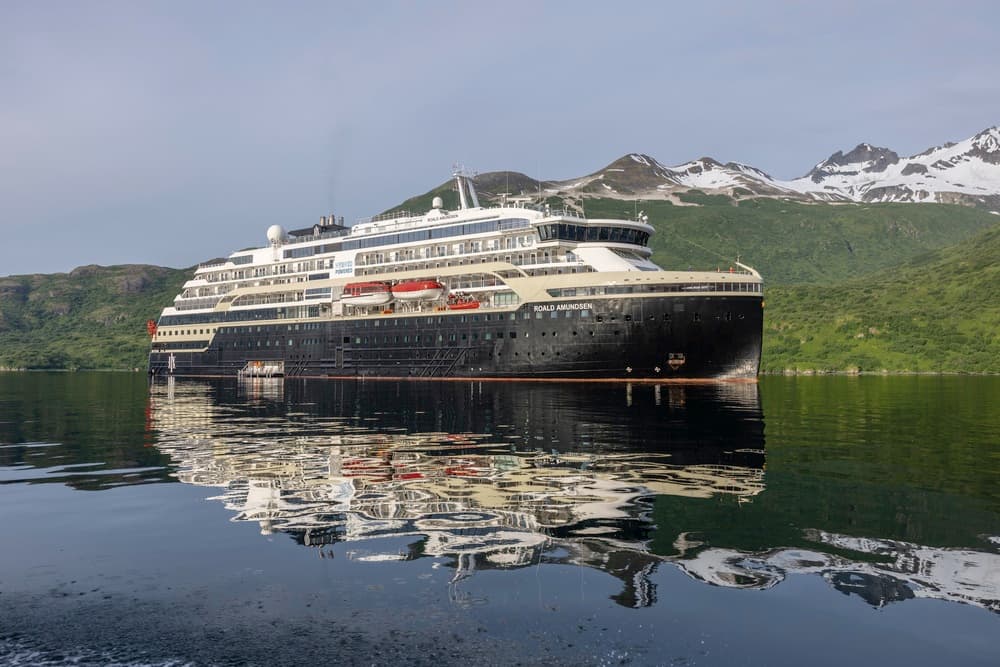
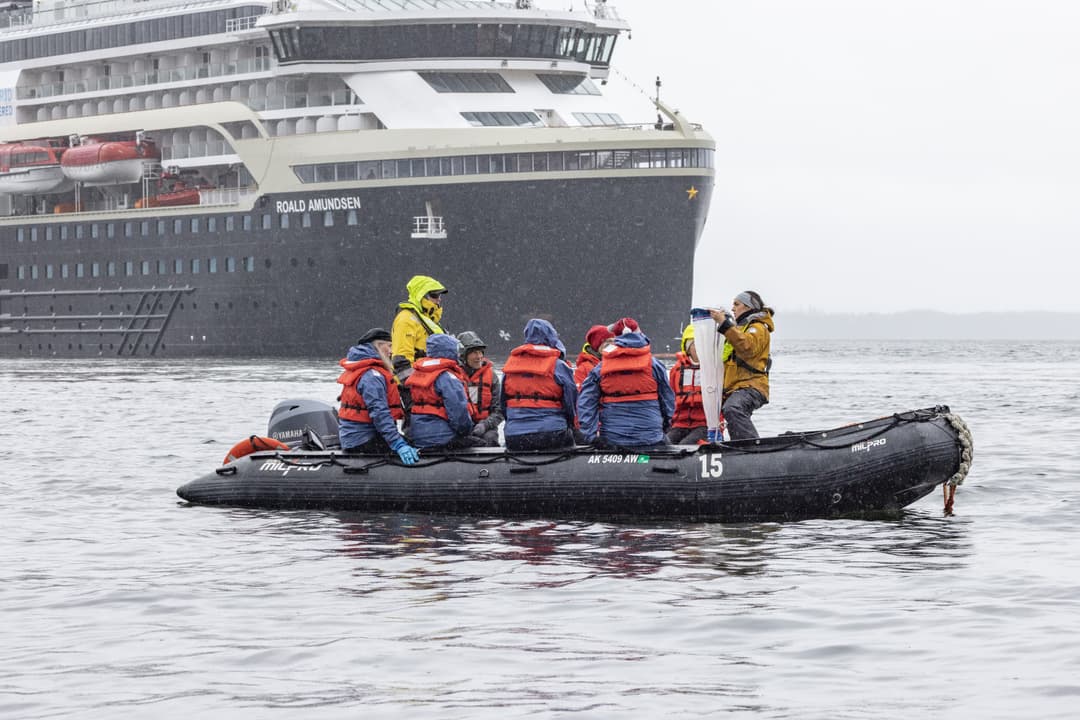
MS Roald Amundsen is as pioneering as the man it is named after, Roald Amundsen - the legendary Norwegian explorer. One of two fully hybrid ships in our fleet, explore the wonders of the world onboard one of the most environmentally friendly cruise ships in the world.
Loading...
Discover delicious food prepared in the state-of-the-art kitchens on board MS Fridtjof Nansen. Our creative chefs use local ingredients and take inspiration from regional flavours to take you on a culinary tour.
Takeaway: You are welcome to enjoy a Fredheim meal in your cabin.


Swap crowded decks for intimate lounges where your shipmates gather to recount the tales so far. Onboard restaurants serve delicious dishes, fit for the modern-day explorer. Destress in the gym or pamper yourself in the wellness centre before unwinding in your comfortable cabin. Elevate your expedition experience in a spacious suite with a private balcony - some even have outdoor hot tubs, perfect for soaking in the scenery after a day of discovery.


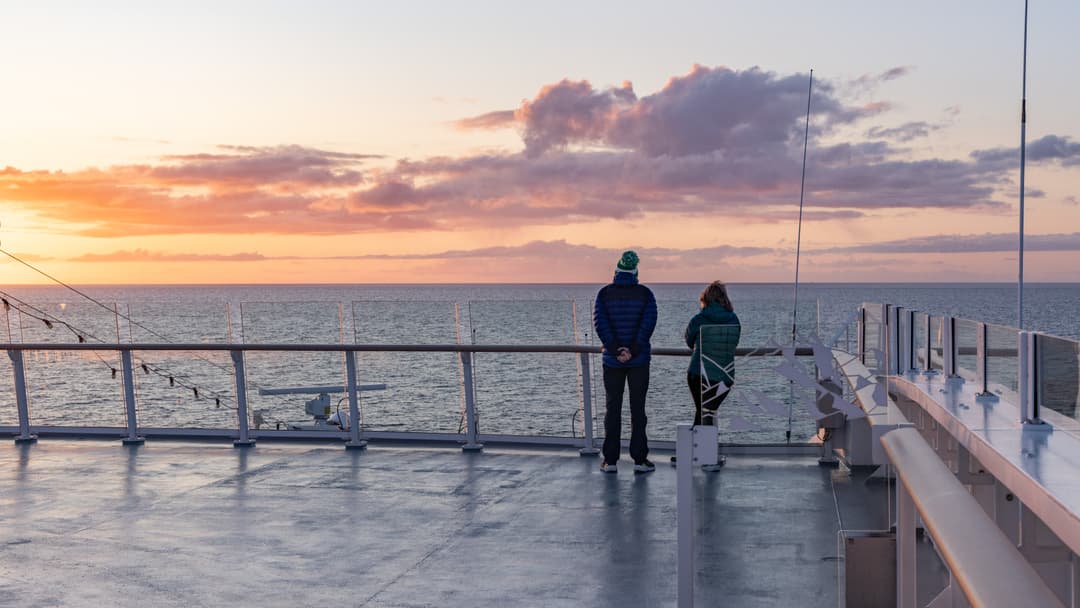


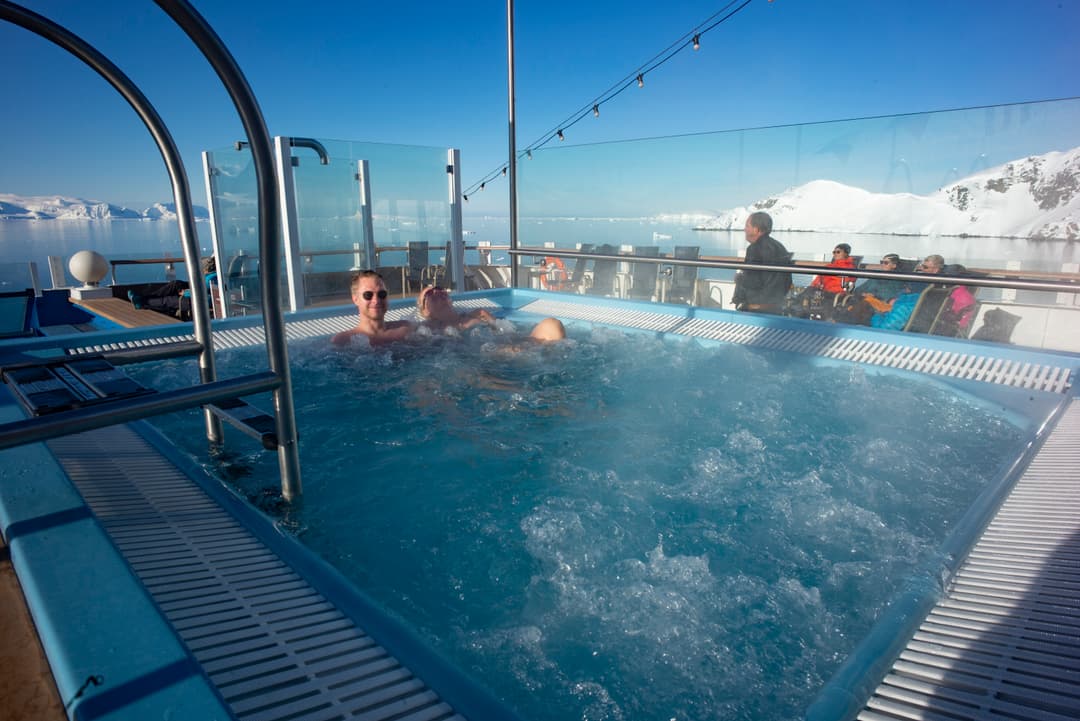
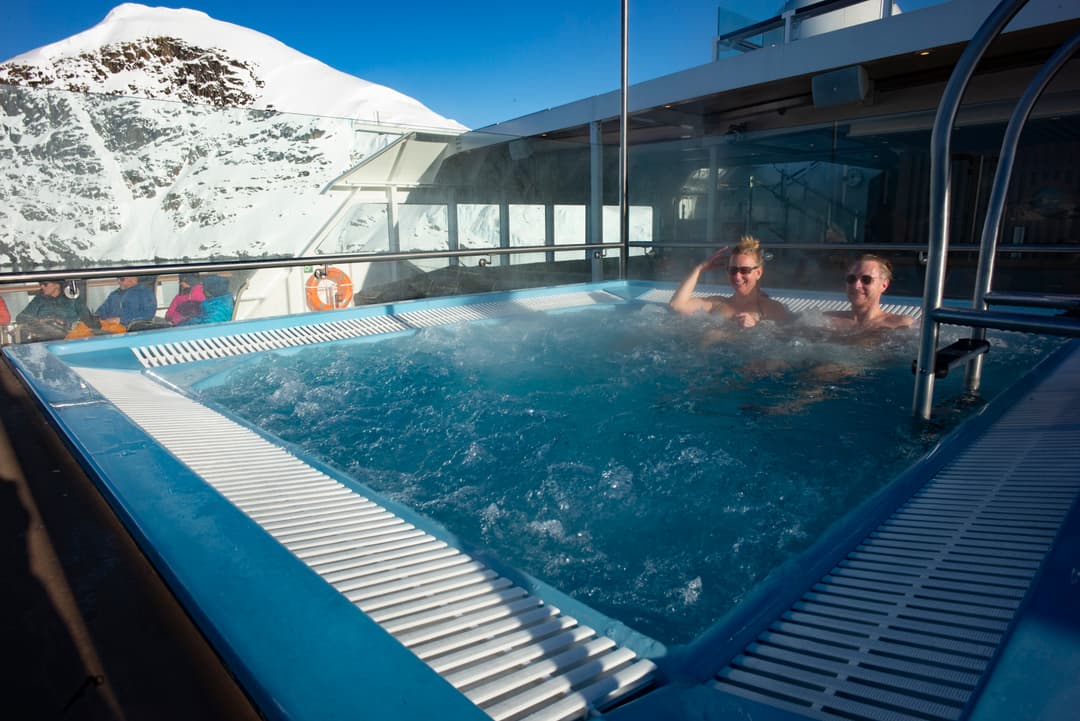


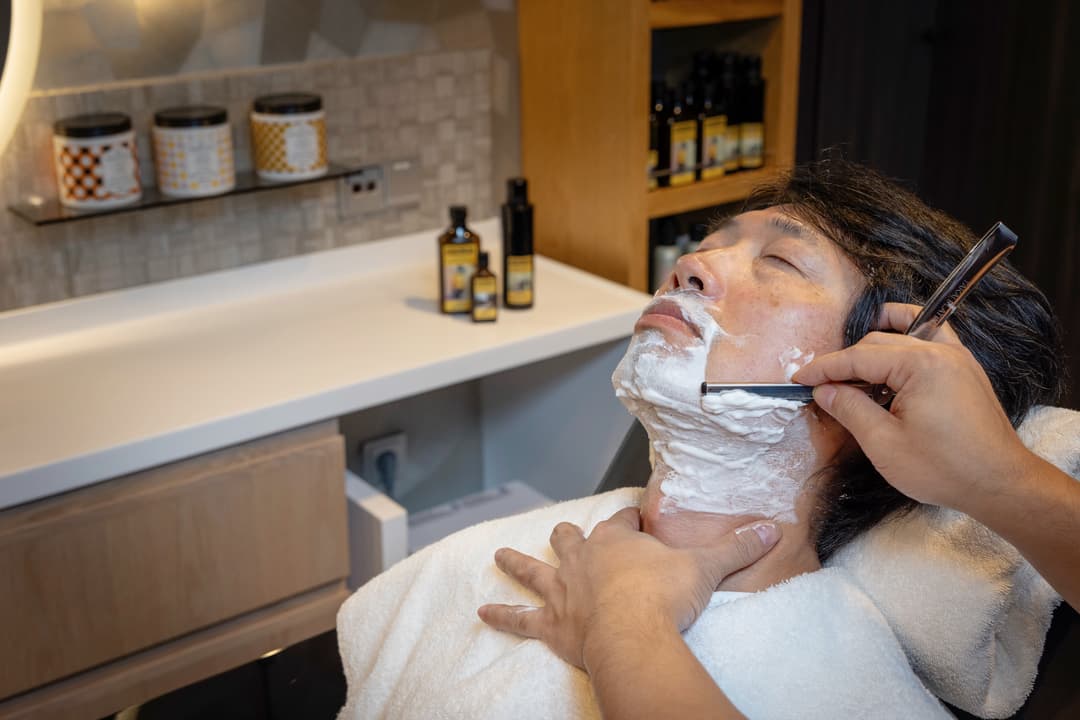
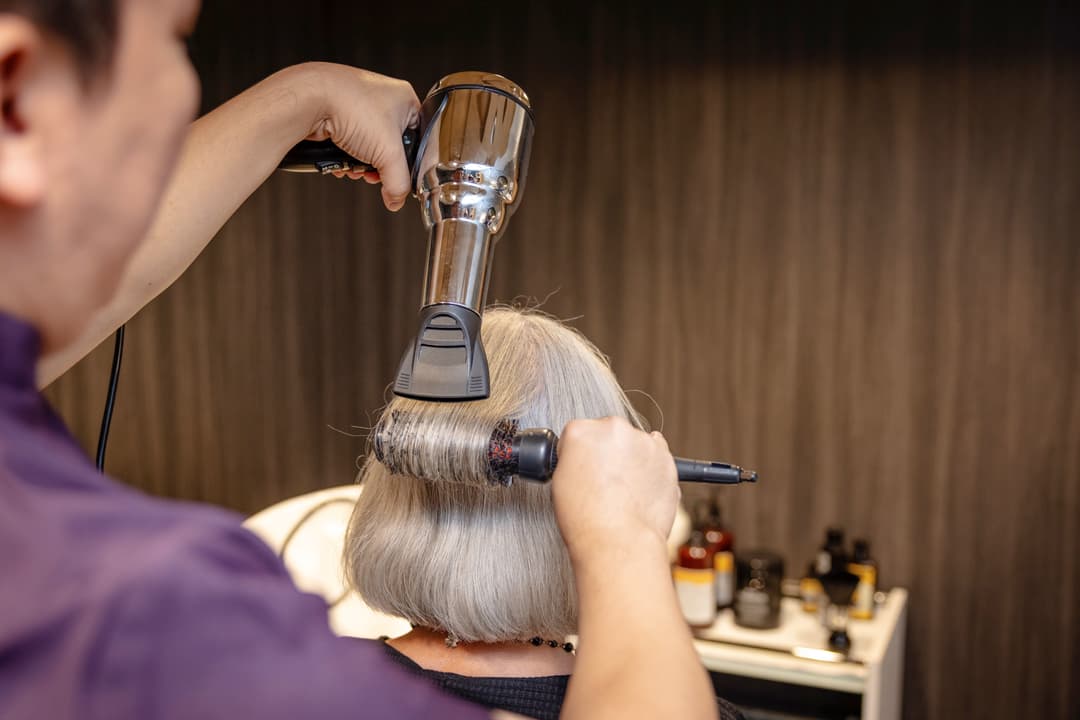
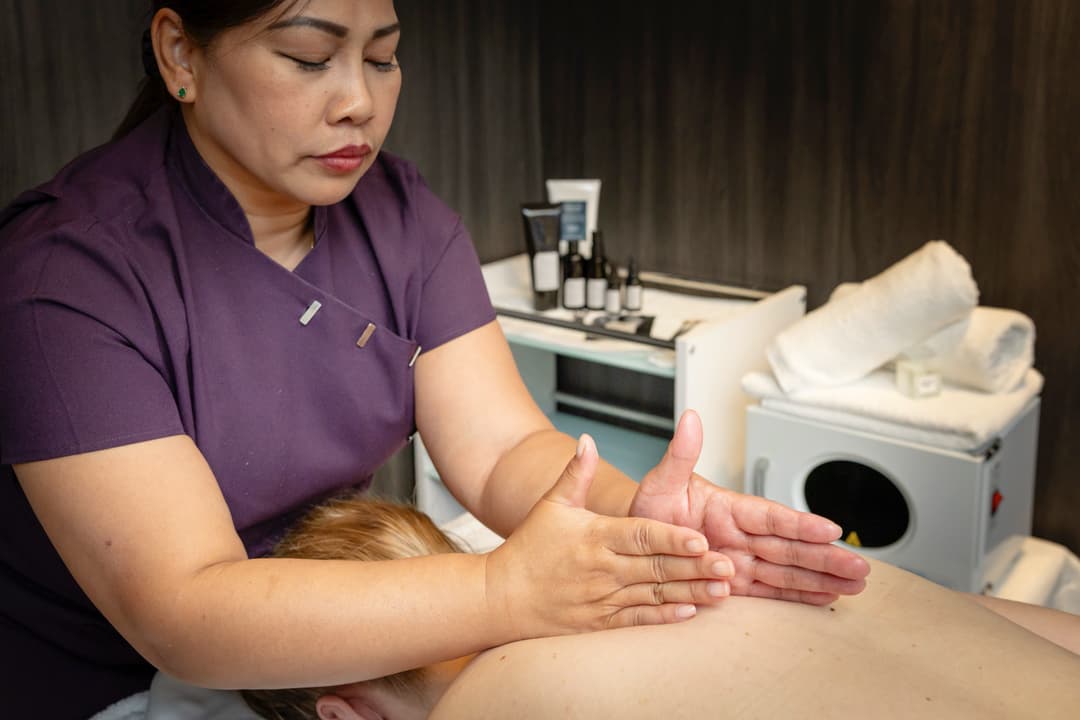
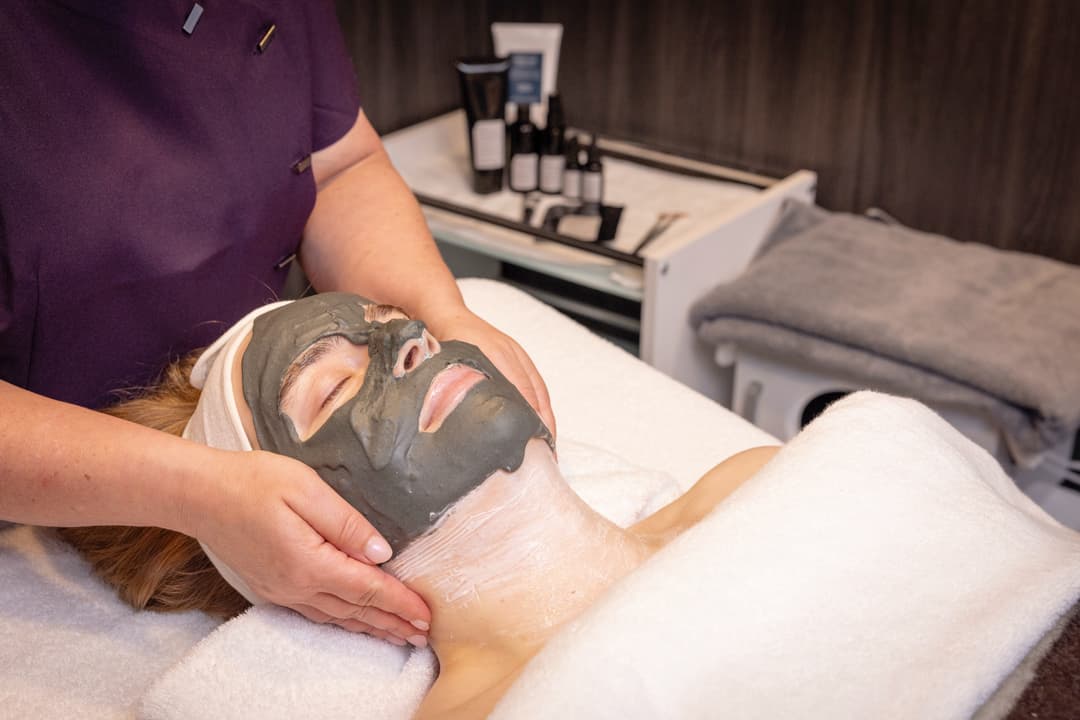
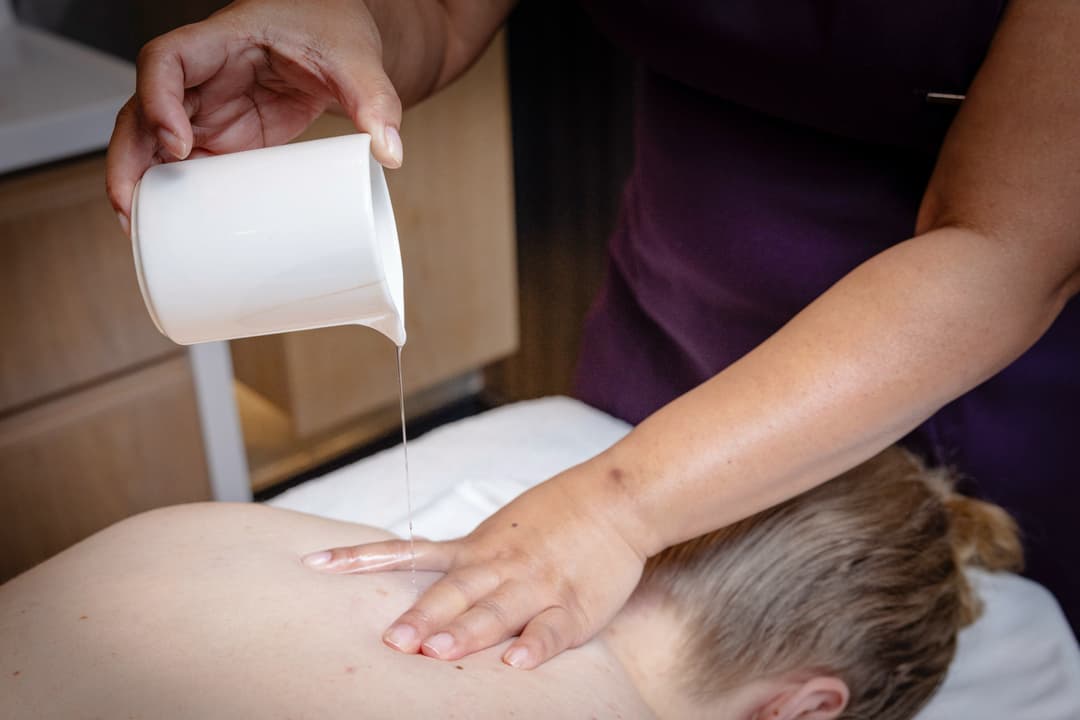


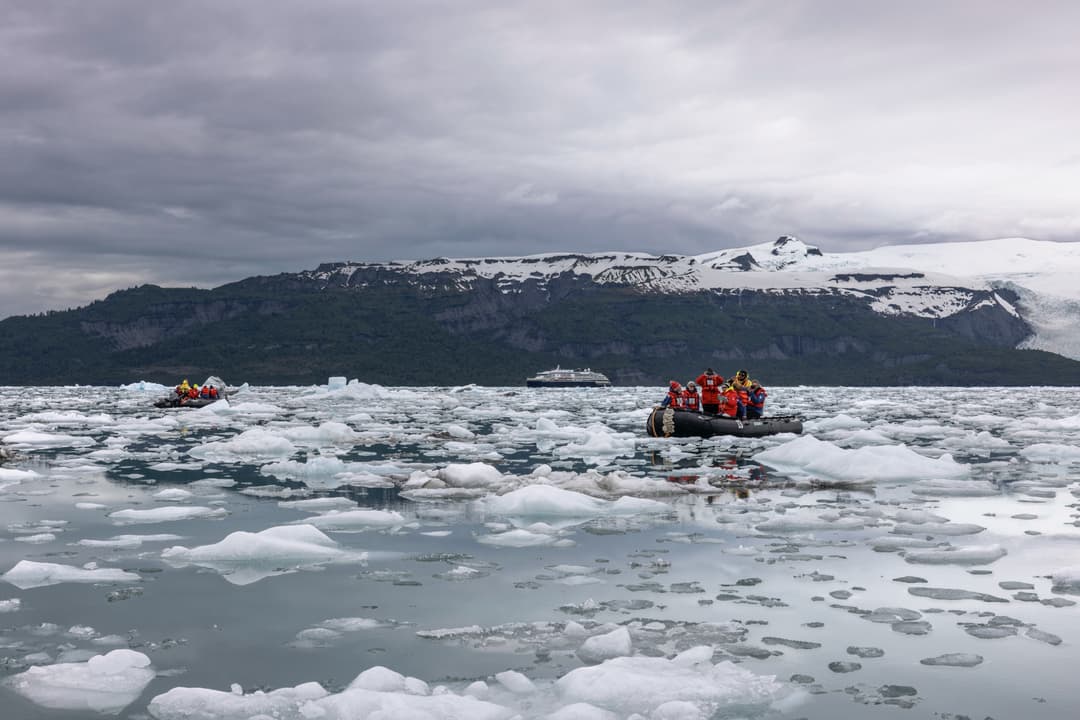
Our expedition ships – MS Roald Amundsen, MS Fridtjof Nansen, MS Fram, MS Spitsbergen, MS Santa Cruz II – are more than just a way to travel - they’re your home in the heart of the wild. Instead of an onboard casino, we have the Science Centre. Instead of cabaret shows, you have all the show you need outside the windows. No water slides, just kayaking trips or small-boat safaris along the coast in the Arctic, Antarctic, or the Galápagos.
The Science & Education program brings together like-minded individuals
Covering over 3/4 of the planet's surface, our oceans are vital in supporting human life on earth and are also home to over 90% of all known wildlife. Despite it influencing everything from our weather to transportation and yes, expedition cruises, very little is known about our blue planet.
This is where HX Expeditions and our fleet of small, state-of-the-....


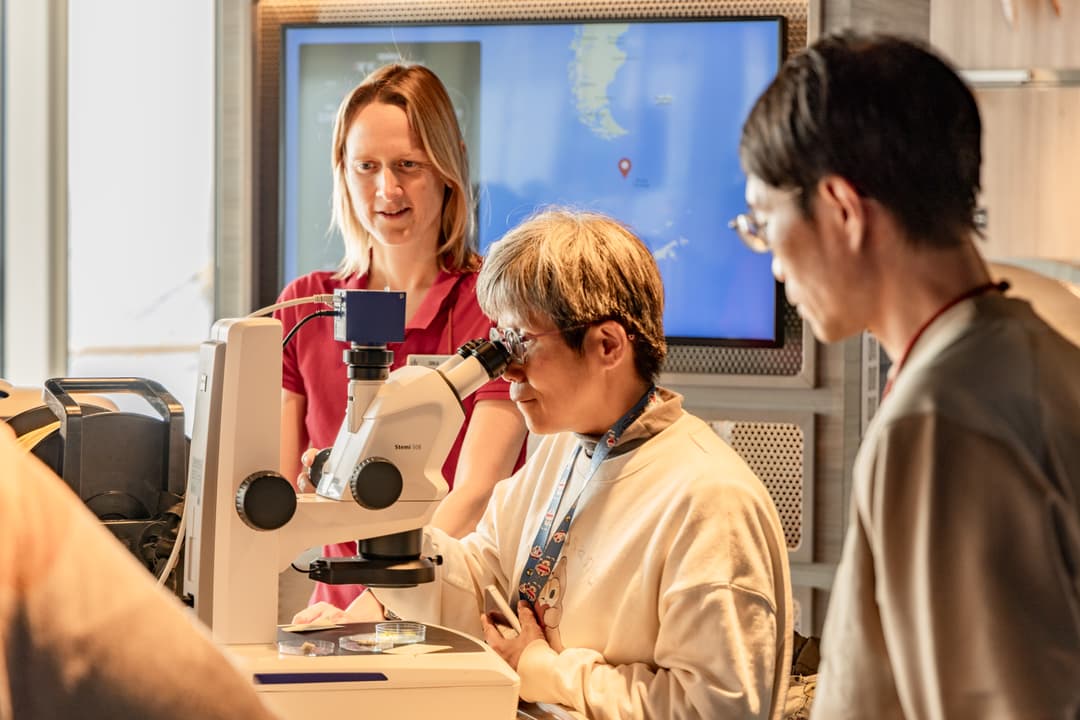


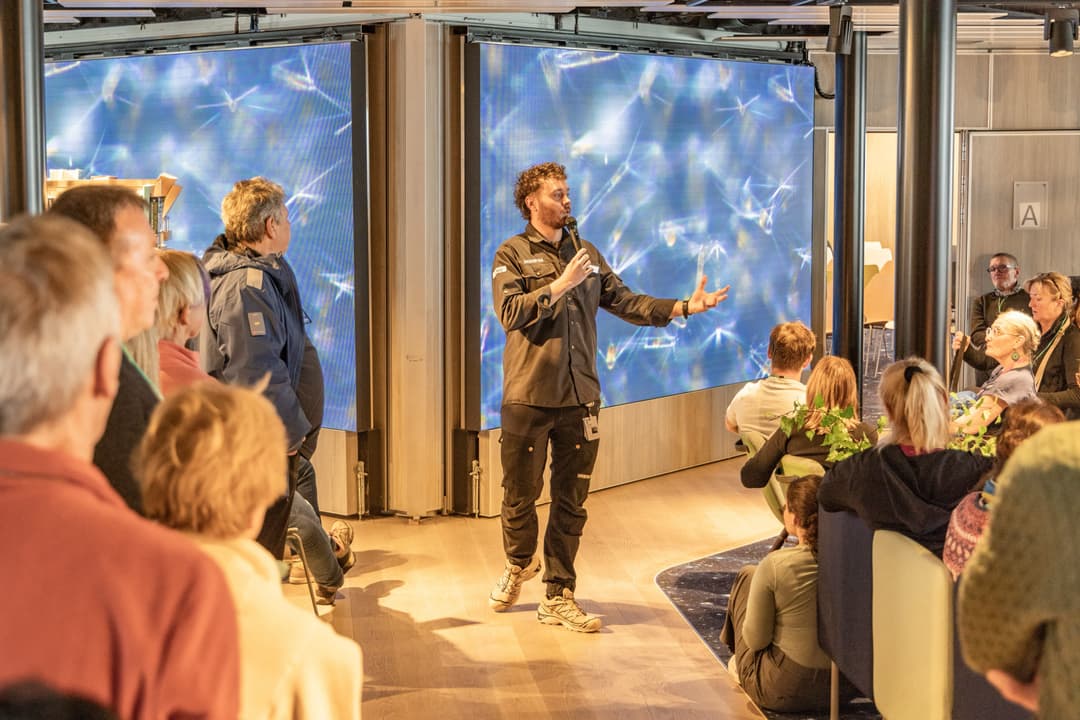
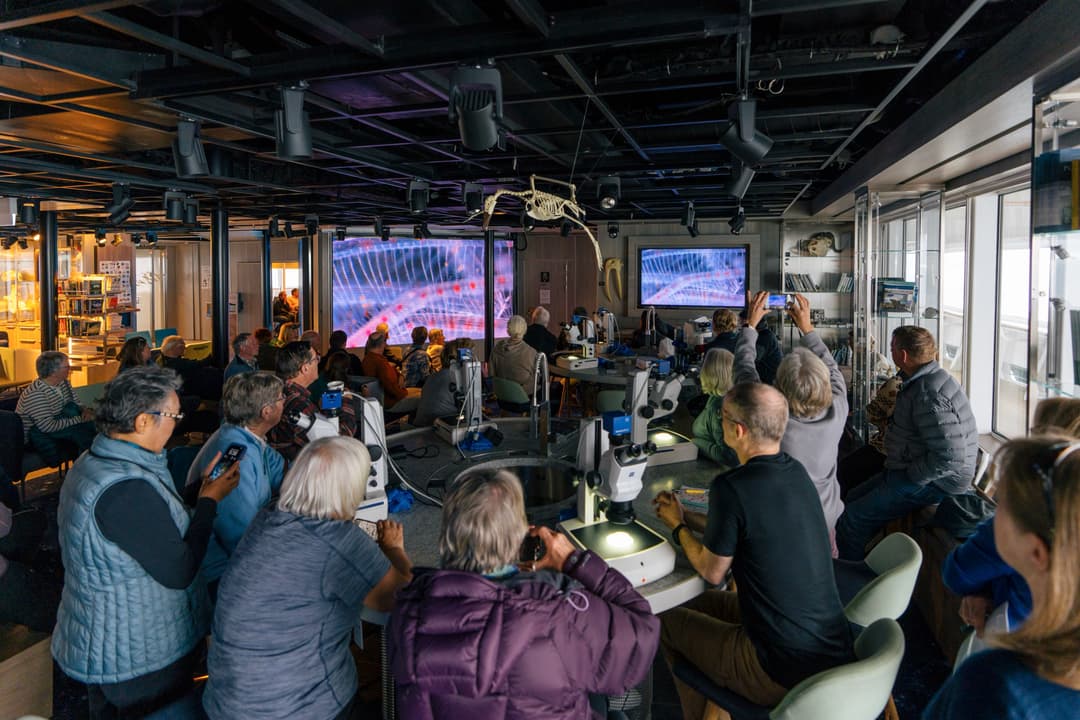
The onboard Expedition Team is composed of the Expedition Leader, the Assistant Expedition Leader, the Expedition Coordinator plus several lecturers and experts. Your Expedition Leader will regularly update you on the progress of the trip as well as the different points of interest and wildlife sightings that may occur. Biographies of the Expedition Team can be found on board. In the ships science center, you will be able to find information r....


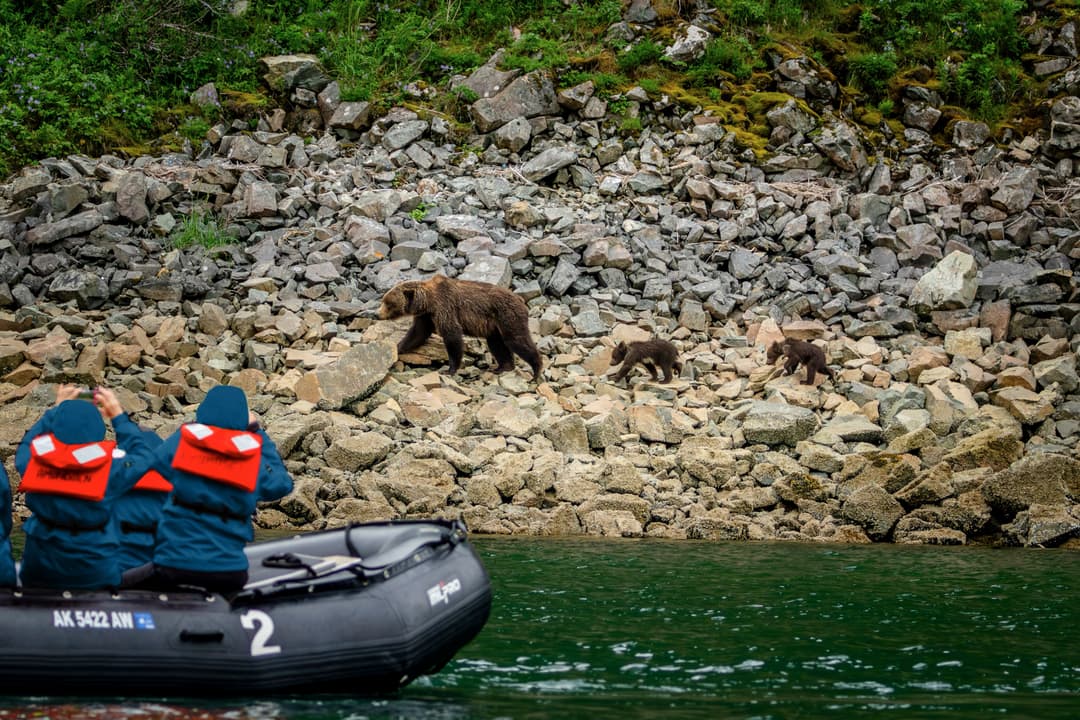
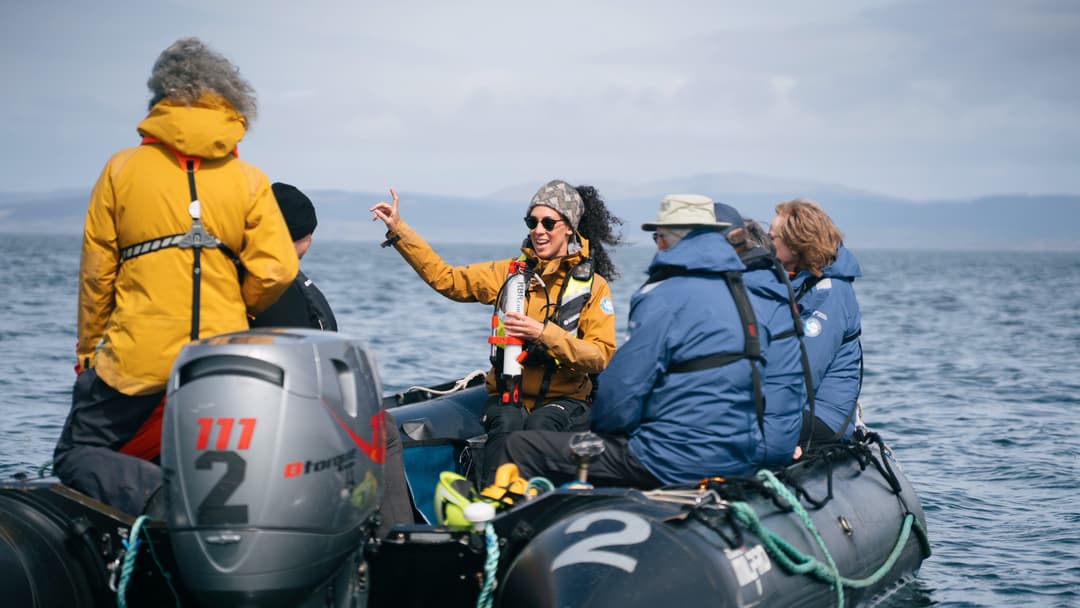
Let the participants reveal the adventurer they carry within, and get to know the spectacular surroundings by taking part in the excursions we offer. You can also take a brief break and join in one of the activities that take place on deck. This will recharge your batteries for the next session.
Take a break and fill all of your senses - storytelling about food and its traditions is a large part of the gastronomic experience on our ships....
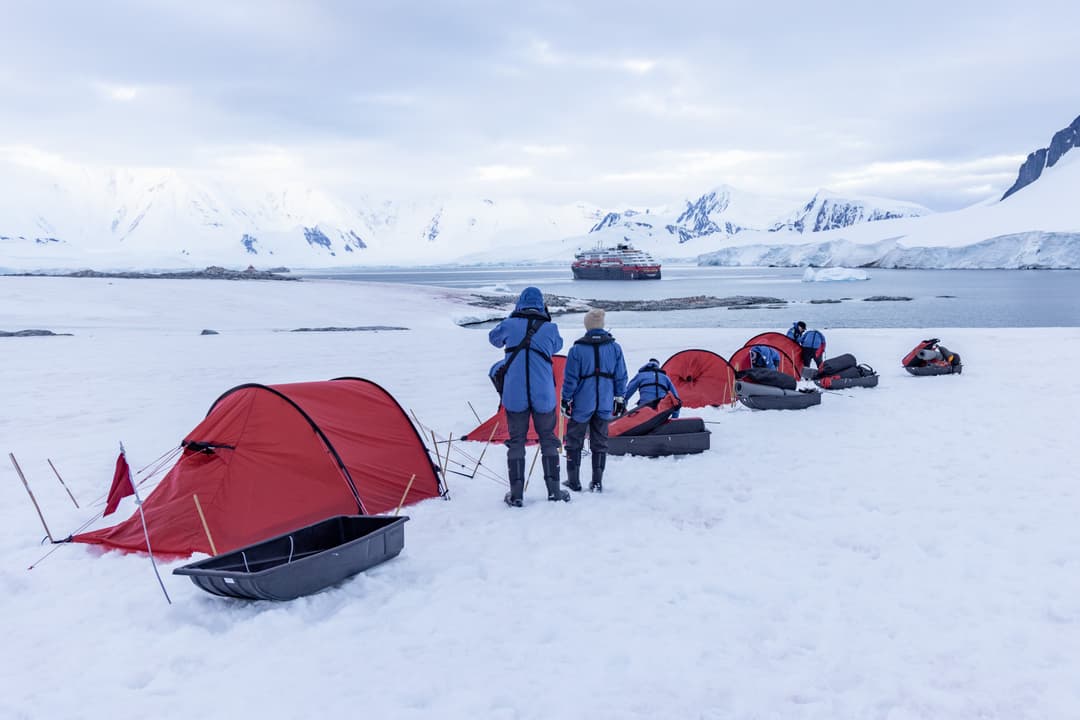
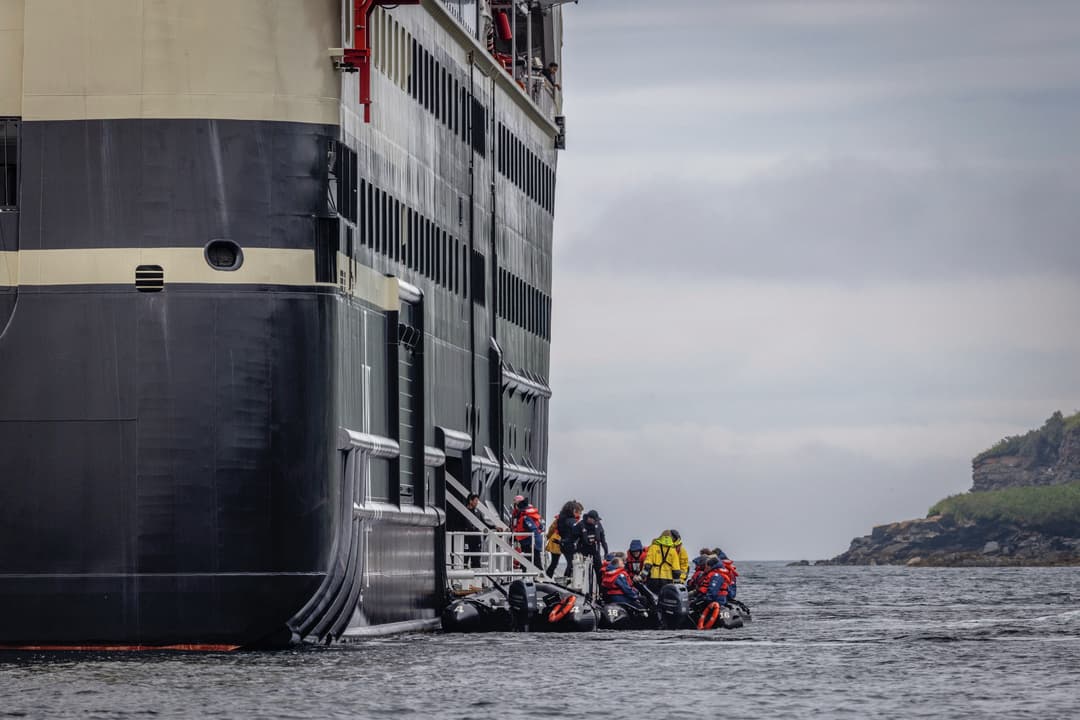
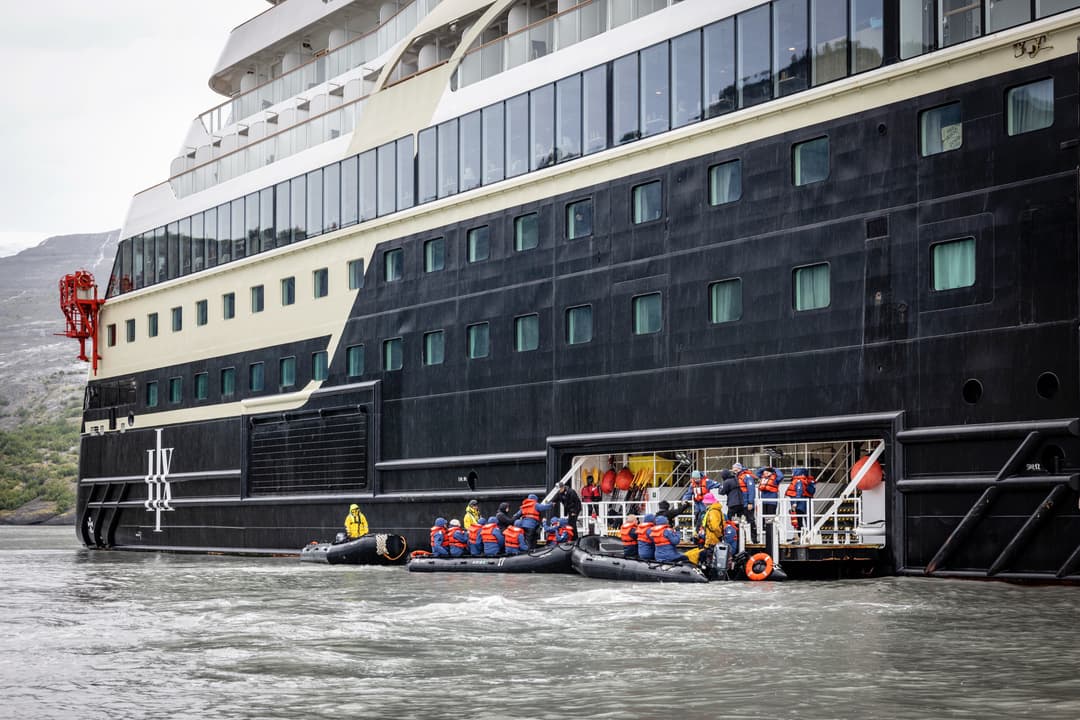
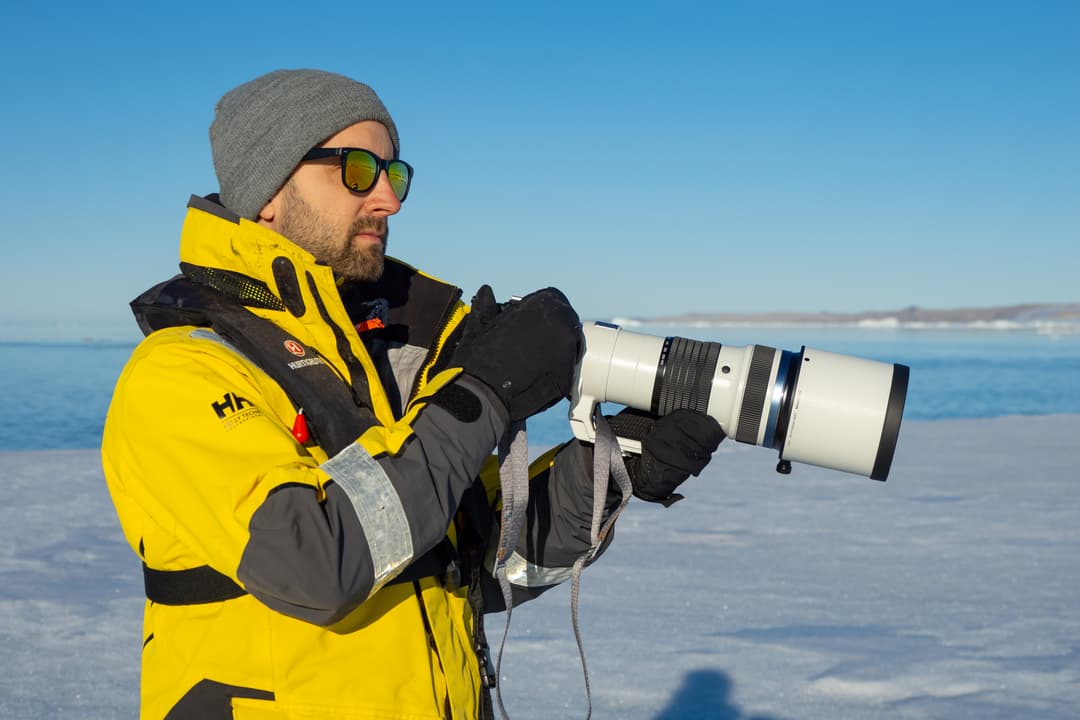
Our on board photographer will be there to assist guests in the use of their photo equipment and to help improve their photo skills. To enhance the experience of the places we explore, we use photography actively with our guests. Slideshow shared onboard before the end of the voyage and made available for all guests in an Expedition Logbook - including a selection of photos as well as the Daily Programs, Expedition Team biographies, Maps from ....
Loading...
Breakfast, lunch and dinner, every day: Indulge in anything your appetite desires across a huge list of delicious choices that almost rival the memories you’ll make off the ship. Start the day with an impressive buffet breakfast before moving onto a mouth-watering menu of à la carte choices later in the day. Of course, that includes house wine and beer and soft drinks.
A warm welcome to the sauna, hot tubs and more: Make so....
Due to the nature of expedition cruising, our voyages often take us far away from the resources and the facilities we are used to in day-to-day life. We recognise that disabilities and mobility issues can range in severity, and recommend all guests consider accompaniment by a companion if they need assistance, either on board or ashore, due to the environment, operations and the unique safety requirements found on an expedition ship.
We ....
Weather varies depending on your destination, but sturdy footwear for wet and dry landings is essential. We provide boots and trekking poles on certain expeditions, but you’re welcome to bring your own.
On-board
- Casual clothes – the dress code is relaxed and informal, even for dinners
- Comfortable flat shoes for everyday use while onboard. It can be slippery on deck, so we recommend shoes with a good grip
Our expedition ships feature a small onboard hospital essential equipment, and medication to handle small emergencies.. Every ship has an English-speaking medical team with a doctor and at least one nurse, supported 24/7 by dedicated land-based experts.
In the event of a serious emergency, the nearest hospital will be contacted. Medical consultations as well as medicines will be charged to the passenger affected. All guests must have per....
Everything you need to know about your cruise, including your bookings, daily programme, restaurants and services on board and essential information about available excursions is at hand at any time.
What have I booked?
Take a look at My bookings to explore the excursions you have booked and prepare for your adventure accordingly with practical tips.
What's happening today?
The daily programme helps you to....