

Northwest Passage
CRUISE ID # AURORANWP012S
Calgary, Alberta TO Reykjavík
$20,846
WITH SPECIAL SAVINGS APPLIED
FARES SHOWN ARE PER GUEST
Suites & Fares
CHOOSE START DATE
: September 12, 2028
Itinerary
On arrival in Calgary, you will be met by an Aurora Expeditions representative and transferred to the group hotel. Visit the Aurora Expeditions hospitality desk to collect your cabin luggage tags and speak with our ground operations team. They will share important pre-embarkation information for tomorrow’s charter flight and can assist with local dining suggestions or last-minute purchases.
The remainder of the day is yours to enjoy at leisure. All meals today are at your own expense.
Accommodation: Calgary hotel (to be advised).
We hope to begin with a Zodiac cruise or landing at Port Epworth, on a coast shaped by ancient geology and a long record of Inuit travel and seasonal use. Depending on conditions, we may explore the shoreline and search for archaeological traces that reveal how people moved through and lived within this western Arctic landscape.
Later, we set a course east. Watch from deck for seals, whales and migrating birdlife as the Expedition Team introduces the human and natural history of the Northwest Passage.
Iqaluktuuttiaq, or Cambridge Bay, means ‘place of many fish’ and reflects the rich waters that have long drawn Inuit families to this part of Victoria Island. Today it is a vibrant regional centre where Inuinnaqtun language, harvesting traditions and contemporary northern life meet.
The harbour is also linked with Roald Amundsen’s ship Maud, which remained here for decades after becoming trapped in ice and sinking. A locally guided visit may explore community history and culture before we return to the ship and continue east.
We aim to explore the western side of King William Island, known to Inuit as Qikiqtaq. This landscape is central to the Franklin story, but its history is far older and richer than the European search for a passage. Inuit travelled, hunted and camped throughout the region for generations, developing knowledge that later proved crucial to understanding the fate of HMS Erebus and HMS Terror.
Weather and sea ice will determine our landing place. On shore, the Expedition Team may interpret archaeological features, expedition relics and the oral histories that connect this coast with one of polar exploration’s most enduring mysteries. We will also watch for caribou, Arctic foxes, seals and polar bears.
Bellot Strait is one of the most storied waterways of the Northwest Passage. Barely two kilometres wide at its narrowest point, it separates Somerset Island from the Boothia Peninsula and is swept by strong tides and shifting ice. Safe conditions may allow us to transit or explore in the vicinity of Fitzroy Inlet, Bellot Strait or Strzelecki Harbour.
Zodiac cruises and tundra walks reveal an austere landscape of cliffs, coves and tidal channels. This was a formidable obstacle for early navigators, yet part of a well-known homeland and travel network for Inuit. Scan the shore and water for polar bears, seals, beluga and seabirds.
Devon Island is Canada’s sixth largest island and was first seen by Europeans in the early 17th century. The Thule culture had already settled there many centuries before, and left behind qarmat homes, made of rocks, whale bones, rock and sod walls, and skins for roofs that tell a story of over 800 years of human habitation. Other striking finds in this area are the many fossils of corals, crinoids and nautiloids that can be seen. Just across Lancaster Sound is Prince Leopold Island, a Canadian Important Bird Area, a federally listed migratory bird sanctuary, and a Key Migratory Bird Terrestrial Habitat site with large numbers of Thick-billed Murres, Northern Fulmars and Black-legged Kittiwakes that breed there.
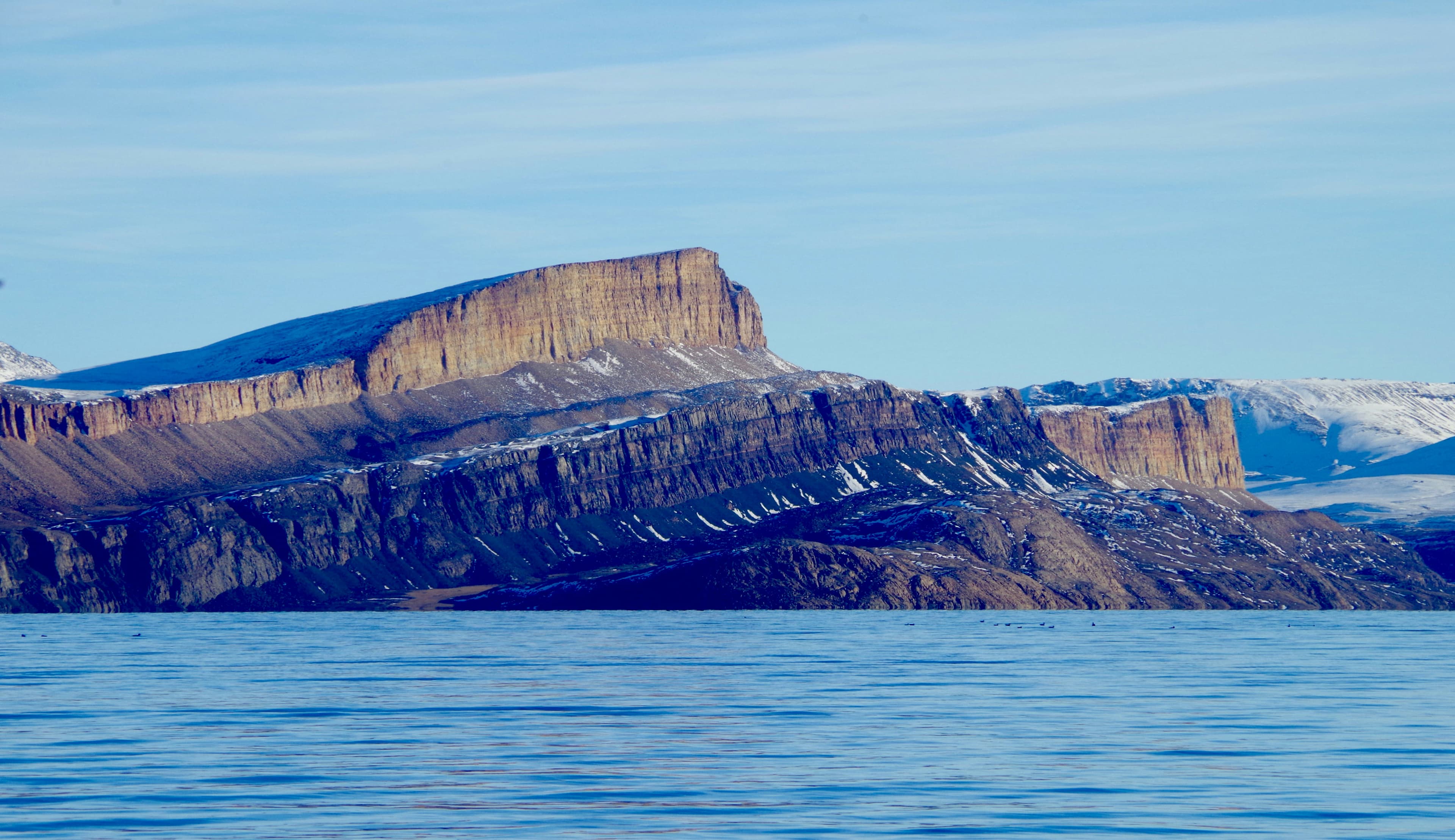
Maxwell Bay (Tasiujaq) cuts deeply into Devon Island and offers a choice of sheltered inlets, including Graham Harbour and Custance Inlet. By late September the tundra has taken on autumn tones and early snow may sharpen the island’s flat-topped mountains and glacial valleys.
We may explore by Zodiac or on foot, watching for musk oxen, Arctic hare and foxes on land, and seals or walrus in the water. Polar bears move throughout this region, although every sighting is a matter of chance. Archaeological remains and historic sites may also reveal how Inuit travellers, traders and later government patrols used these protected waters.
At Croker Bay, a glacier descends towards a broad Arctic inlet. Conditions may favour a Zodiac cruise among sculpted ice or a landing beneath Devon Island’s distinctive mountains. Ringed seals and walrus may be present, with polar bears occasionally travelling the coast.
We also hope to visit Dundas Harbour, where the remains of an RCMP post and former Hudson’s Bay Company activity represent a recent layer of history. Nearby archaeological features point to much older Inuit use of this coast. A tundra walk may bring encounters with musk oxen, Arctic hare and late-season birdlife.
Dundas Harbour is located in the southeast of Devon Island, Canada’s 6th largest island. It is a forlorn but starkly beautiful spot. The island was first sighted by Europeans in 1616 by the English explorers Robert Bylot and William Baffin. But it did not appear on maps until after explorer William Edward Parry’s exploration in the 1820’s. Parry named it after Devon, England. In the local Inuktitut language, the place is called Talluruti, which translates as “a woman’s chin with tattoos on it.” This refers to the deep crevasses and streaks on Devon Island, which from a distance resemble traditional facial tattoos. On land there are remains of a Thule settlement dating back to 1000 A.D., including tent rings, middens and a gravesite. There are also much more recent remains a Royal Canadian Mounted Police outpost. The first post was established in 1924 to monitor and control illegal activities, such as foreign whaling, in the eastern entrance to the Northwest Passage. But conditions were so isolated and severe that the post was abandoned in 1933. It was reopened in 1945, but again closed, this time permanently, in 1951. Today, Devon Island is the largest uninhabited island in the world.
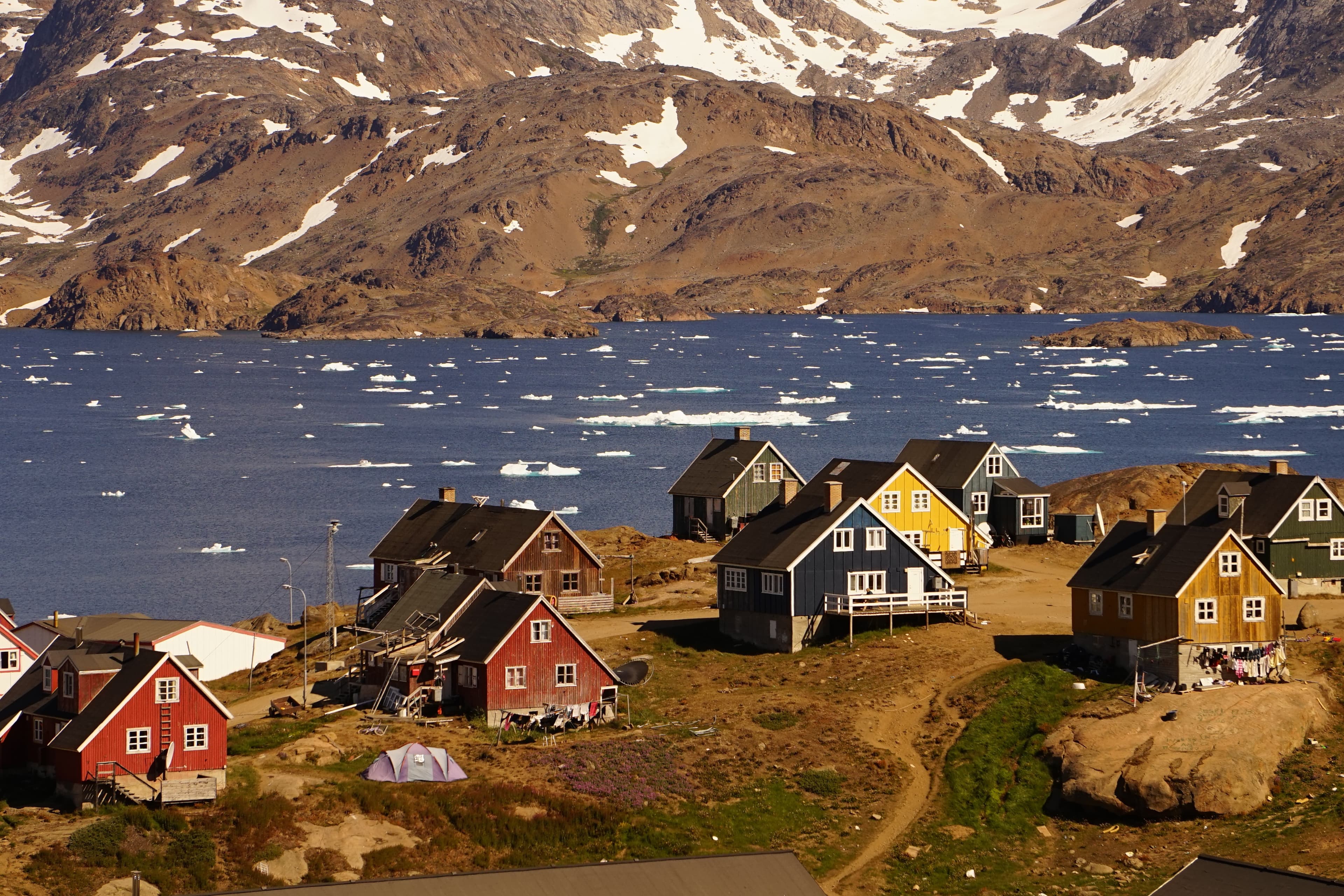
Our return to Greenland begins at Kullorsuaq, a small community set among islands, mountains and ice in the Upernavik Archipelago. The settlement takes its name from the distinctive mountain nearby: Kullorsuaq, or ‘the Big Thumb’, known in English as the Devil’s Thumb.
A community visit may offer insight into life in one of Greenland’s northern settlements, where hunting and fishing remain closely tied to sea ice, weather and seasonal wildlife. Offshore, icebergs drift through intricate channels used by seals and whales, and the surrounding cliffs may hold ravens and seabirds.
A morning at sea allows time to watch the Greenland coast unfold and to learn more about its geology, wildlife and human history. Humpback and minke whales may be encountered in these waters, while changing ice and weather guide our progress.
Later, we hope to explore around Nuussuaq. The peninsula’s immense basalt mountains and broad valleys preserve evidence of ancient movement and settlement along a coast that has supported Inuit communities for thousands of years. A late-day landing may offer a tundra walk, Zodiac cruise or community visit, subject to conditions and local arrangements.
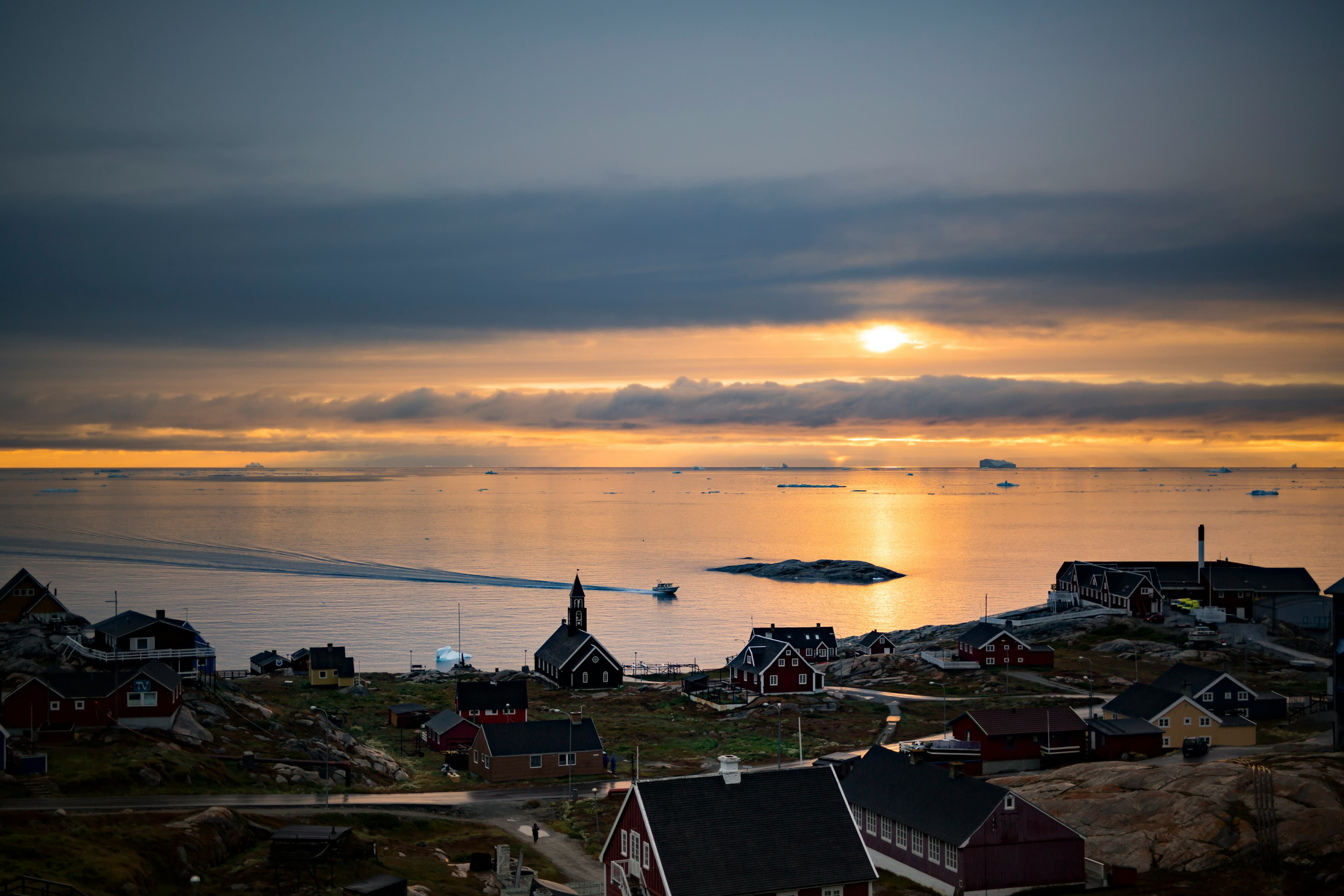
Known as the birthplace of icebergs, the Ilulissat Icefjord produces nearly 20 million tons of ice each day. In fact, the word Ilulissat means “icebergs” in the Kalaallisut language. The town of Ilulissat is known for its long periods of calm and settled weather, but the climate tends to be cold due to its proximity to the fjord. Approximately 4,500 people live in Ilulissat, the third-largest town in Greenland after Nuuk and Sisimiut. Some people here estimate that there are nearly as many sled dogs as human beings living in the town that also boasts a local history museum located in the former home of Greenlandic folk hero and famed polar explorer Knud Rasmussen.
At Ukivik, open tundra and an indented coast may offer a final wilderness walk, shaped by weather, wildlife and local conditions.
Later, we hope to visit Nipisat, part of the UNESCO World Heritage property Aasivissuit–Nipisat: Inuit Hunting Ground between Ice and Sea. Archaeological layers document more than 4,000 years of human history and reveal how successive cultures adapted to seasonal resources between the Greenland Ice Sheet and the coast. It is a fitting place to reflect on Inuit resilience, knowledge and continuity at the end of our passage.
Sprawling Reykjavík, the nation's nerve center and government seat, is home to half the island's population. On a bay overlooked by proud Mt. Esja (pronounced eh-shyuh), with its ever-changing hues, Reykjavík presents a colorful sight, its concrete houses painted in light colors and topped by vibrant red, blue, and green roofs. In contrast to the almost treeless countryside, Reykjavík has many tall, native birches, rowans, and willows, as well as imported aspen, pines, and spruces.Reykjavík's name comes from the Icelandic words for smoke, reykur, and bay, vík. In AD 874, Norseman Ingólfur Arnarson saw Iceland rising out of the misty sea and came ashore at a bay eerily shrouded with plumes of steam from nearby hot springs. Today most of the houses in Reykjavík are heated by near-boiling water from the hot springs. Natural heating avoids air pollution; there's no smoke around. You may notice, however, that the hot water brings a slight sulfur smell to the bathroom.Prices are easily on a par with other major European cities. A practical option is to purchase a Reykjavík City Card at the Tourist Information Center or at the Reykjavík Youth Hostel. This card permits unlimited bus usage and admission to any of the city's seven pools, the Family Park and Zoo, and city museums. The cards are valid for one (ISK 3,300), two (ISK 4,400), or three days (ISK 4,900), and they pay for themselves after three or four uses a day. Even lacking the City Card, paying admission (ISK 500, or ISK 250 for seniors and people with disabilities) to one of the city art museums (Hafnarhús, Kjarvalsstaðir, or Ásmundarsafn) gets you free same-day admission to the other two.
About the Ship
Name
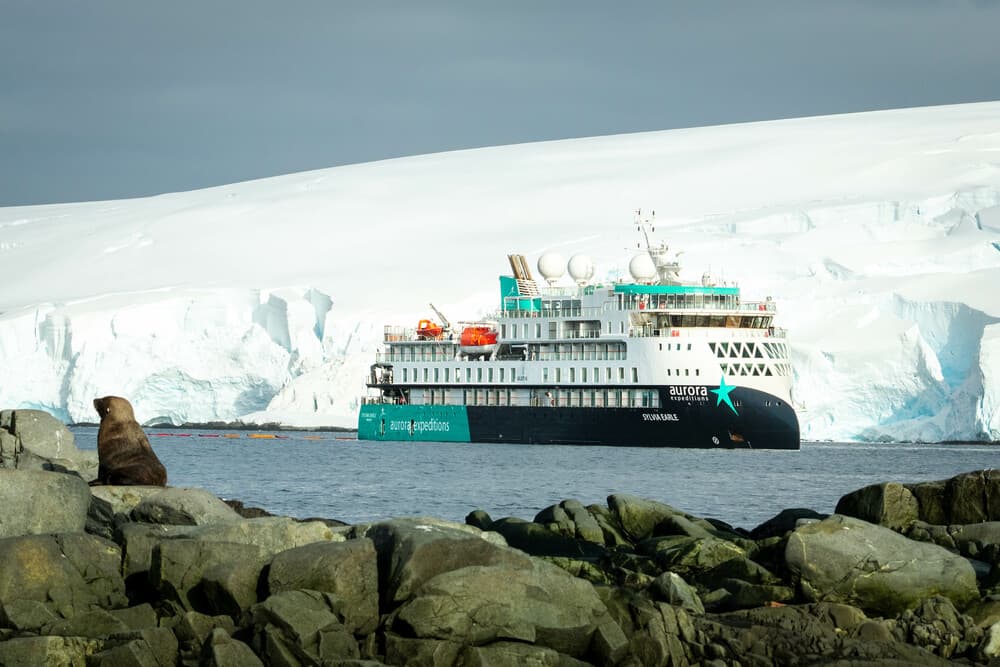
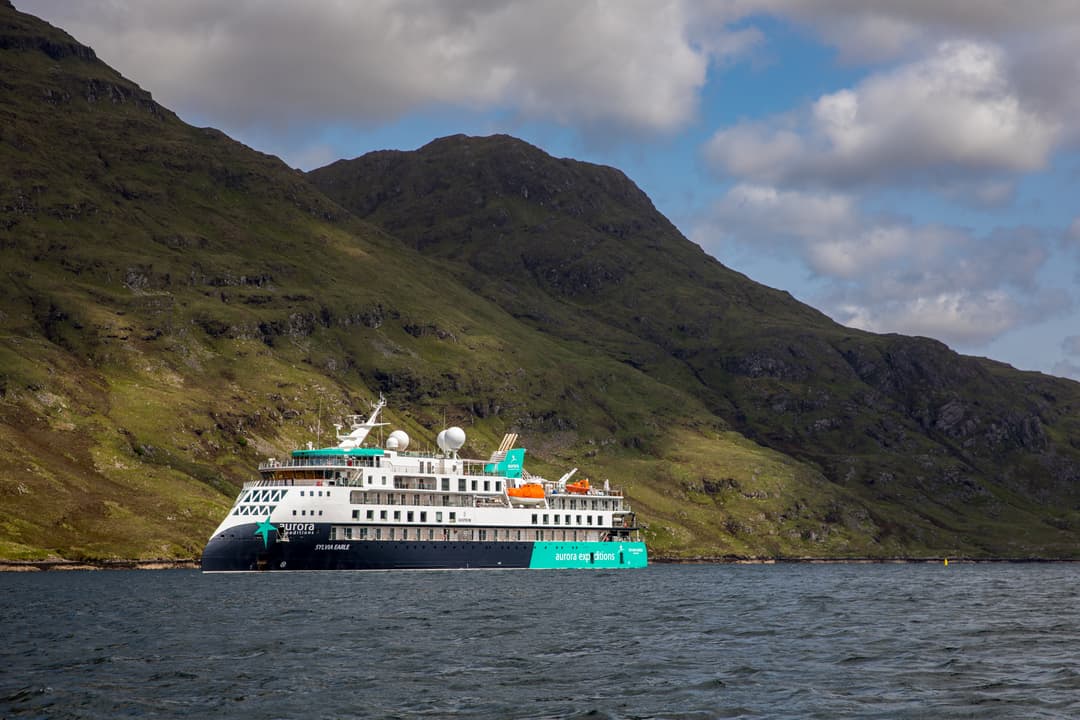
Sylvia Earle
Operator
Aurora Expeditions

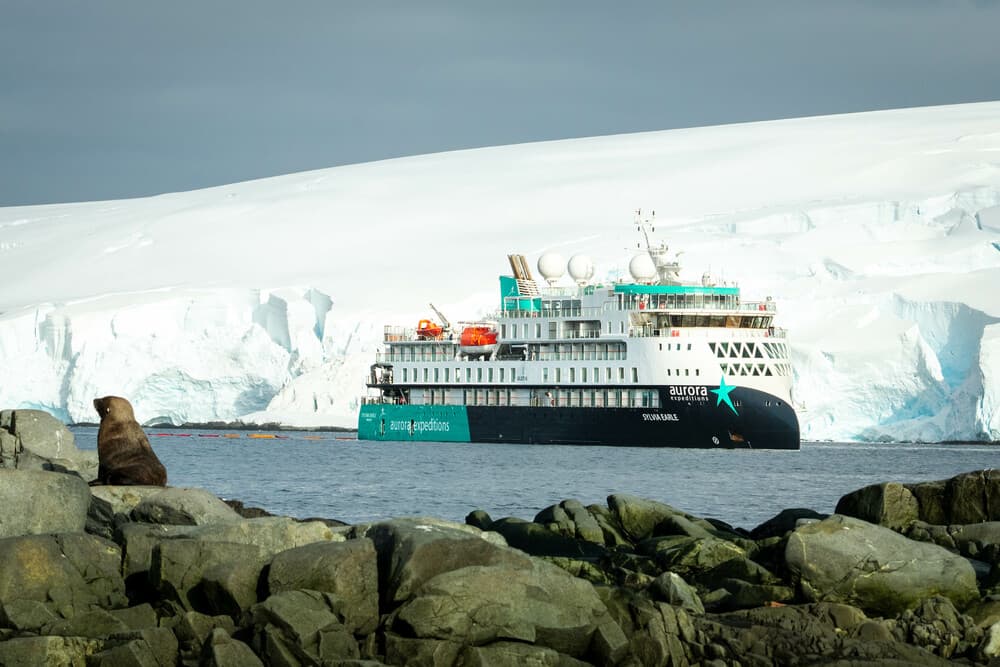
A floating ambassador for the planet.
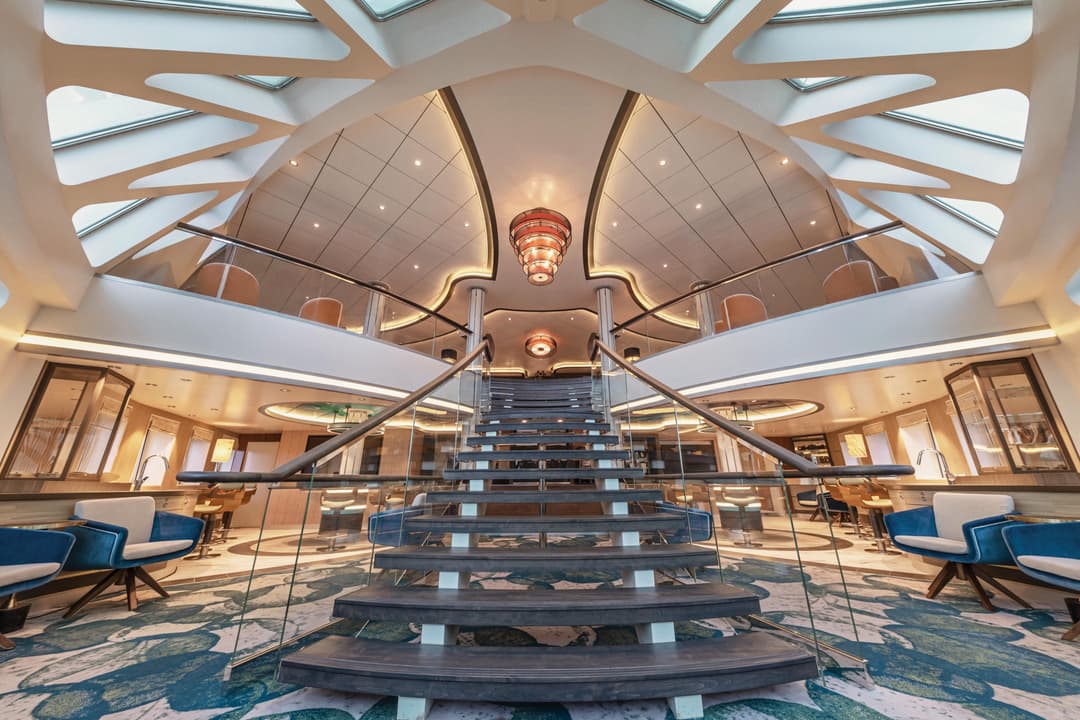
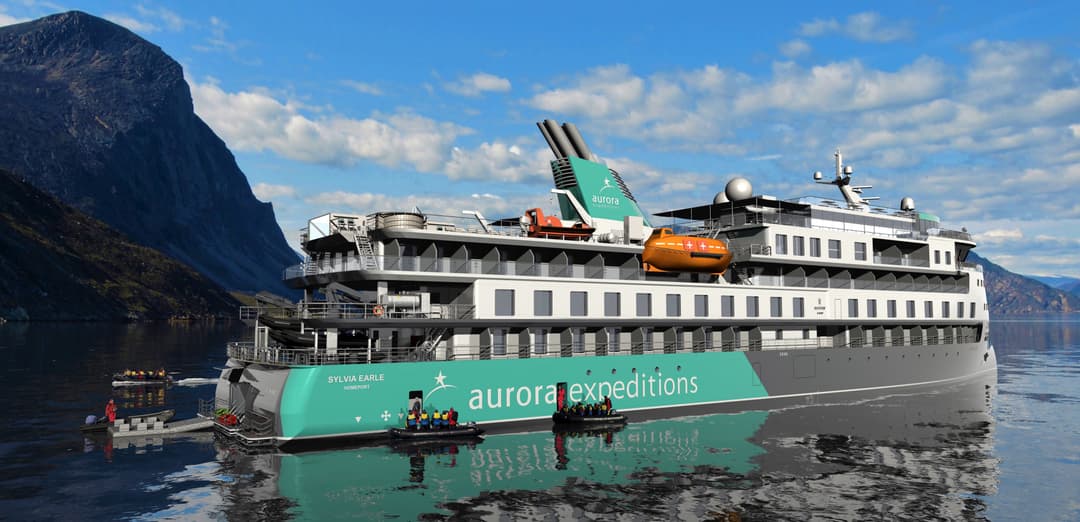
On our small purpose-built ship, the Sylvia Earle, connect with like-minded travellers in a meaningful way on perspective-altering voyages to some of the most remote, unique and spectacular places on the planet. Featuring the Ulstein X-BOW® design, it cuts through the swell for a smoother transit through waves while minimising its environmental impact.
Loading...
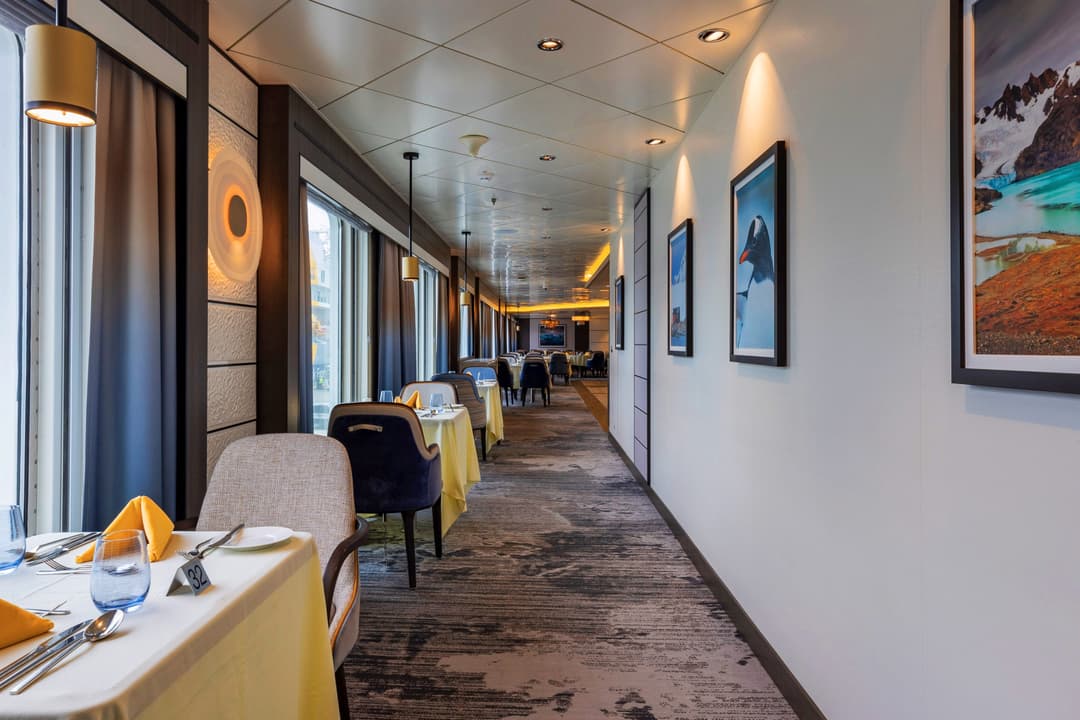
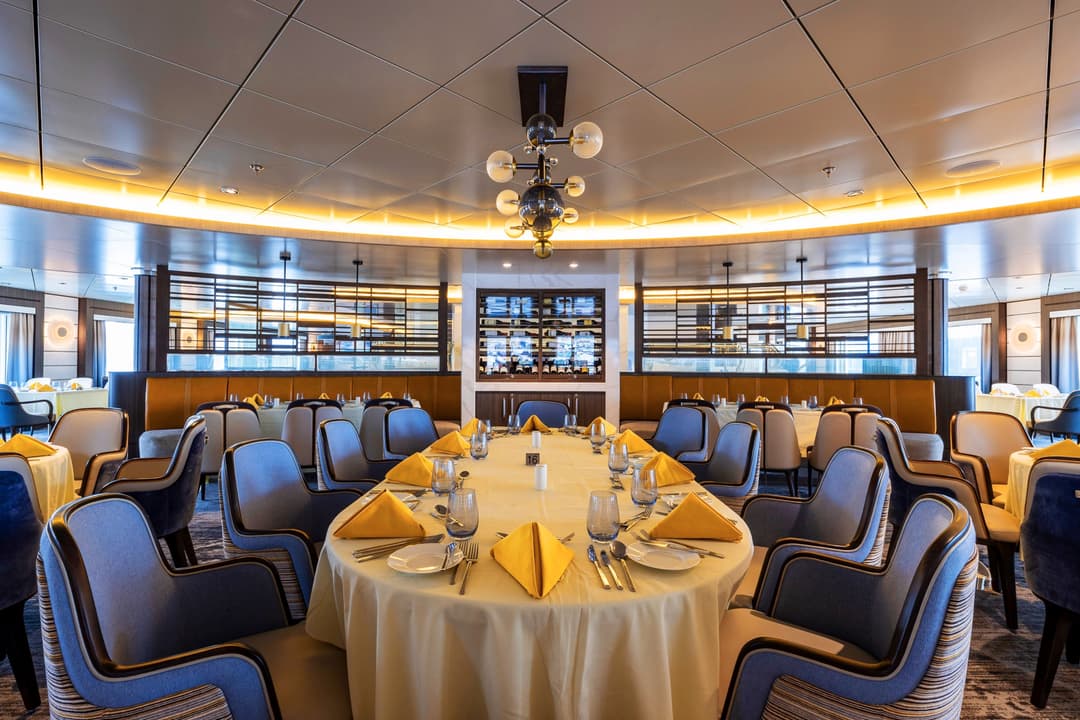
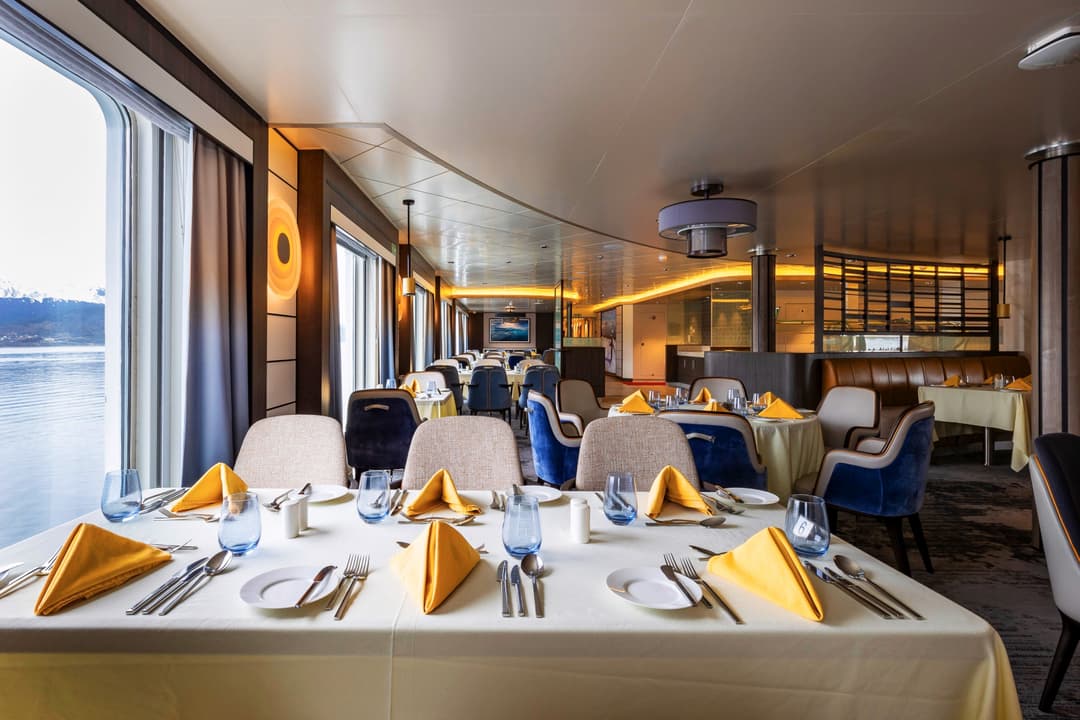
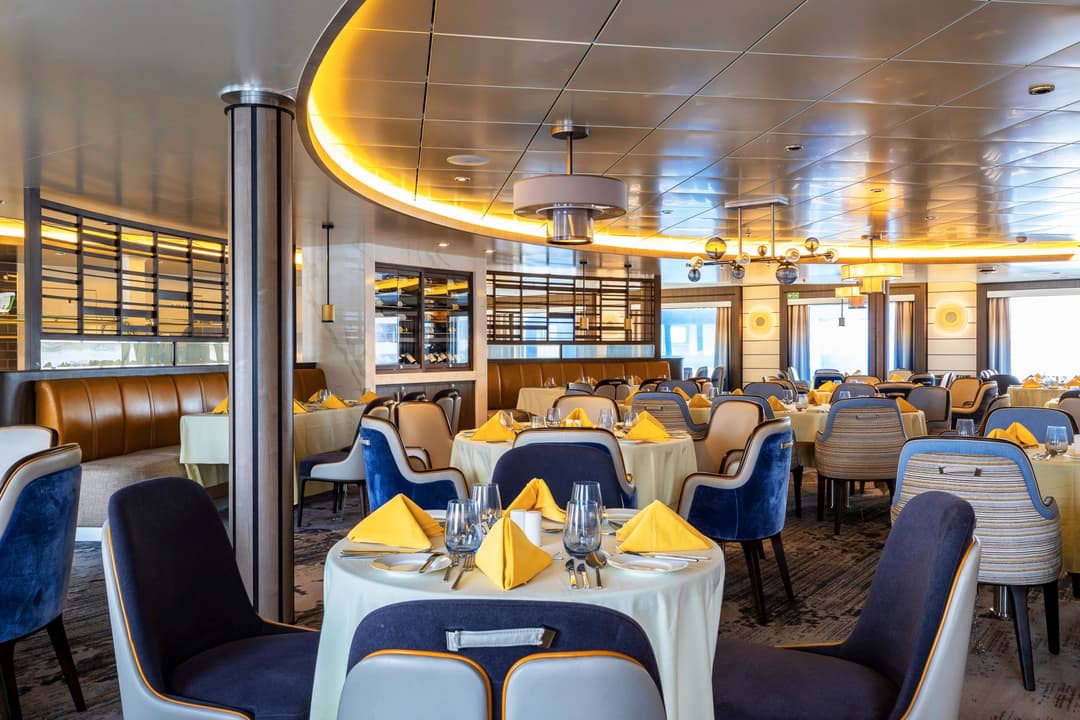
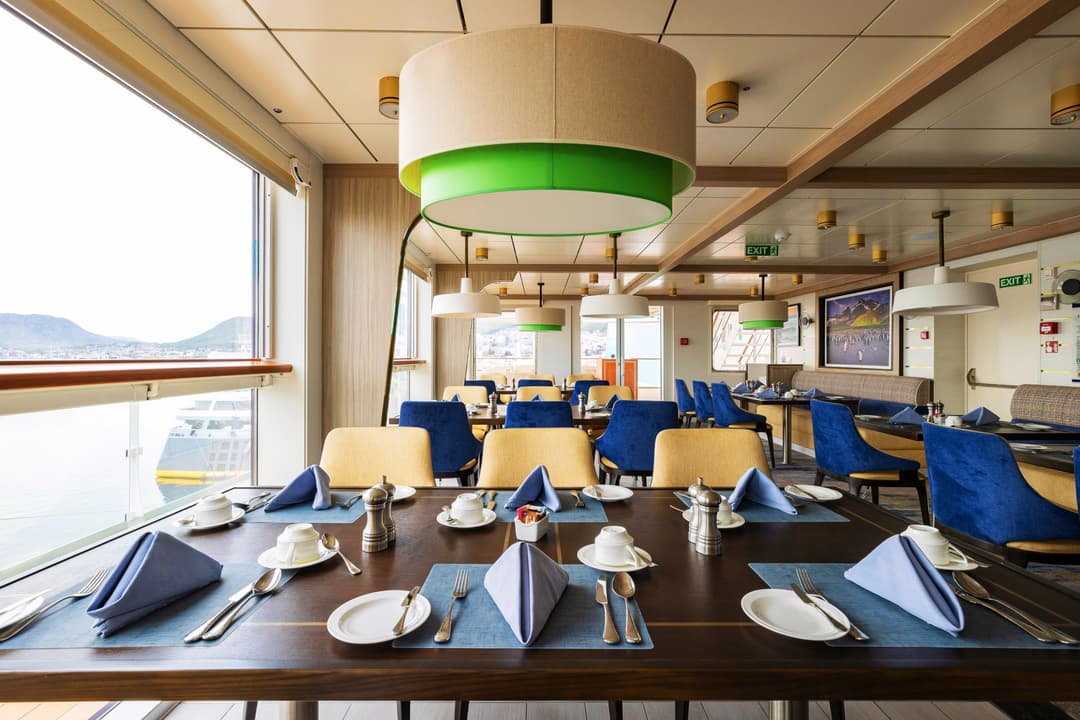
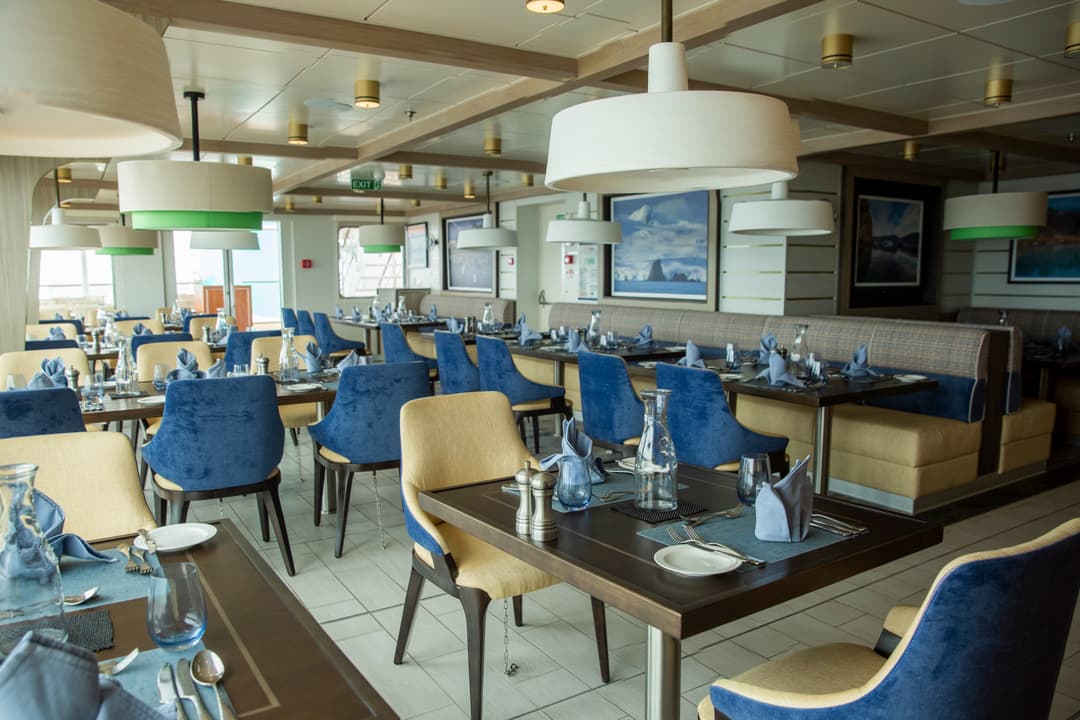
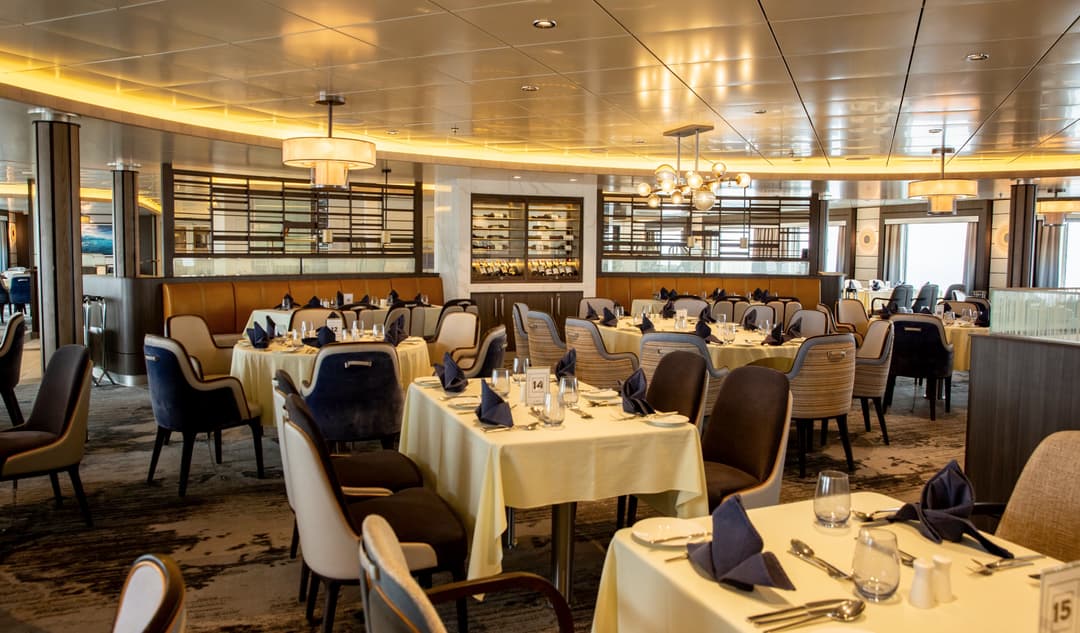
Whatever adventures the day holds, you will be fuelled-up with hearty meals and delicious morning and afternoon teas cooked by our onboard chefs.
Meals are a great time to soak up the expedition camaraderie in our open seating dining area. Share stories with your fellow travellers and ask our expedition team questions that may have come up during the day.
Tea, coffee, and snacks are available 24 hours a day, and our chefs offer dif....
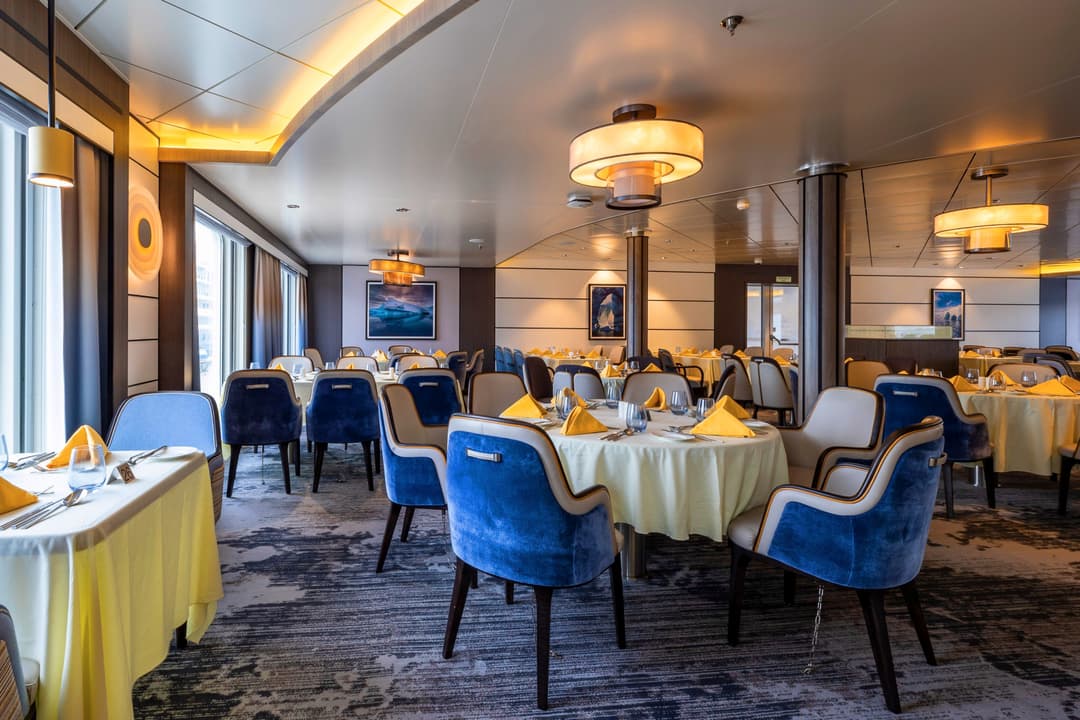
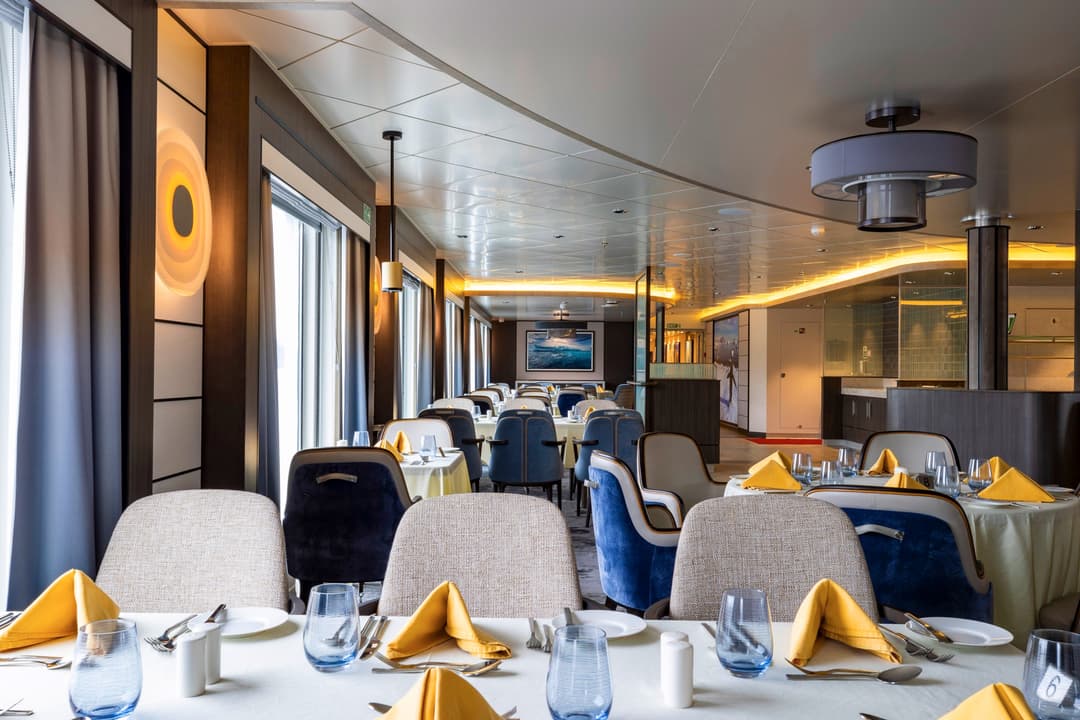
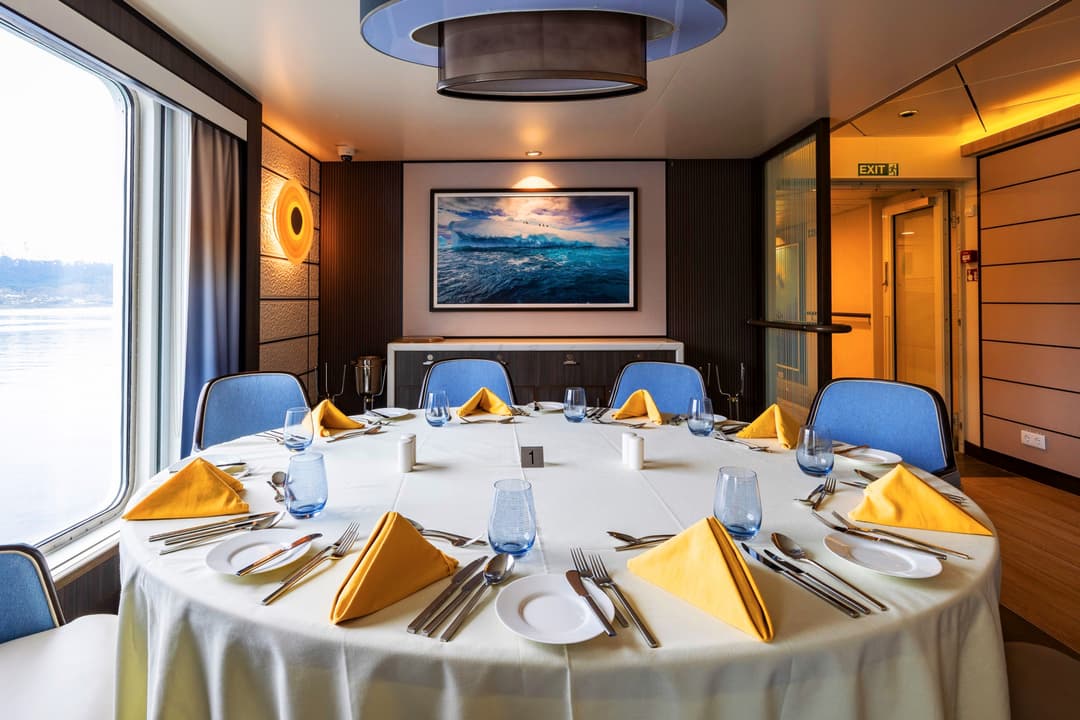
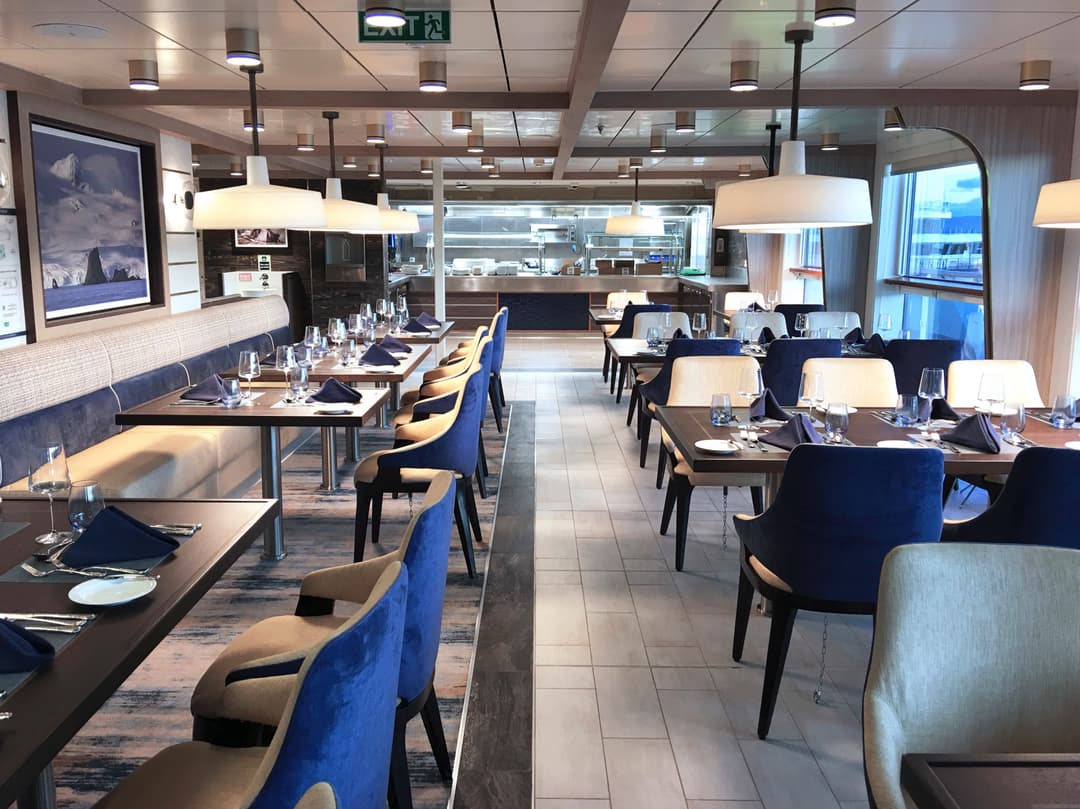
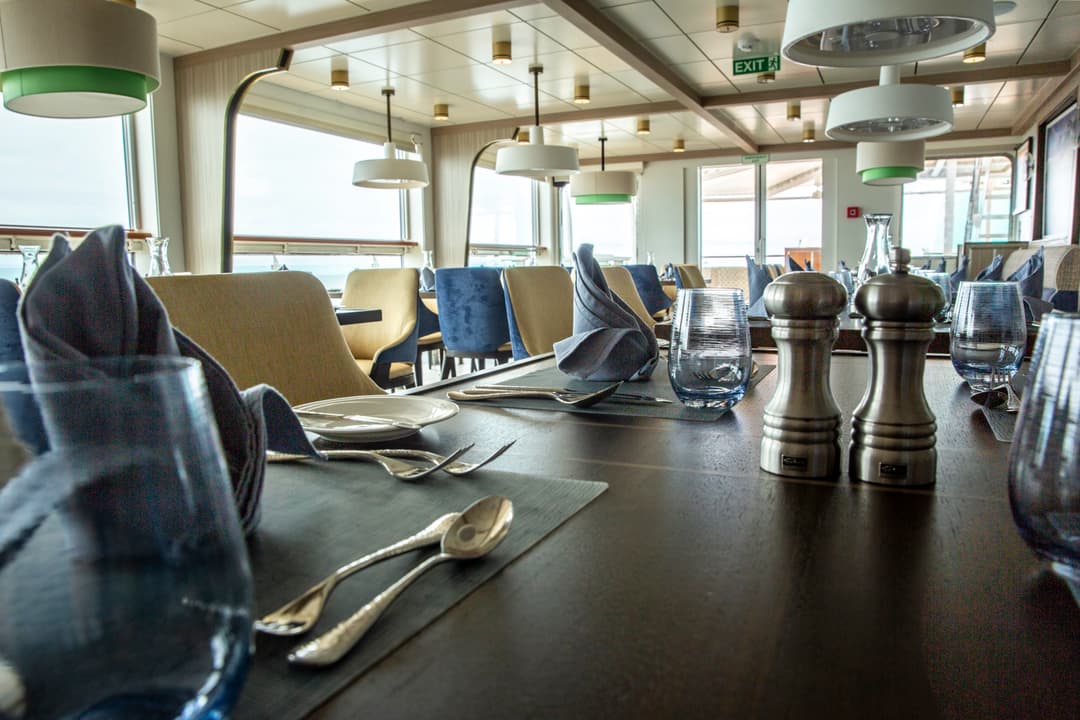
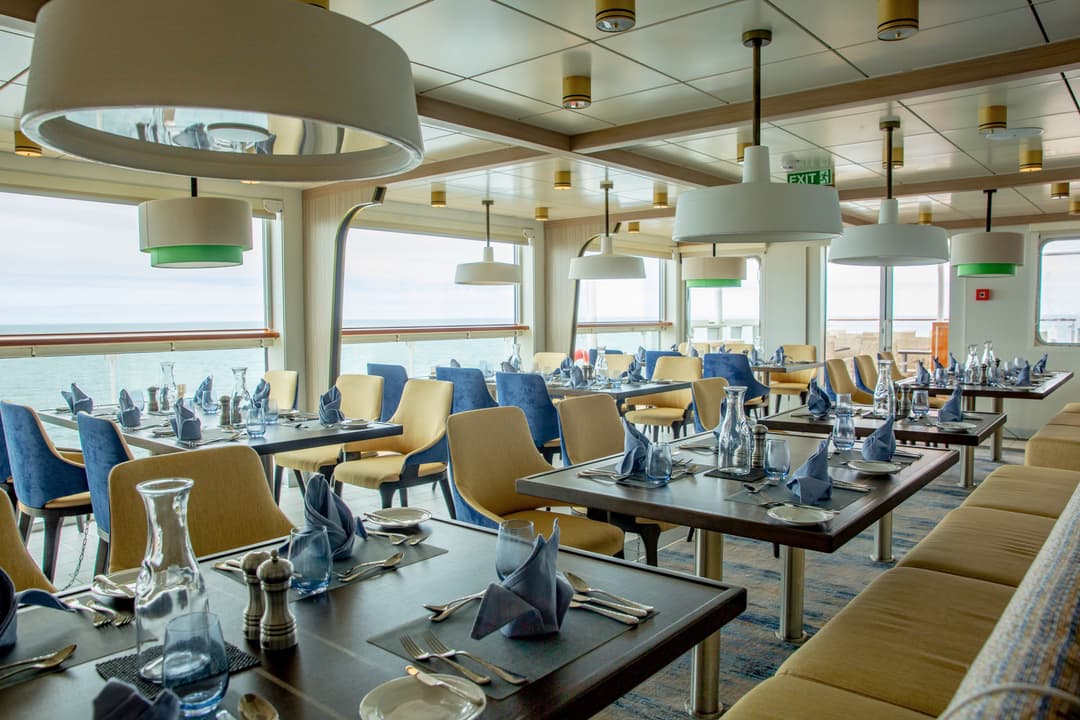
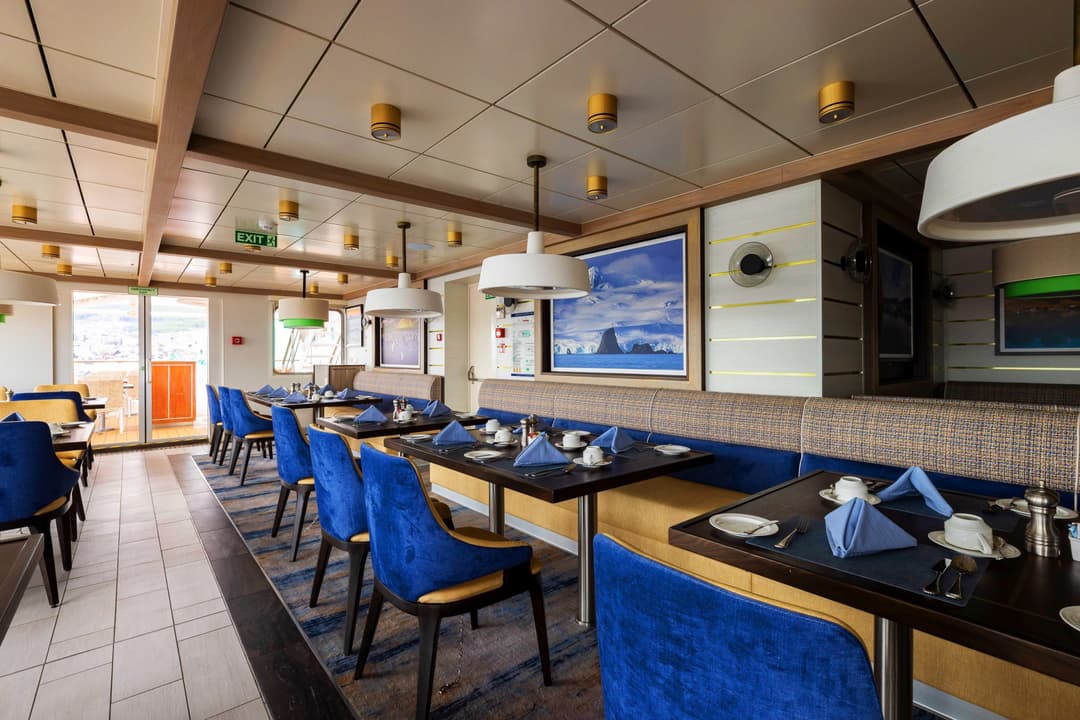
When you’re relaxing during a sea day or you have a little downtime on the ship between excursions, what is there to do onboard the Sylvia Earle? Plenty!
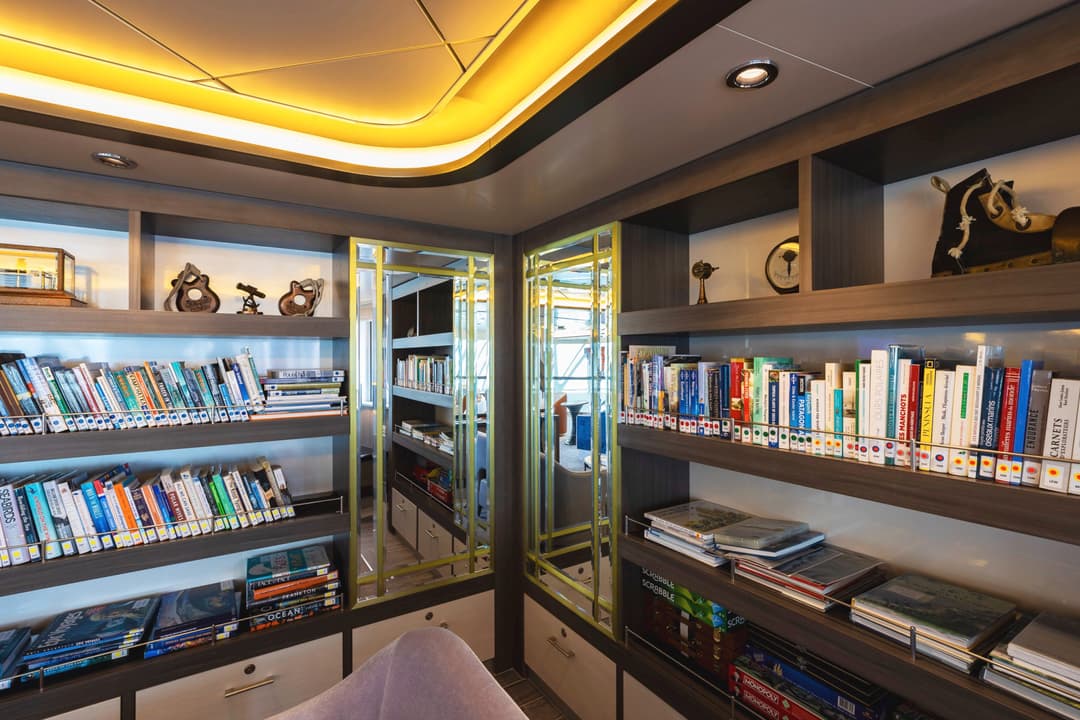
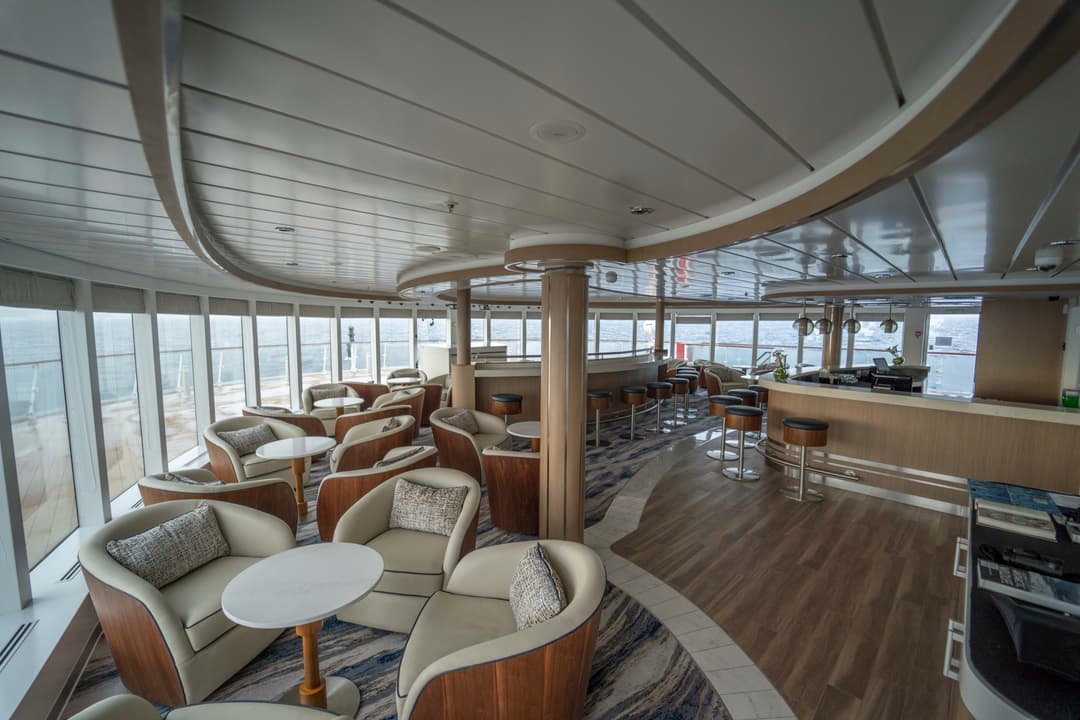
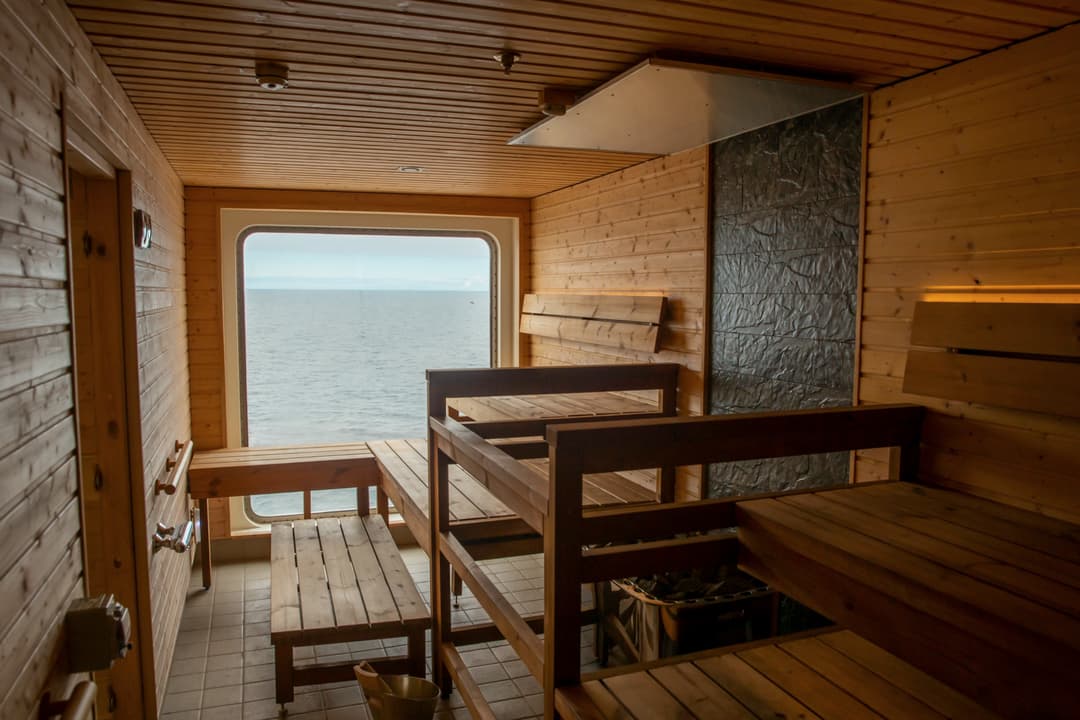
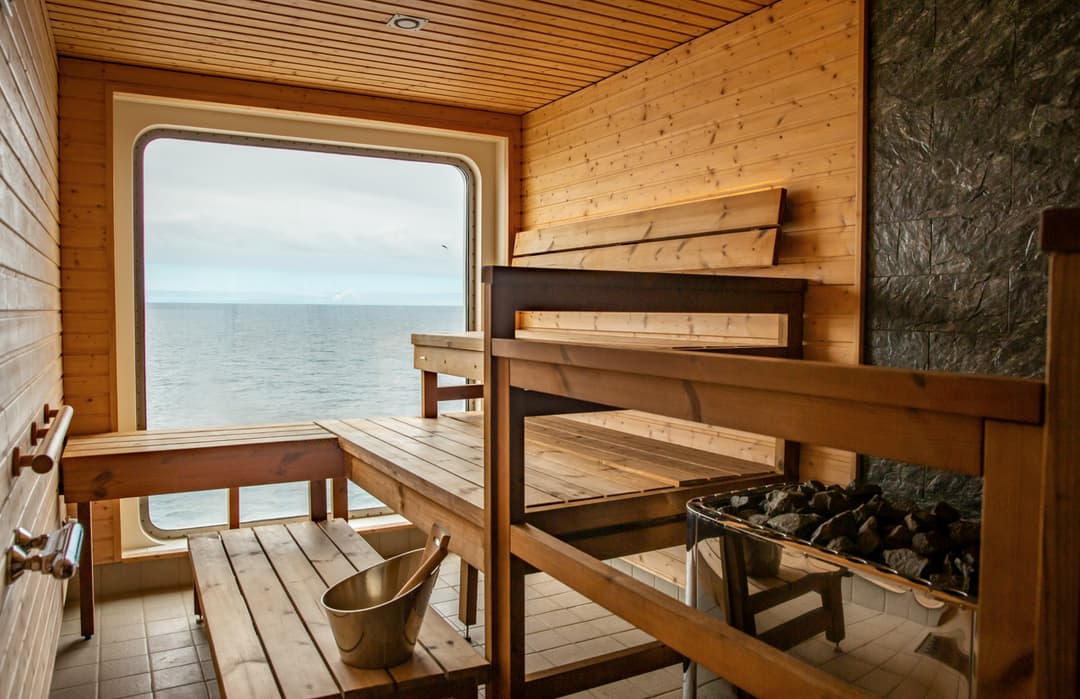
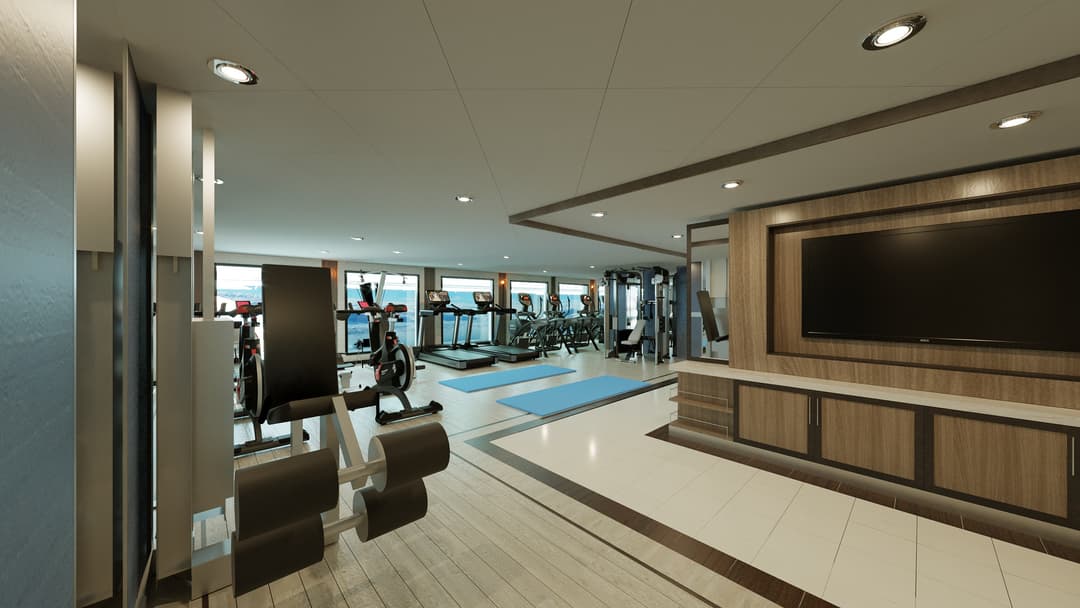
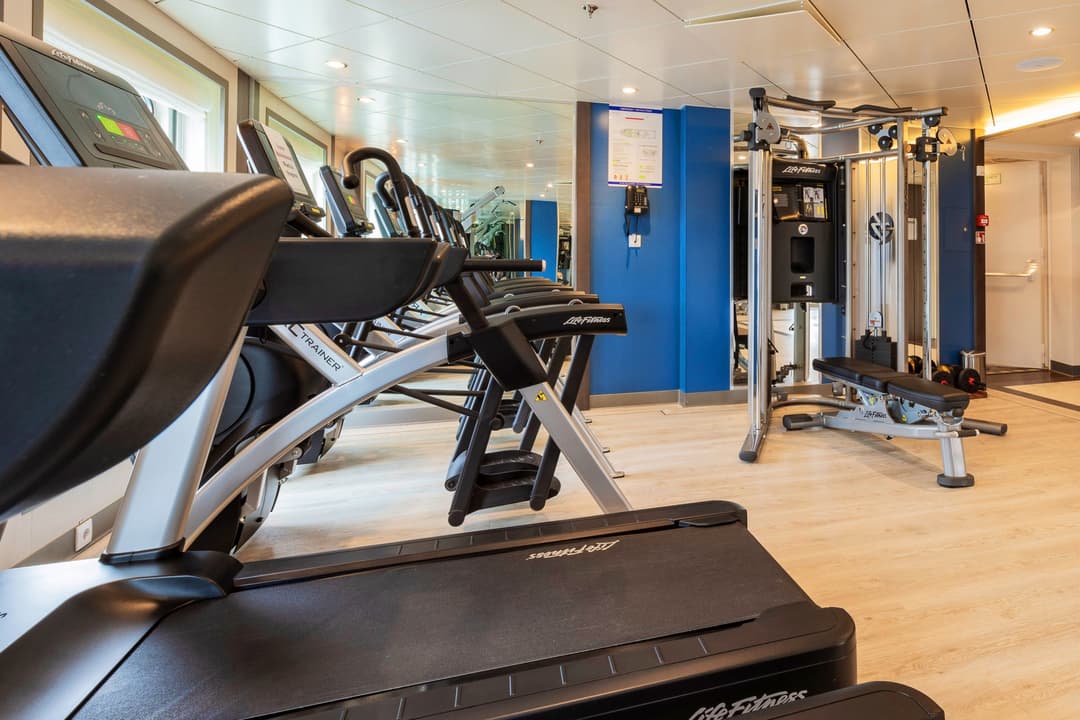
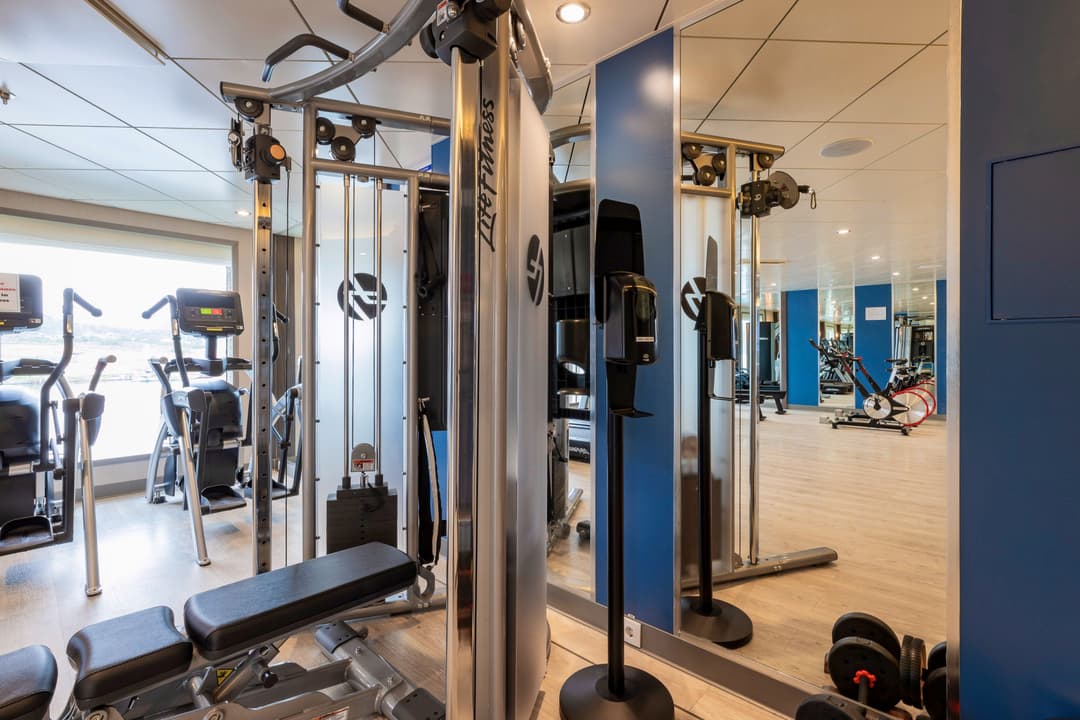
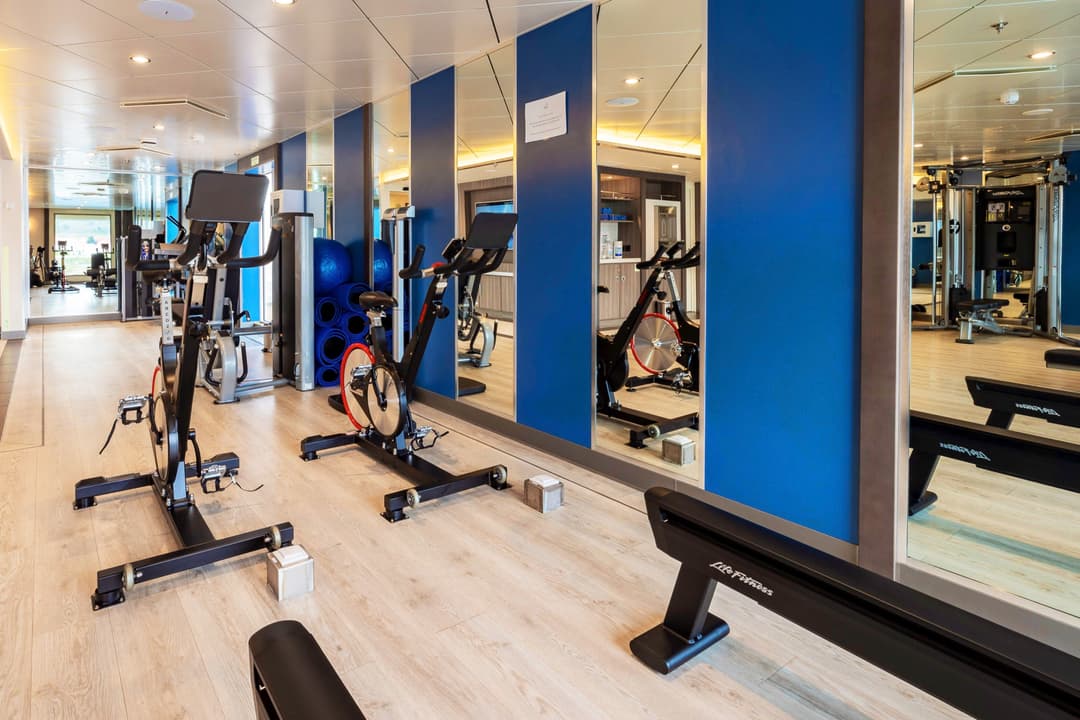
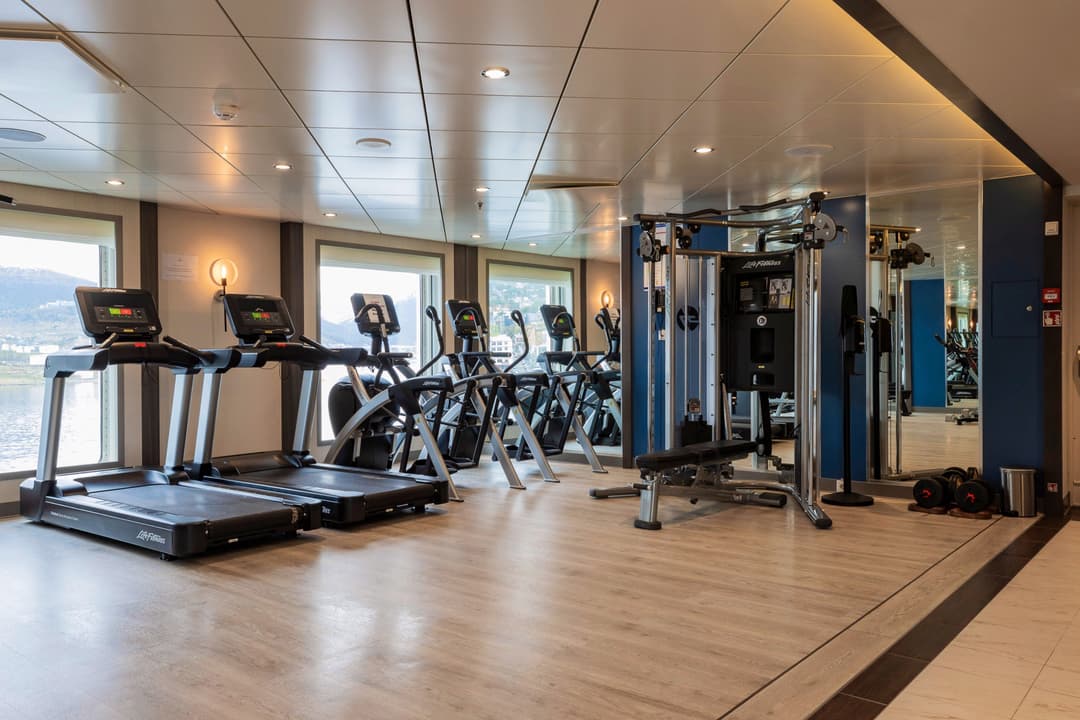
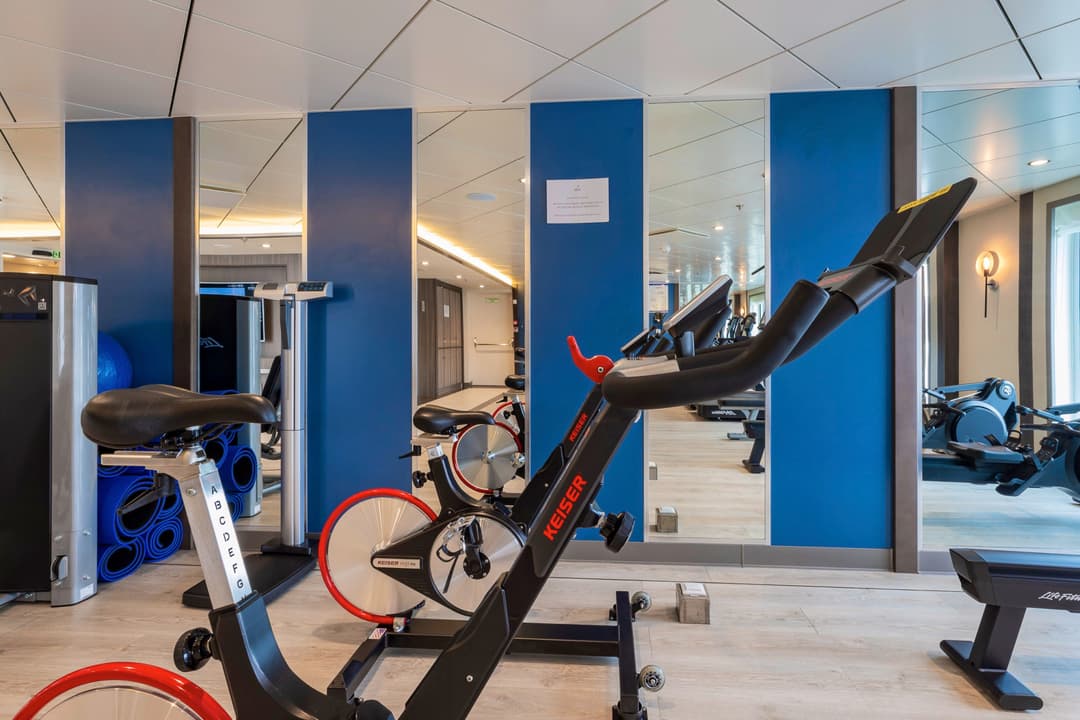
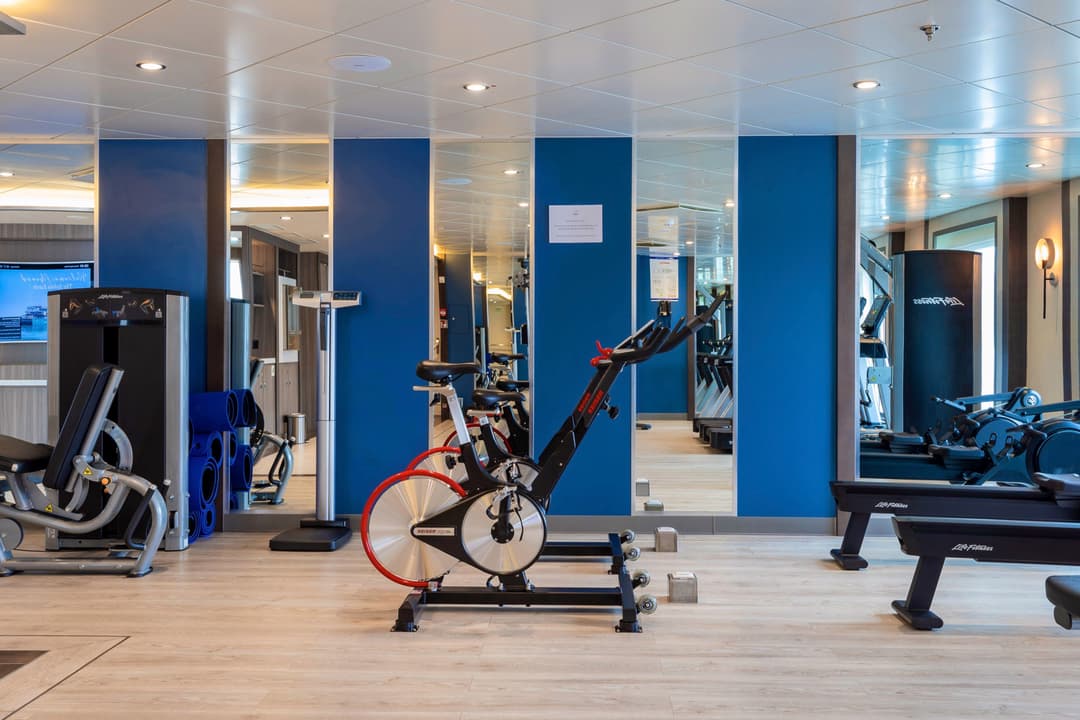
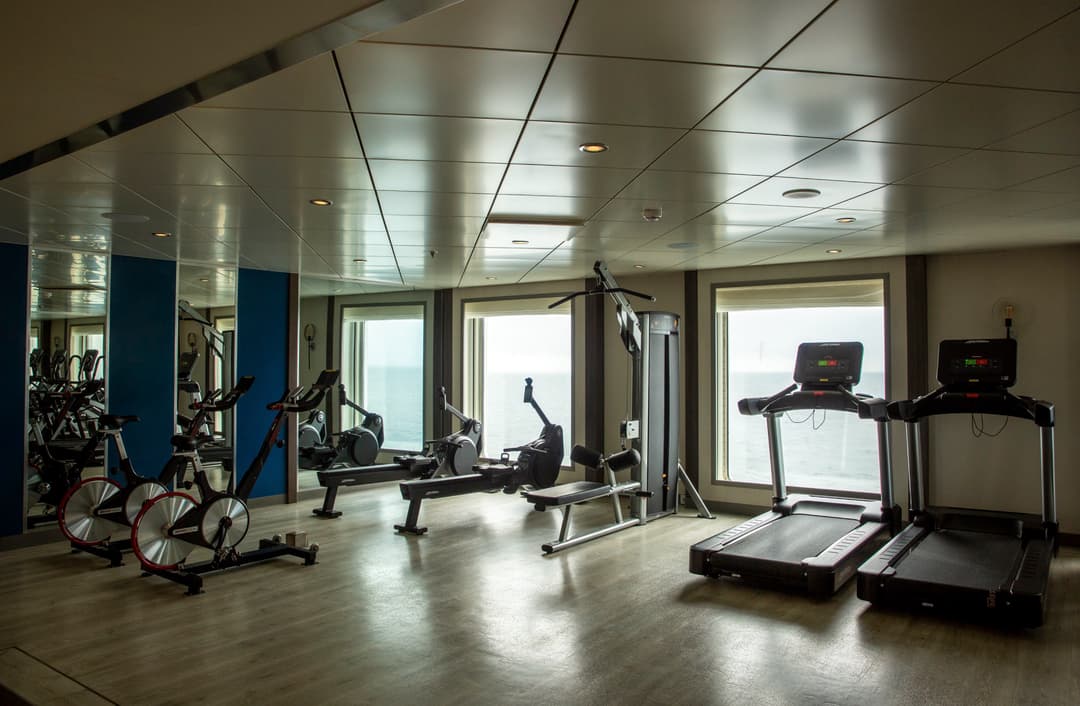
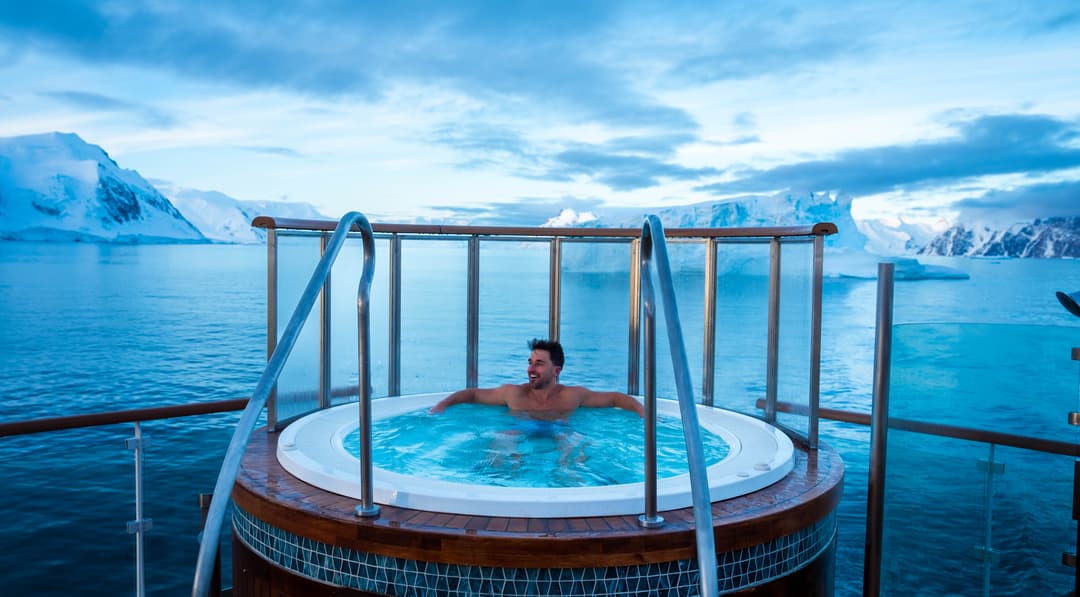
The Sylvia Earle is also decked out with other facilities for your enjoyment. There is a library on Deck 5 with books and maps and a Wellness Centre complete with gym equipment, sauna and spa. Feeling a little sore after walking around all day? Treat yourself to a massage at the Wellness Centre and feels the aches disappear!
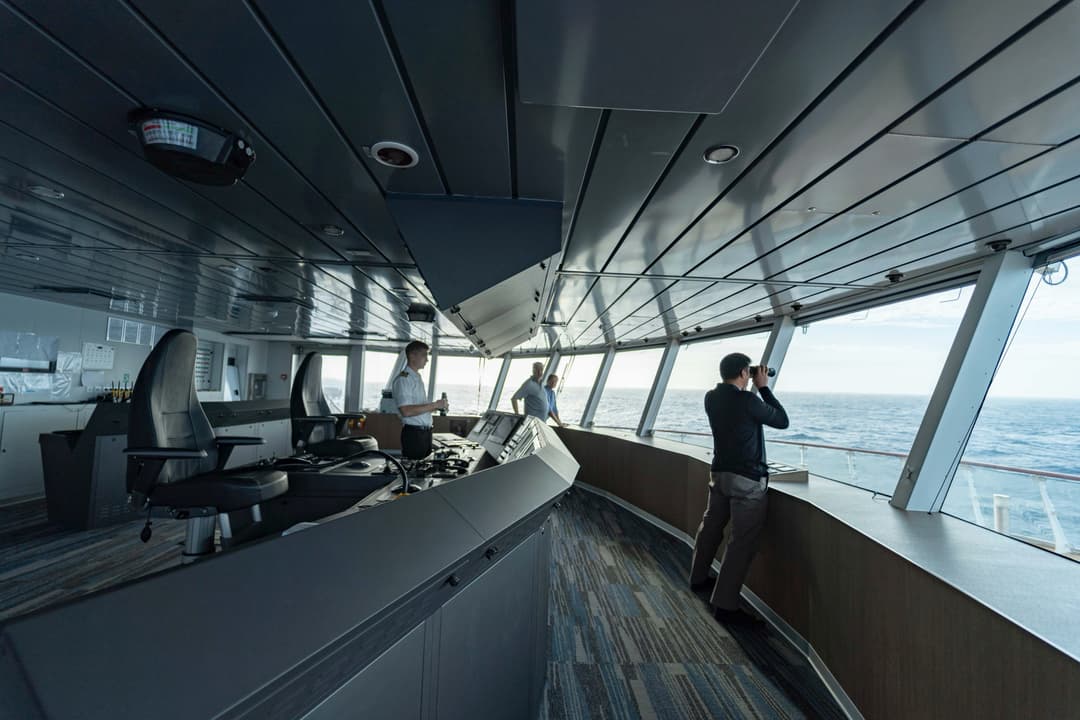
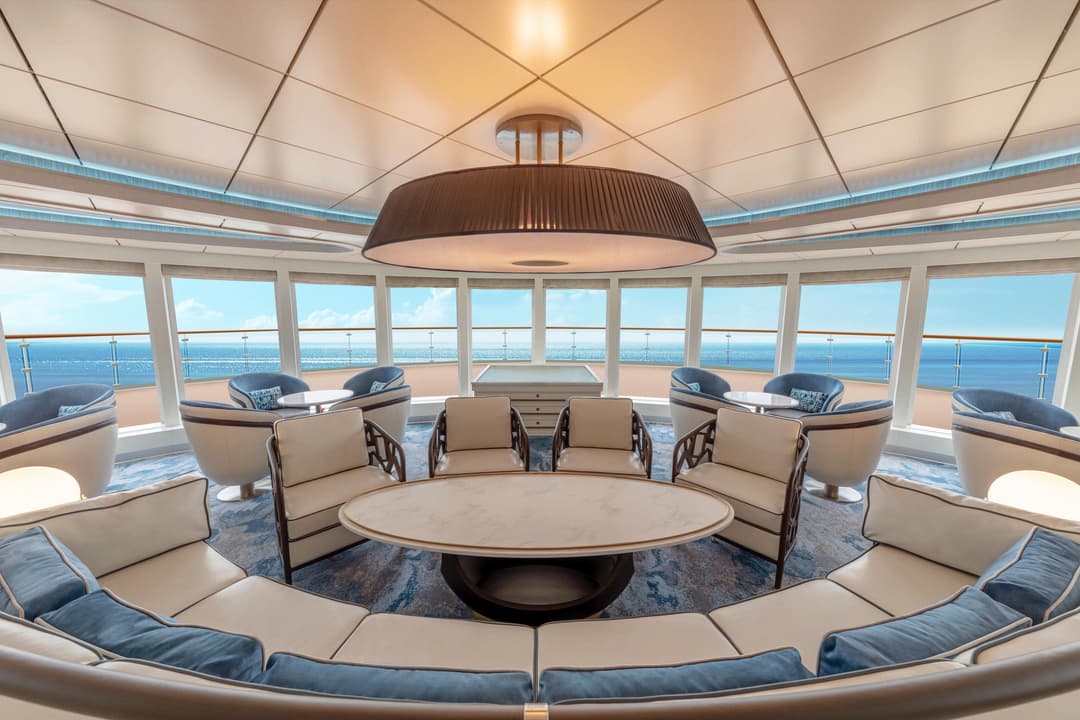
Let's face it – you don't want windowless rooms when travelling around some of the most beautiful locations around the world. This is why the Sylvia Earle is designed with plenty of dedicated observation spaces – ideal for keen bird spotters, wildlife watchers and those wanting to watch the scenery go past.
From the indoor 180-degree lounge and outdoor 360-degree open deck, both on deck 8, to the 270-degree open sundeck on level 7, there....

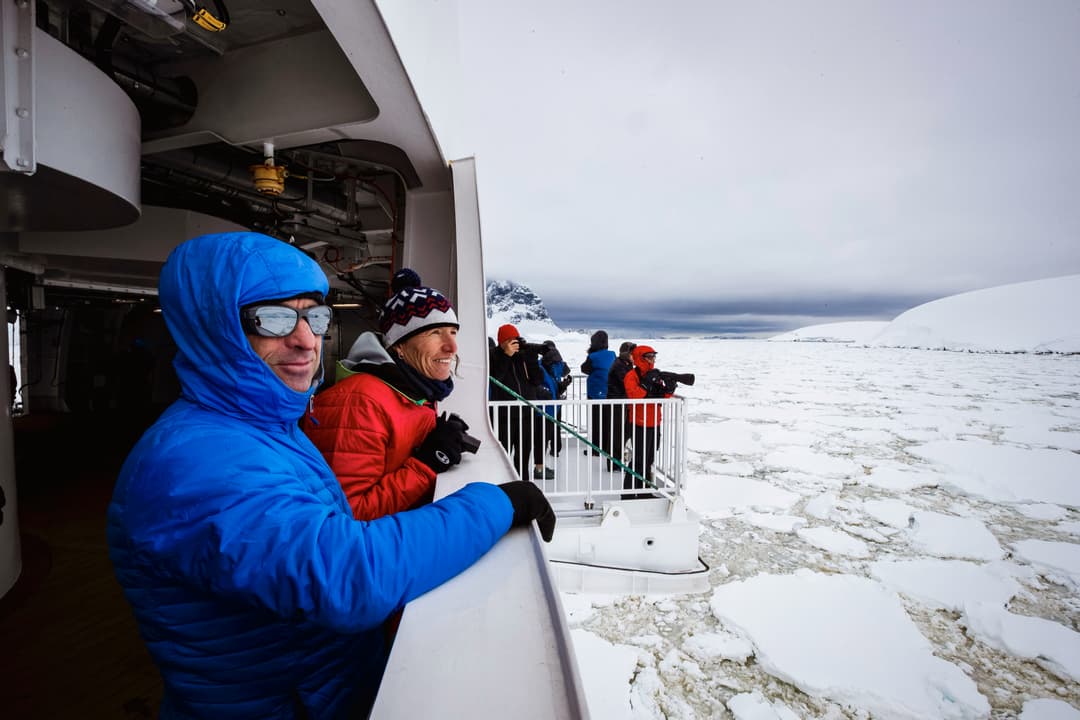
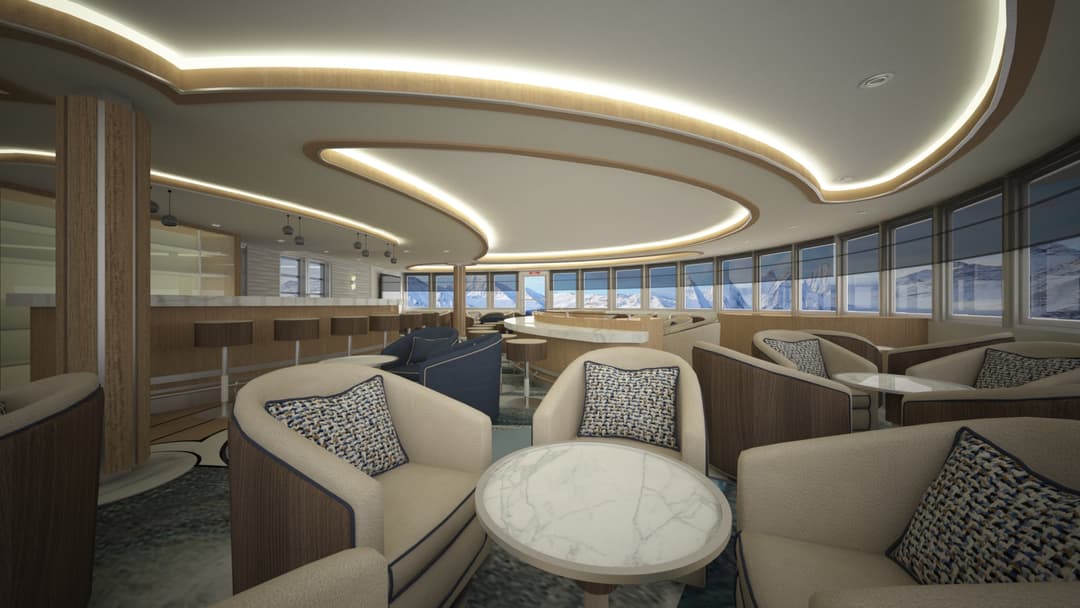
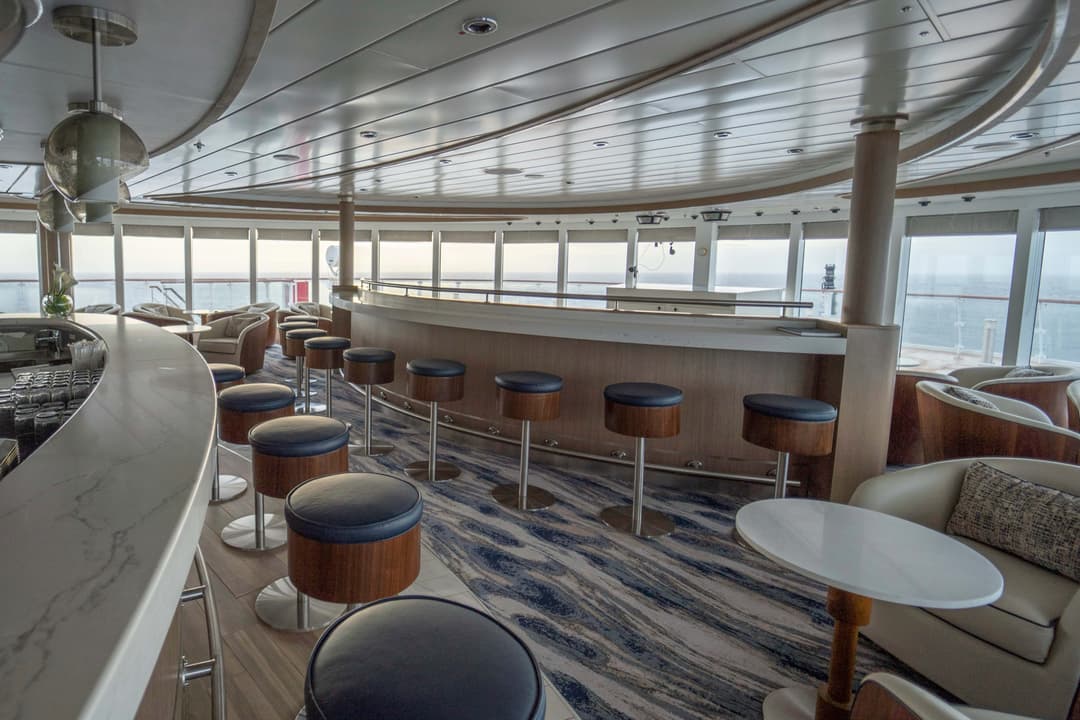
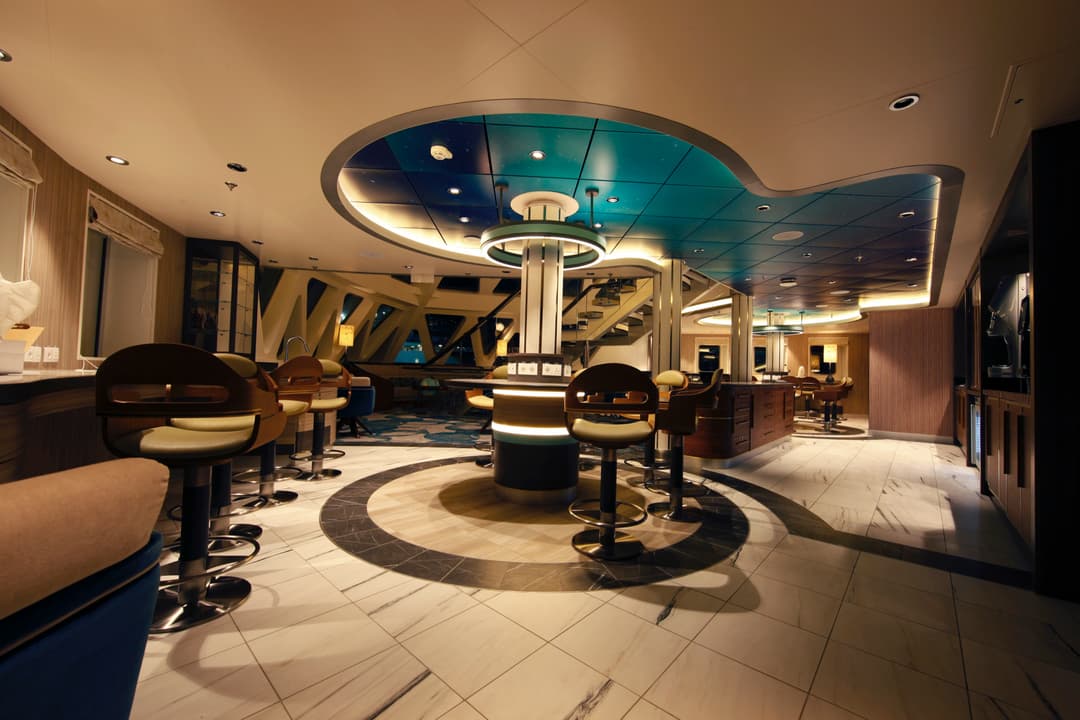
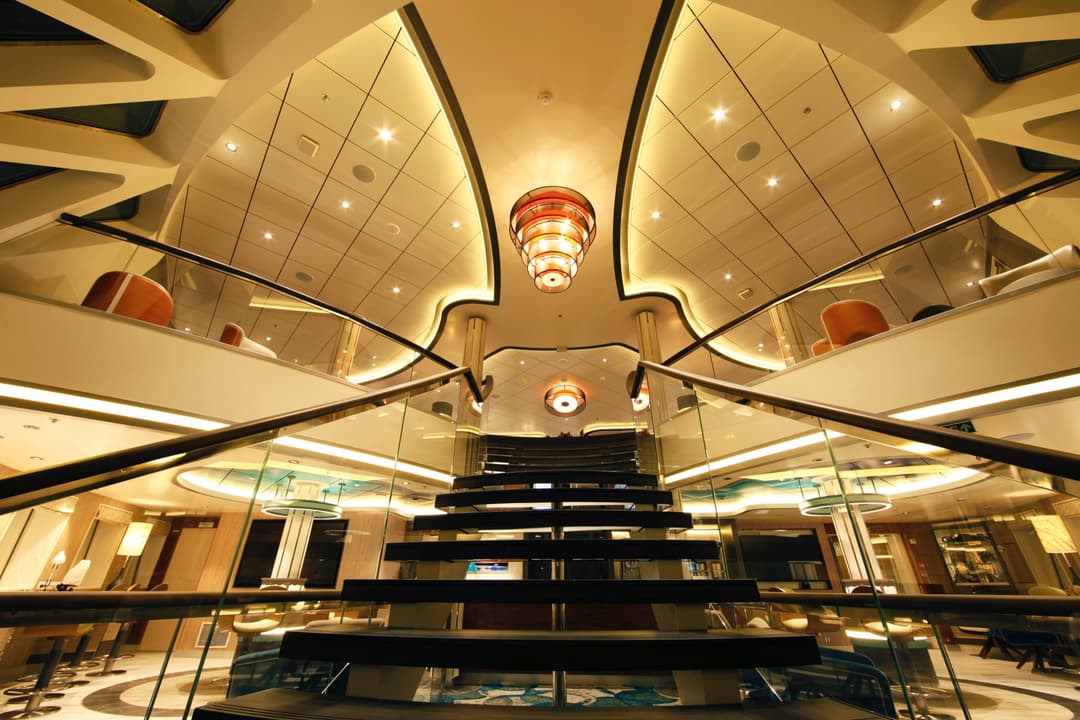
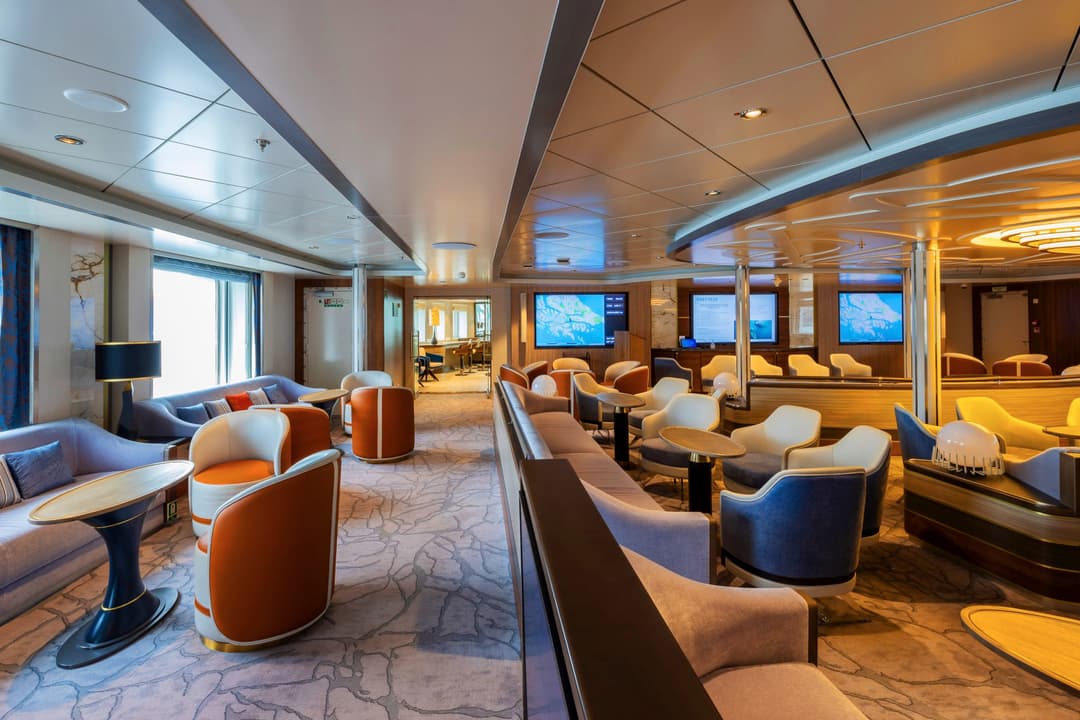
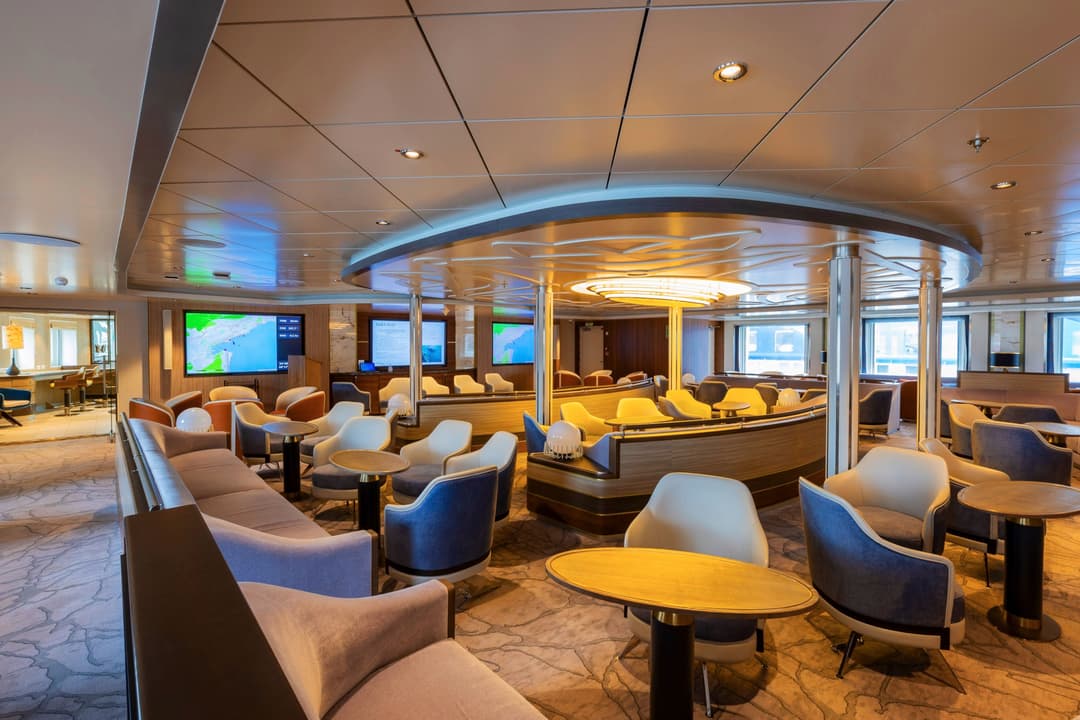
Communal meeting areas have always played a major role in fostering the warm camaraderie on board our ships. They are the heart of the expedition, where people meet to share tales from the day, swap photos, keep an eye out for wildlife and watch the sun go down.
The bars and lounges on board are refined yet inviting places to gather, with floor-to-ceiling windows offering stunning views, and of course friendly bartenders to shoot the bre....
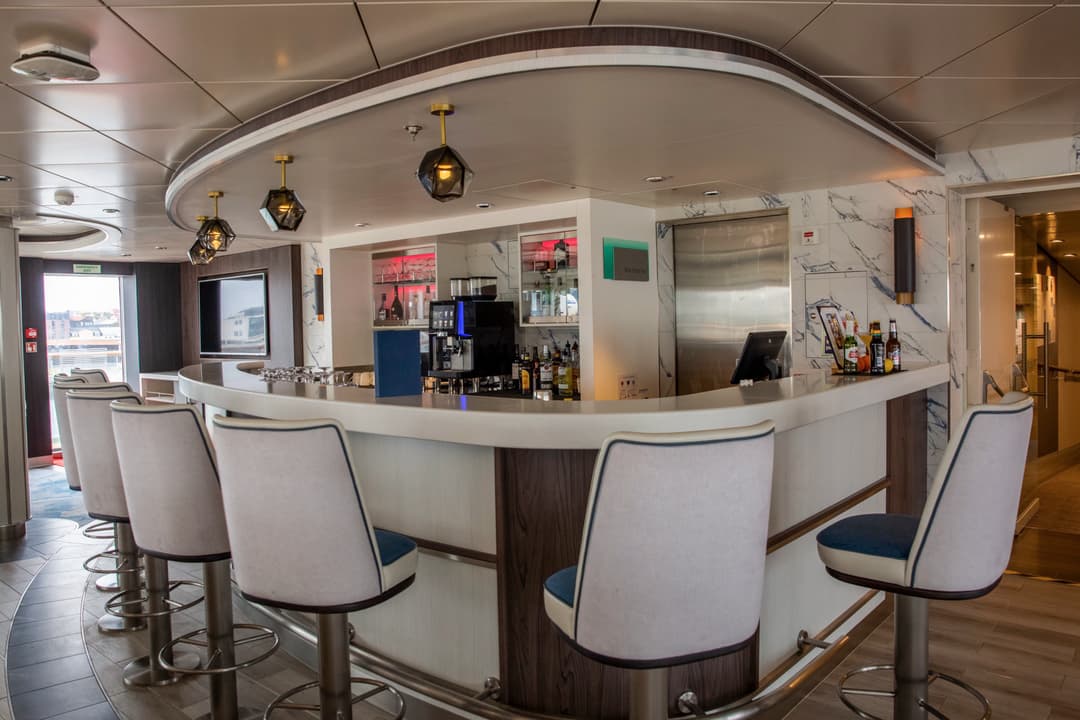
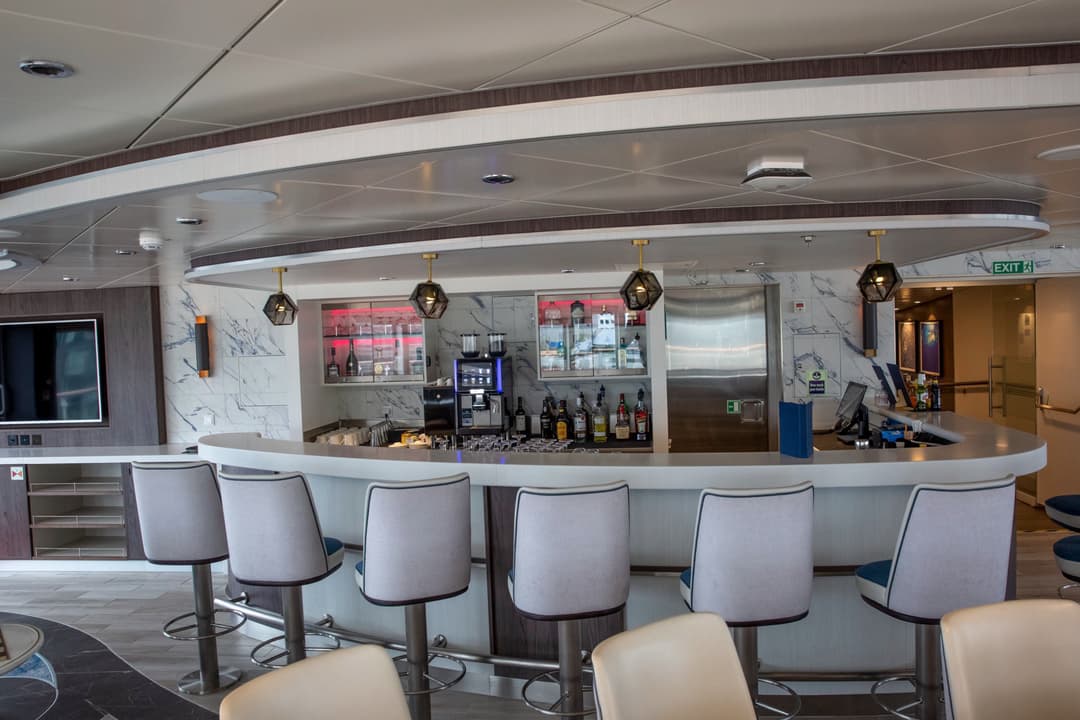
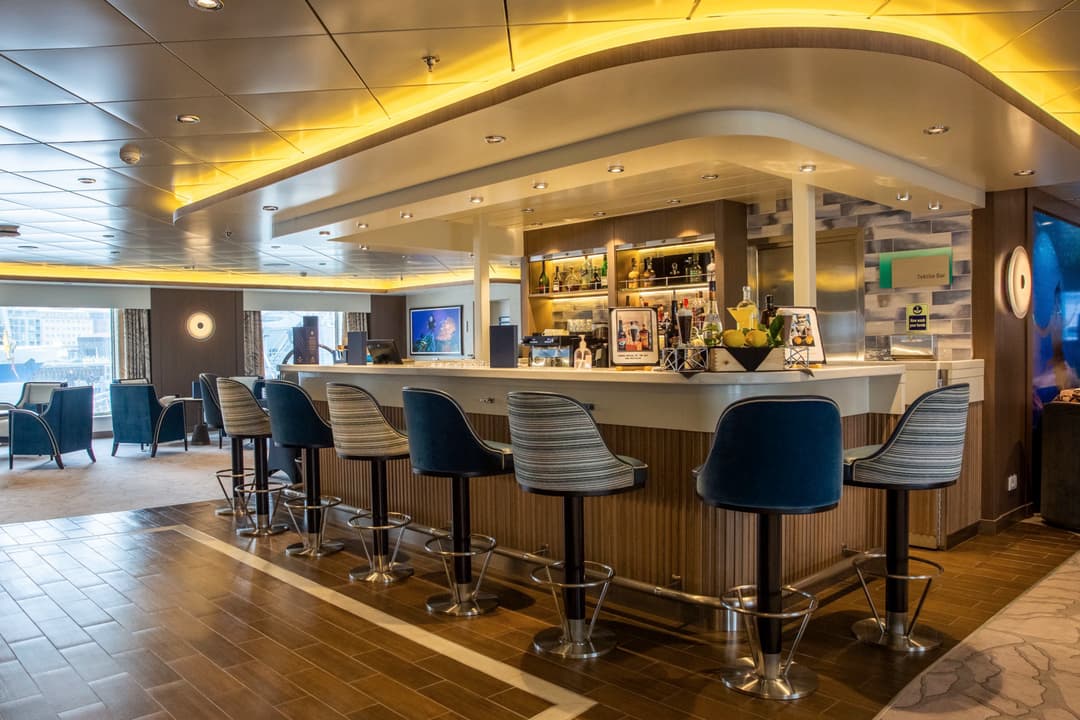
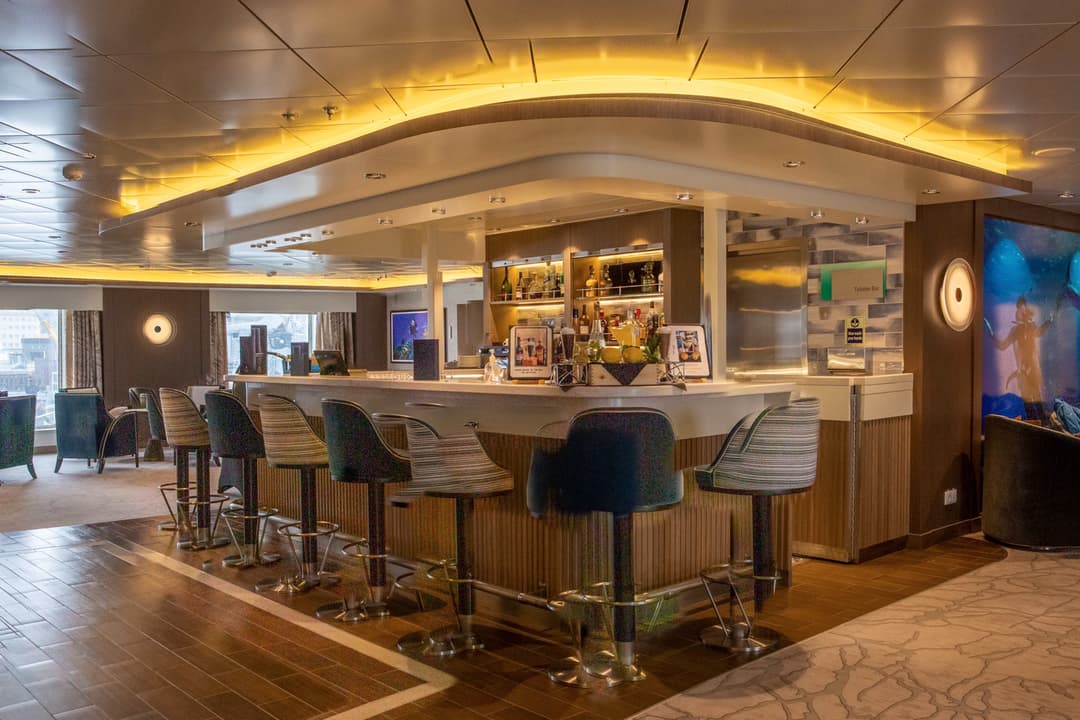
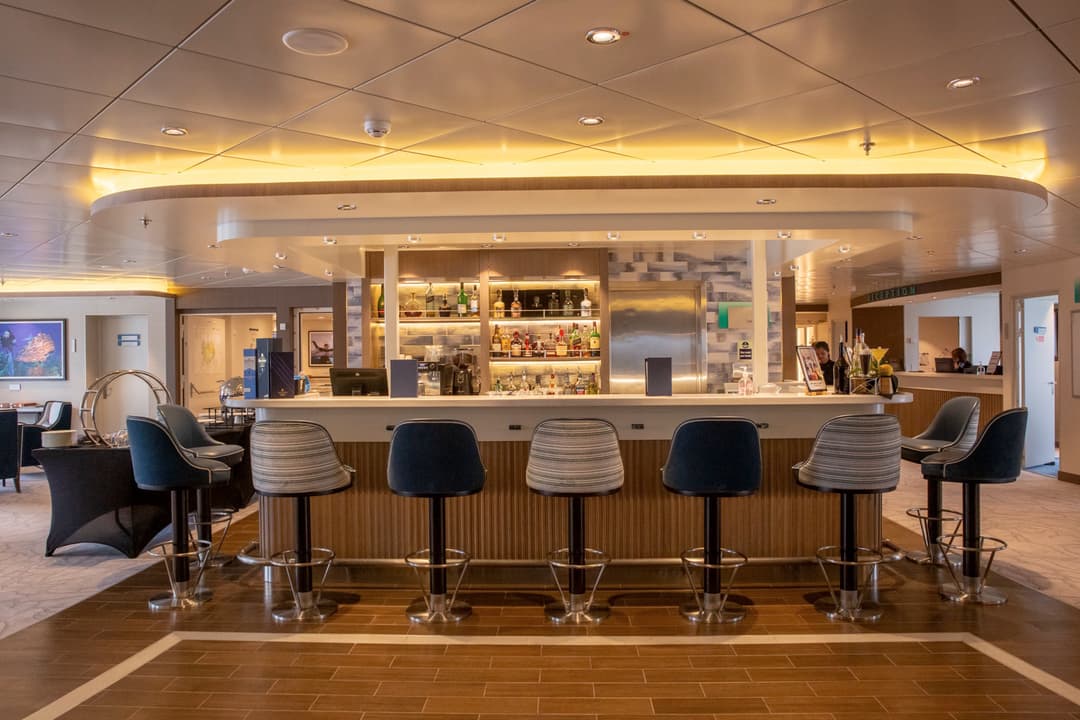
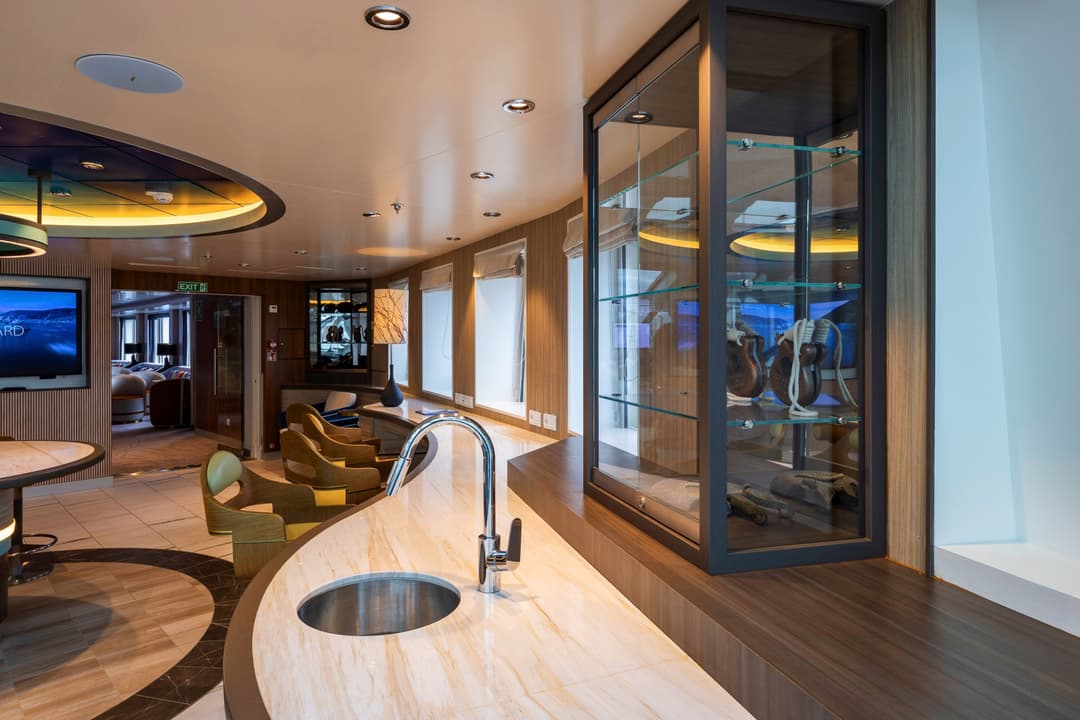
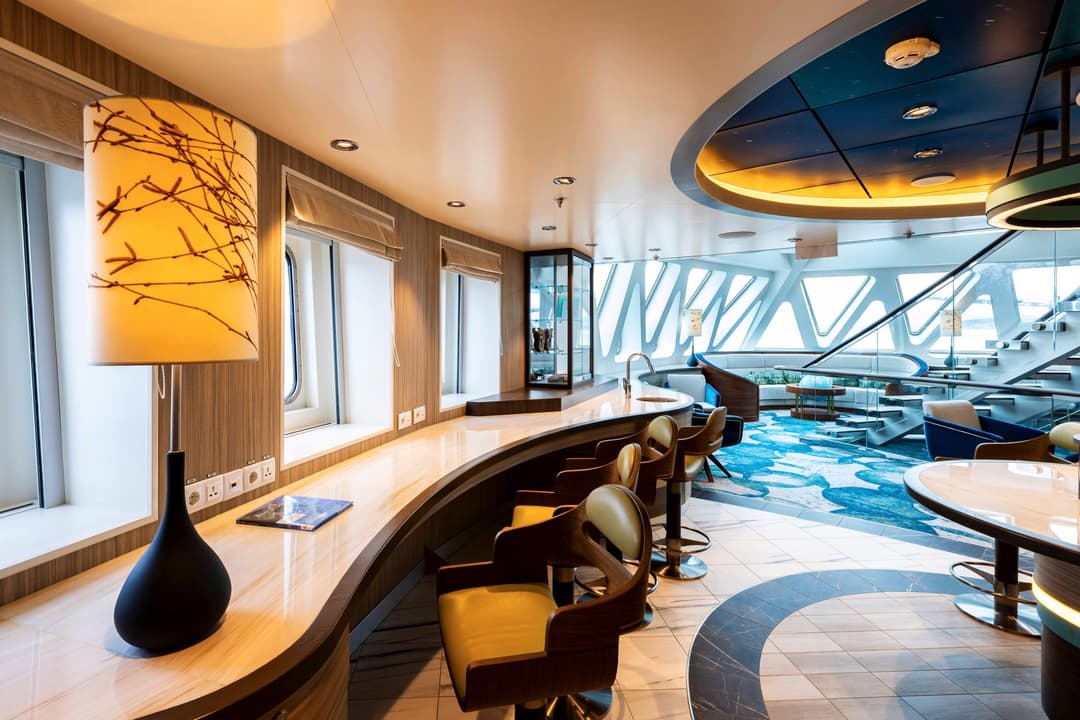
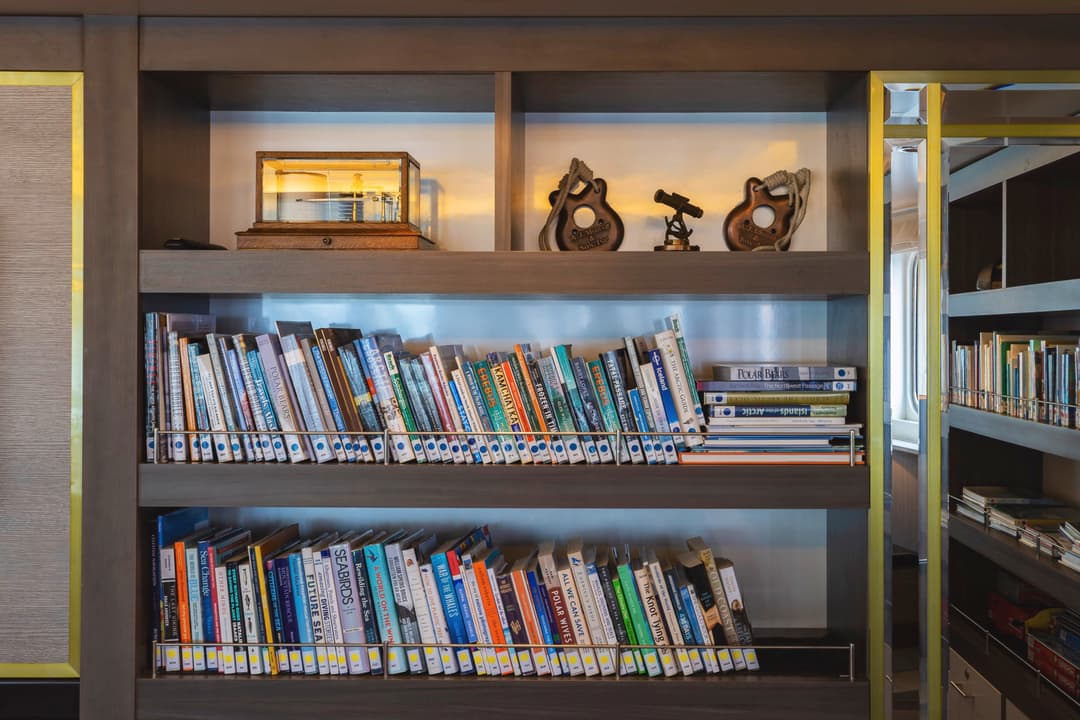
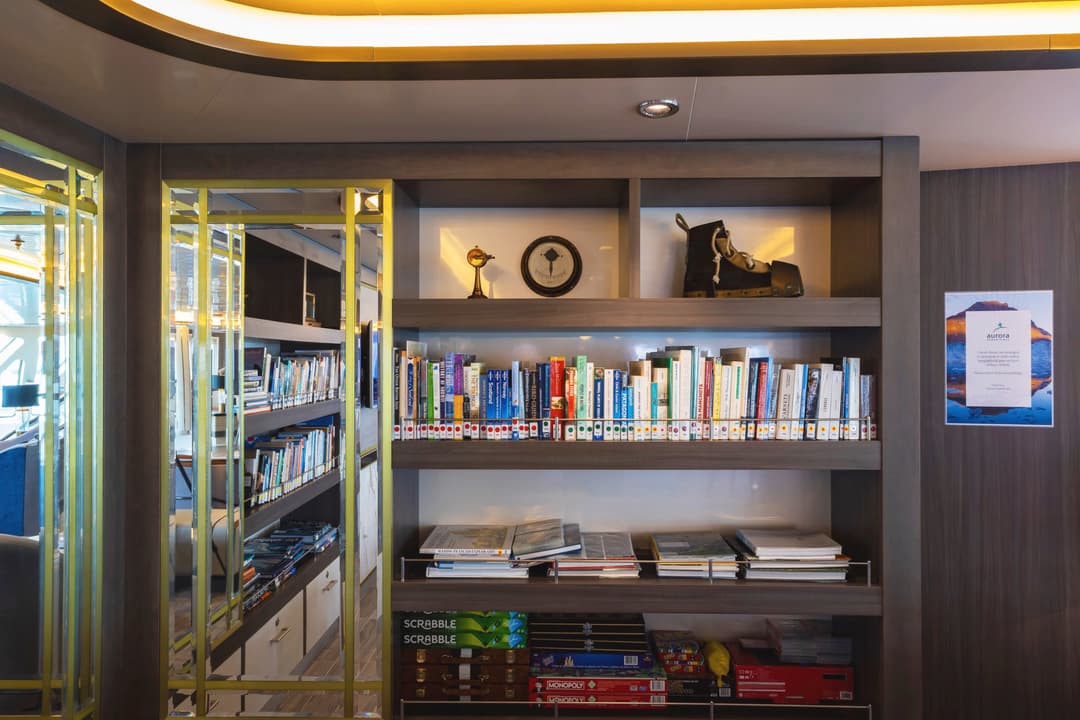
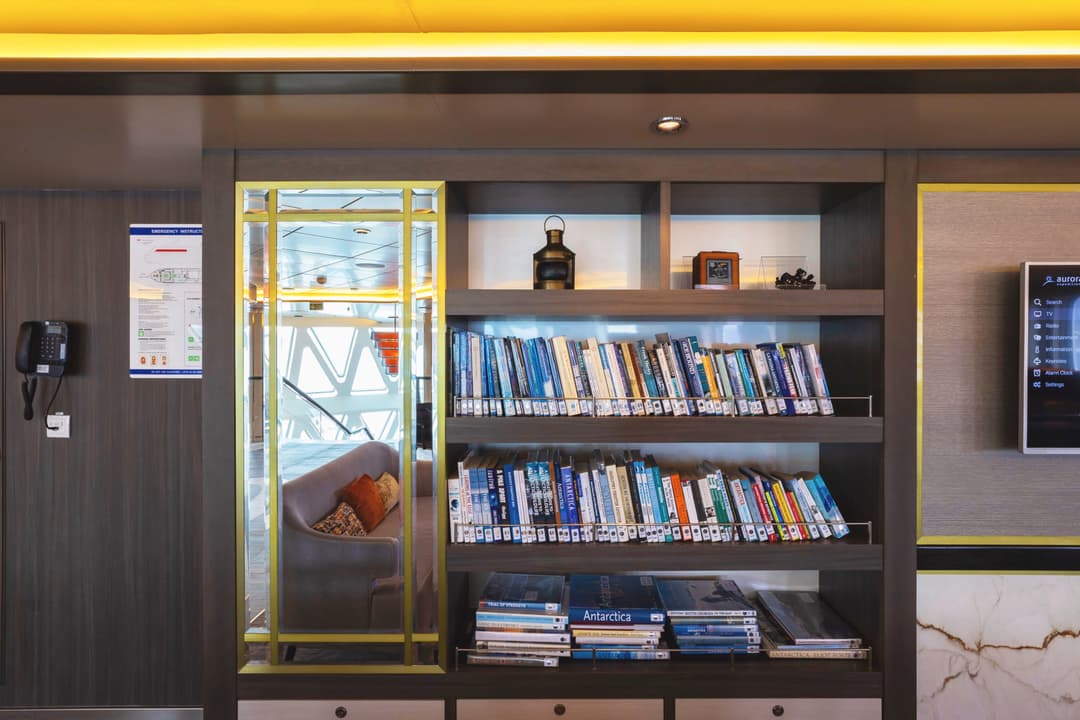
With floor-to-ceiling windows, the library is a peaceful sanctuary where you can find non-fiction books to read up on the day’s destinations, plug in and organise your photos or play board games with newfound friends.
Choose from our range of informative non-fiction titles, wildlife guidebooks, travel journals, novels and a selection of children’s books and board games.
Wildlife guides, books and binoculars can also be found on the....
There is a Wellness Centre complete with gym equipment, sauna and spa. Feeling a little sore after walking around all day? Treat yourself to a massage∘ at the Wellness Centre and feels the aches disappear!
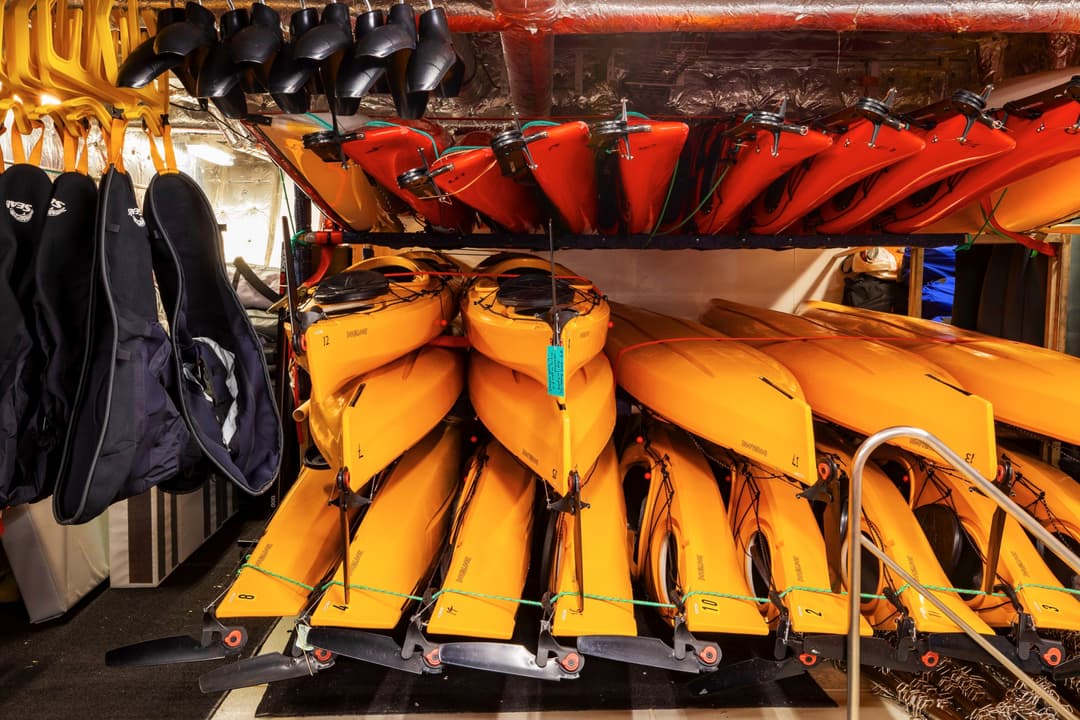
One of the great benefits of travelling with AE Expeditions is the number of optional activities that you can participate in. From kayaking and skiing to diving and climbing, these are one-in-a-lifetime opportunities that you need to take advantage of.
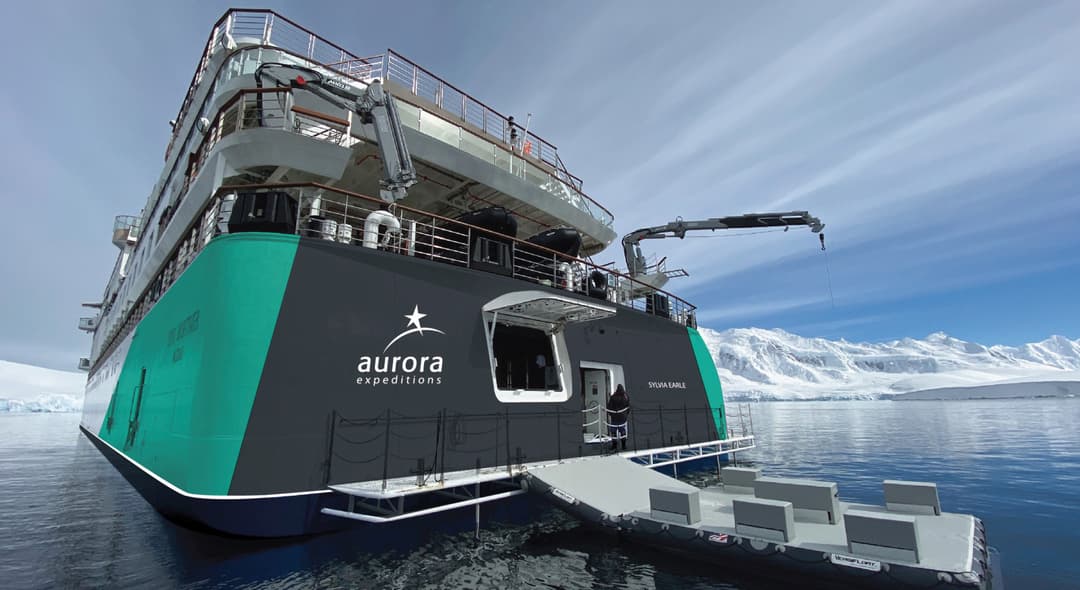
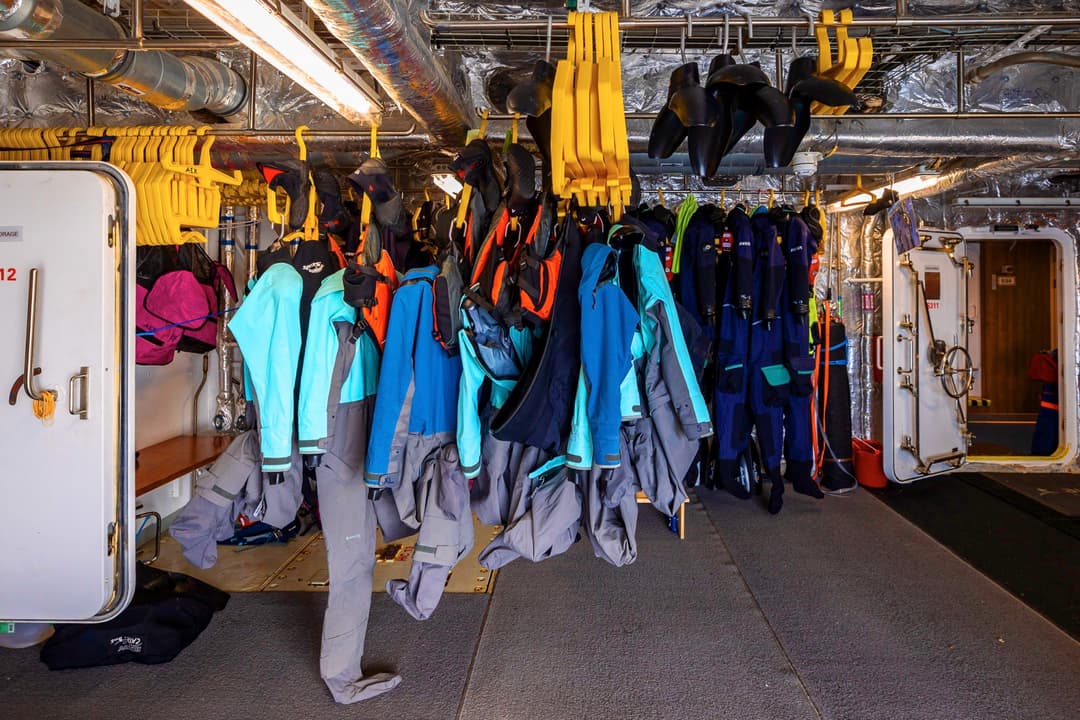
Aboard the Sylvia Earle there is a specially designed launching platform for all activities, a concept overseen by our activity experts. This area also includes individual lockers in the expansive mudroom and rapid drying areas for wetsuits so you can quickly get warm after exploring in the elements!
Loading...
Travel is always the best educator and we offer the chance to enrich your curiosity and expand your knowledge and understanding of the places we travel to. There is no better learning opportunity than being in the field with subject matter experts.
Our Citizen Science Program is designed to be an interactive forum of like-minded travellers to share new discoveries and deepen their connection to the natural world in a relaxed, informal an....
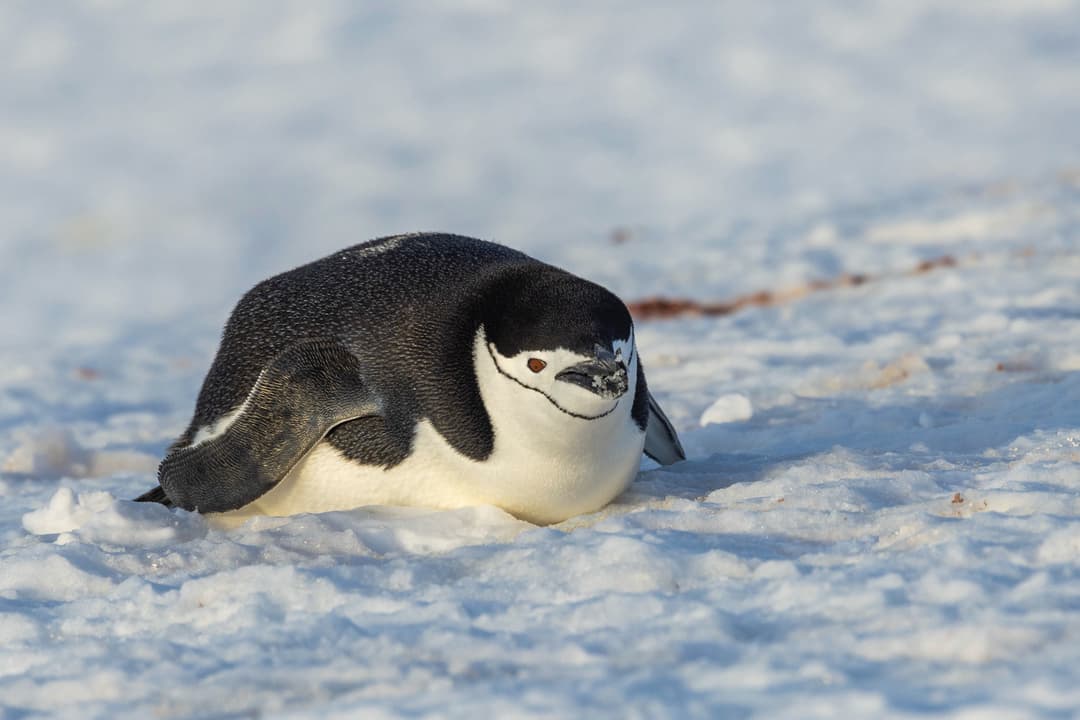
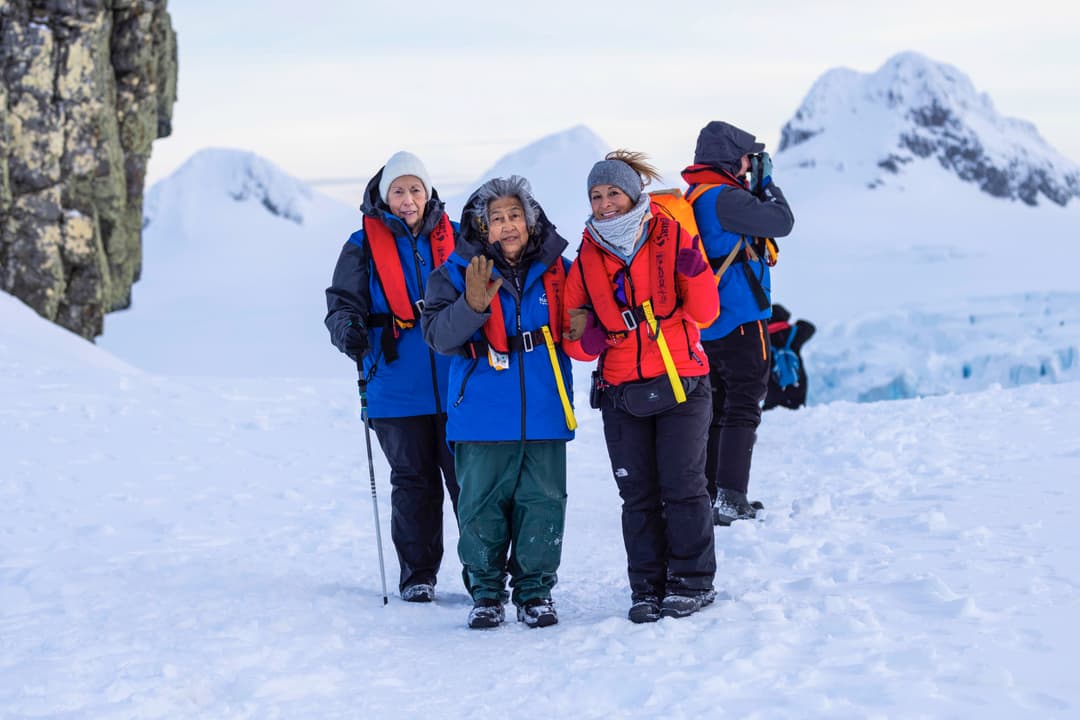
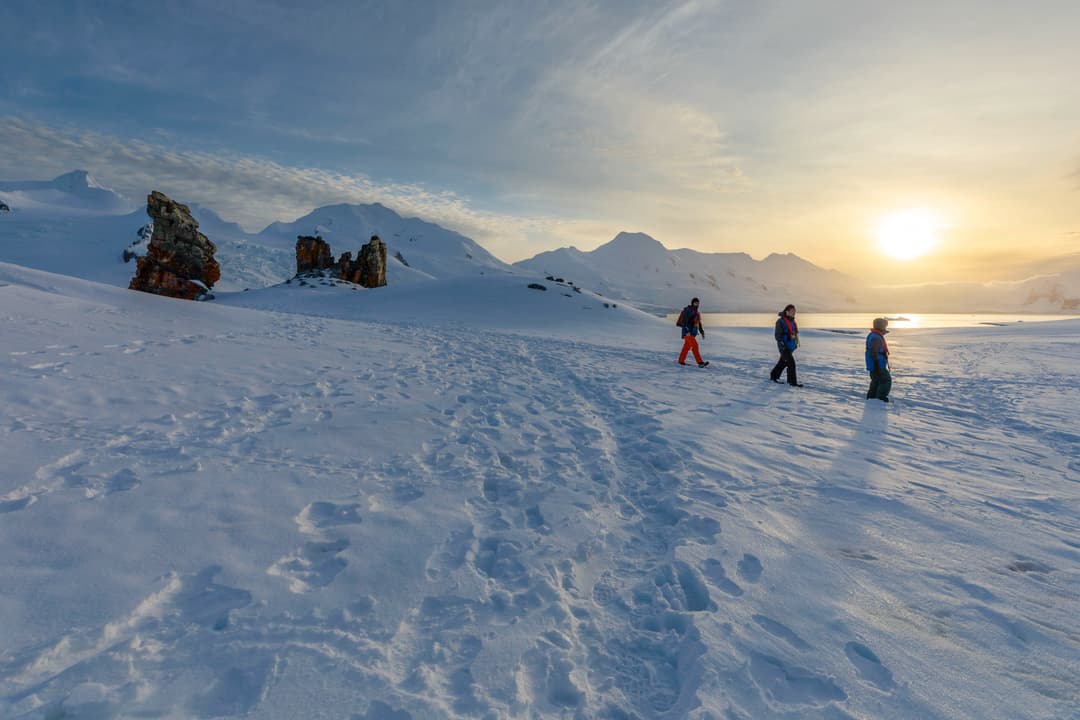
Although the ship is fun, the real enjoyment comes from the many shore excursions that are available. Depending on weather conditions, it may be possible for multiple landings, taking a look at everything from rock formations and ancient ruins to cute groups of penguins. We know time is of the essence in these wild locations, so the Sylvia Earle has been designed to carry 15 Zodiacs, which means you can maximise your time on shore.
From ....
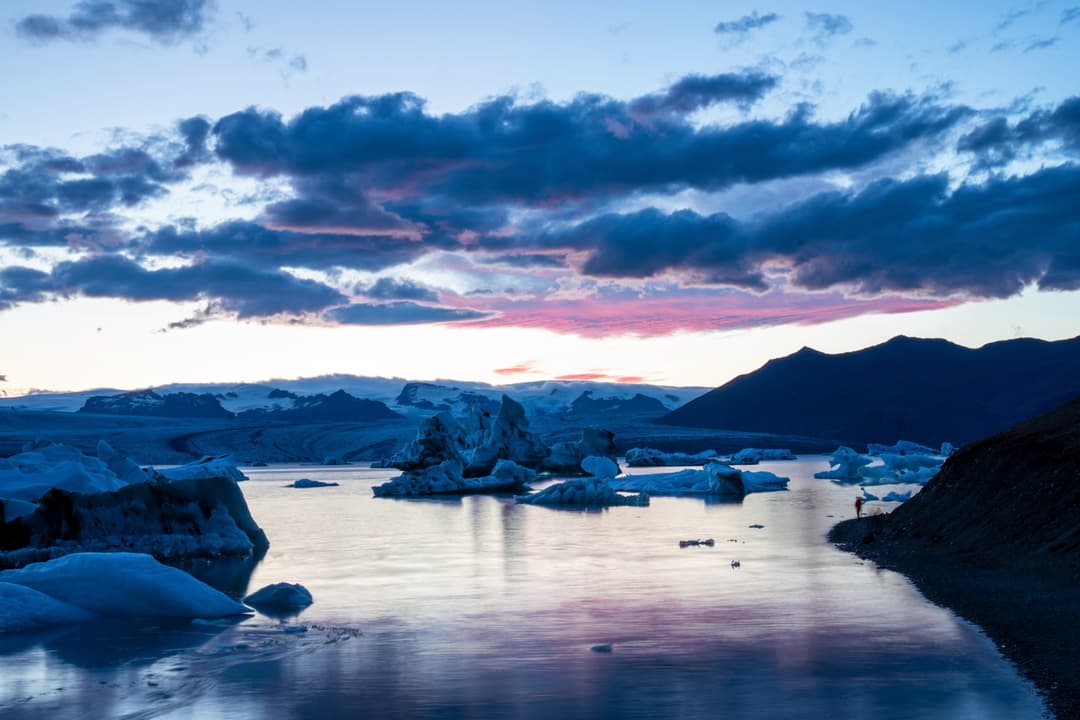
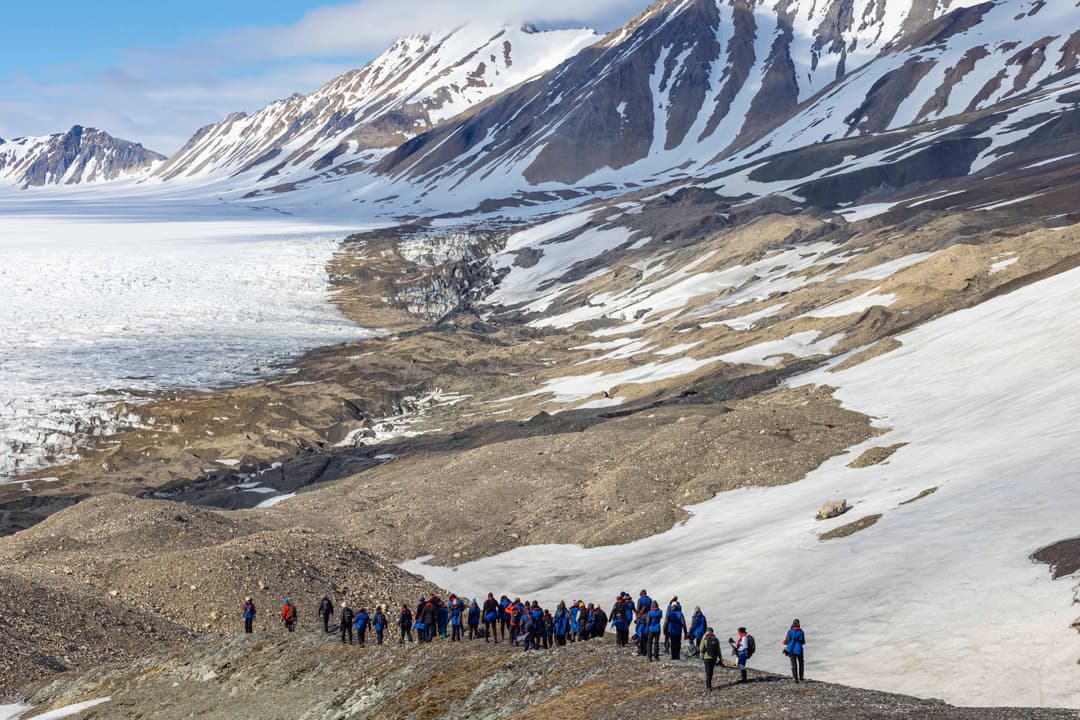
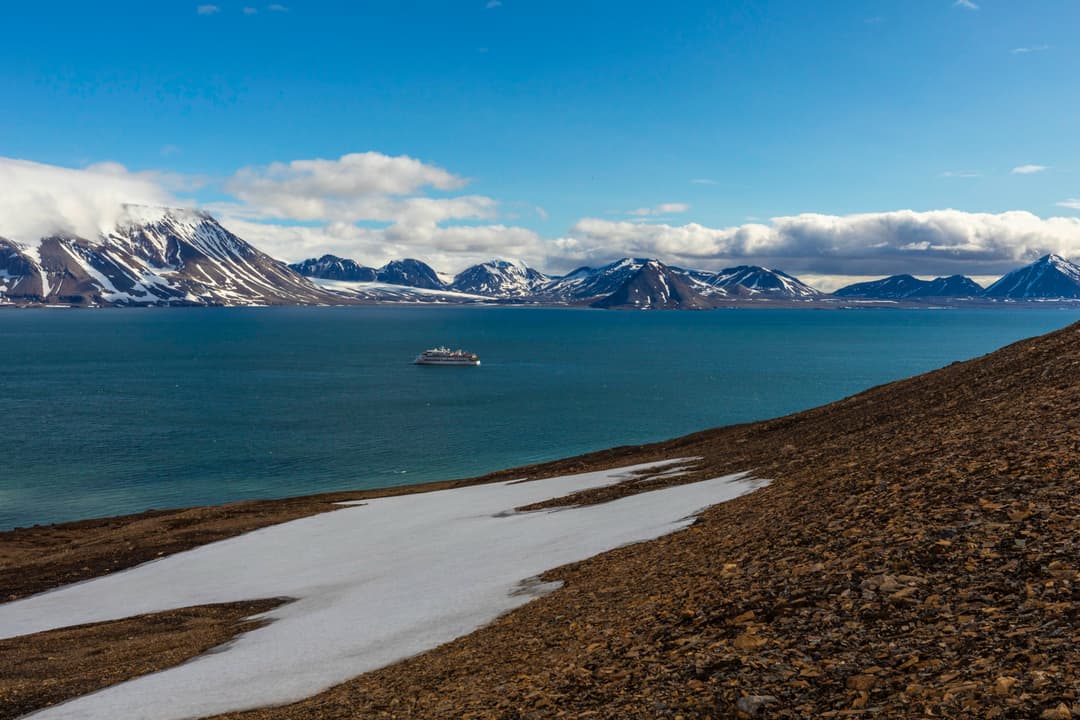
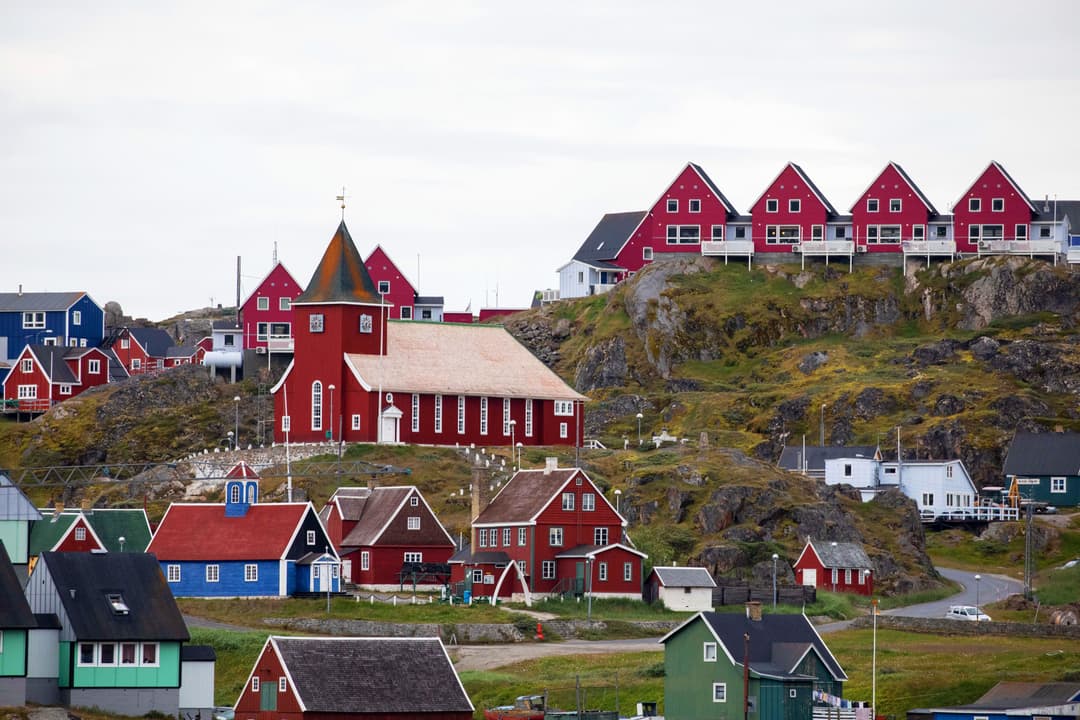
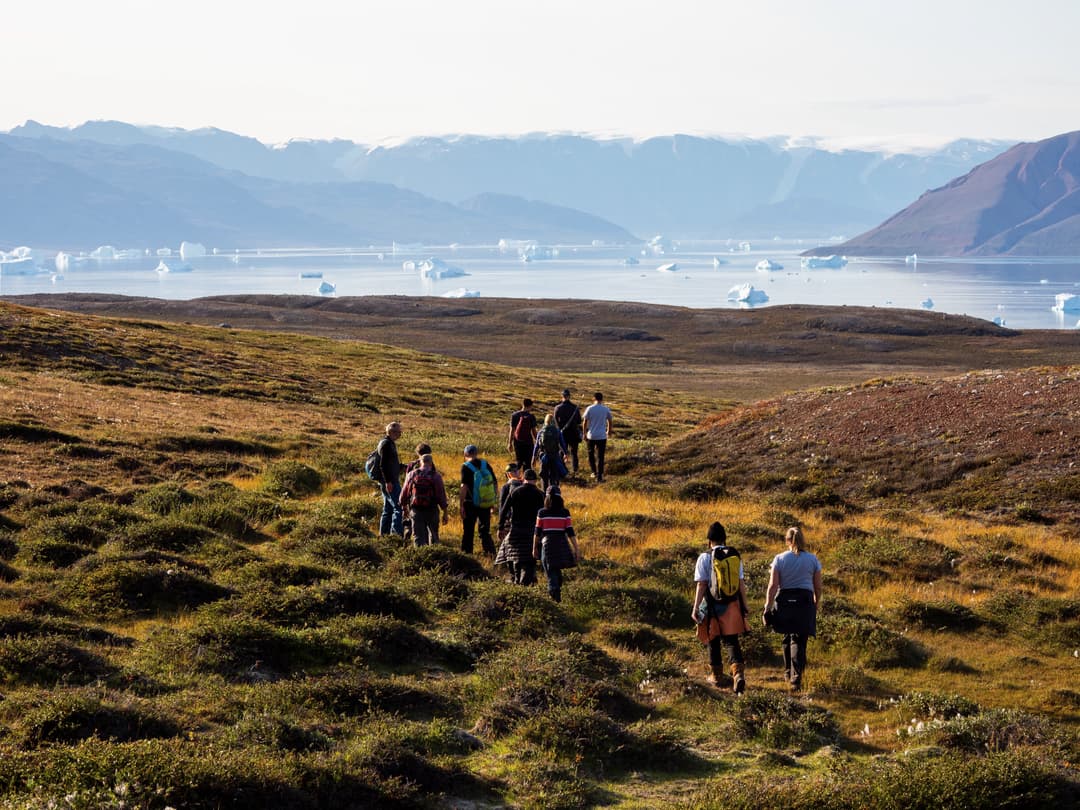
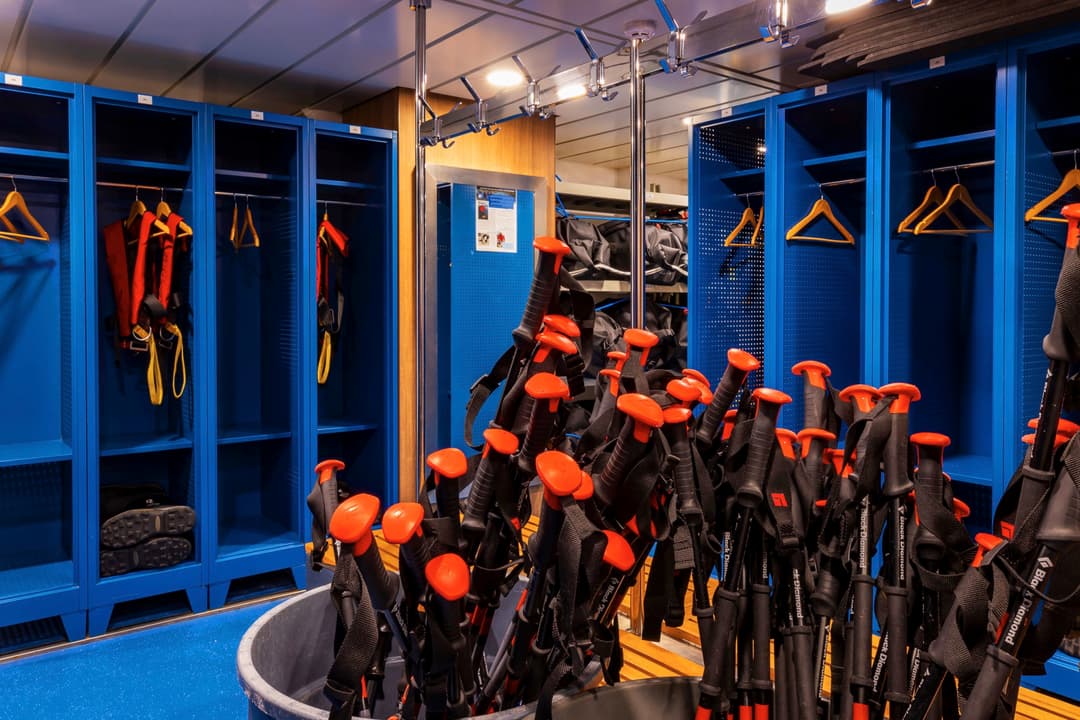
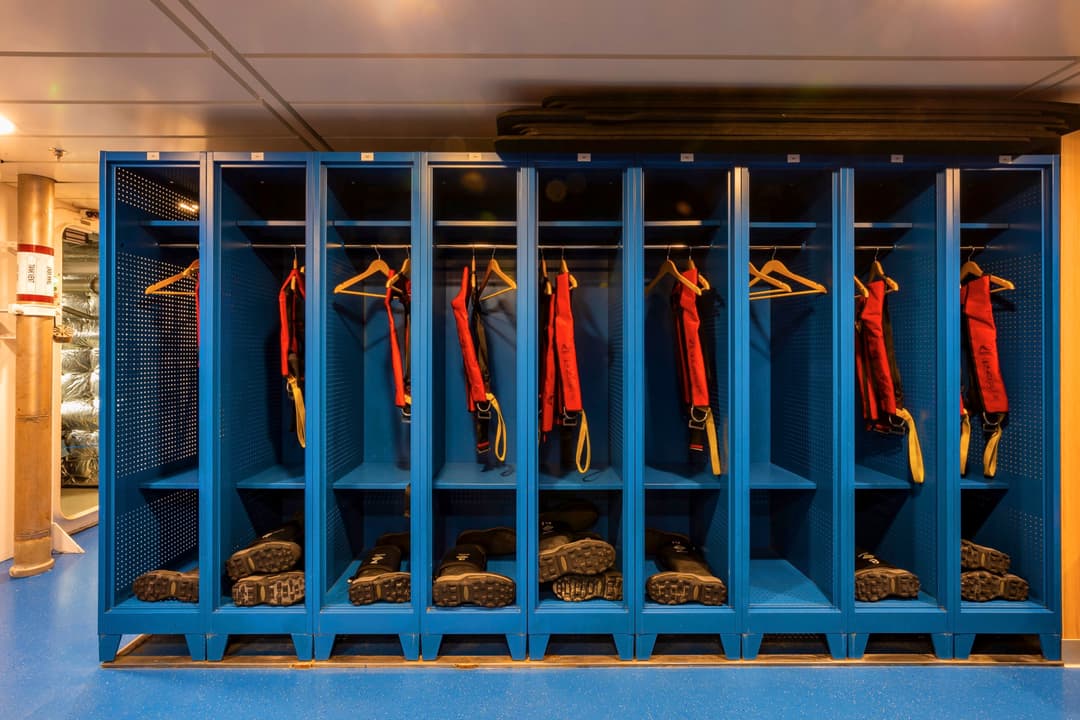
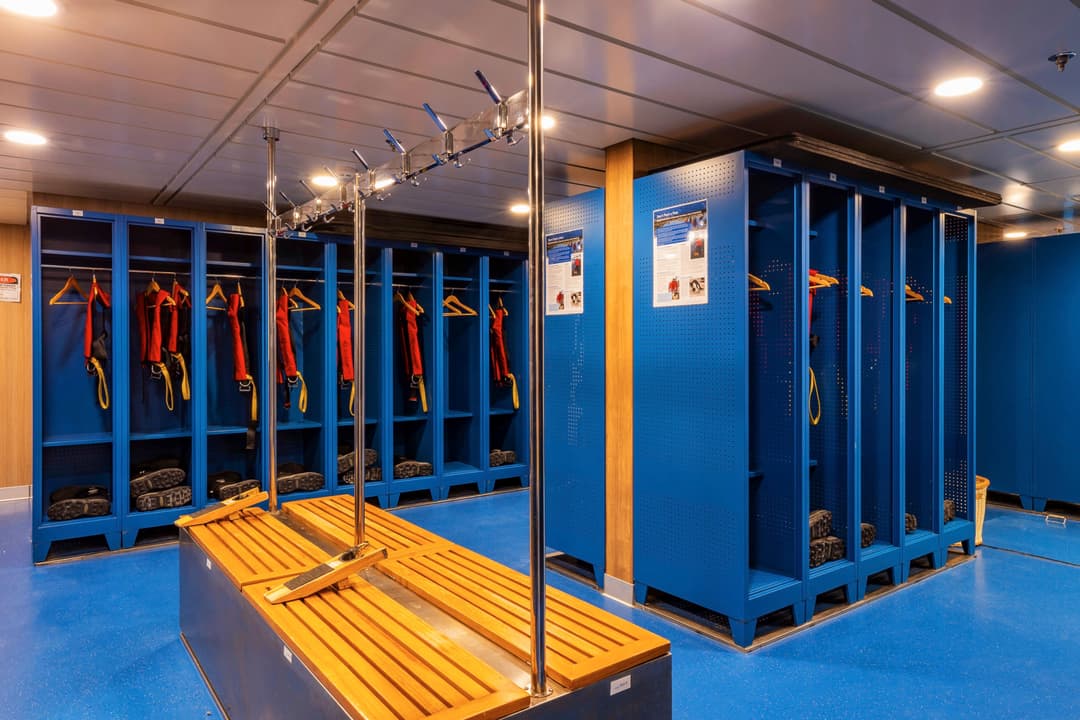
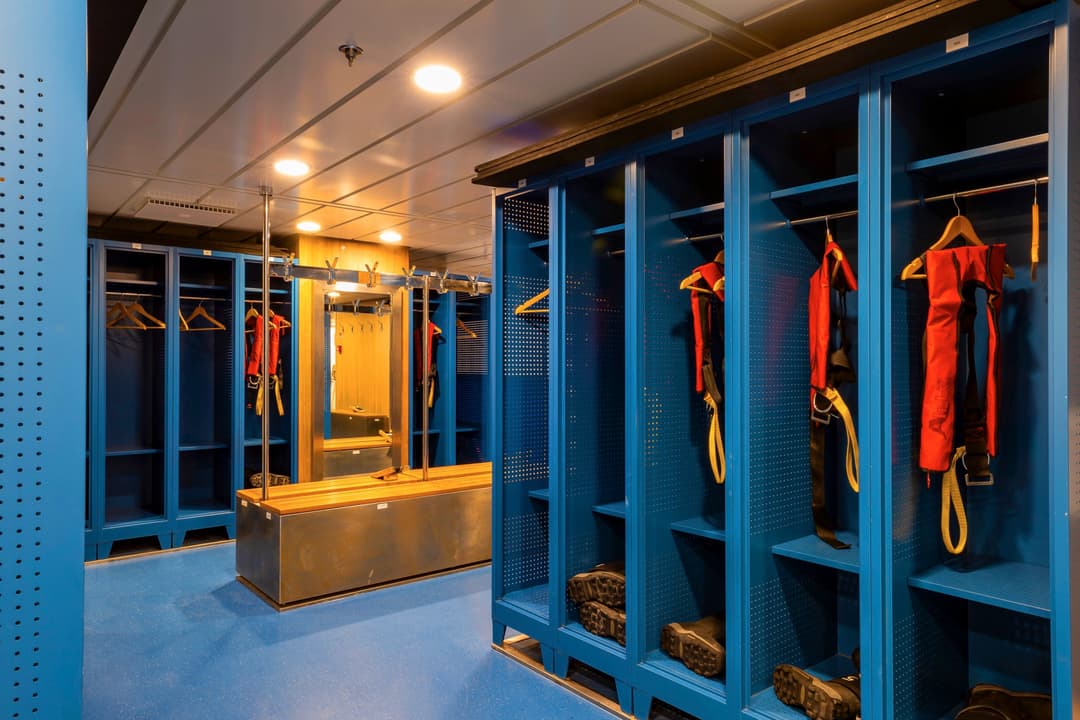
Zodiacs are a vital part of getting up close and personal on your adventure – sneaking into areas that the Sylvia Earle can't reach. On this new ship, there are specially designed launching platforms that enables us to load Zodiacs easily and quickly, allowing you to spend more time exploring on the two to three daily landings.
There are 15 Zodiacs that are boarded from either side of Deck 3 (sea level), perfect for when there is a group....
There are no dedicated children's facilities onboard the Sylvia Earle.
Shipboard clothing is informal and casual Jeans, jumpers and long-sleeved shirts are ideal for indoors in the polar regions; however be sure to keep your jacket close for unexpected wildlife sightings! Some people∘ like to take a nicer outfit for the captain's welcome and farewell drinks but formal clothing is not necessary. For health and safety reasons, we do request you wear enclosed shoes in public areas while on board the ship. AE Expedit....
Medical Form
It is compulsory for each passenger to return a signed medical from their general practitioner. Your Medical Form is required to be signed by your general practitioner and returned to AE Expeditions no later than three months and no earlier than six months before your voyage departure date.
If you become aware of any change in your health and fitness that may be likely to affect your participation on the trip (e....
Standard Inclusions
We offer a number of standard inclusions on our voyages. Please see full list below:
- Fully-serviced accommodation in your chosen stateroom or suite
- Daily shore excursions, guided walks, Zodiac cruises and some activities^
- Entry fees to historic or tourist sites
- An experienced team of destination specialists, activity leaders, and local guides*
- An informative and entert....
When packing for your holiday, do you have trouble deciding between what to take versus leave at home? If so, you’re certainly not alone – it can be tricky deciding what makes the cut into your luggage.
Of course, what often helps is knowing the environment that you’re entering into. With Antarctica and the Arctic – known as the coldest, most isolated and remote landscapes in the world – there might be a tendency to pack your suitcase wi....