

CRUISE ID # ATLASVOYWN0694-WNA270225
Ushuaia TO Ushuaia
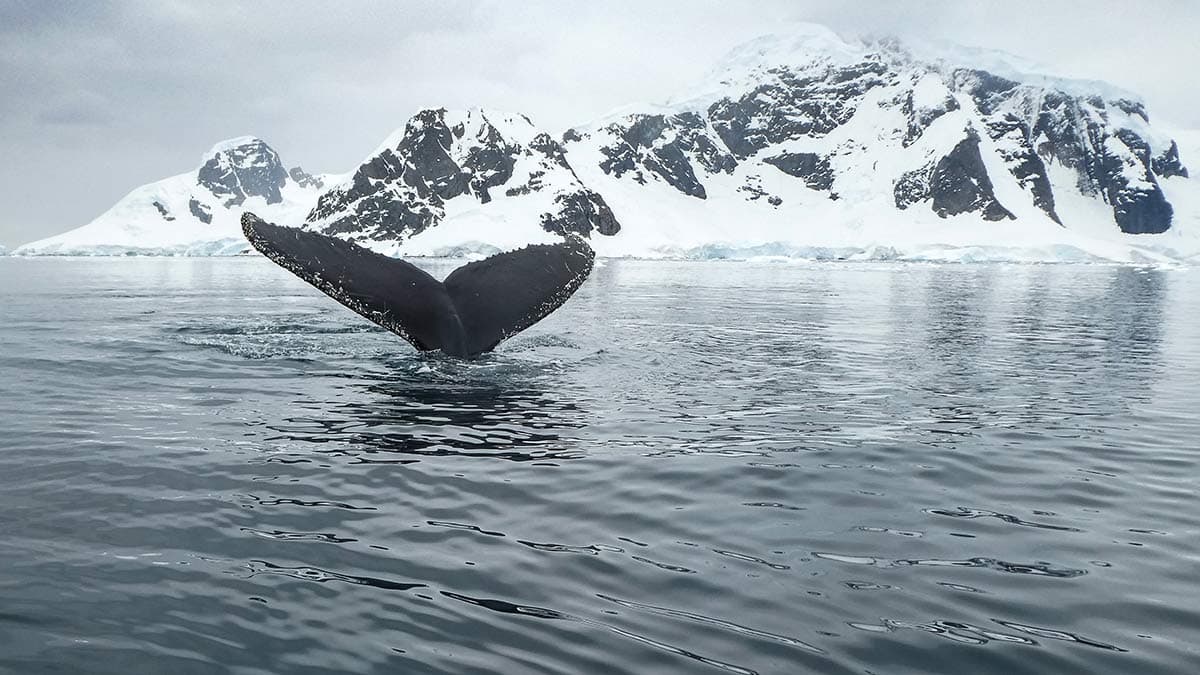
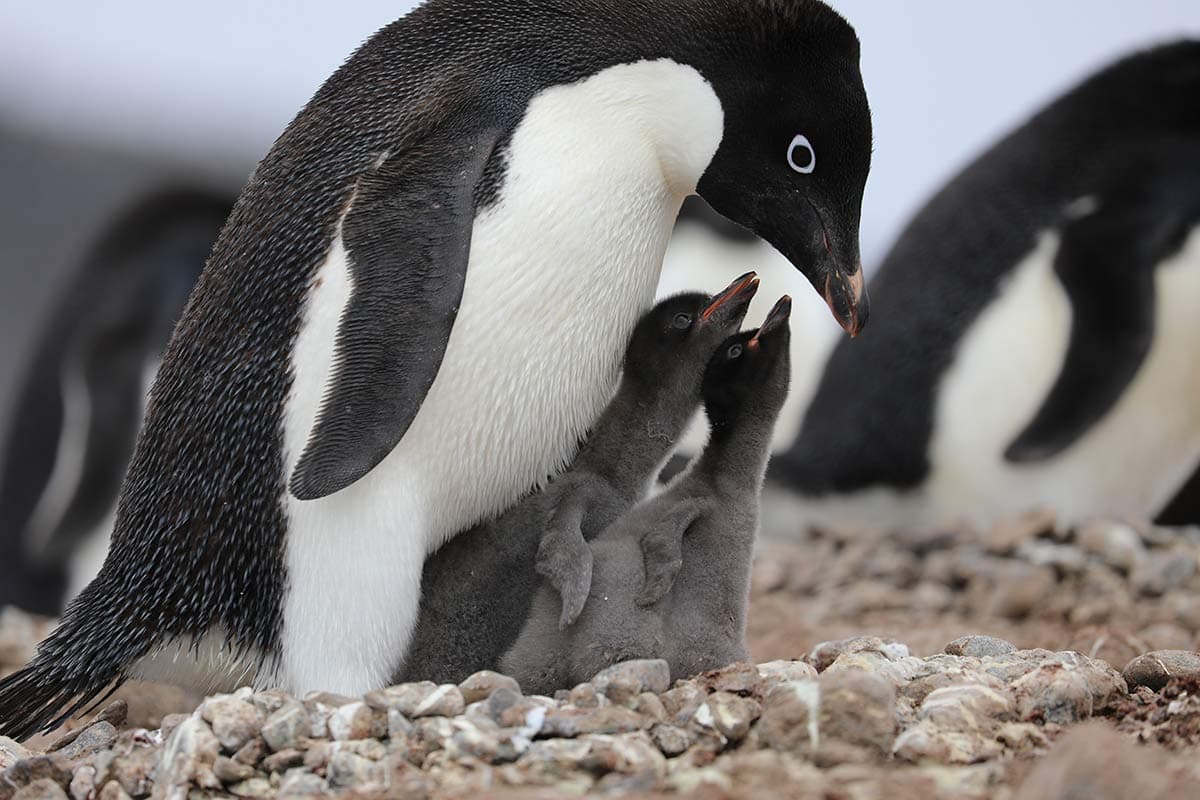
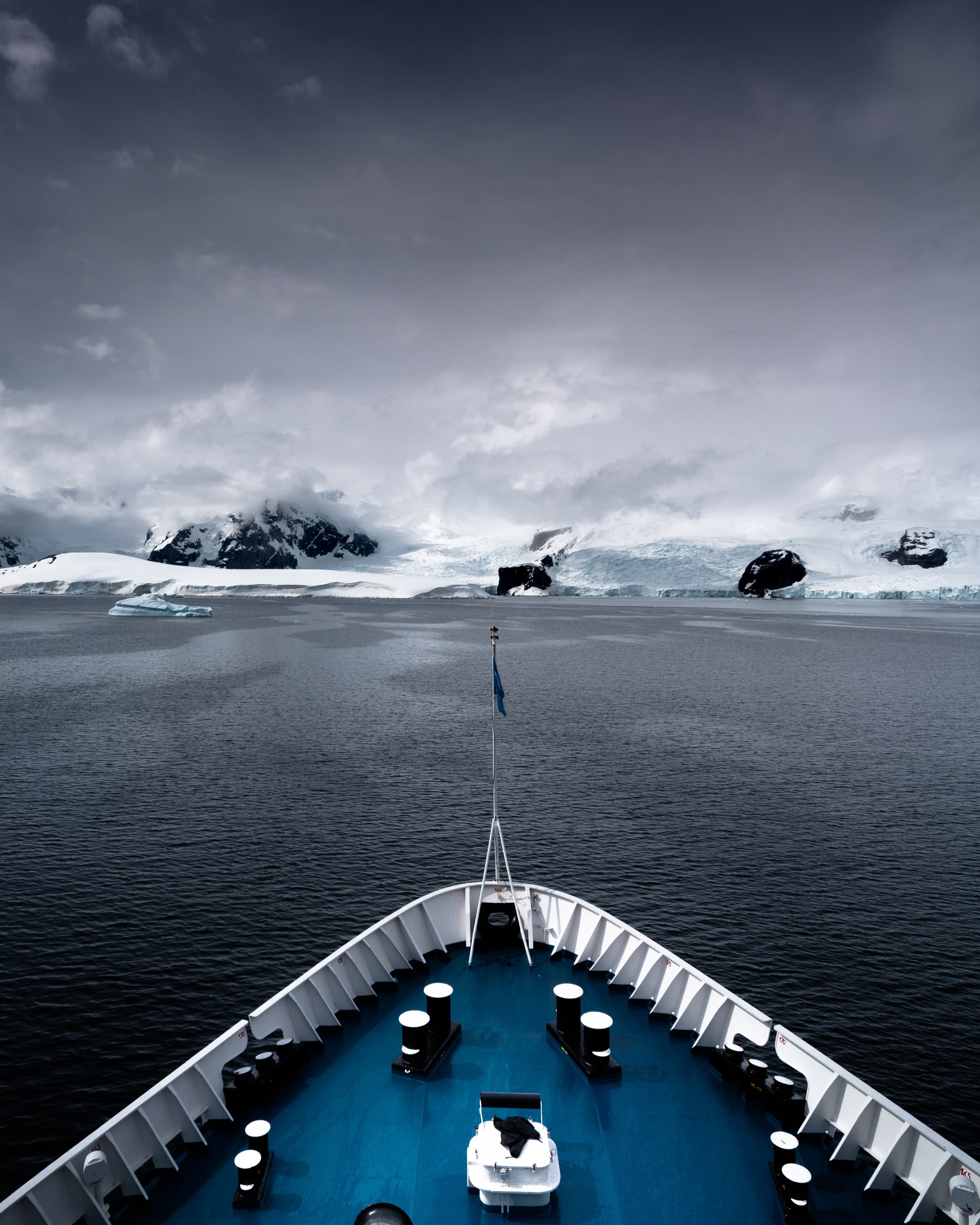
Search the waters for Weddell, elephant and crabeater seals as your Captain expertly navigates the pristine icebergs and ice floes in picturesque channels. Your Captain will also bring you to scenic navigations where you may see skuas and Adélie penguins. Cross the Antarctic Circle to become a member of the Order of the Red Nose. Exploring the South Shetland Islands and Antarctic Peninsula, your expedition team guides you through Zodiac safaris and shore landings, coming closer to wildlife like fur seals.
Our exclusive rates are all-inclusive and are based on double occupancy per person. This trip is packed with inclusions!
PRE-CRUISE:
- Pre-night 5 Star hotel in Buenos Aires
- Private round-trip charter flight from Buenos Aires to Ushuaia with airport transfers
- Tierra Del Fuego National Park Excursion with lunch
ONBOARD:
- $200 per Guest onboard credit
- An intimate, 5-Star luxury cruise
- Elegant and modern hotel room like cabins
- Complimentary champagne and gourmet canapes during the meet and greet
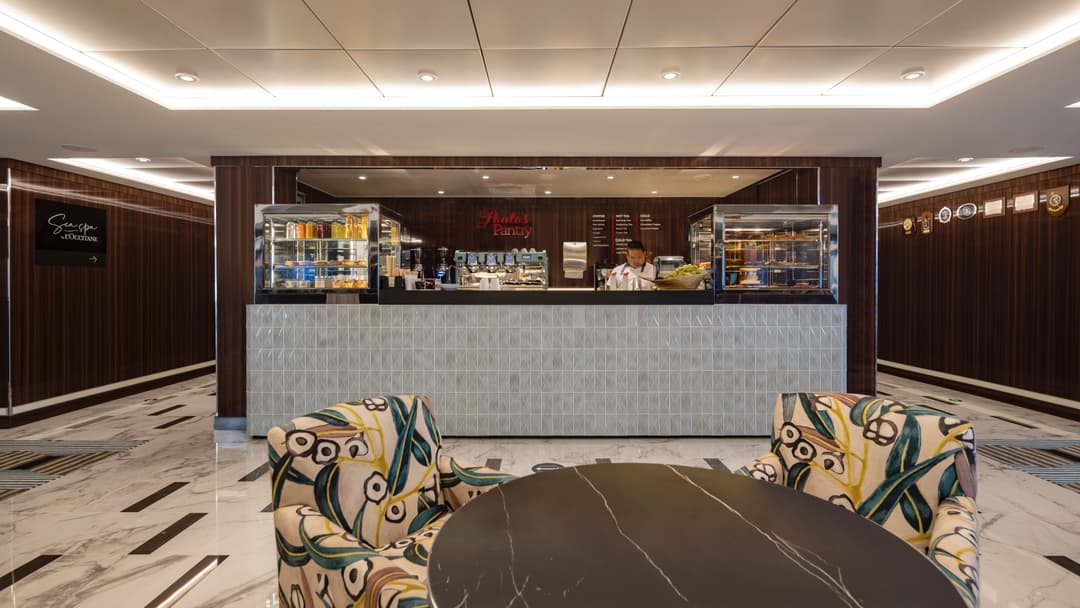
- Elegant restaurant options with a daily changing menu, a cozy café, afternoon tea with light snacks, and room service
- 24-hour room service, including spirits, wine and beer
- Unlimited beverages - including fine wines, spirits and craft beers
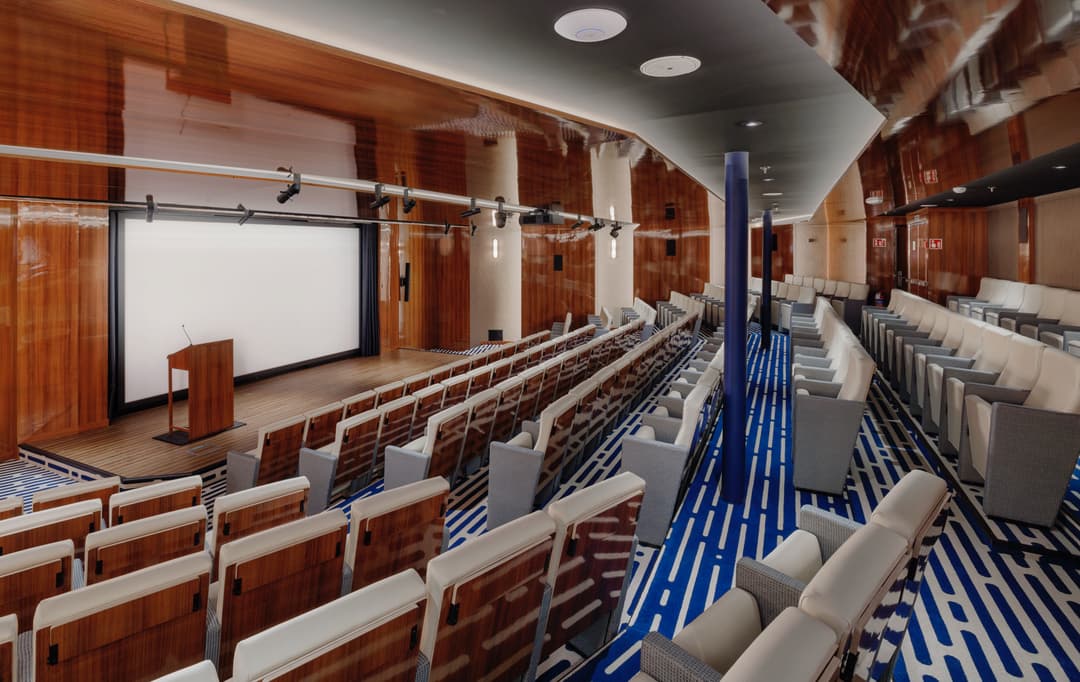
- Daily presentations by scientists and naturalists
- All Shore and Zodiac Excursions are led by expert expedition field guides
- Luxurious bath amenities (L'OCCITANE)
- In-room minibar stocked with your preferences
- All gratuities pre-paid
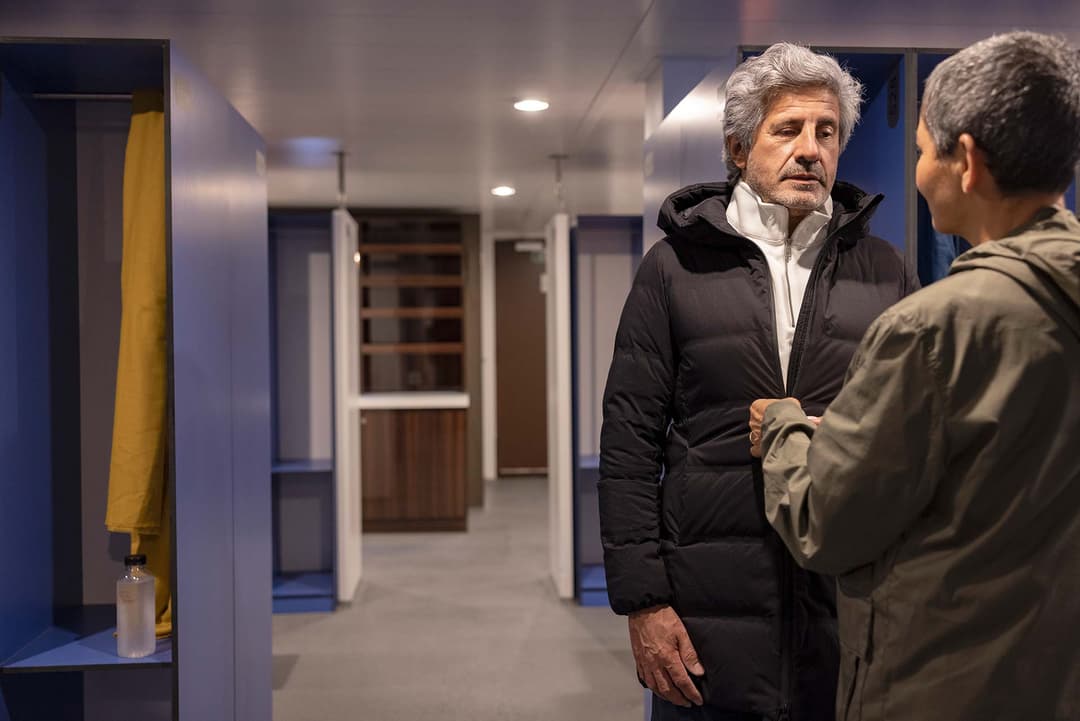
- A parka jacket to use and take home as a memento of your Antarctica expedition
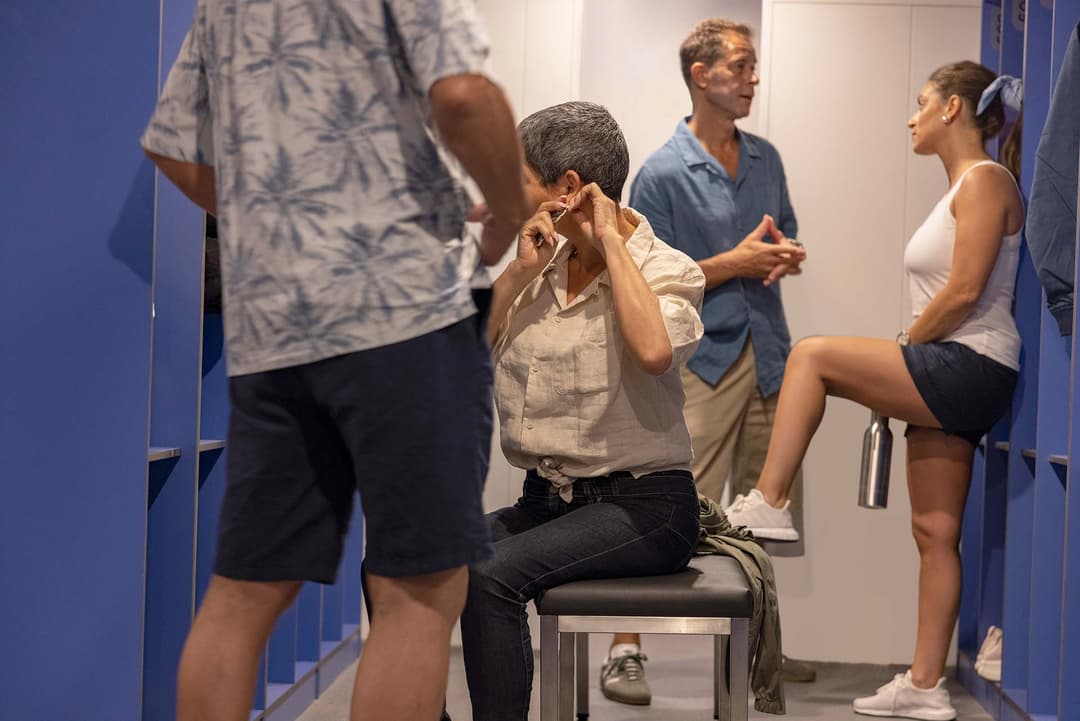
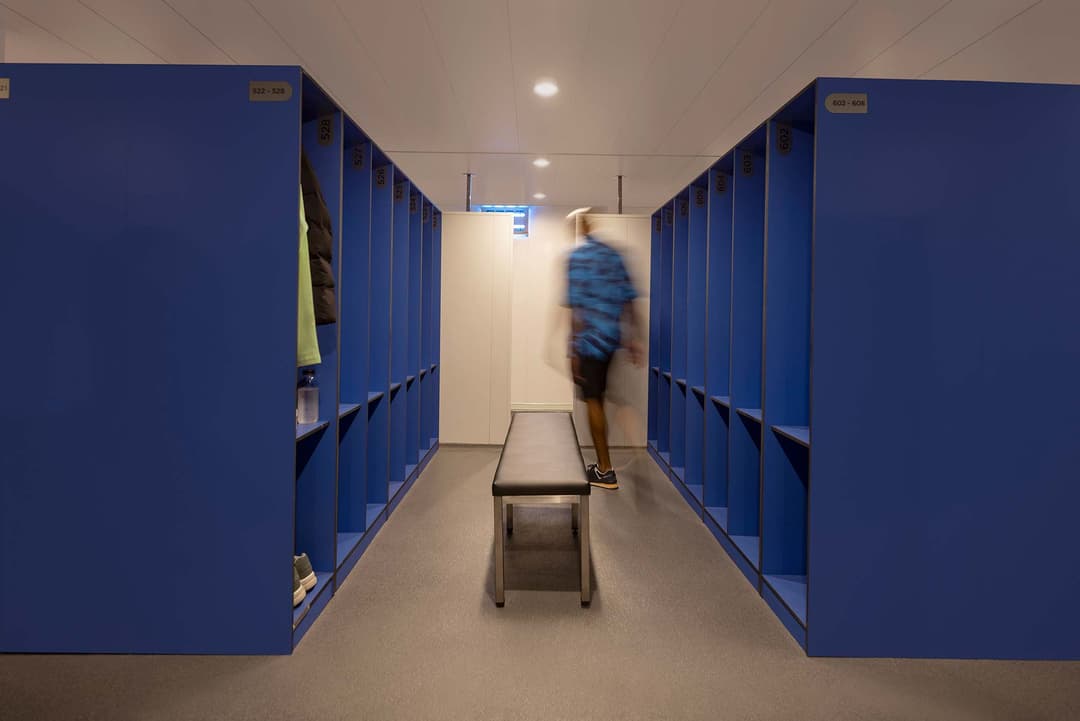
- Boots for shore landings
- Free use of walking sticks and binoculars
- 1GB of Included WIFI (more available for purchase)
- Butler Service (for Suites)
$11,329
WITH SPECIAL SAVINGS APPLIED
FARES SHOWN ARE PER GUEST
Suites & Fares
CHOOSE START DATE
: February 25, 2027
Itinerary
At 55 degrees latitude south, Ushuaia (pronounced oo-swy-ah) is closer to the South Pole than to Argentina's northern border with Bolivia. It is the capital and tourism base for Tierra del Fuego, the island at the southernmost tip of Argentina.Although its stark physical beauty is striking, Tierra del Fuego's historical allure is based more on its mythical past than on rugged reality. The island was inhabited for 6,000 years by Yámana, Haush, Selk'nam, and Alakaluf Indians. But in 1902 Argentina, eager to populate Patagonia to bolster its territorial claims, moved to initiate an Ushuaian penal colony, establishing the permanent settlement of its most southern territories and, by implication, everything in between.When the prison closed in 1947, Ushuaia had a population of about 3,000, made up mainly of former inmates and prison staff. Today the Indians of Darwin's "missing link" theory are long gone—wiped out by diseases brought by settlers and by indifference to their plight—and the 60,000 residents of Ushuaia are hitching their star to tourism.The city rightly (if perhaps too loudly) promotes itself as the southernmost city in the world (Puerto Williams, a few miles south on the Chilean side of the Beagle Channel, is a small town). You can make your way to the tourism office to get your clichéd, but oh-so-necessary, "Southernmost City in the World" passport stamp. Ushuaia feels like a frontier boomtown, at heart still a rugged, weather-beaten fishing village, but exhibiting the frayed edges of a city that quadrupled in size in the '70s and '80s and just keeps growing. Unpaved portions of Ruta 3, the last stretch of the Pan-American Highway, which connects Alaska to Tierra del Fuego, are finally being paved. The summer months (December through March) draw more than 120,000 visitors, and dozens of cruise ships. The city is trying to extend those visits with events like March's Marathon at the End of the World and by increasing the gamut of winter activities buoyed by the excellent snow conditions.A terrific trail winds through the town up to the Martial Glacier, where a ski lift can help cut down a steep kilometer of your journey. The chaotic and contradictory urban landscape includes a handful of luxury hotels amid the concrete of public housing projects. Scores of "sled houses" (wooden shacks) sit precariously on upright piers, ready for speedy displacement to a different site. But there are also many small, picturesque homes with tiny, carefully tended gardens. Many of the newer homes are built in a Swiss-chalet style, reinforcing the idea that this is a town into which tourism has breathed new life. At the same time, the weather-worn pastel colors that dominate the town's landscape remind you that Ushuaia was once just a tiny fishing village, snuggled at the end of the Earth.As you stand on the banks of the Canal Beagle (Beagle Channel) near Ushuaia, the spirit of the farthest corner of the world takes hold. What stands out is the light: at sundown the landscape is cast in a subdued, sensual tone; everything feels closer, softer, and more human in dimension despite the vastness of the setting. The snowcapped mountains reflect the setting sun back onto a stream rolling into the channel, as nearby peaks echo their image—on a windless day—in the still waters.Above the city rise the last mountains of the Andean Cordillera, and just south and west of Ushuaia they finally vanish into the often-stormy sea. Snow whitens the peaks well into summer. Nature is the principal attraction here, with trekking, fishing, horseback riding, wildlife spotting, and sailing among the most rewarding activities, especially in the Parque Nacional Tierra del Fuego (Tierra del Fuego National Park).
Remote and otherworldly, Antarctic is irresistible for its spectacular iceberg sculptures and calving glaciers, and for the possibility of up-close encounters with marine mammals and the iconic penguins. The Antarctic Peninsula – the main peninsula closest to South America – has a human history of almost 200 years, with explorers, sealers, whalers, and scientists who have come to work, and eventually intrepid visitors coming to enjoy this pristine and remote wilderness. It is a region of protected bays, unscaled snow-capped mountains, vast glaciers and a few places where whalers or scientists have worked. Just as irresistible are the many Gentoo and Chinstrap Penguin colonies, the seals basking on ice floes, the whales and orcas.
Remote and otherworldly, Antarctic is irresistible for its spectacular iceberg sculptures and calving glaciers, and for the possibility of up-close encounters with marine mammals and the iconic penguins. The Antarctic Peninsula – the main peninsula closest to South America – has a human history of almost 200 years, with explorers, sealers, whalers, and scientists who have come to work, and eventually intrepid visitors coming to enjoy this pristine and remote wilderness. It is a region of protected bays, unscaled snow-capped mountains, vast glaciers and a few places where whalers or scientists have worked. Just as irresistible are the many Gentoo and Chinstrap Penguin colonies, the seals basking on ice floes, the whales and orcas.
Remote and otherworldly, Antarctic is irresistible for its spectacular iceberg sculptures and calving glaciers, and for the possibility of up-close encounters with marine mammals and the iconic penguins. The Antarctic Peninsula – the main peninsula closest to South America – has a human history of almost 200 years, with explorers, sealers, whalers, and scientists who have come to work, and eventually intrepid visitors coming to enjoy this pristine and remote wilderness. It is a region of protected bays, unscaled snow-capped mountains, vast glaciers and a few places where whalers or scientists have worked. Just as irresistible are the many Gentoo and Chinstrap Penguin colonies, the seals basking on ice floes, the whales and orcas.
Remote and otherworldly, Antarctic is irresistible for its spectacular iceberg sculptures and calving glaciers, and for the possibility of up-close encounters with marine mammals and the iconic penguins. The Antarctic Peninsula – the main peninsula closest to South America – has a human history of almost 200 years, with explorers, sealers, whalers, and scientists who have come to work, and eventually intrepid visitors coming to enjoy this pristine and remote wilderness. It is a region of protected bays, unscaled snow-capped mountains, vast glaciers and a few places where whalers or scientists have worked. Just as irresistible are the many Gentoo and Chinstrap Penguin colonies, the seals basking on ice floes, the whales and orcas.
Remote and otherworldly, Antarctic is irresistible for its spectacular iceberg sculptures and calving glaciers, and for the possibility of up-close encounters with marine mammals and the iconic penguins. The Antarctic Peninsula – the main peninsula closest to South America – has a human history of almost 200 years, with explorers, sealers, whalers, and scientists who have come to work, and eventually intrepid visitors coming to enjoy this pristine and remote wilderness. It is a region of protected bays, unscaled snow-capped mountains, vast glaciers and a few places where whalers or scientists have worked. Just as irresistible are the many Gentoo and Chinstrap Penguin colonies, the seals basking on ice floes, the whales and orcas.
Remote and otherworldly, Antarctic is irresistible for its spectacular iceberg sculptures and calving glaciers, and for the possibility of up-close encounters with marine mammals and the iconic penguins. The Antarctic Peninsula – the main peninsula closest to South America – has a human history of almost 200 years, with explorers, sealers, whalers, and scientists who have come to work, and eventually intrepid visitors coming to enjoy this pristine and remote wilderness. It is a region of protected bays, unscaled snow-capped mountains, vast glaciers and a few places where whalers or scientists have worked. Just as irresistible are the many Gentoo and Chinstrap Penguin colonies, the seals basking on ice floes, the whales and orcas.
Remote and otherworldly, Antarctic is irresistible for its spectacular iceberg sculptures and calving glaciers, and for the possibility of up-close encounters with marine mammals and the iconic penguins. The Antarctic Peninsula – the main peninsula closest to South America – has a human history of almost 200 years, with explorers, sealers, whalers, and scientists who have come to work, and eventually intrepid visitors coming to enjoy this pristine and remote wilderness. It is a region of protected bays, unscaled snow-capped mountains, vast glaciers and a few places where whalers or scientists have worked. Just as irresistible are the many Gentoo and Chinstrap Penguin colonies, the seals basking on ice floes, the whales and orcas.
At 55 degrees latitude south, Ushuaia (pronounced oo-swy-ah) is closer to the South Pole than to Argentina's northern border with Bolivia. It is the capital and tourism base for Tierra del Fuego, the island at the southernmost tip of Argentina.Although its stark physical beauty is striking, Tierra del Fuego's historical allure is based more on its mythical past than on rugged reality. The island was inhabited for 6,000 years by Yámana, Haush, Selk'nam, and Alakaluf Indians. But in 1902 Argentina, eager to populate Patagonia to bolster its territorial claims, moved to initiate an Ushuaian penal colony, establishing the permanent settlement of its most southern territories and, by implication, everything in between.When the prison closed in 1947, Ushuaia had a population of about 3,000, made up mainly of former inmates and prison staff. Today the Indians of Darwin's "missing link" theory are long gone—wiped out by diseases brought by settlers and by indifference to their plight—and the 60,000 residents of Ushuaia are hitching their star to tourism.The city rightly (if perhaps too loudly) promotes itself as the southernmost city in the world (Puerto Williams, a few miles south on the Chilean side of the Beagle Channel, is a small town). You can make your way to the tourism office to get your clichéd, but oh-so-necessary, "Southernmost City in the World" passport stamp. Ushuaia feels like a frontier boomtown, at heart still a rugged, weather-beaten fishing village, but exhibiting the frayed edges of a city that quadrupled in size in the '70s and '80s and just keeps growing. Unpaved portions of Ruta 3, the last stretch of the Pan-American Highway, which connects Alaska to Tierra del Fuego, are finally being paved. The summer months (December through March) draw more than 120,000 visitors, and dozens of cruise ships. The city is trying to extend those visits with events like March's Marathon at the End of the World and by increasing the gamut of winter activities buoyed by the excellent snow conditions.A terrific trail winds through the town up to the Martial Glacier, where a ski lift can help cut down a steep kilometer of your journey. The chaotic and contradictory urban landscape includes a handful of luxury hotels amid the concrete of public housing projects. Scores of "sled houses" (wooden shacks) sit precariously on upright piers, ready for speedy displacement to a different site. But there are also many small, picturesque homes with tiny, carefully tended gardens. Many of the newer homes are built in a Swiss-chalet style, reinforcing the idea that this is a town into which tourism has breathed new life. At the same time, the weather-worn pastel colors that dominate the town's landscape remind you that Ushuaia was once just a tiny fishing village, snuggled at the end of the Earth.As you stand on the banks of the Canal Beagle (Beagle Channel) near Ushuaia, the spirit of the farthest corner of the world takes hold. What stands out is the light: at sundown the landscape is cast in a subdued, sensual tone; everything feels closer, softer, and more human in dimension despite the vastness of the setting. The snowcapped mountains reflect the setting sun back onto a stream rolling into the channel, as nearby peaks echo their image—on a windless day—in the still waters.Above the city rise the last mountains of the Andean Cordillera, and just south and west of Ushuaia they finally vanish into the often-stormy sea. Snow whitens the peaks well into summer. Nature is the principal attraction here, with trekking, fishing, horseback riding, wildlife spotting, and sailing among the most rewarding activities, especially in the Parque Nacional Tierra del Fuego (Tierra del Fuego National Park).
About the Ship
Name
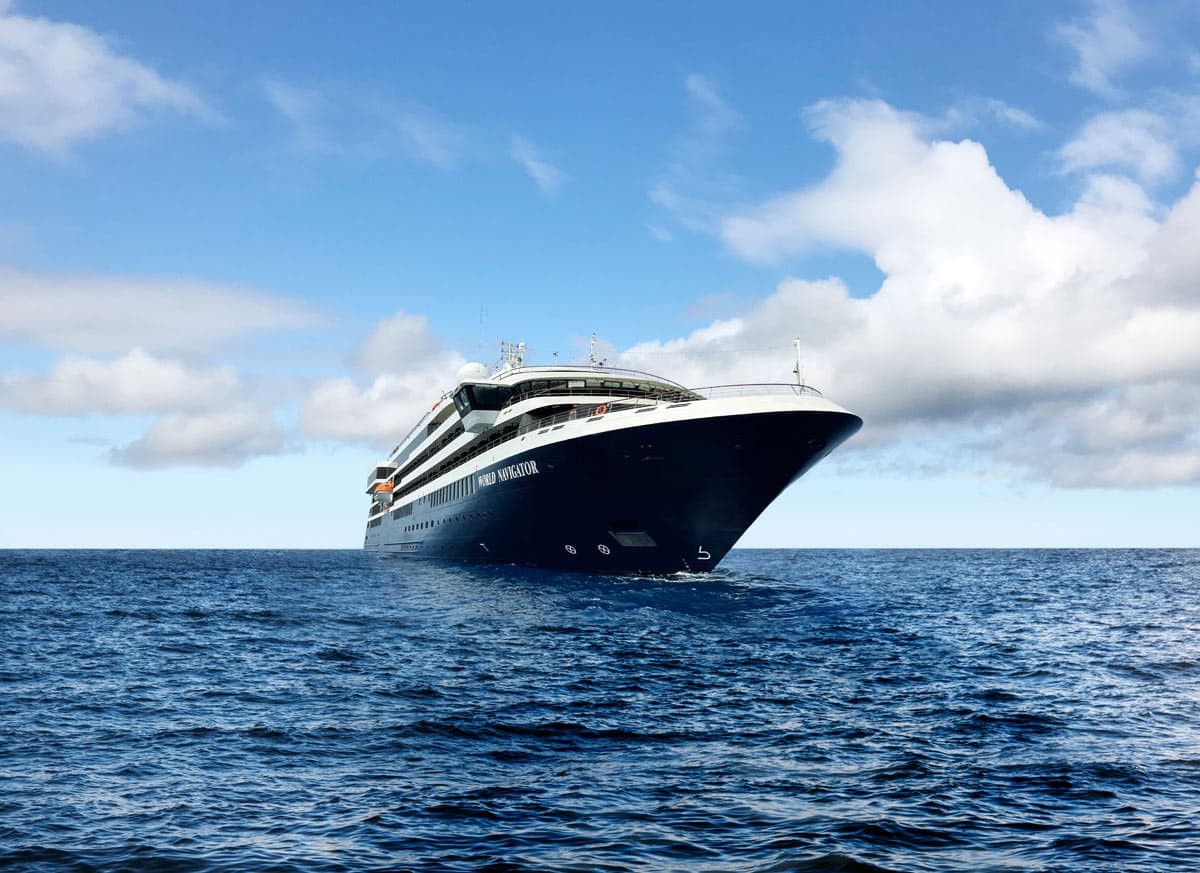
World Navigator
Operator
Atlas Ocean Voyages

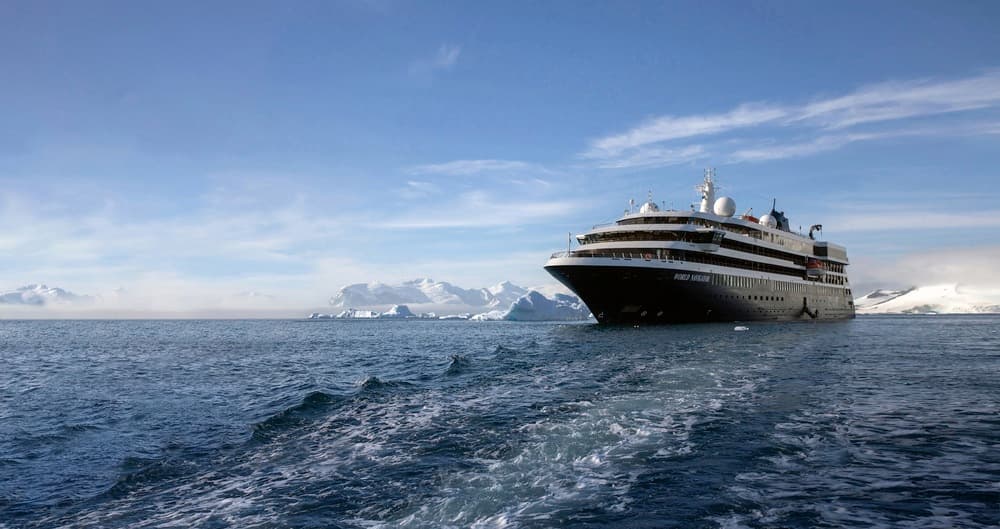
Intimate Yacht, Captivating Expeditions
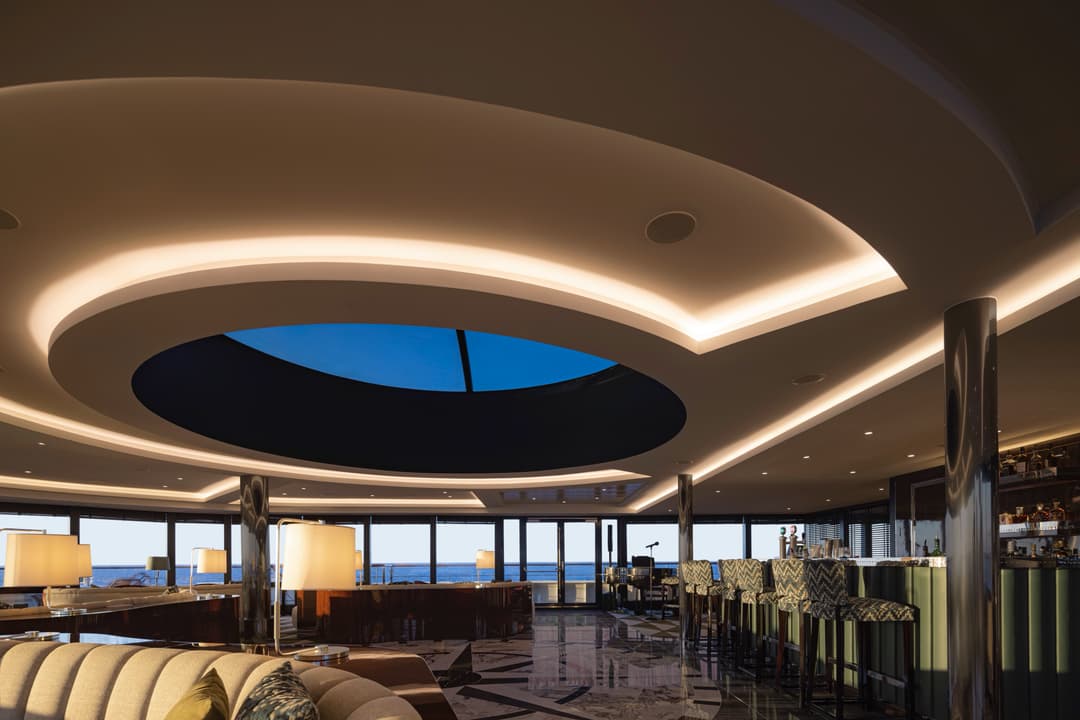
World Navigator is designed with a 1940s aesthetic inspired by the new millennium, making for a modern classic.
Loading...
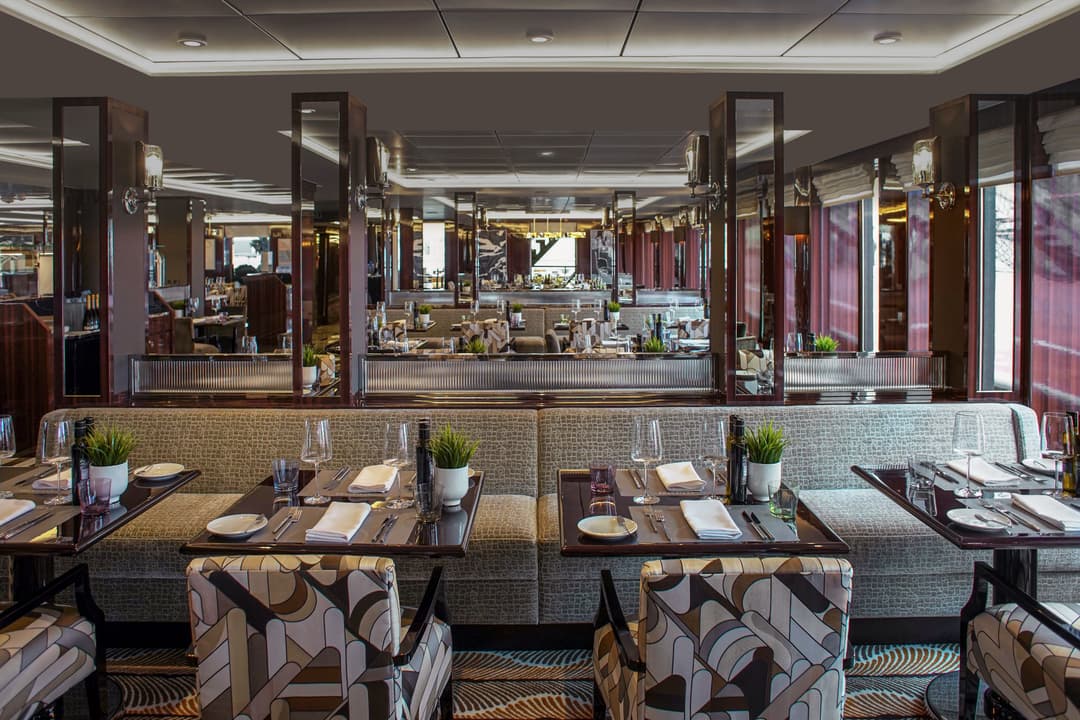
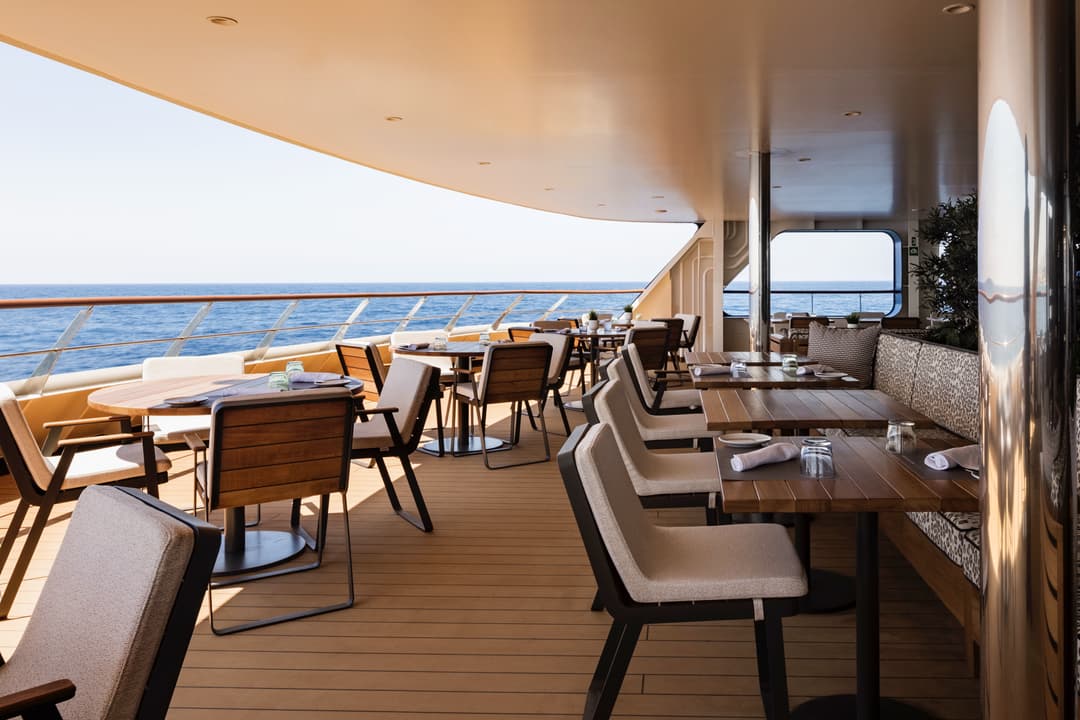
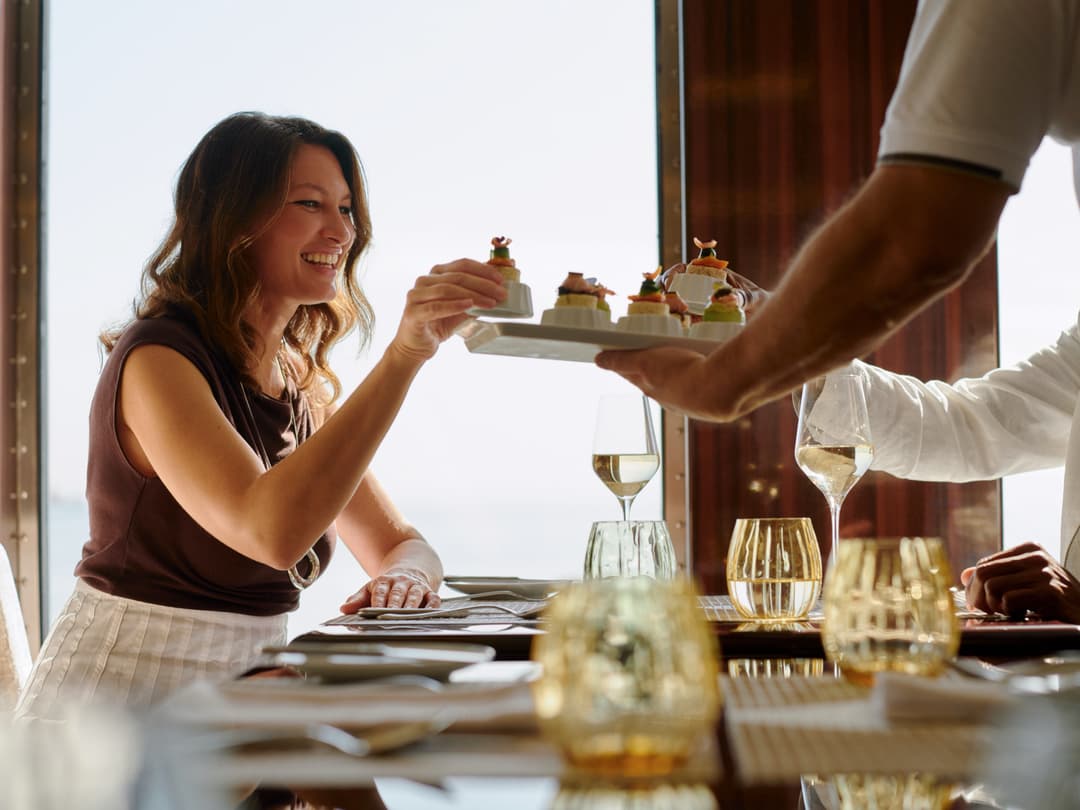
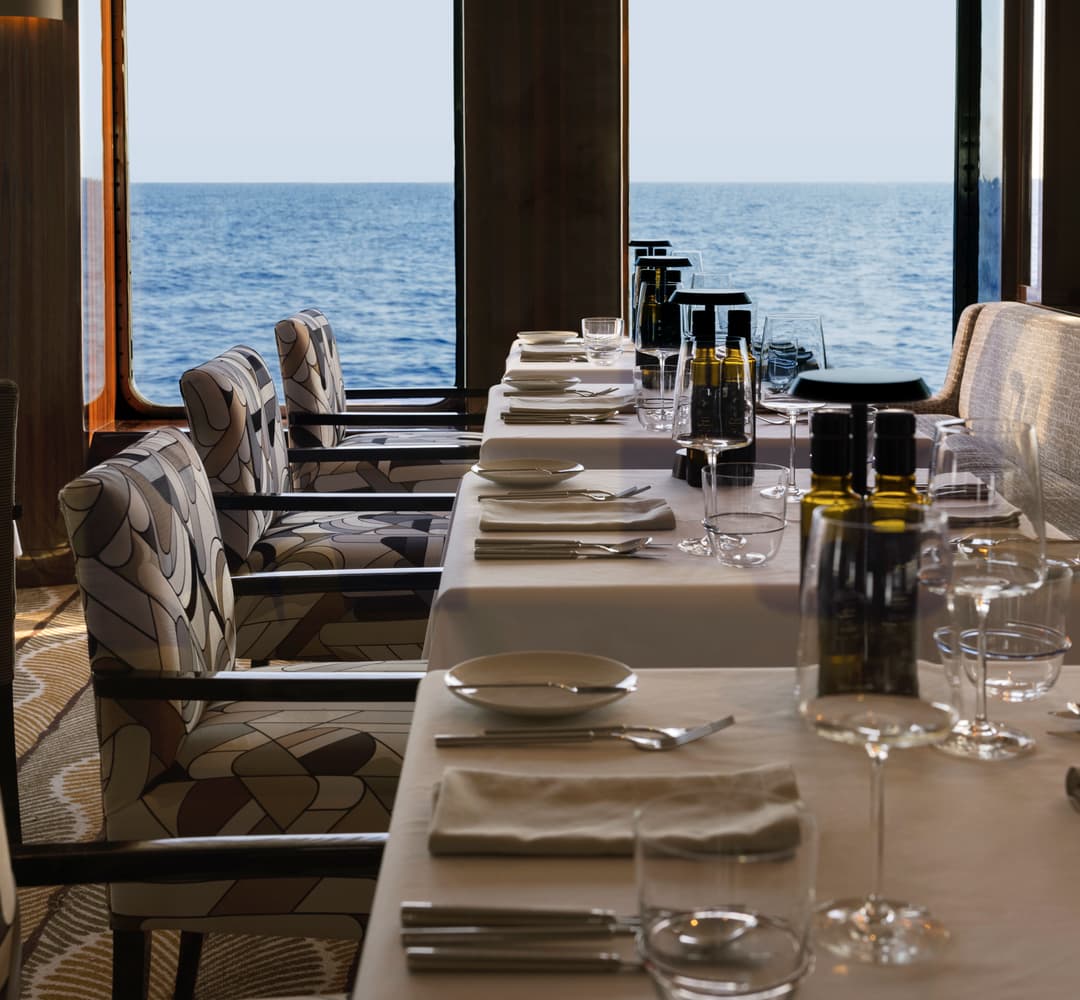
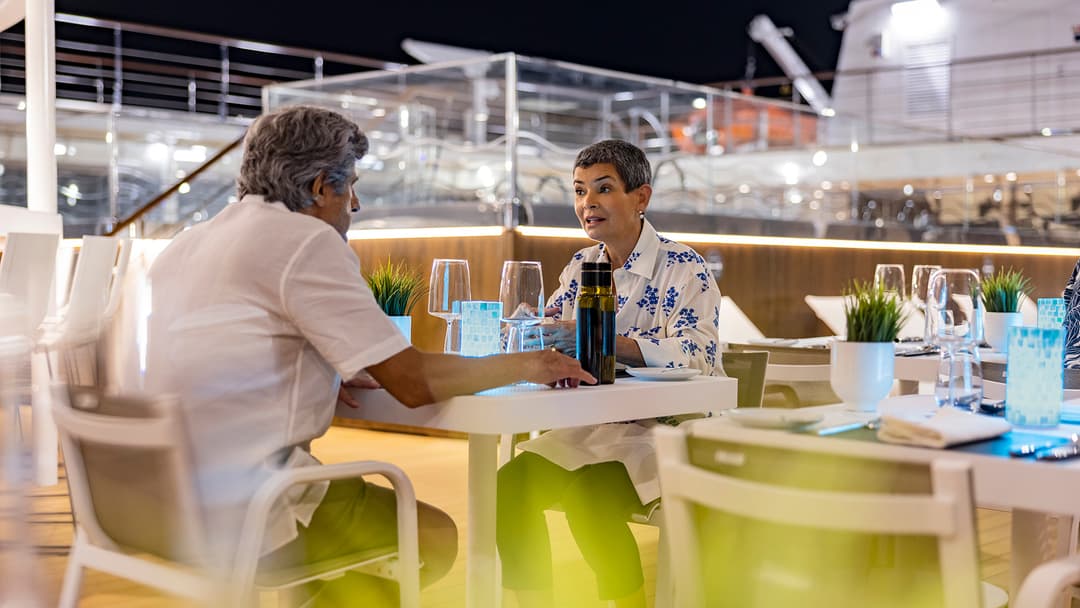
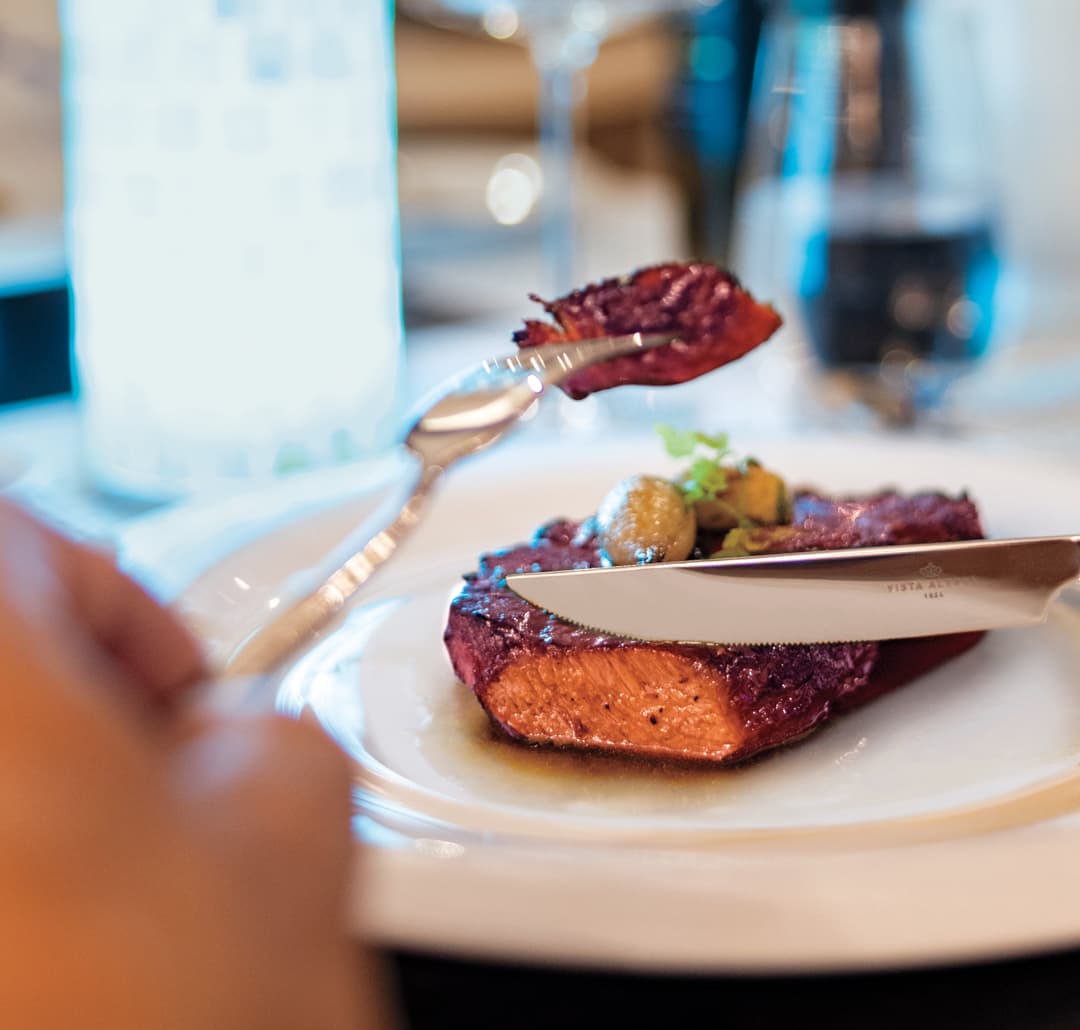
Your culinary adventures on board rival your discoveries ashore, as our well-traveled chefs take inspiration from a wide array of global cuisines when creating their ever-changing menus. And like your shoreside travels, your culinary exploration on board is designed to engage all of the senses. Relaxed and unhurried, each meal on board becomes another memorable experience to savor with friends. And it’s all always included, FREE.
The vision for Atlas Ocean Voyages was conceived in Portugal, so our elegant main restaurants pay homage to that heritage with Madeira aboard World Voyager, Lisboa aboard World Traveller and Porto aboard World Navigator.
Here you’ll find an indulgent breakfast buffet with an array of pastries, fruit, jams, freshly churned butter and peanut butter, cold meats, bacon and a selection of fruit juices. A made-to-order menu features omelets, w....
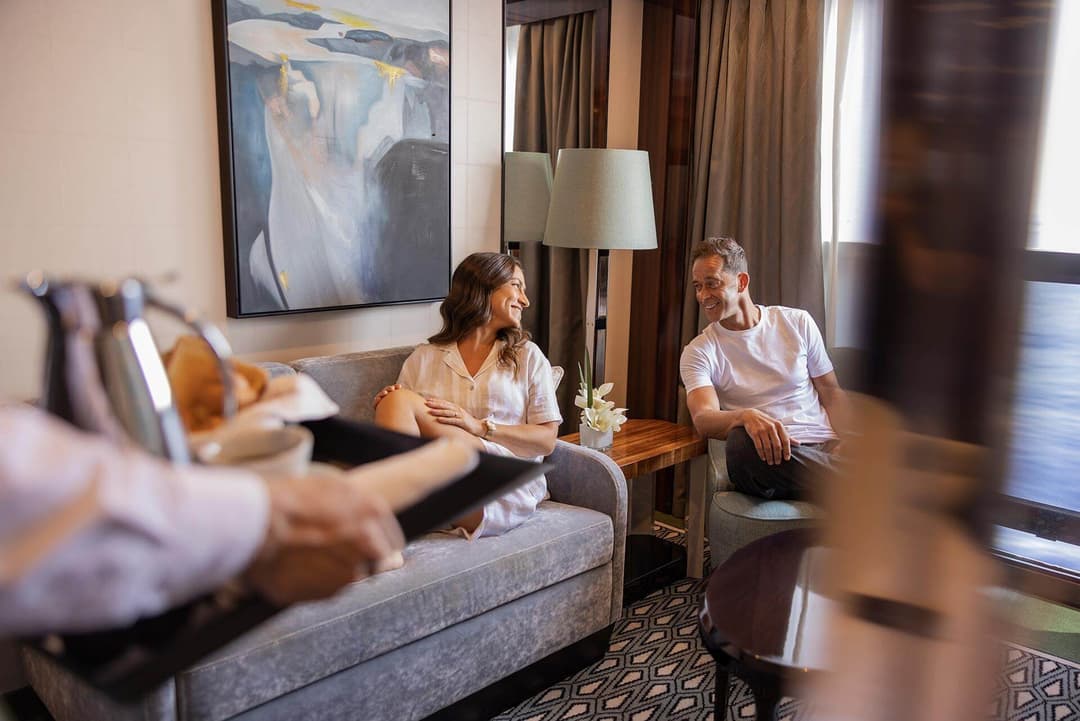
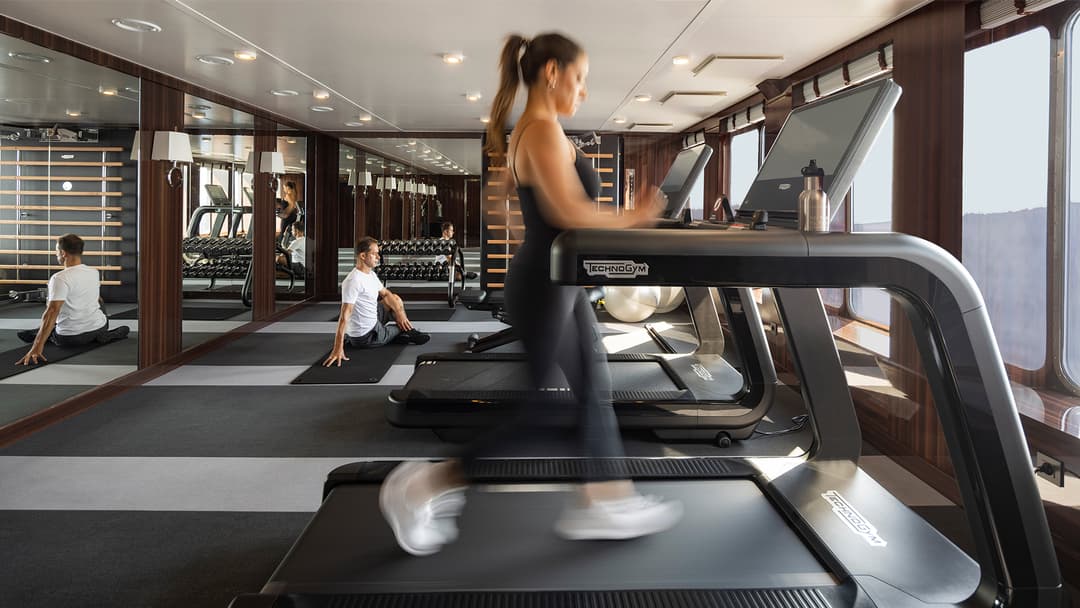
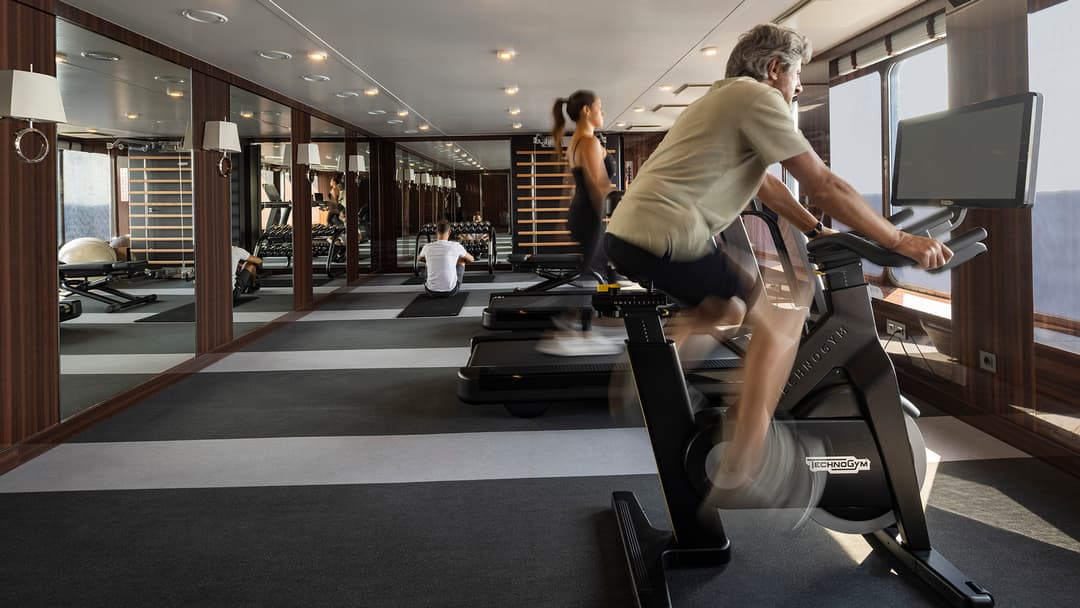
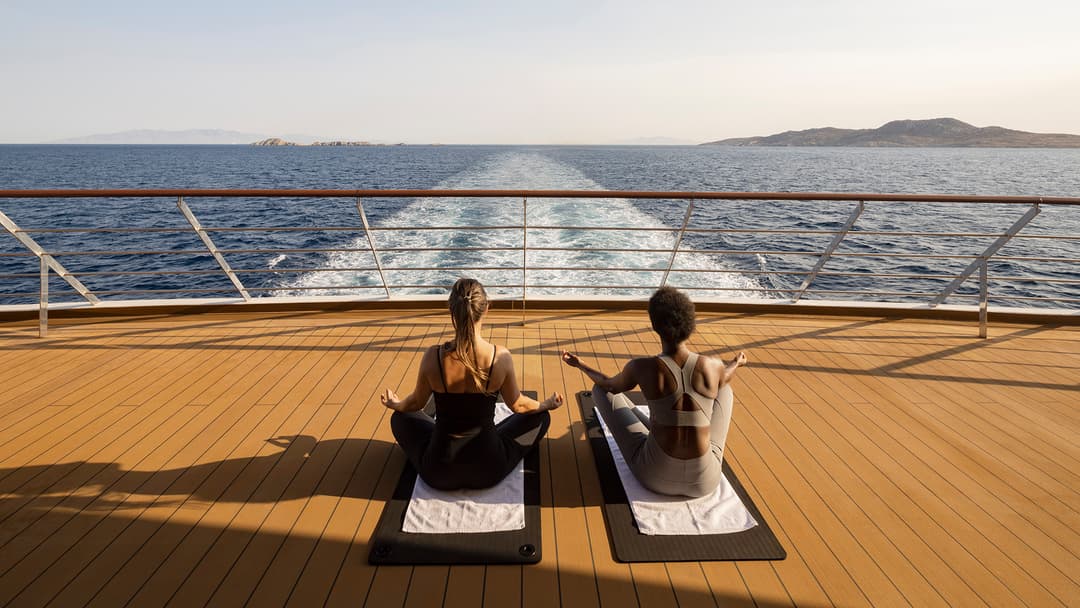
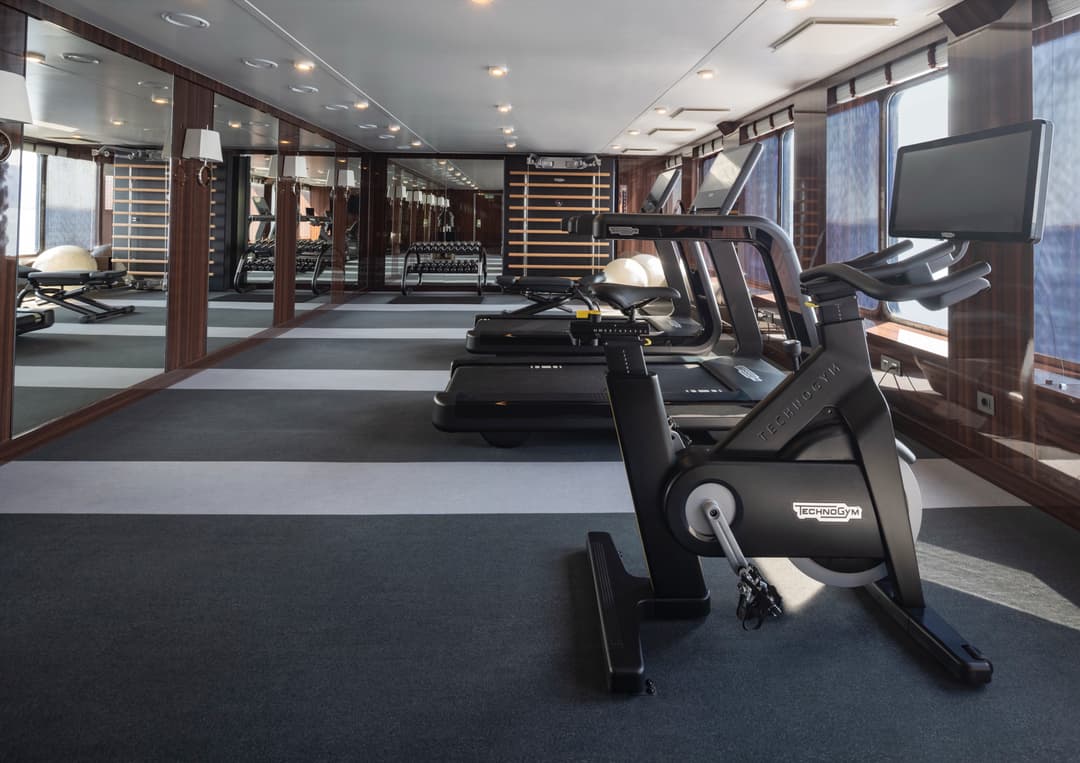
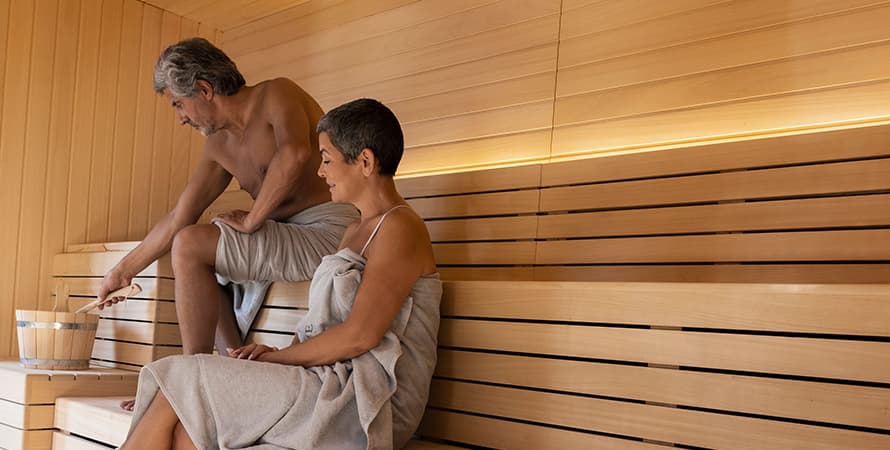
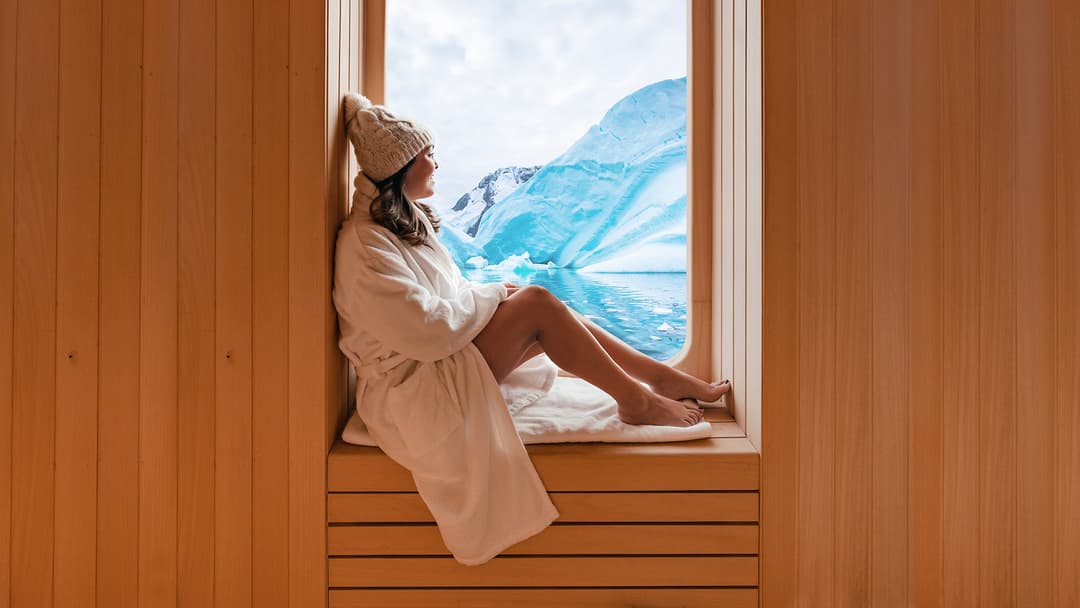
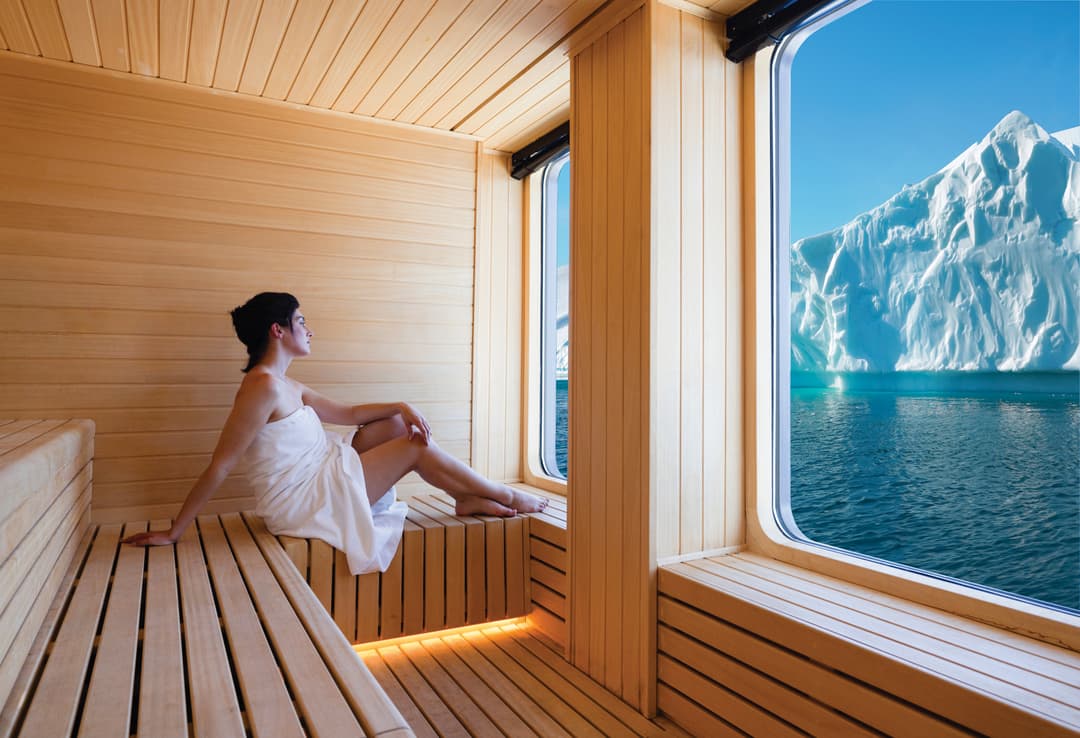
At Atlas Ocean Voyages, we encourage a holistic approach to life that incorporates mind, body and spirit. Connect with like-spirited explorers during Après Sea and satisfy your curiosity with exceptional guest lecturers to relish every aspect of a stimulating journey. From appreciating the dining experience to keeping up an exercise routine while on holiday to taking time for self-care, we cultivate an atmosphere of overall well-being in every space on board World Navigator.
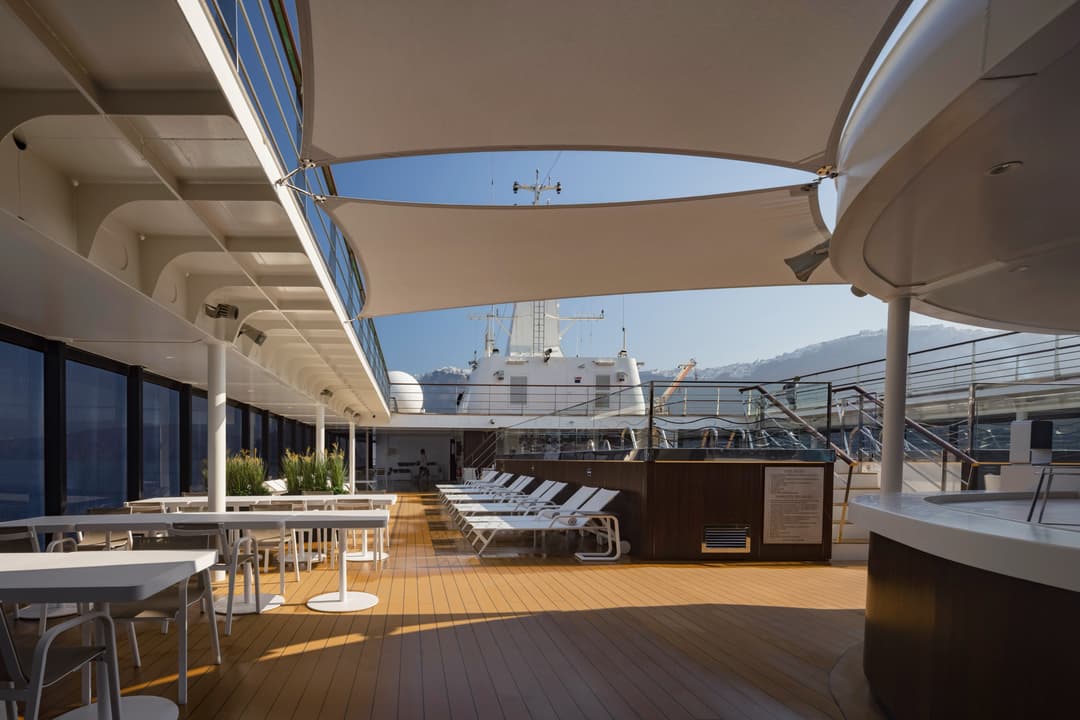
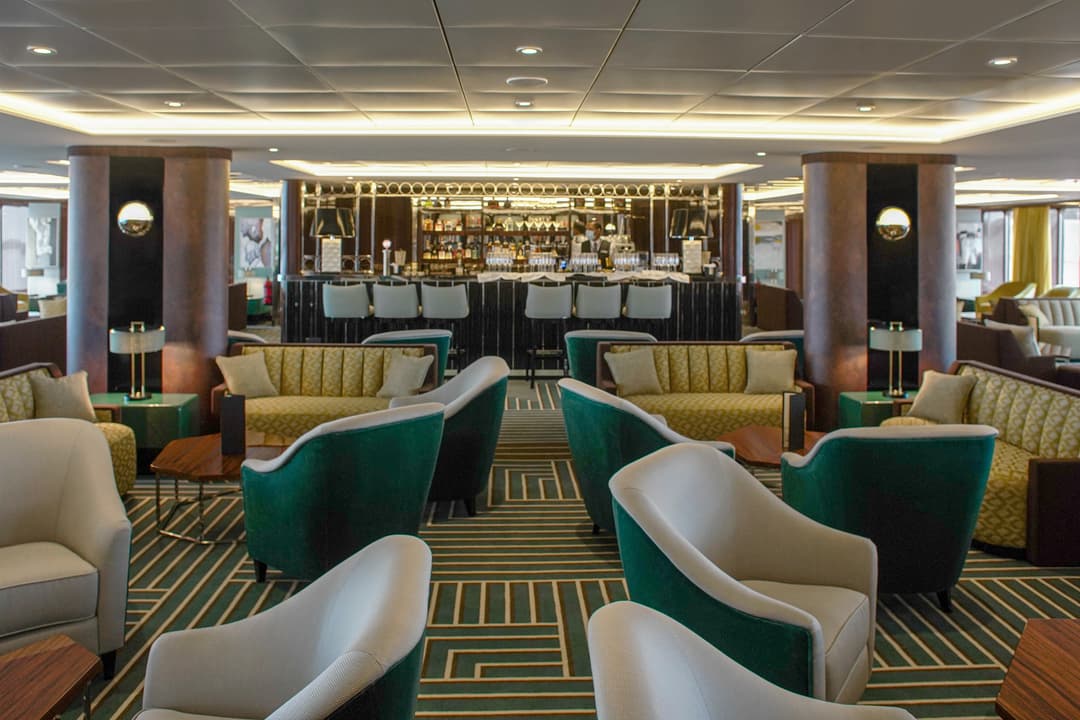
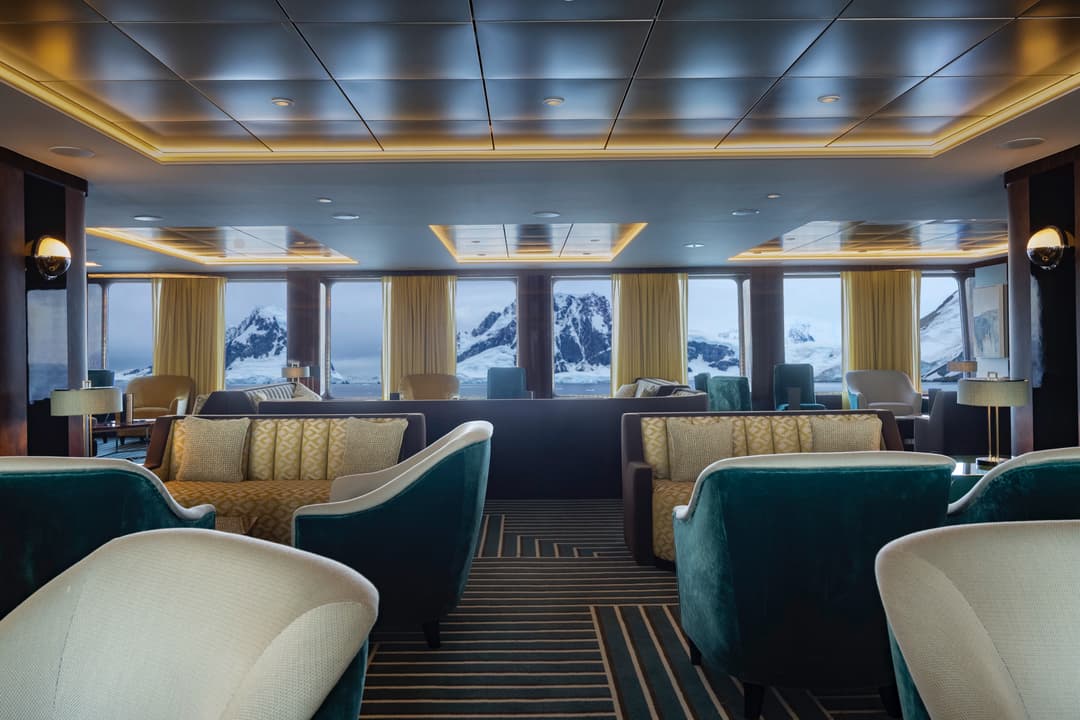
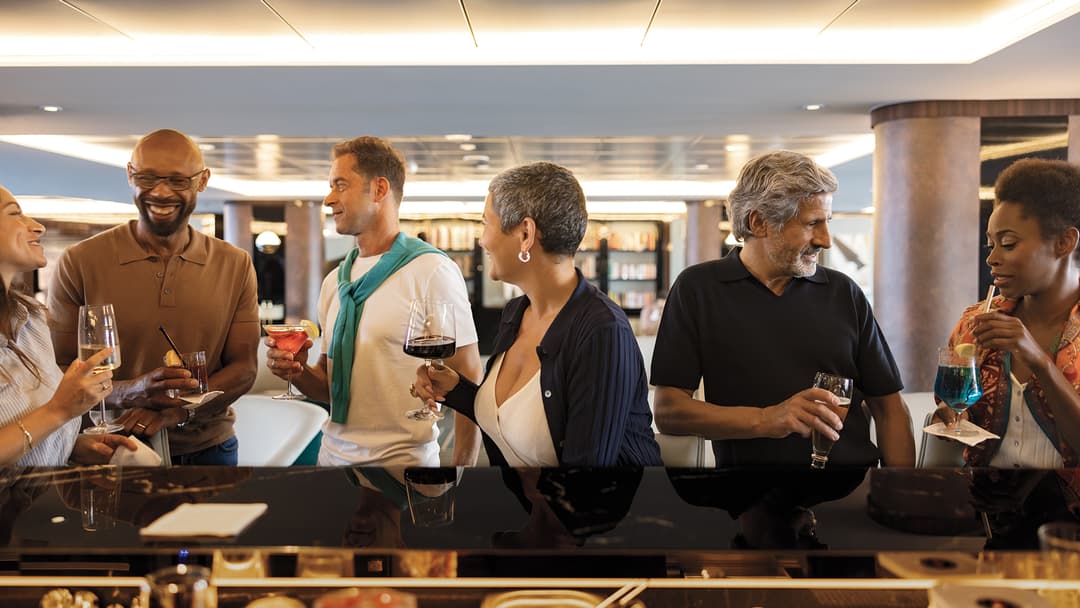
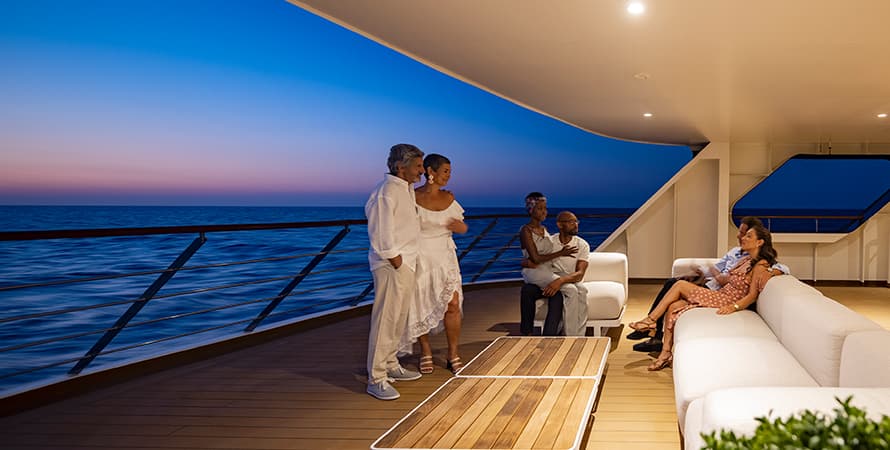
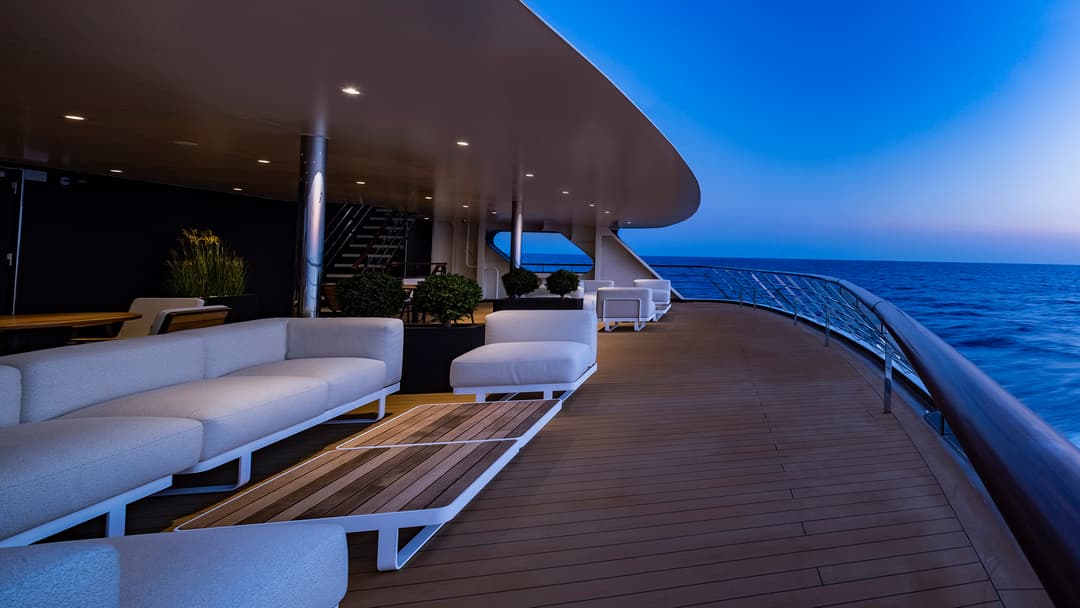
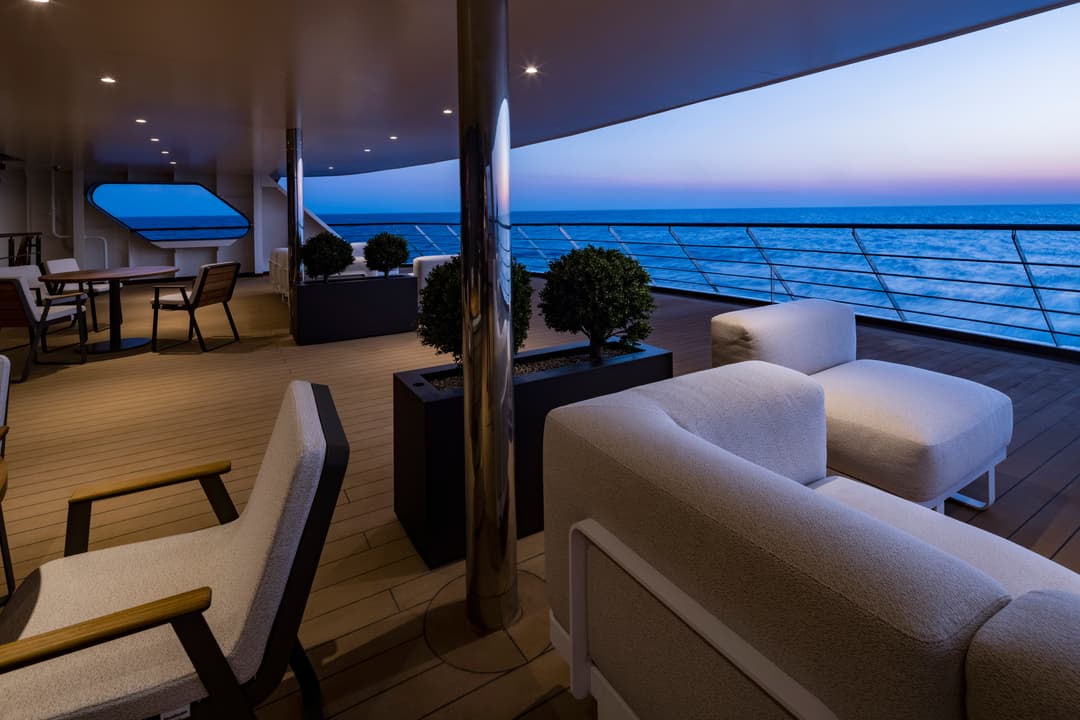
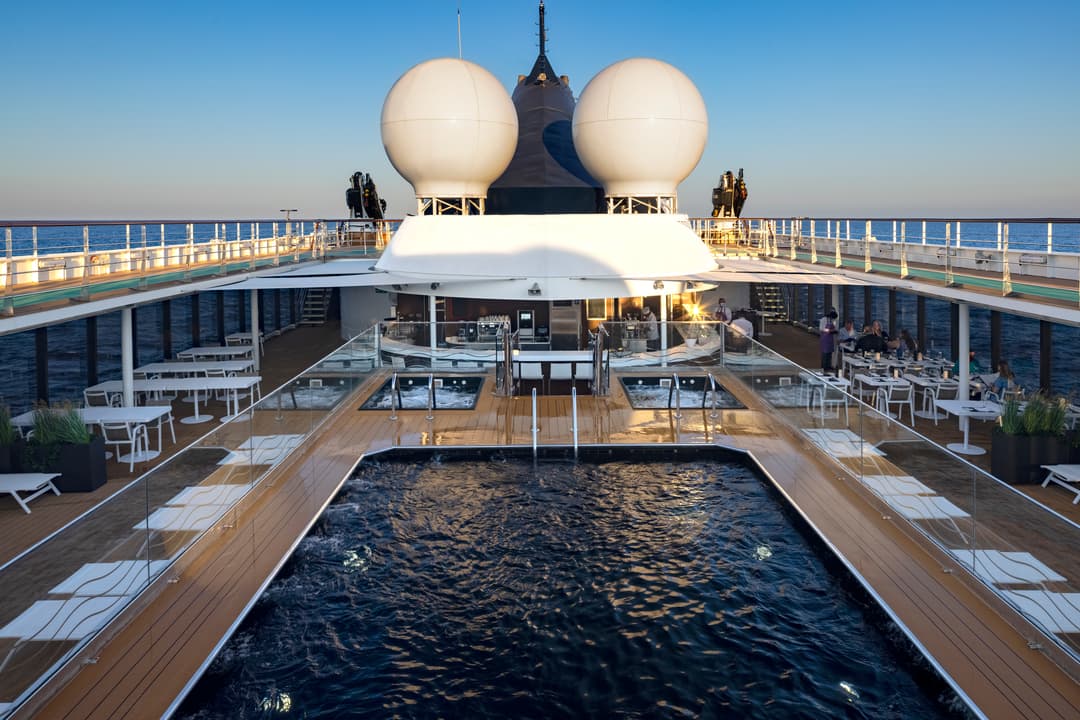
Open bars and lounges, including 24-hour bar service with specialty appetizers, are always included. Get to know your fellow explorers with champagne and gourmet canapés during a meet and greet. Enjoy a leisurely evening swapping stories or looking out on the horizon from spacious decks. An ambiance of relaxed luxury invites you to savor each moment of the journey, allowing for deeper connections as you mingle with new friends.
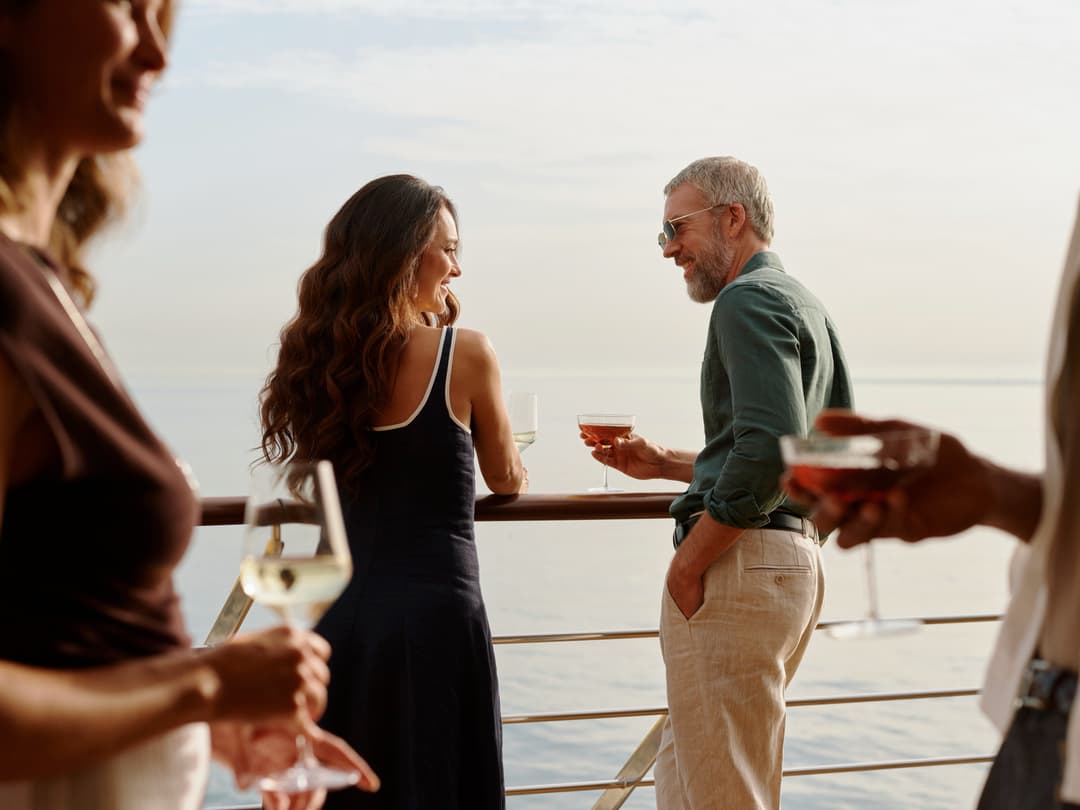
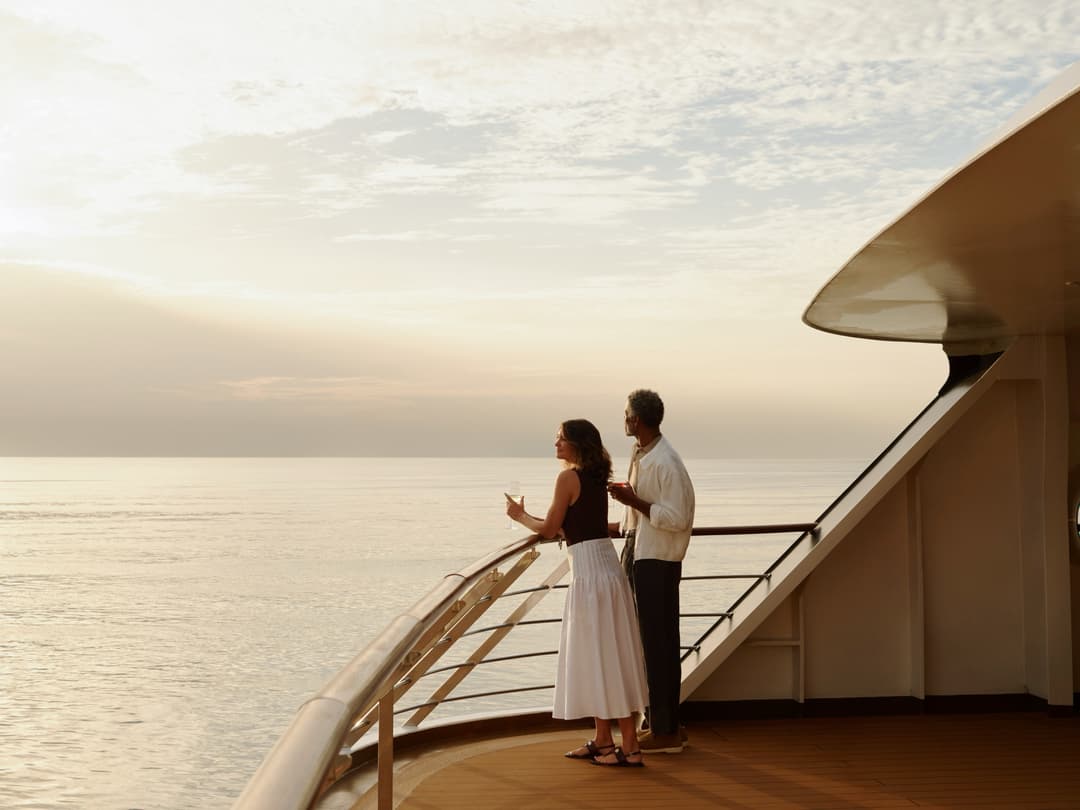
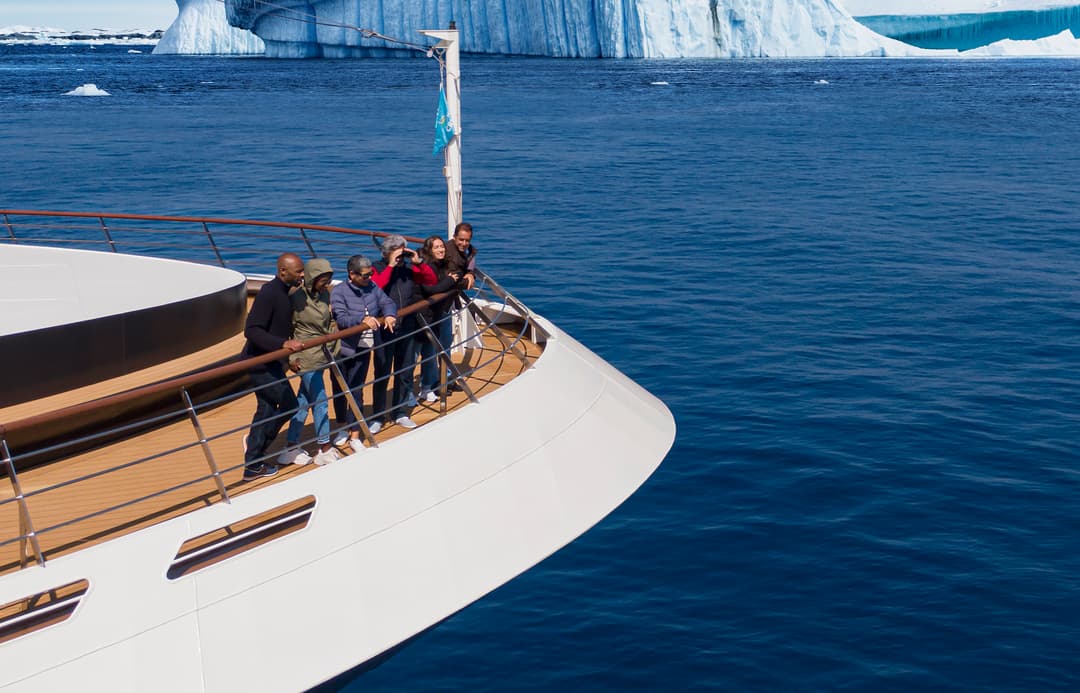
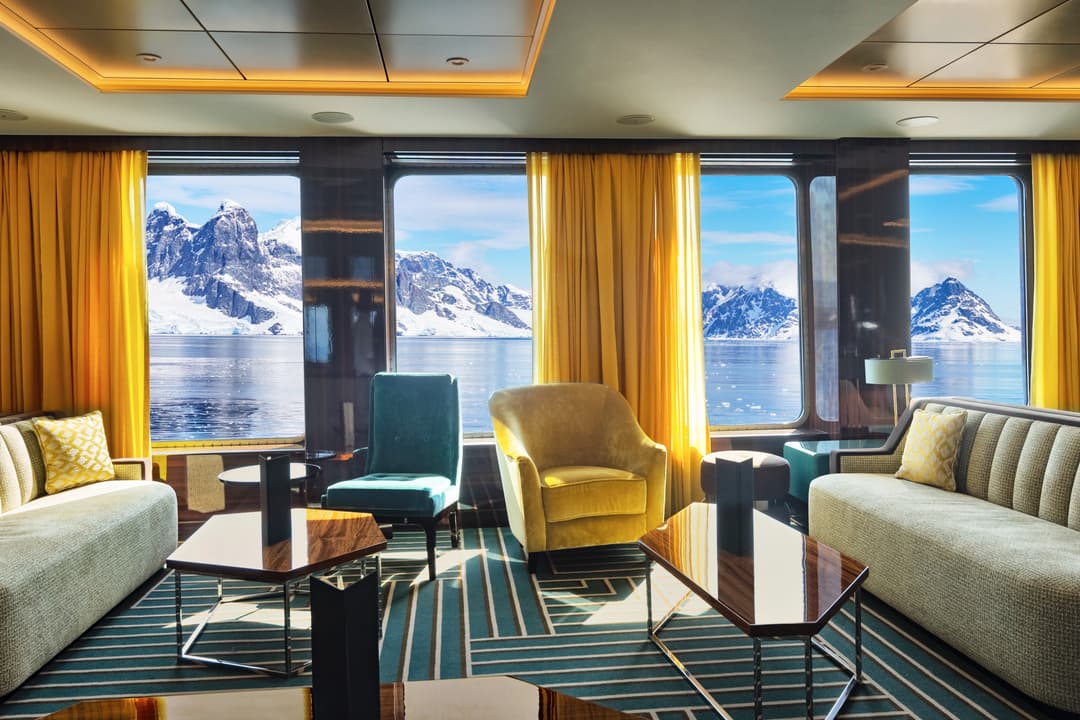
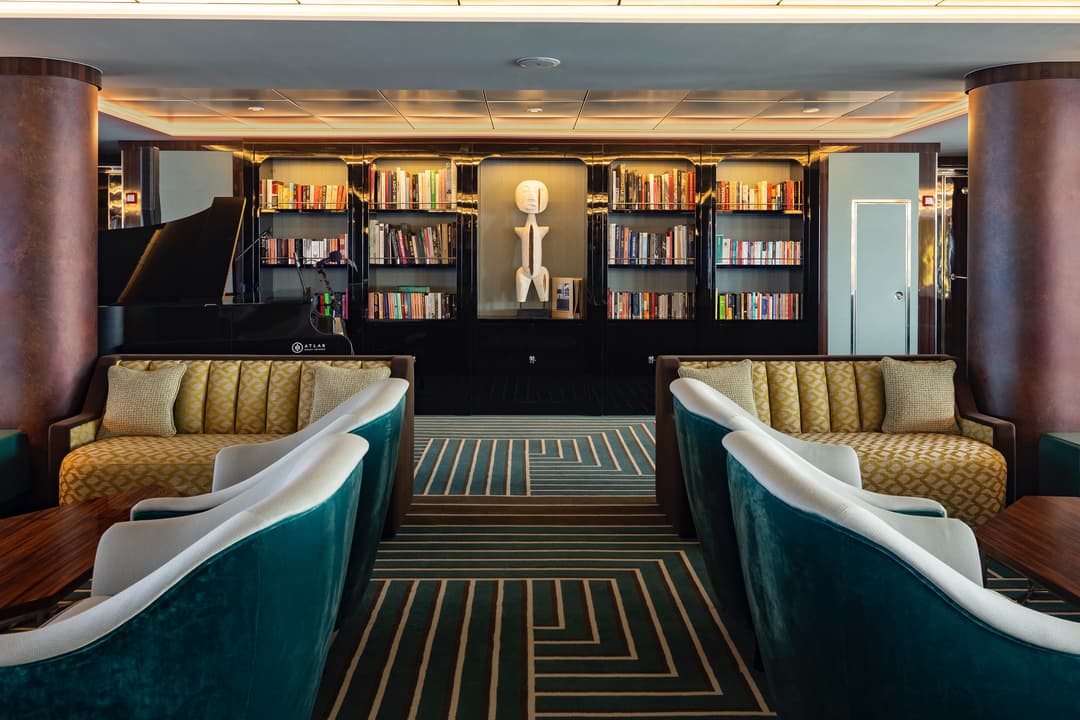
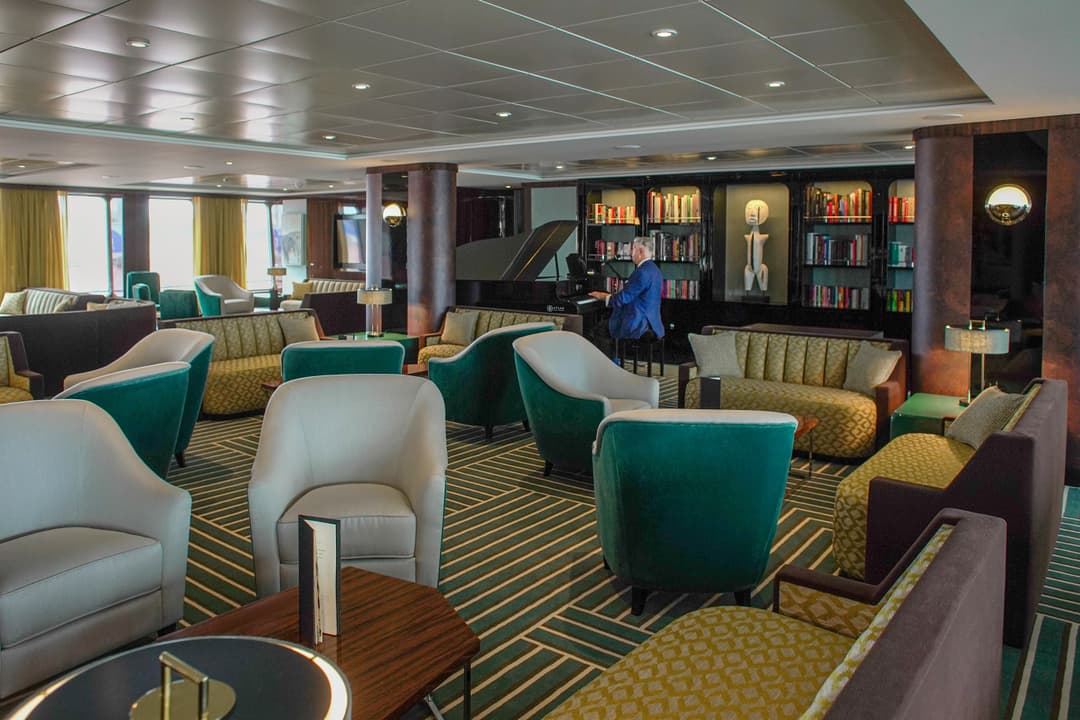
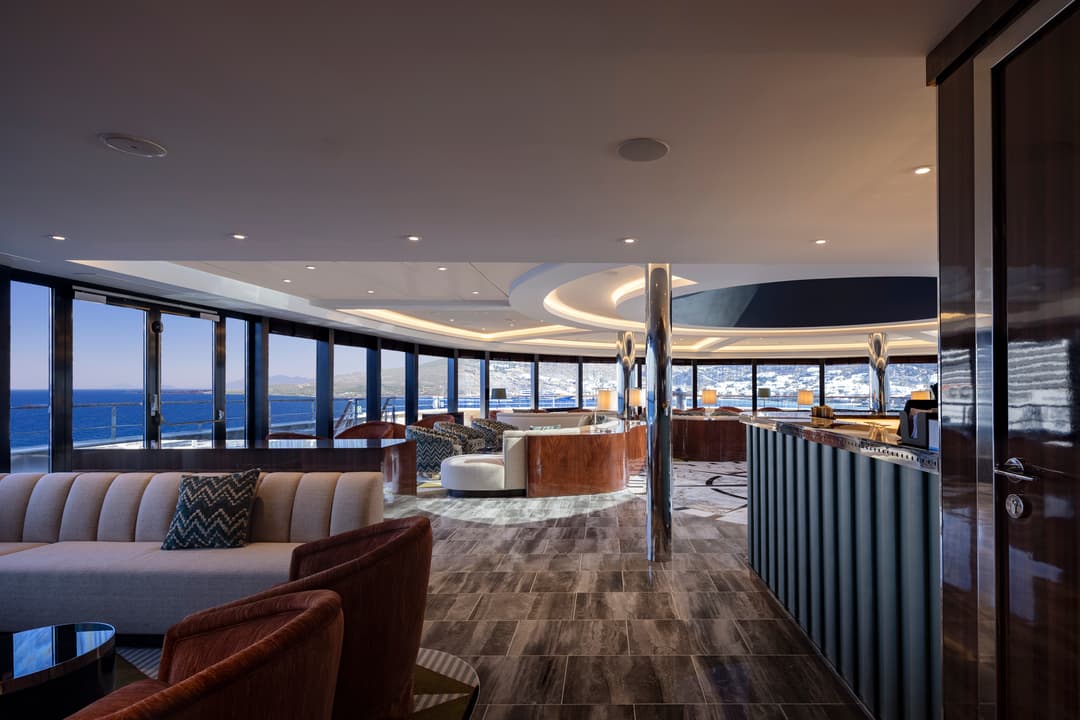
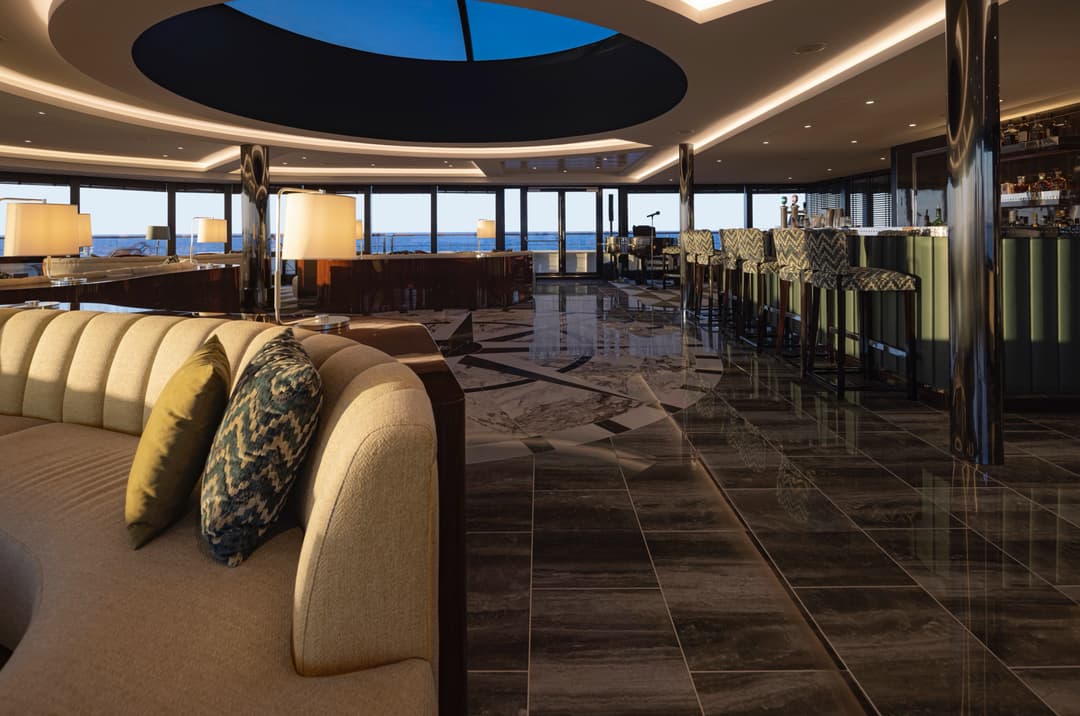
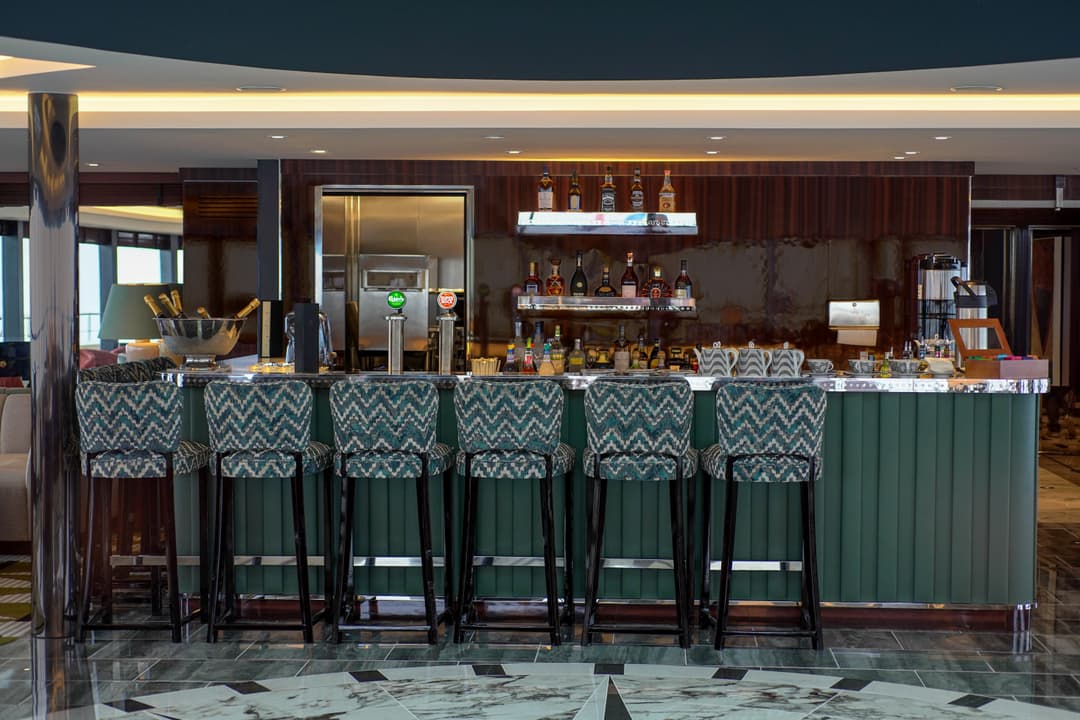
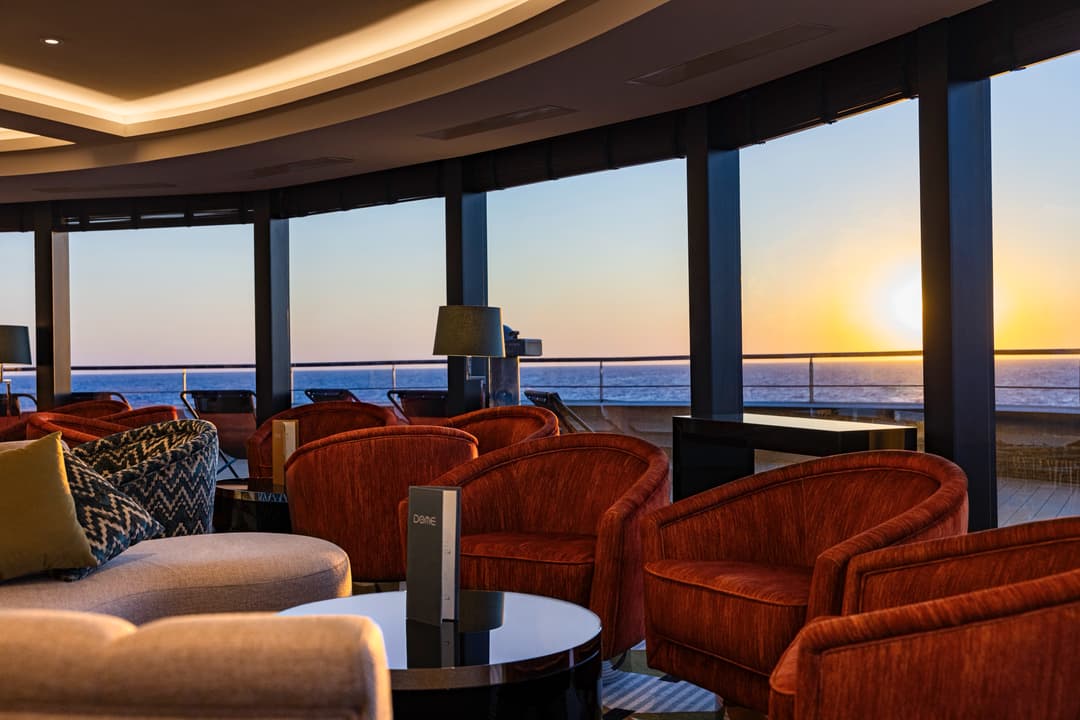
Travel naturally inspires a sense of well-being by stimulating the mind, providing fresh perspectives and renewing your sense of wonder. On a journey with Atlas Ocean Voyages, your health and wellness is further enhanced by experiences on board that invite you to take a journey inward. Throughout your voyage, take the time to relax and stretch as well as challenge yourself and keep up with a workout routine.





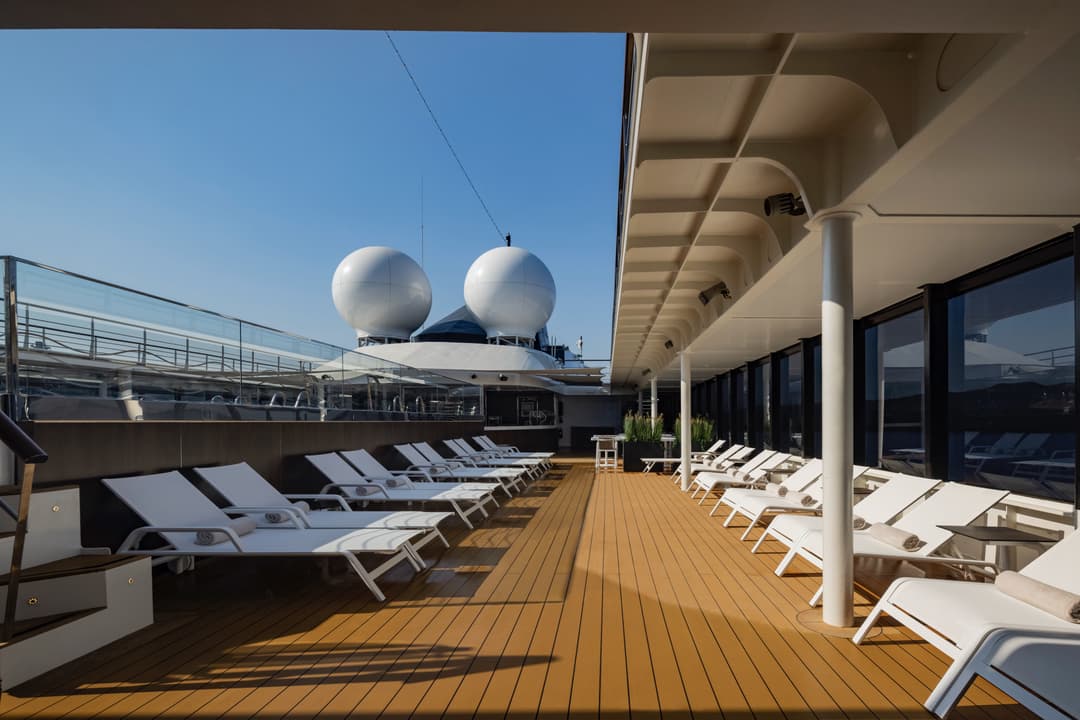
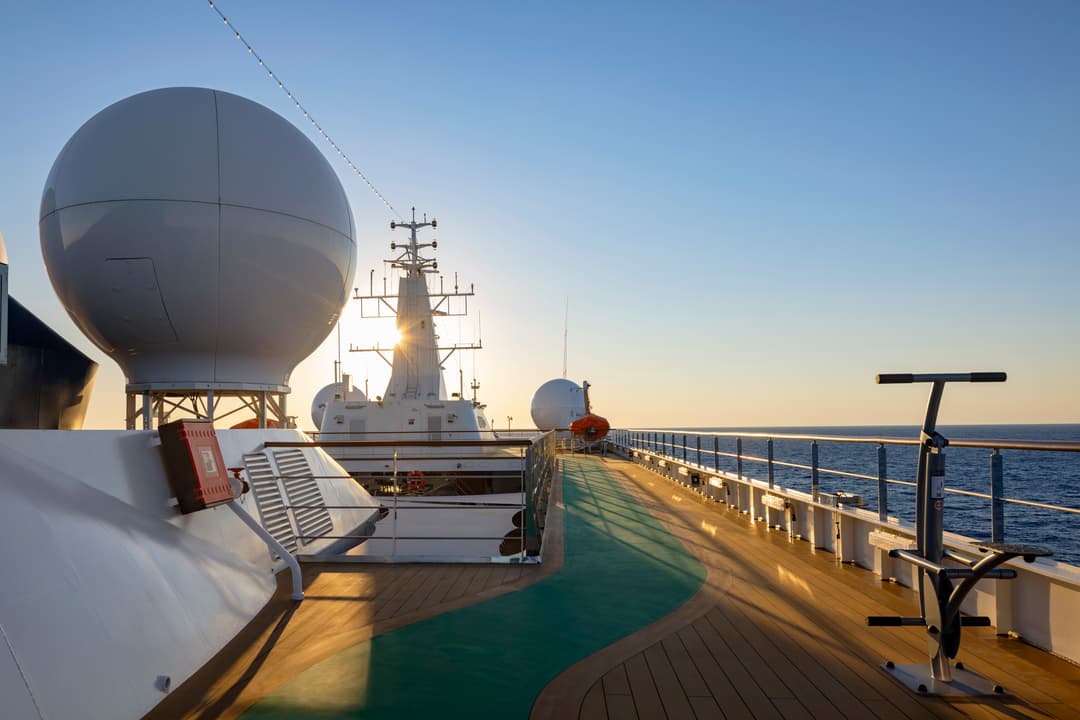
Atlas Ocean Voyages takes great care to ensure you explore as far and wide as you wish, be it before, during or after your expedition. During your journey, guided outings ashore let you delve deep into the history, culture and natural wonders of each destination.
Free Cultural Immersion On Every Voyage
Learn to make traditional Ligurian pesto in the beautiful seaside village of Porto Venere. Listen to classical music amid th....
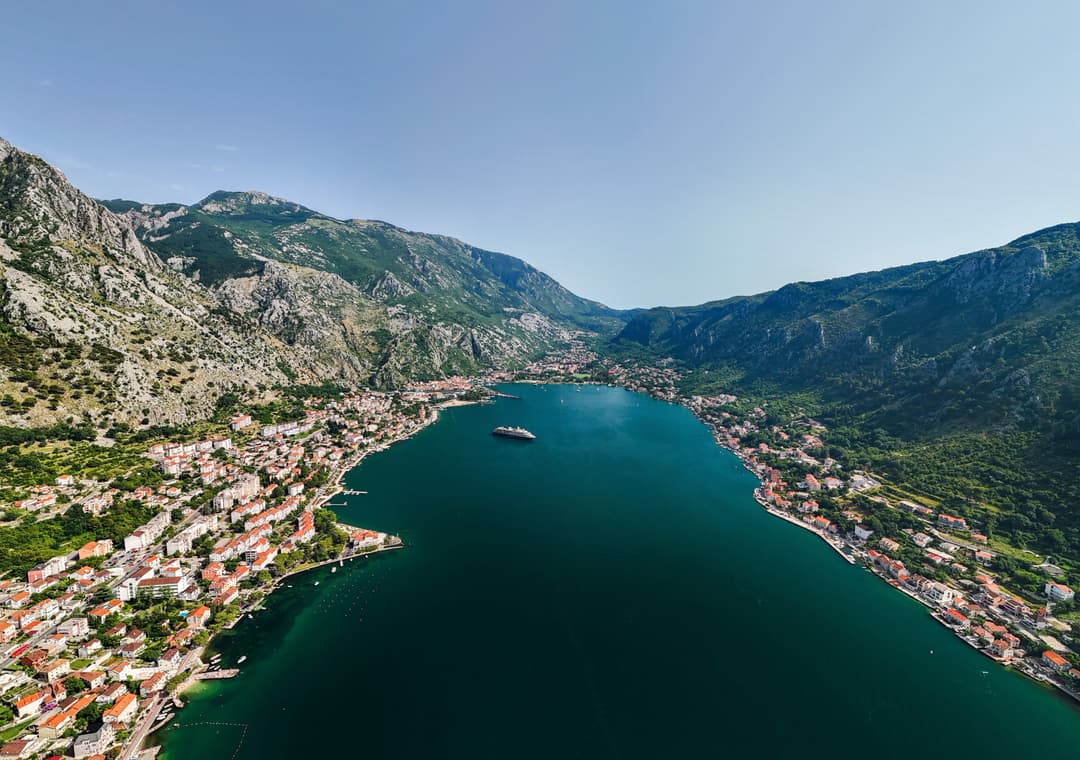
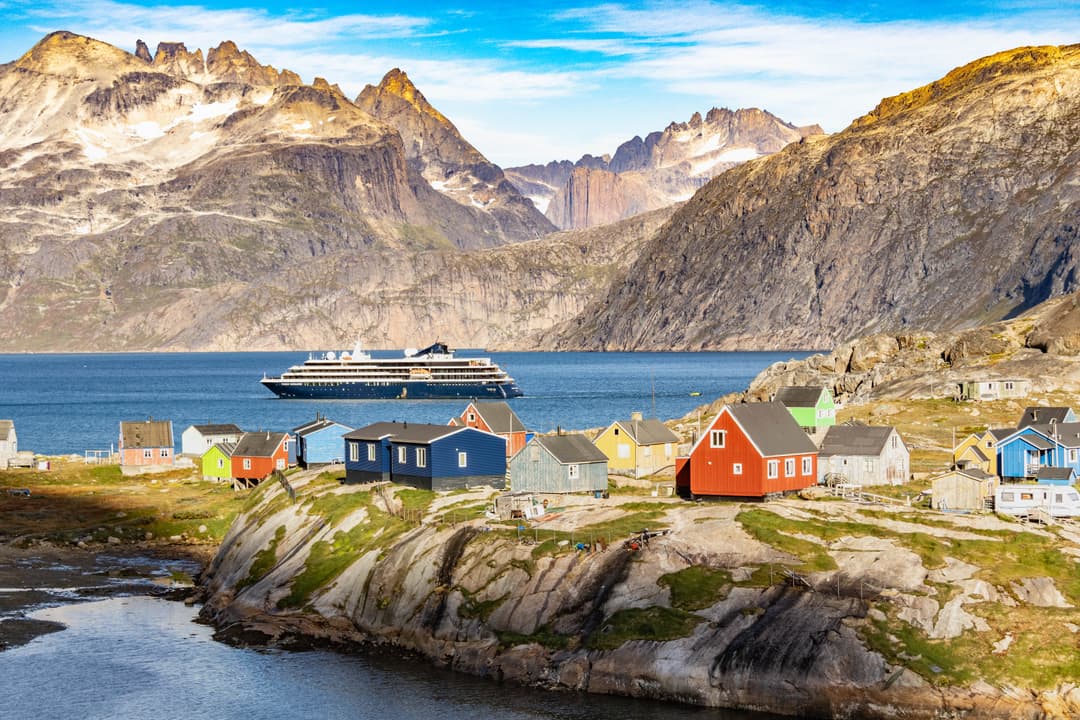
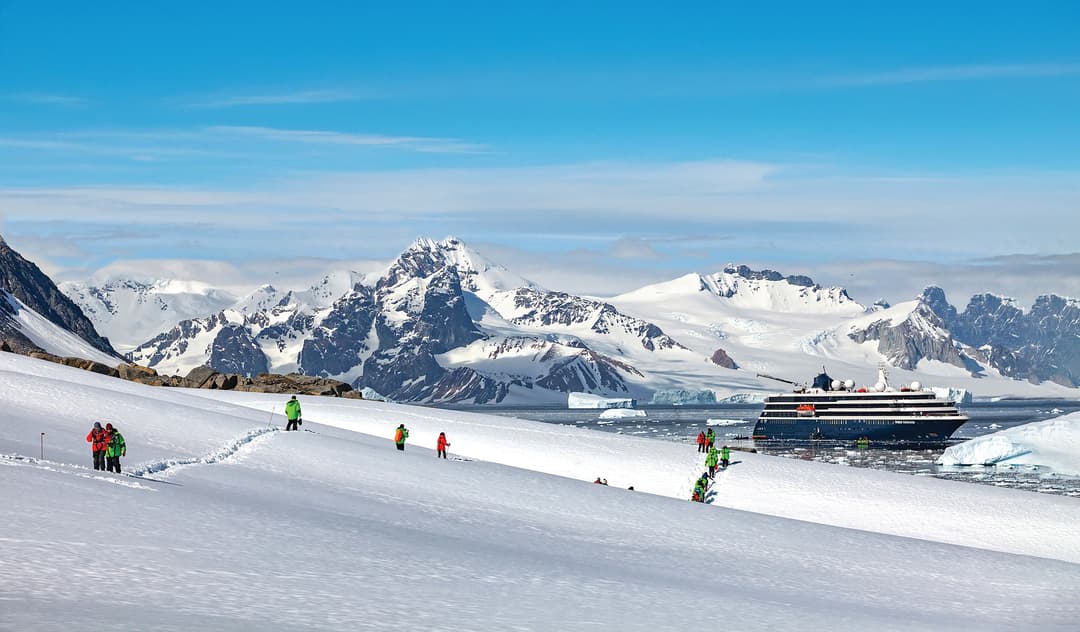
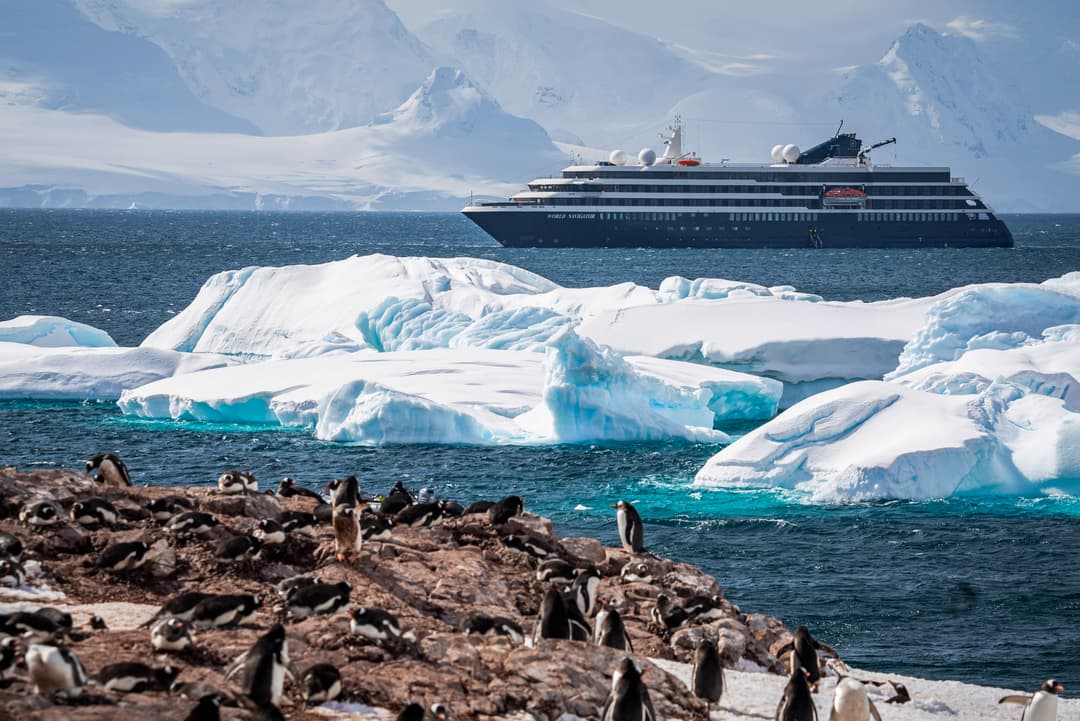
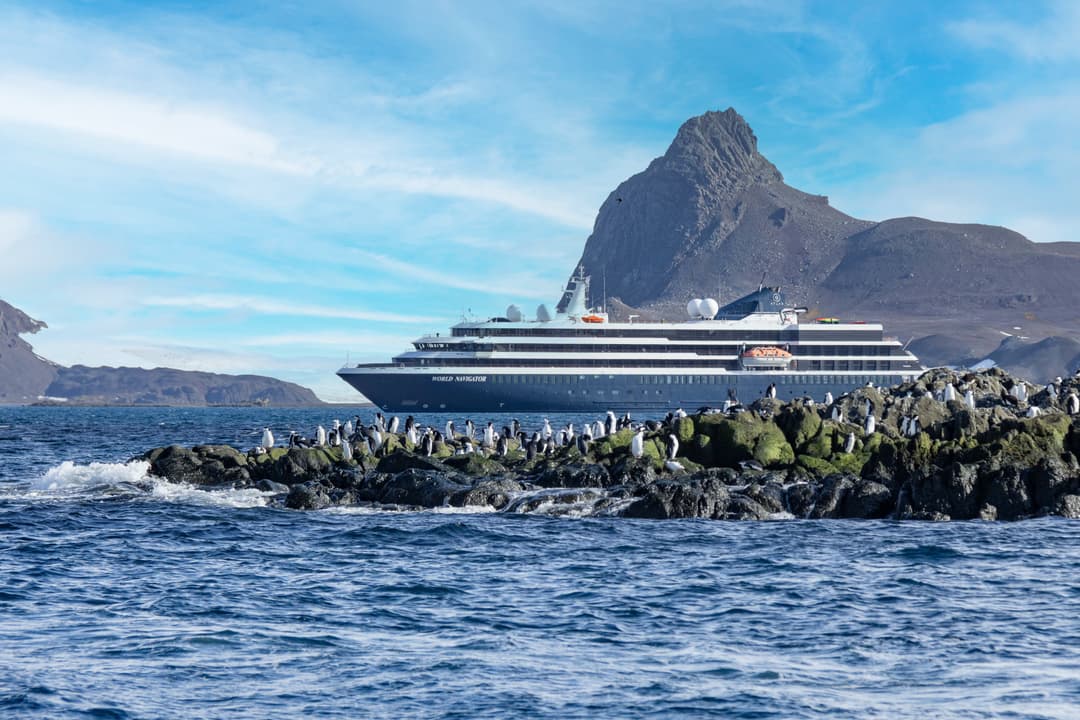
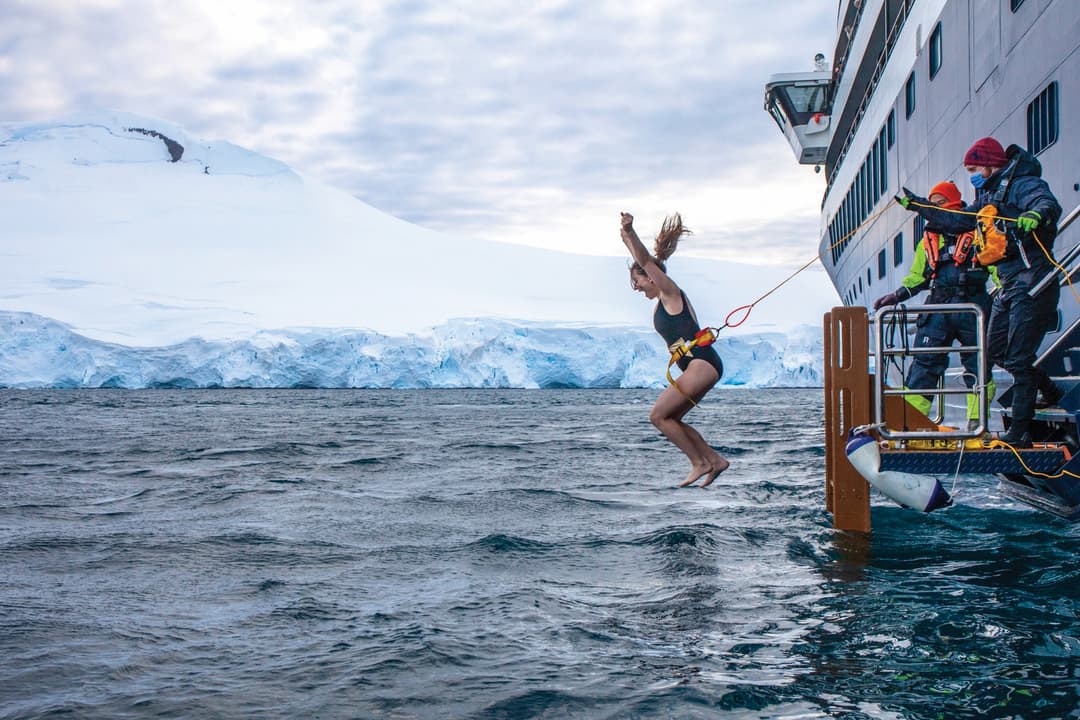
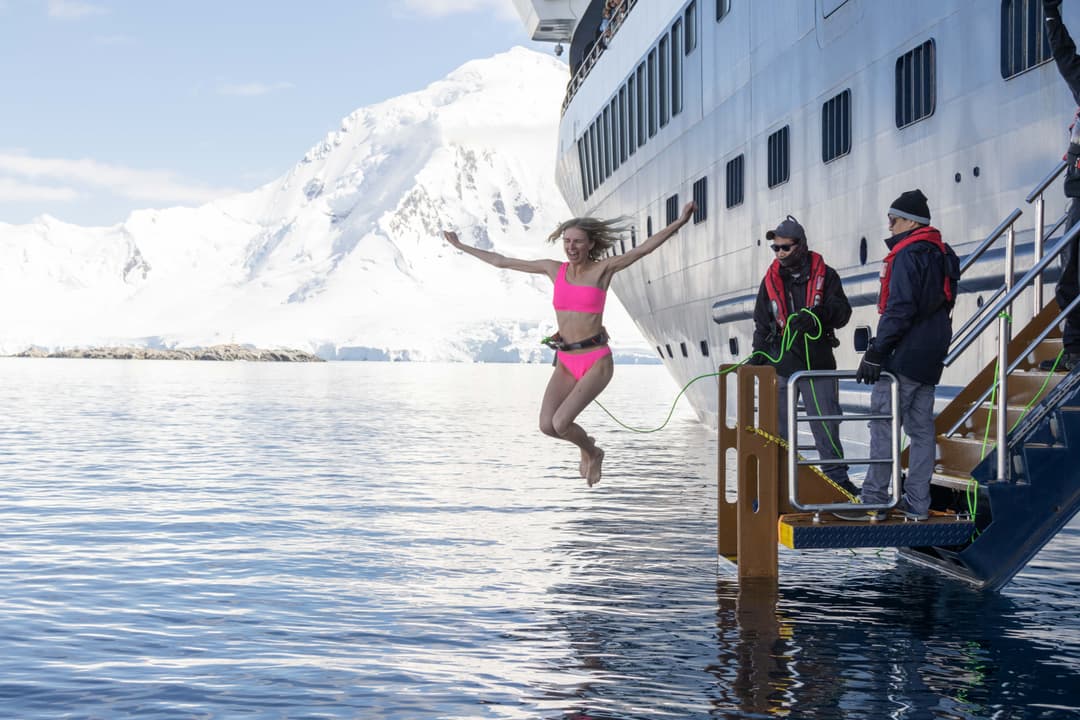
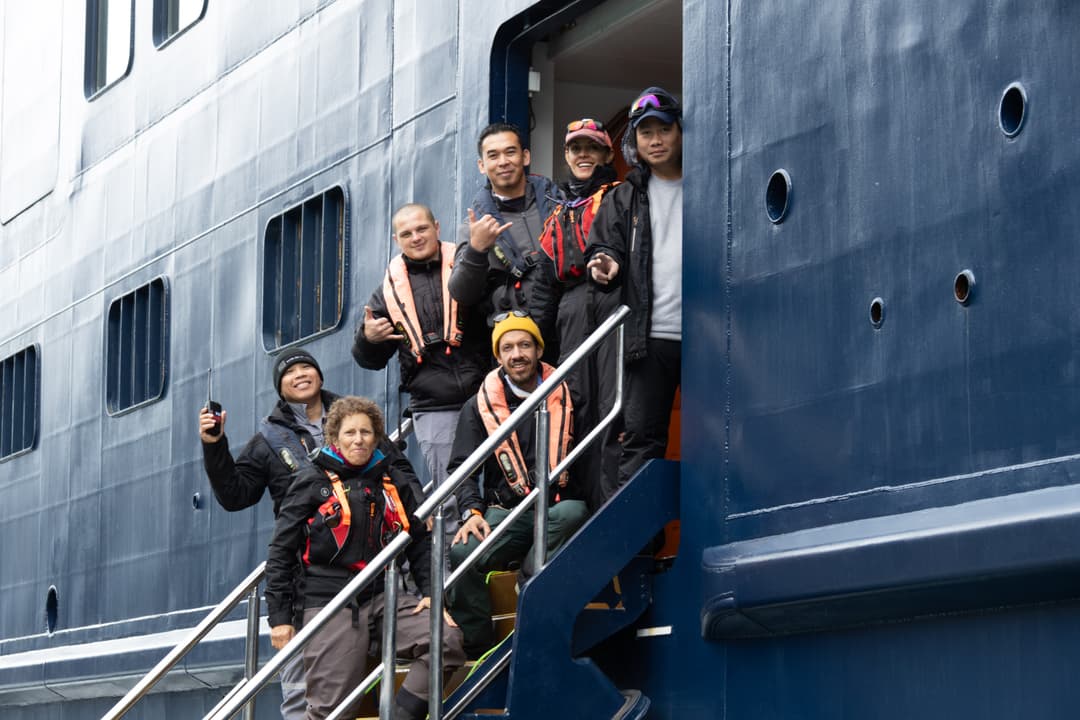
Our expedition team navigates custom-built Zodiac boats along icy waters just inches from floating icebergs, glacier-covered shores, and even breaching whales. Watch for porpoising penguins in Antarctic seas and polar bears on the prowl in the Arctic.
Our Zodiacs will take you ashore up to twice daily under suitable conditions. Amid the spectacular polar landscapes, our expedition team leads glacial hikes and guides you in safe observati....
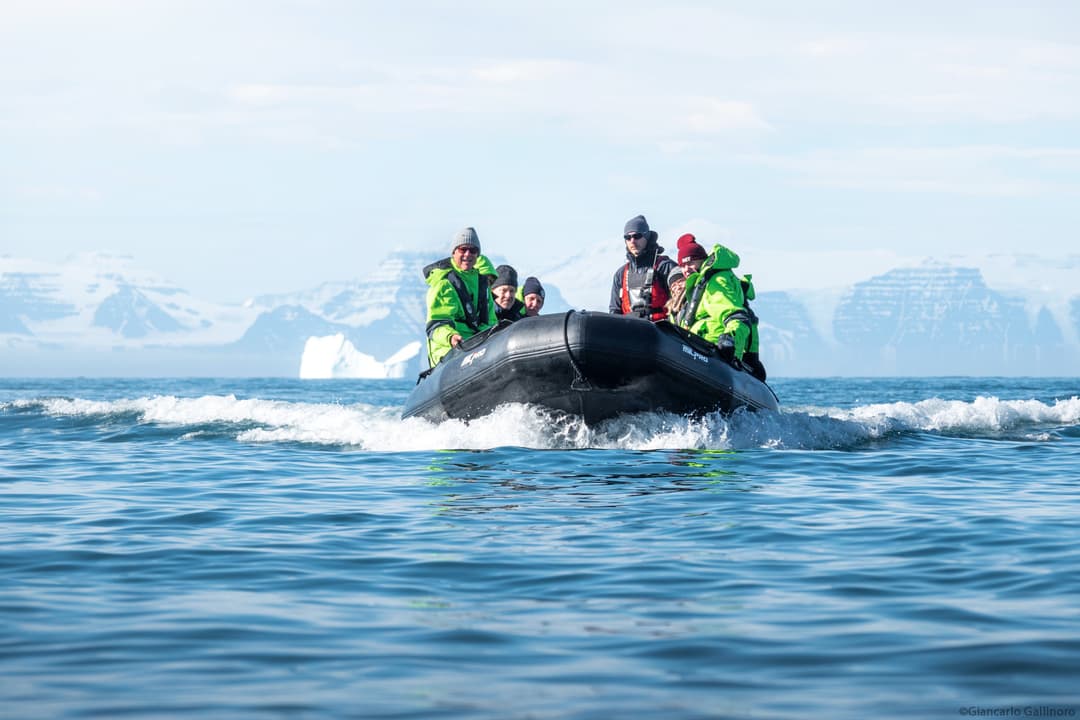

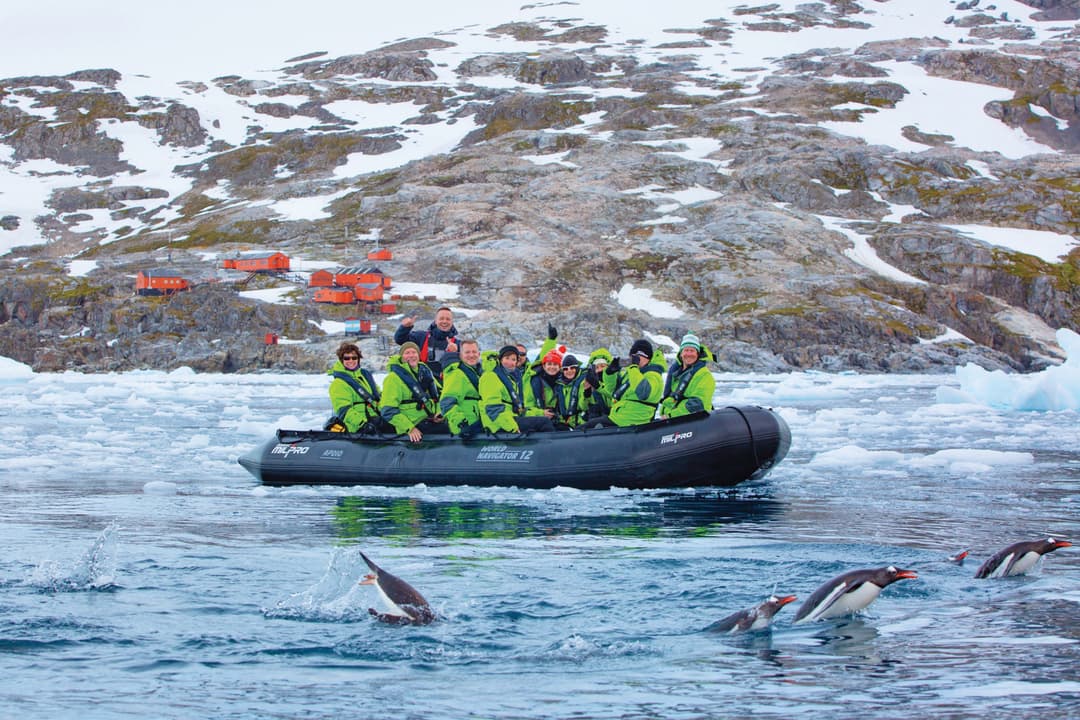
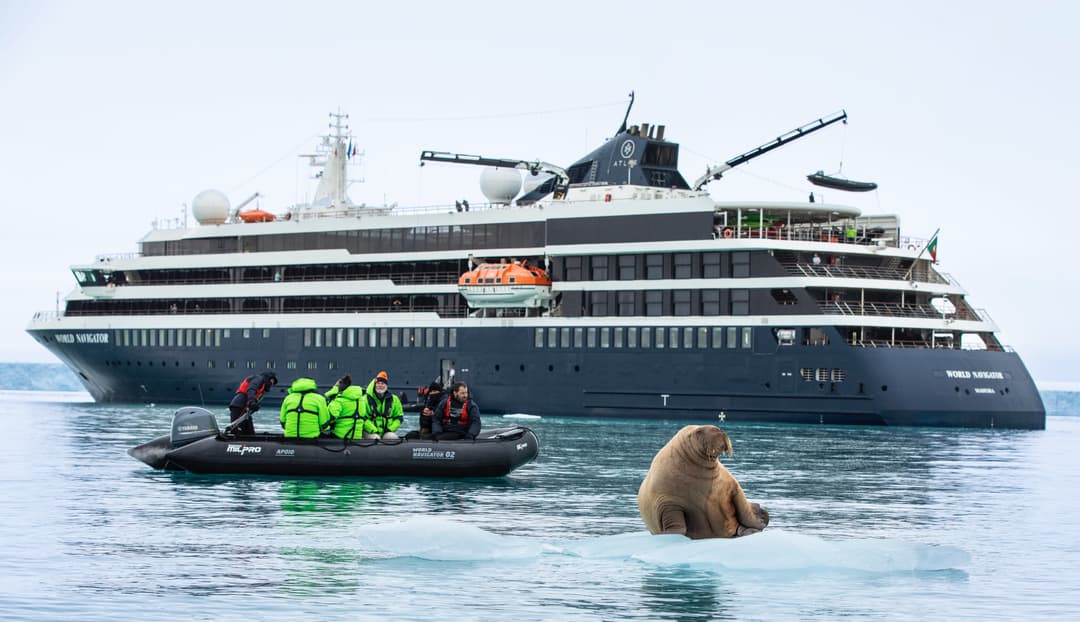
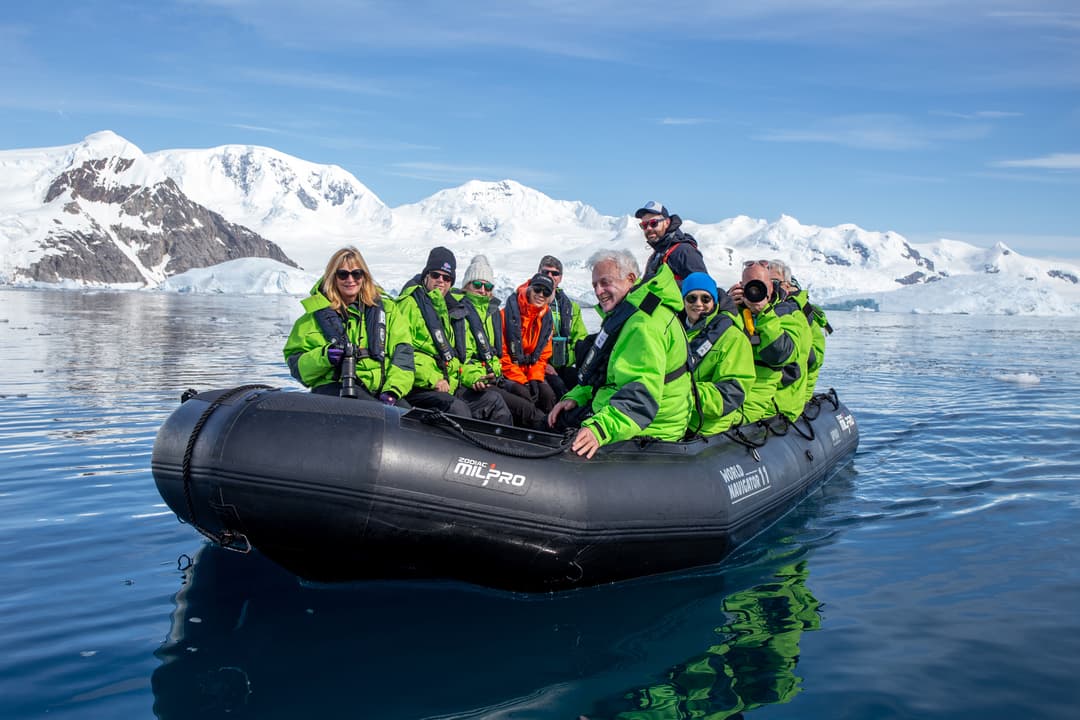
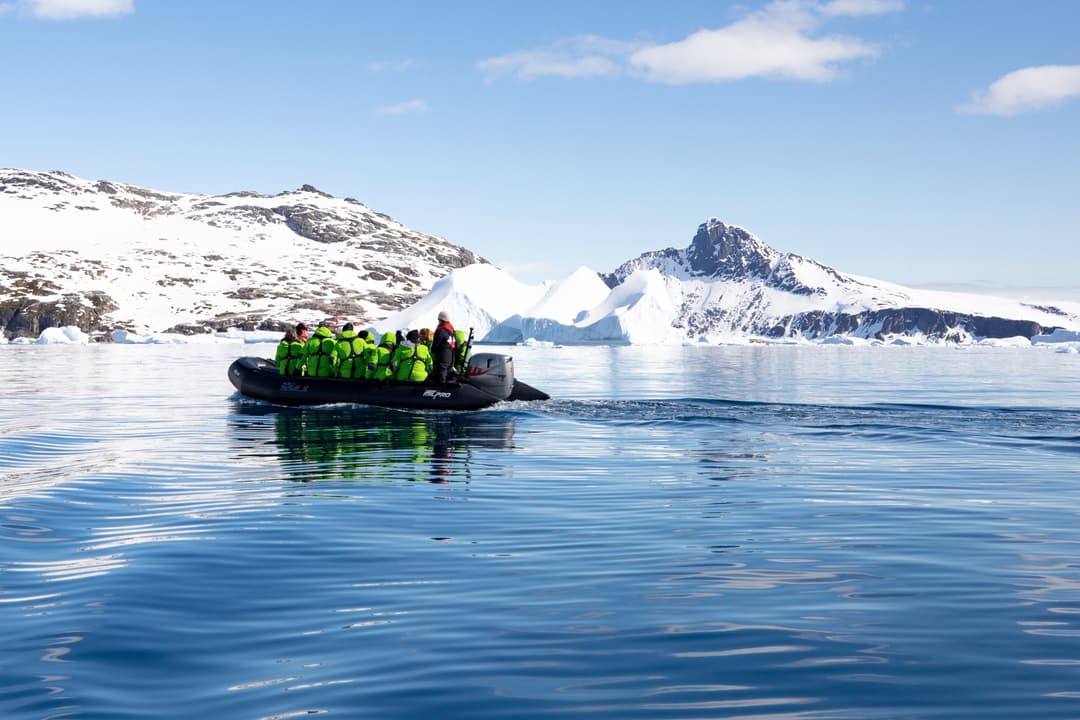
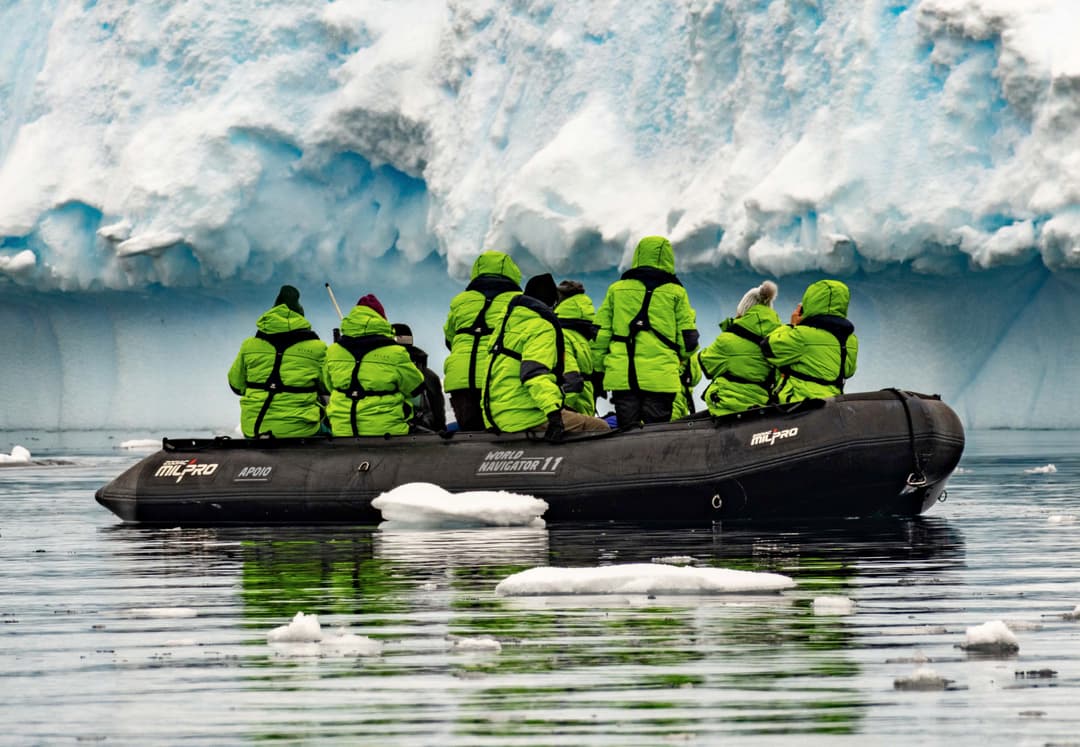
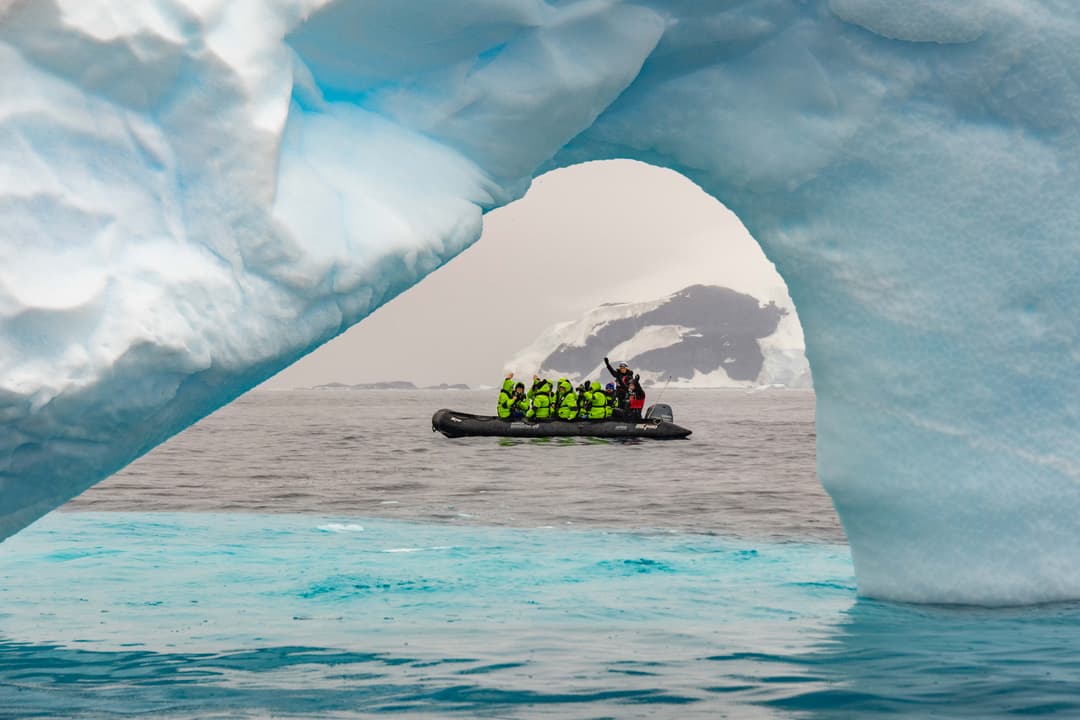
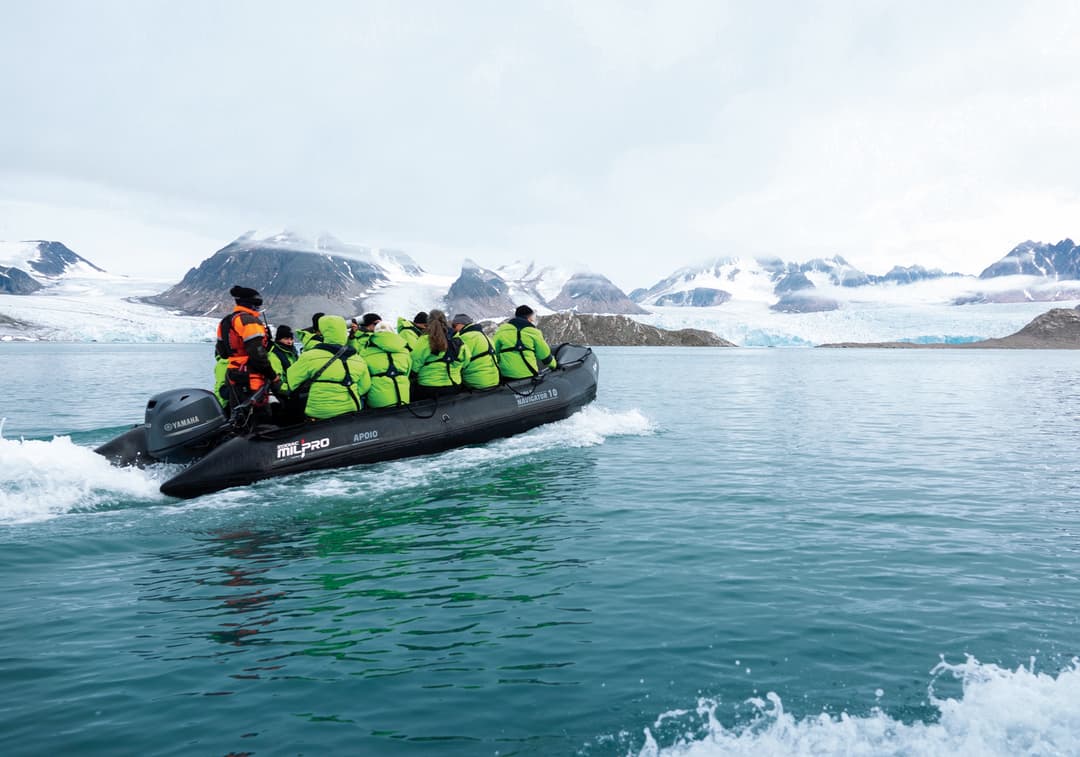
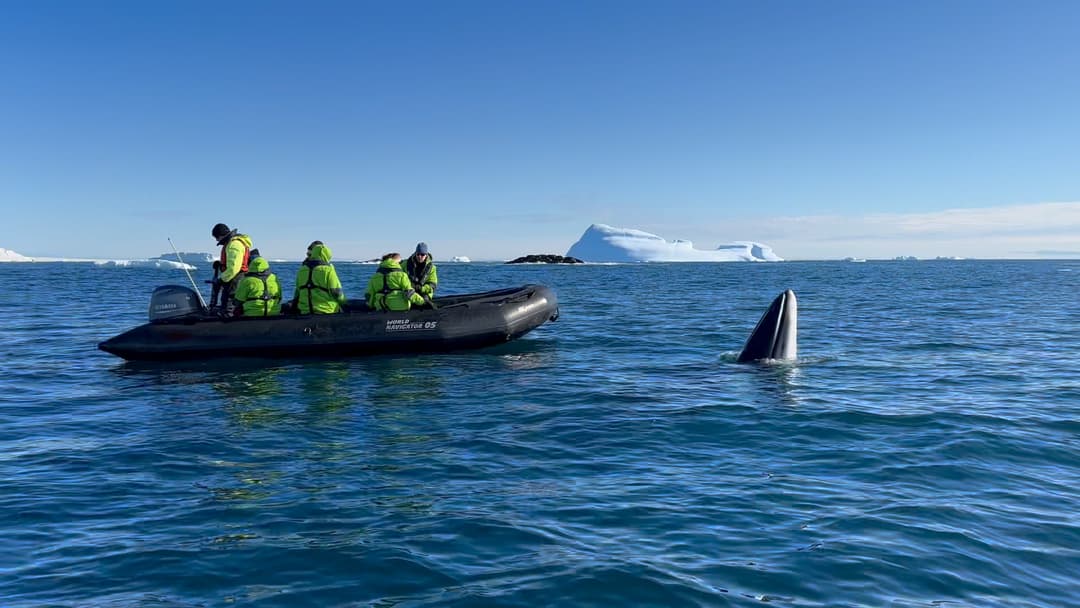
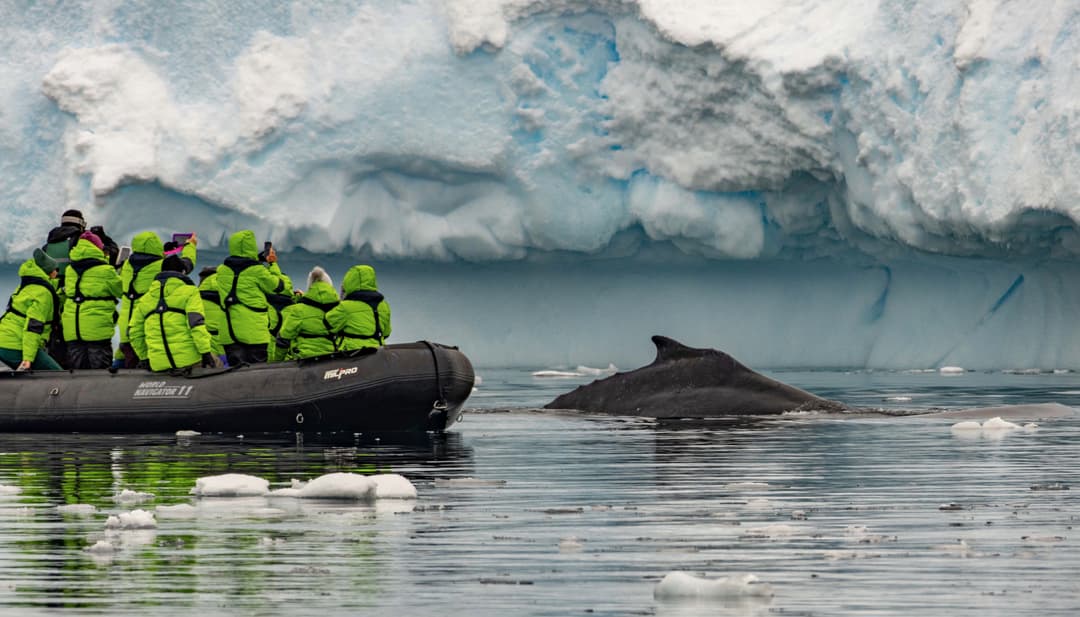
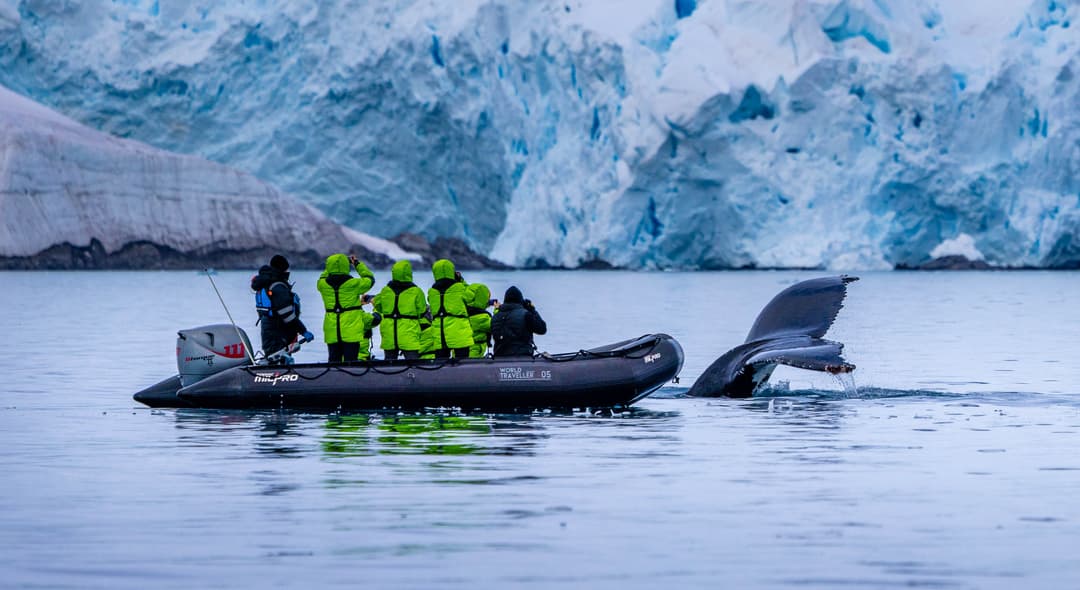
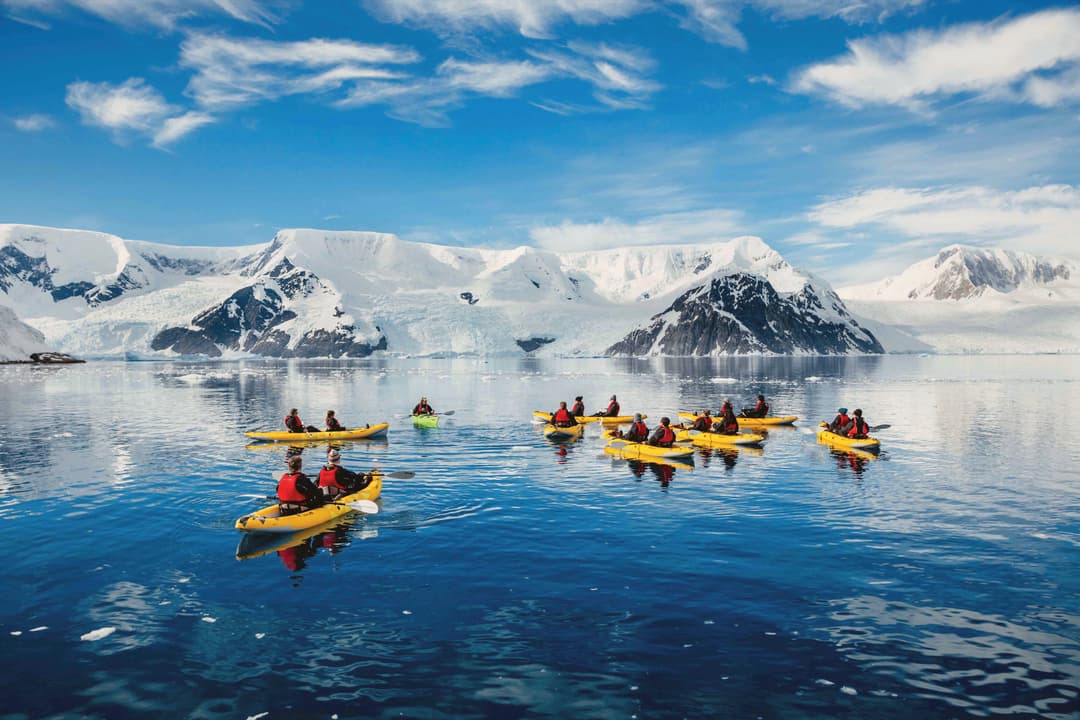


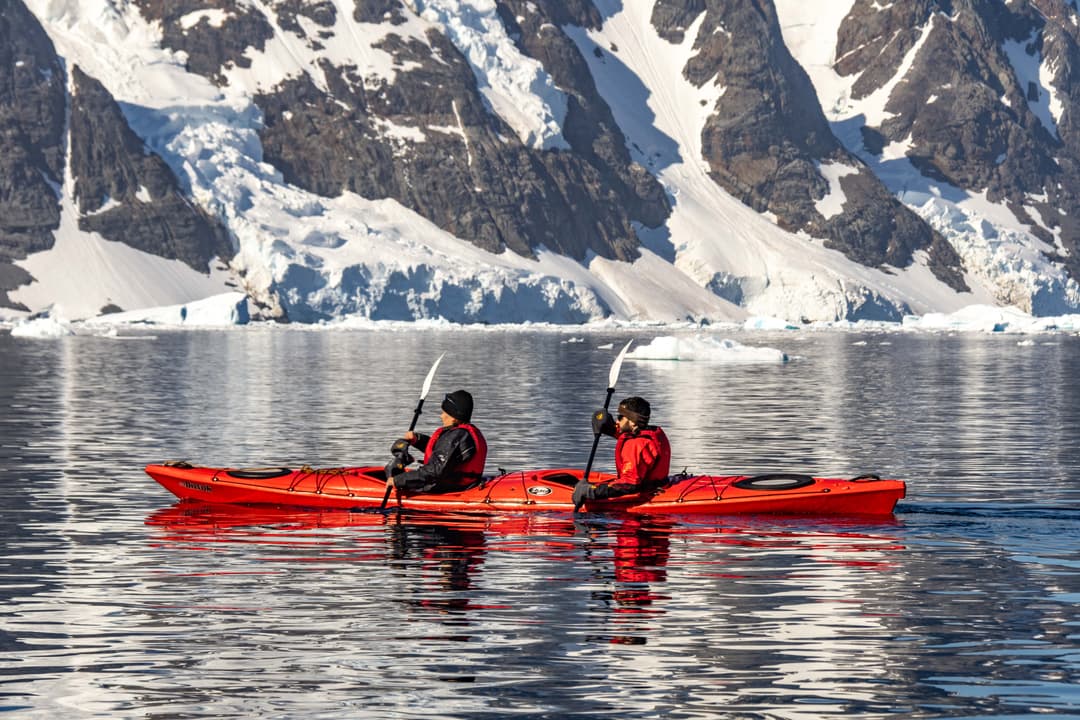
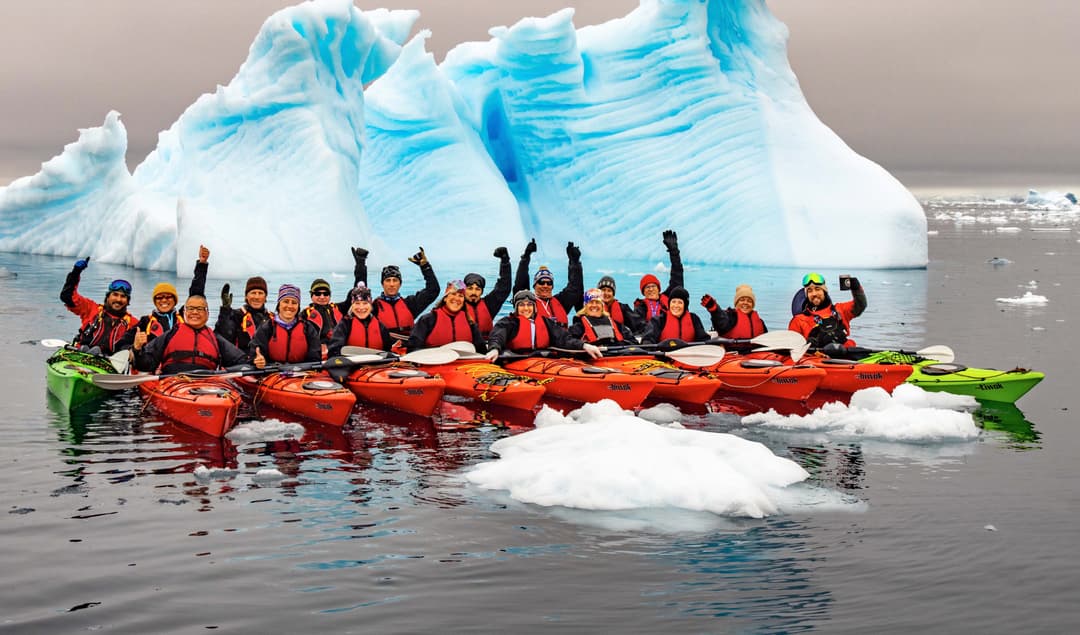
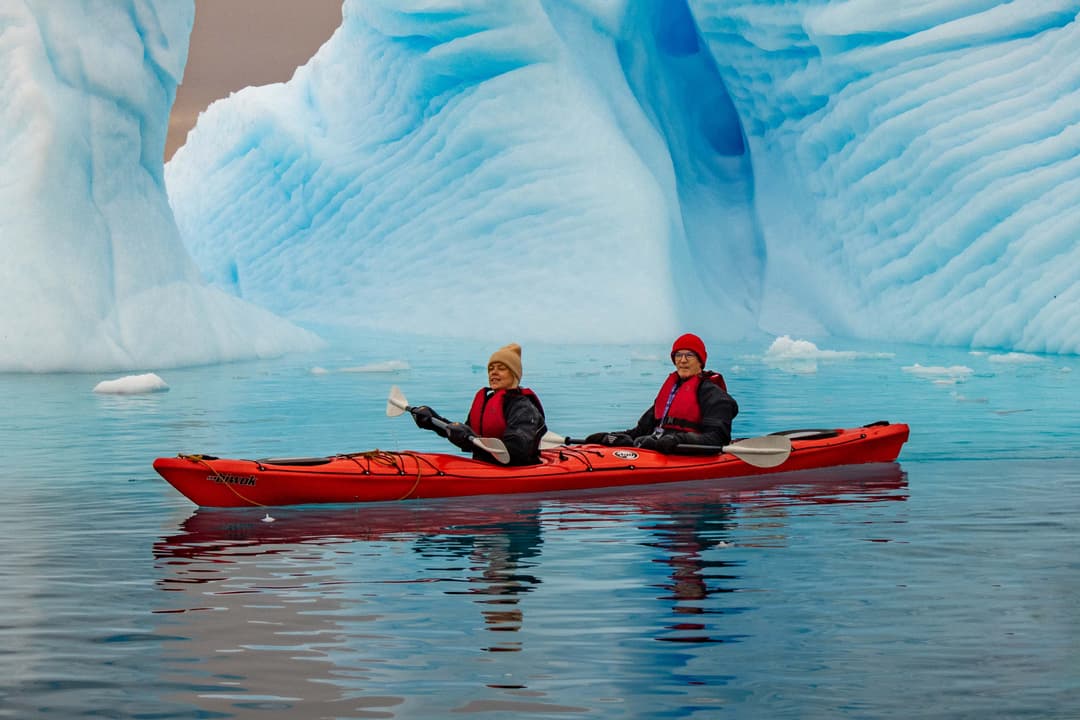
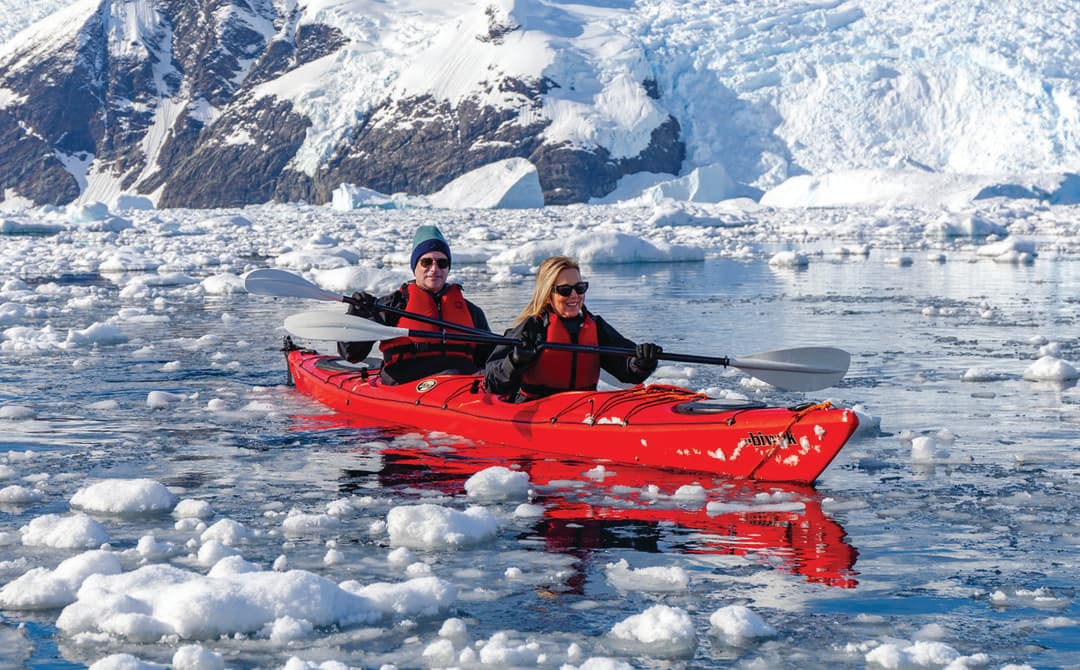
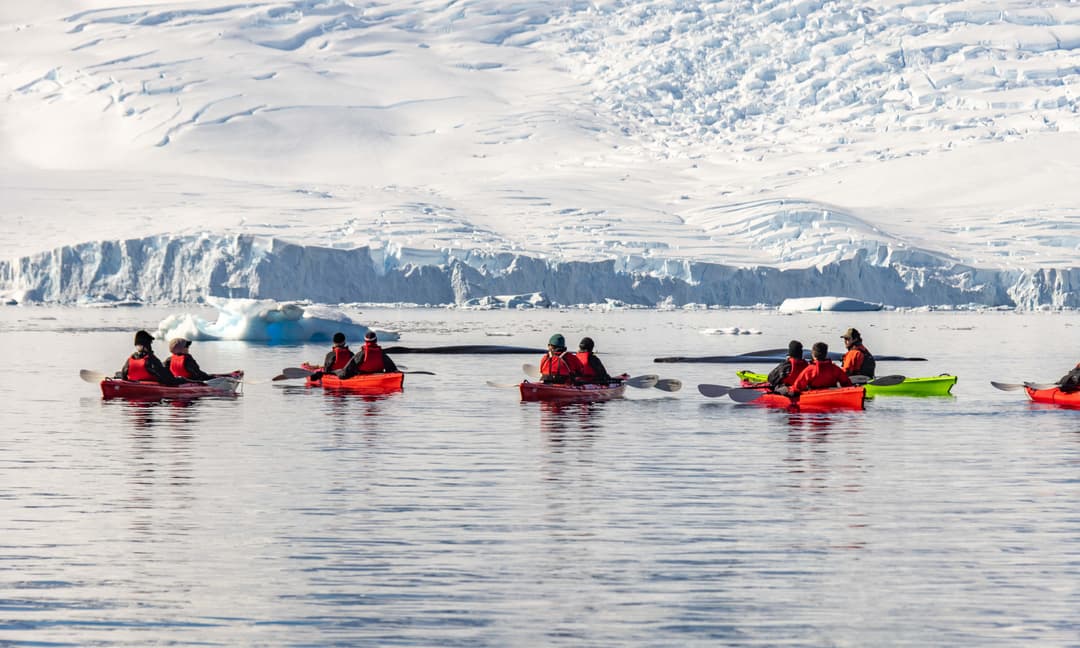
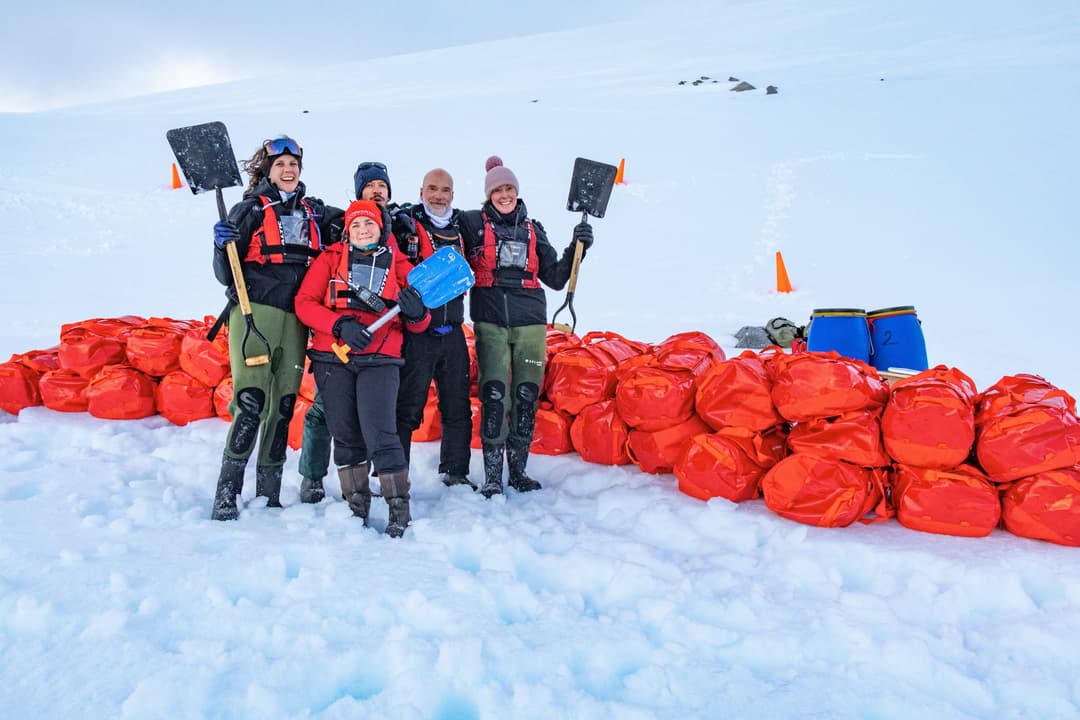
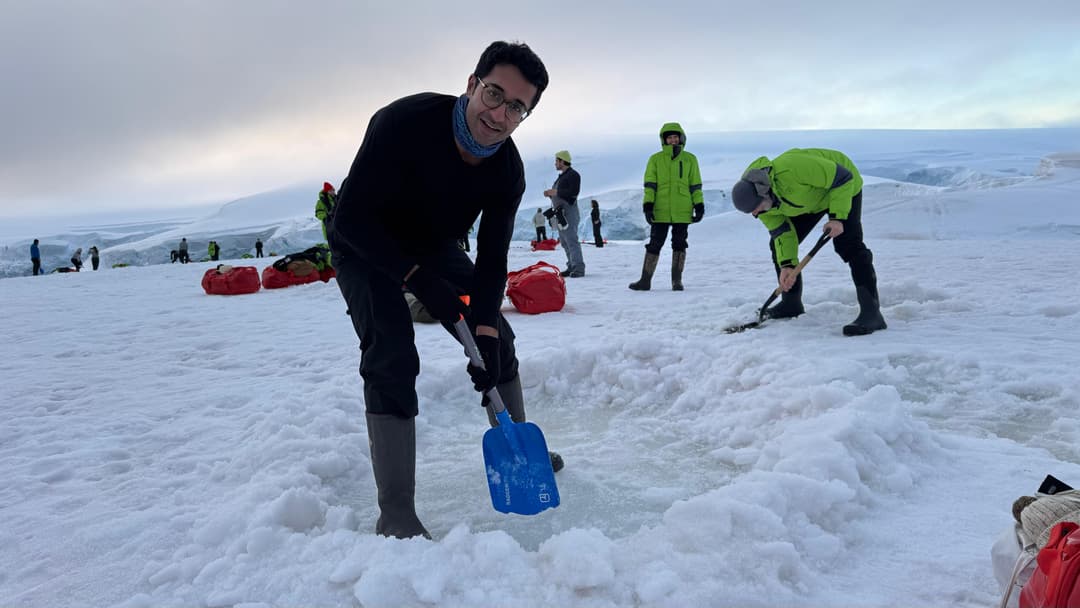
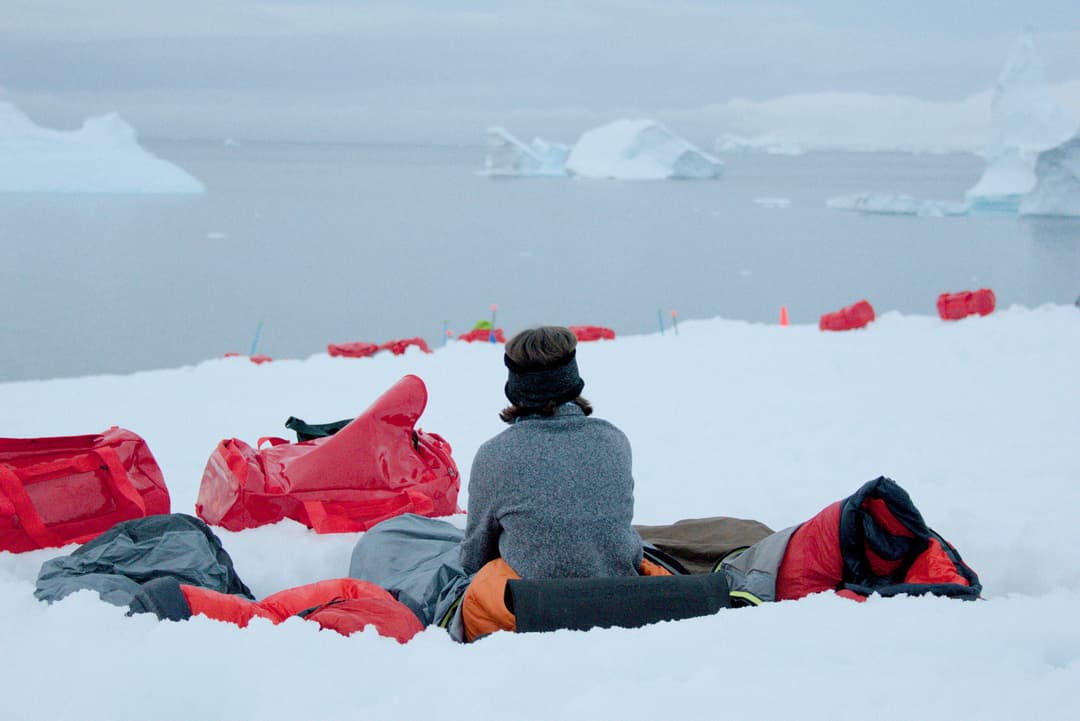
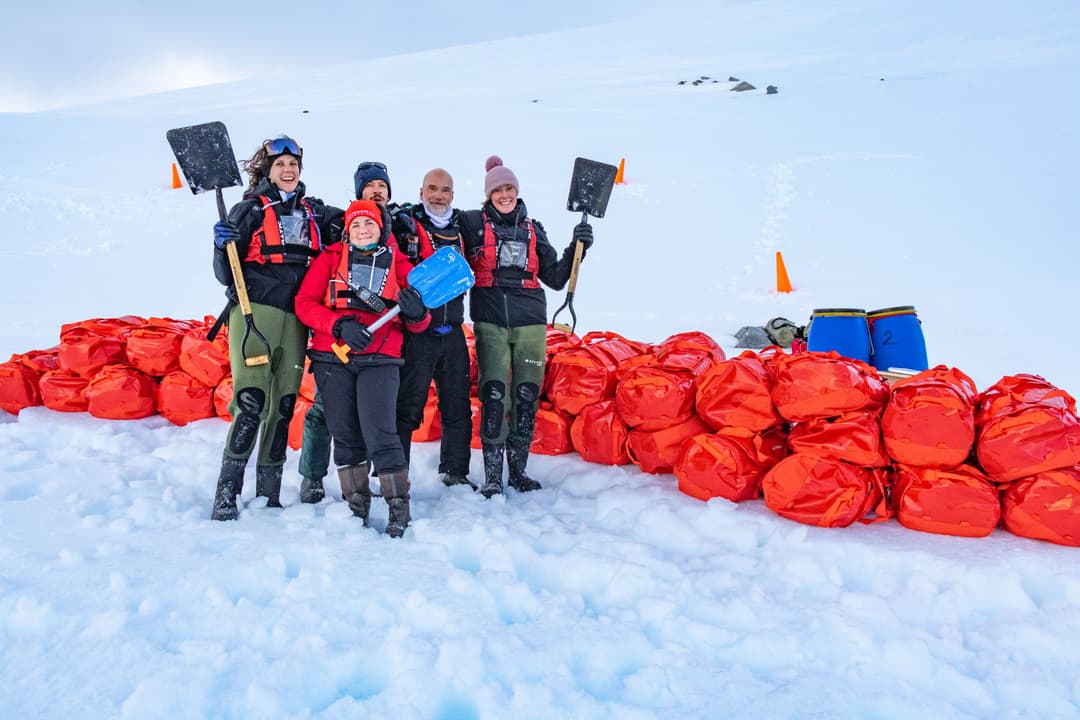
Every Polar Expedition is led by a team of up to 17 wilderness guides, naturalists, mountaineers, biologists, conservationists and other professionals who have explored Antarctica, Patagonia, the Arctic and remote destinations the world over. Their expertise and leadership ensure that each expedition inspires and enlightens you while protecting pristine environments.
Zodiac Operators
Having explored Antarctica, Patagonia, th....
Loading...
Included on every Expedition
- FREE Immersive cultural experience on board or ashore
- FREE Gourmet dining with ever-changing menus
- FREE Bars and lounges serving fine wines, spirits, craft beers, and canapés
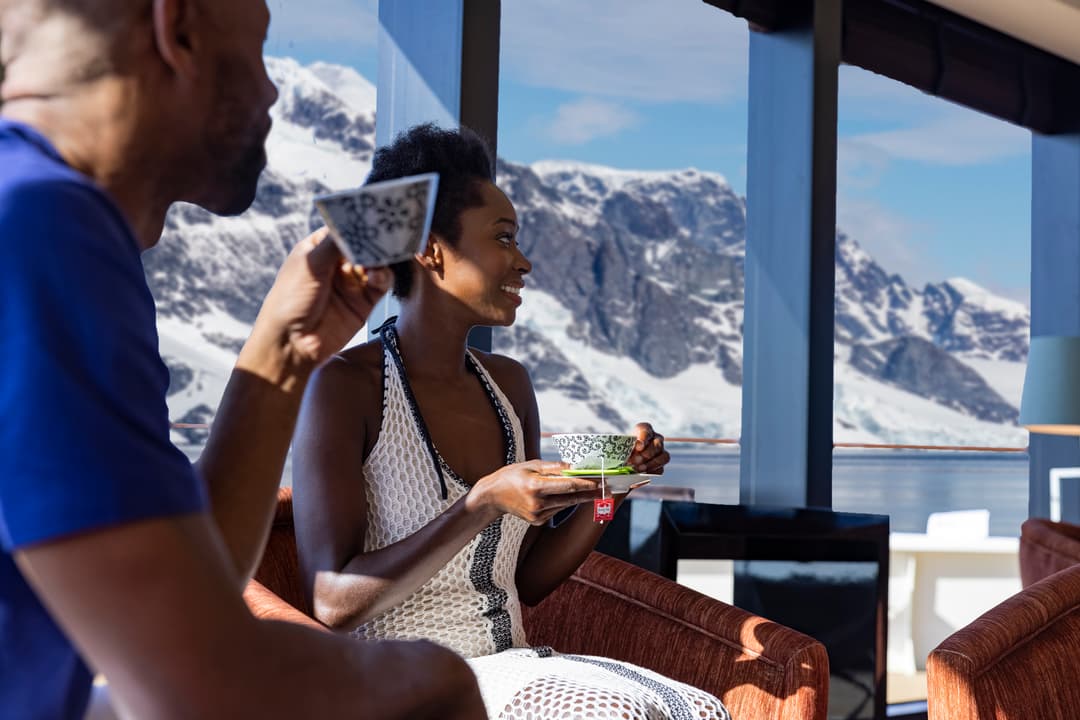
- FREE Specialty coffees, fresh-pressed juices, and afternoon tea service
- FREE In-room stocked minibar, coffee machine, and Vero Water
- FREE 24-hour room service
- FREE L’OCCITANE ba....