After an inspiring day of exploring, the luxurious comfort of your suite or stateroom offers the perfect place to relax. All accommodations include plush bedding, a marble spa bath and lavish L’OCCITANE amenities. Take in a final view of the seascape from the comfort of your balcony or from your panoramic window before retiring for the evening. Awaken fully refreshed and begin your day by pouring yourself a cup of Nespresso Coffee or Kusmi Tea.


EXPEDITION CRUISE
Ring of Iceland
CRUISE ID # ATLASVOYWV10RR-WVO270904
Reykjavík TO Reykjavík
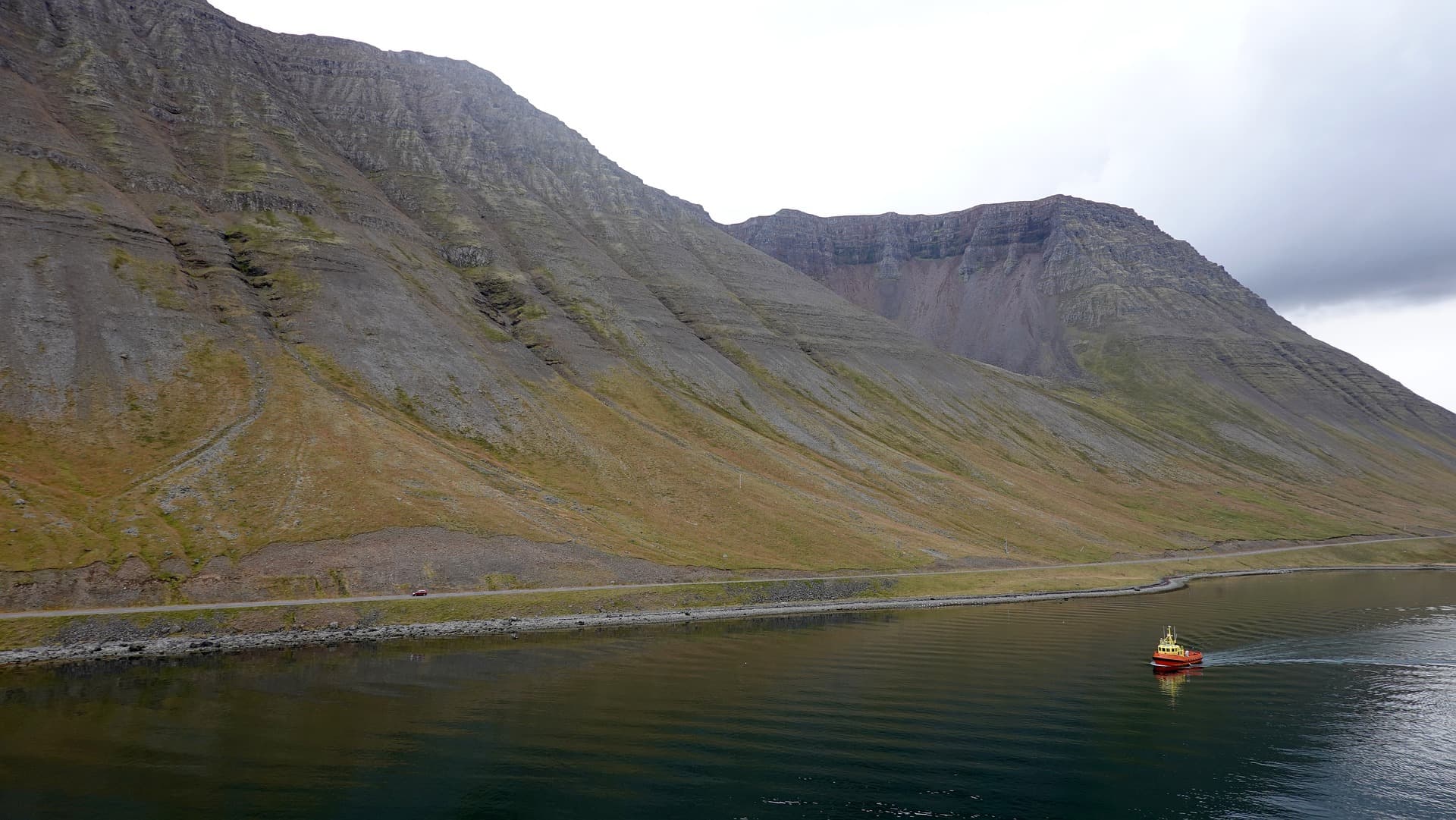
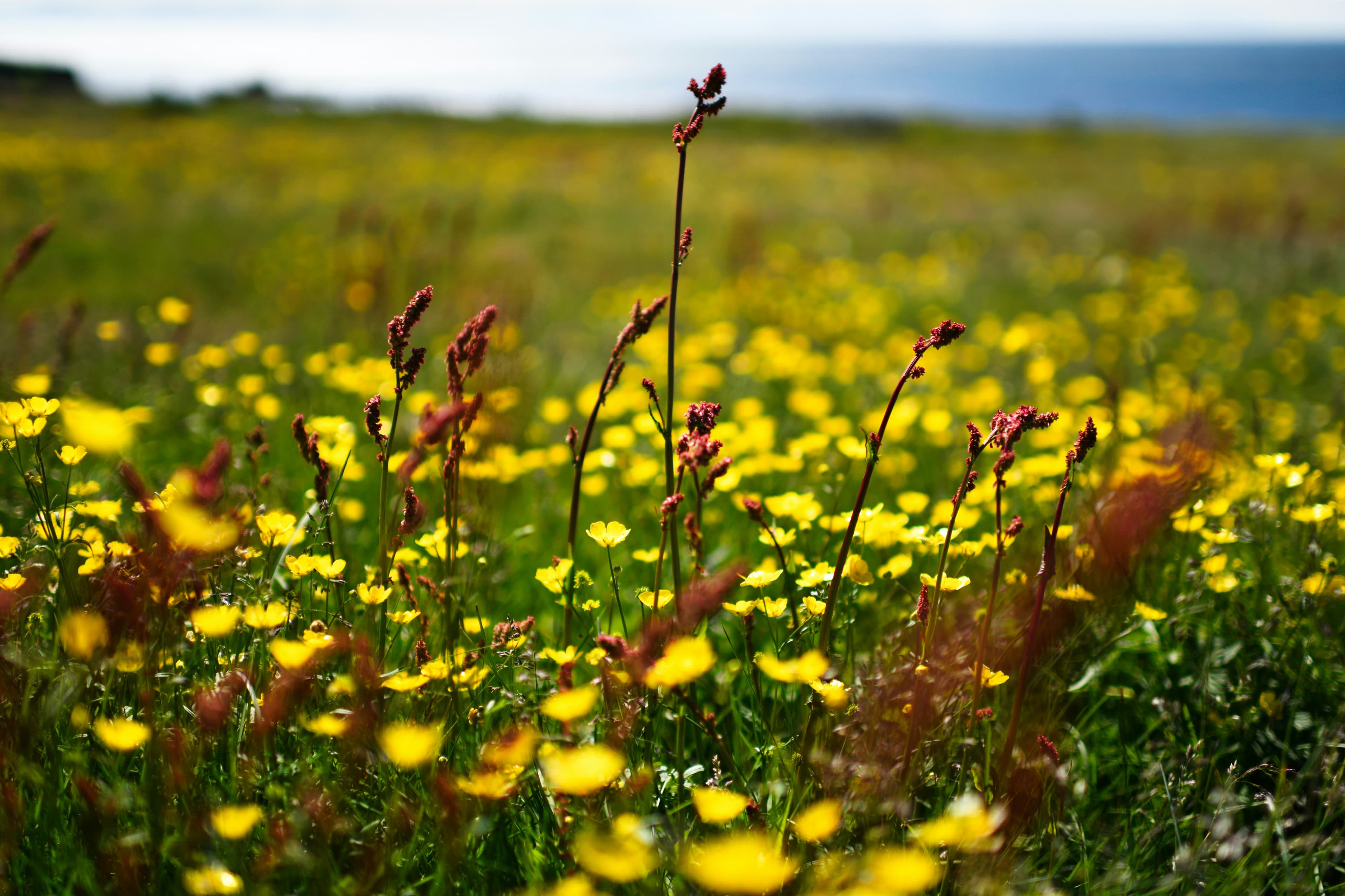
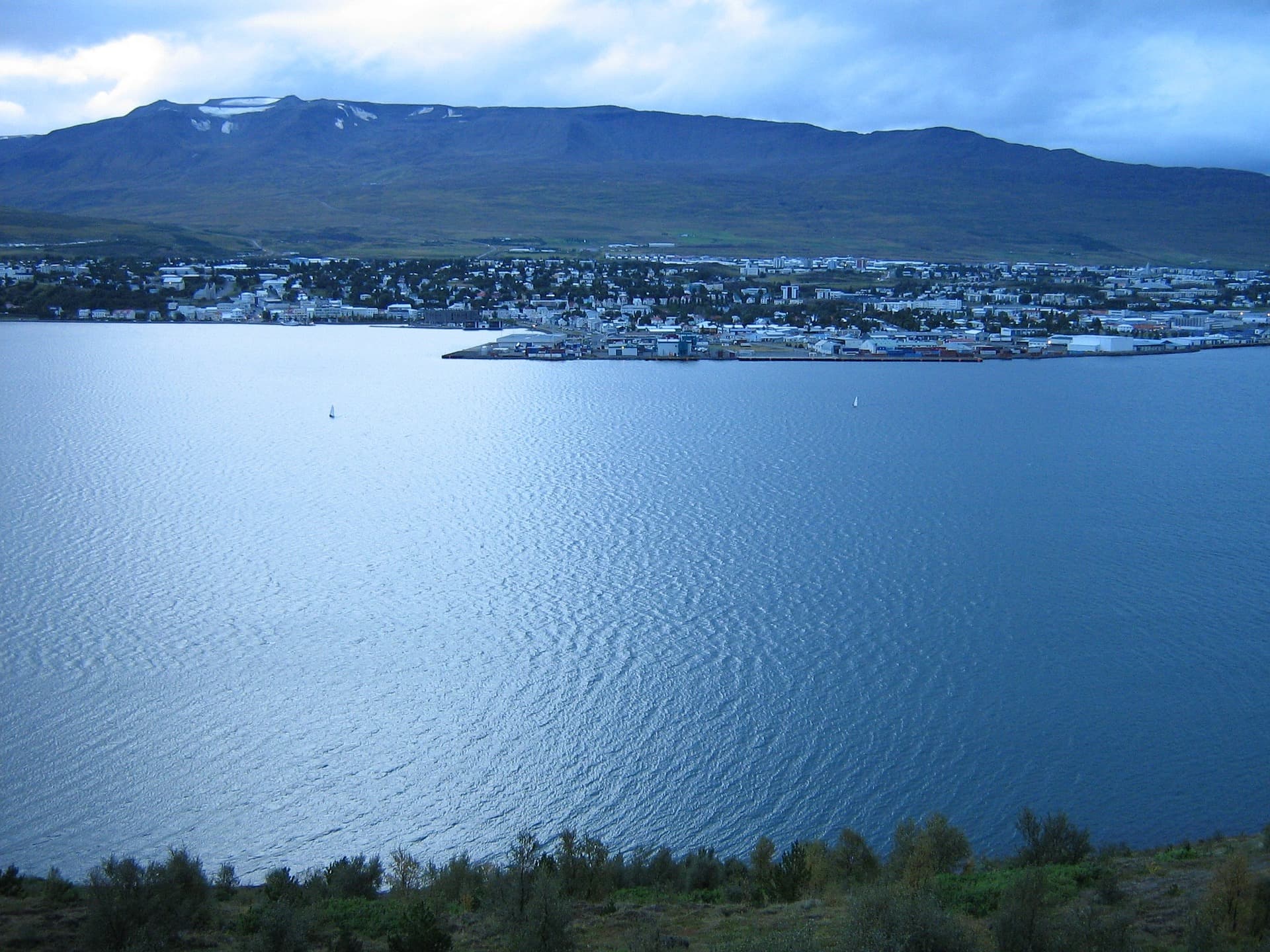
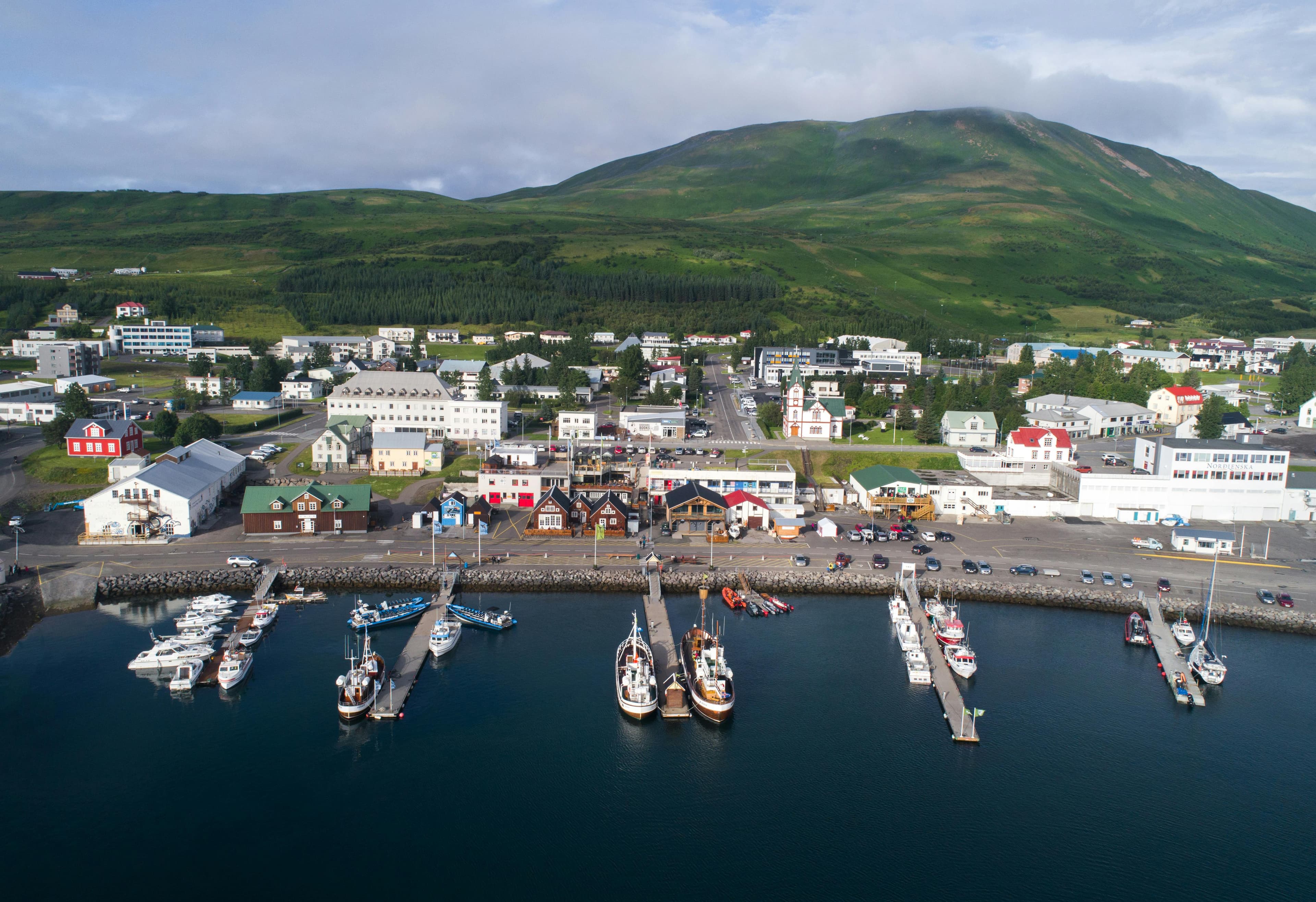
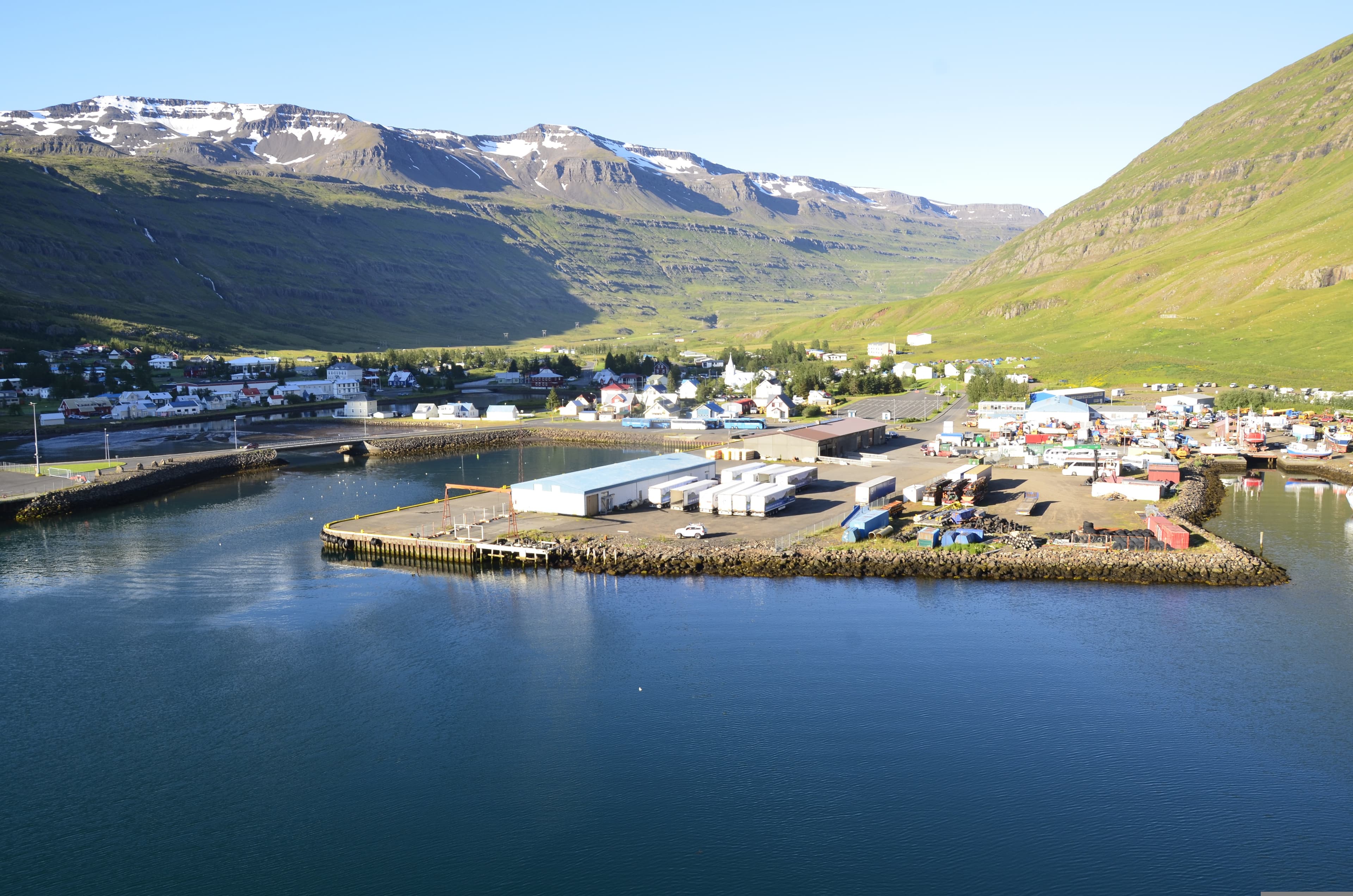
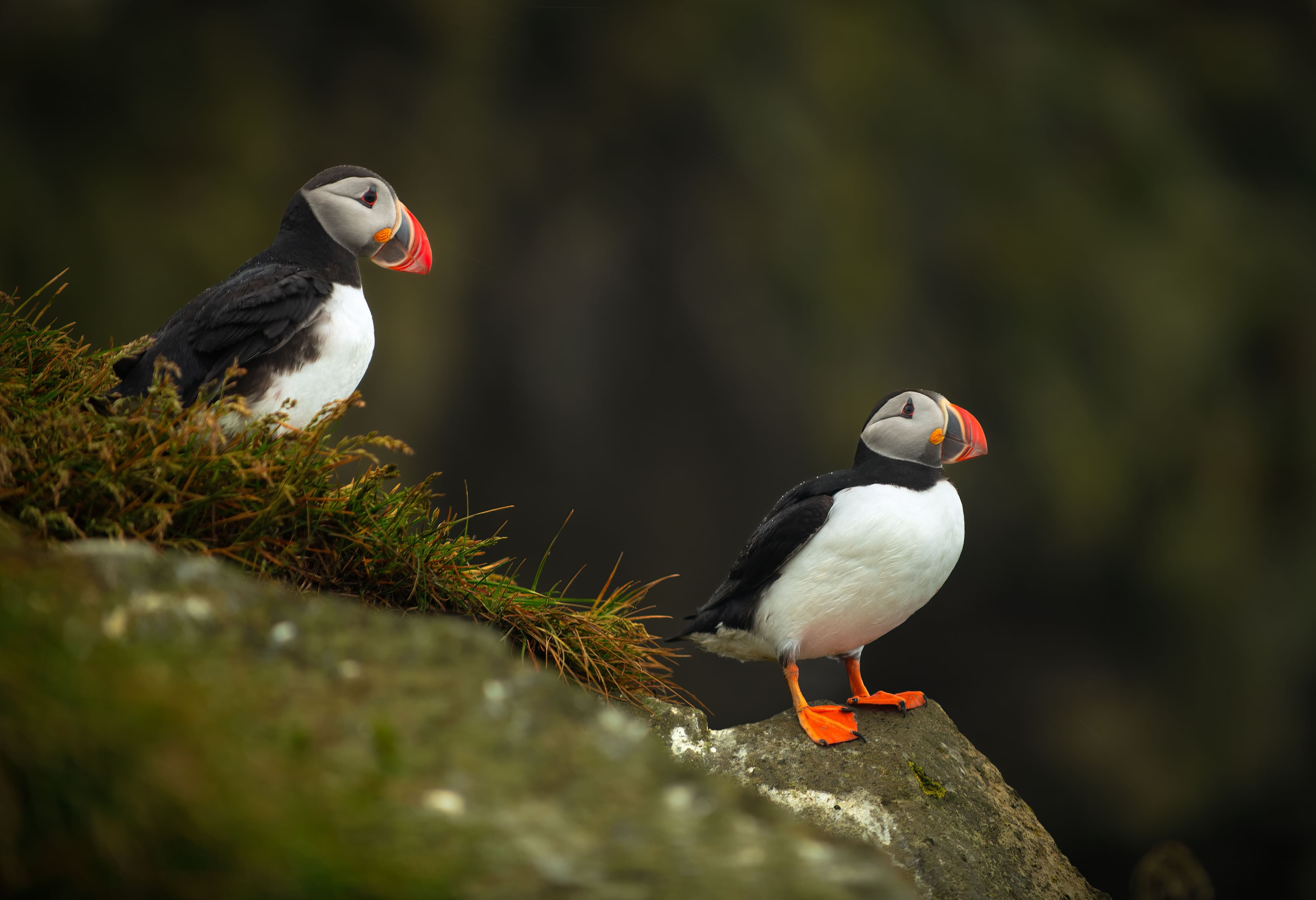
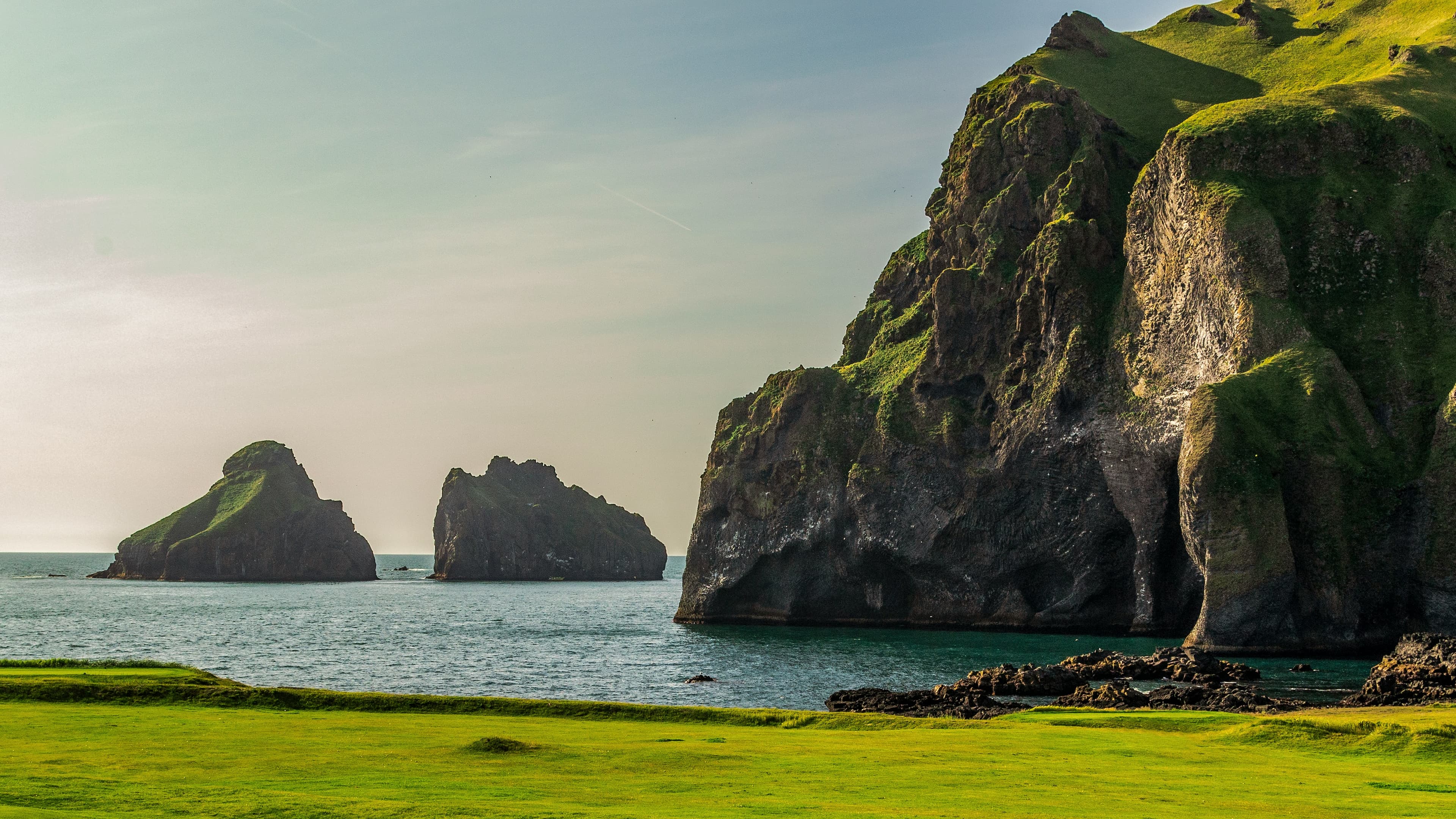
An overnight in Reykjavík opens the voyage with time to explore Iceland’s cultural capital and nearby natural wonders. From there, the island’s dramatic coastline unfolds through deep fjords, volcanic landscapes, and colorful fishing villages. Crossing the Arctic Circle at Grímsey marks a special moment before continuing toward Akureyri for an extended stay beneath snow-dusted peaks. Whale-rich waters, puffin colonies, and the volcanic legacy of the Westman Islands reveal Iceland’s remarkable natural diversity. Completing the circle, the journey returns to Reykjavík enriched by Iceland’s powerful landscapes and vibrant heritage
TRIP STARTS ON
September 03, 2027
SHIP SAILS ON
September 04, 2027
HOTEL NIGHTS
Pre-Cruise: 1, Post-Cruise: 0
SHIP
World Voyager
TRIP ENDS ON
September 14, 2027
STOPS
14 Stops, 1 Country
CRUISE NIGHTS
10
OPERATOR
Atlas Ocean Voyages
FROM:
$7,732
WITH SPECIAL SAVINGS APPLIED
FARES SHOWN ARE PER GUEST
Suites & Fares
CHOOSE START DATE
: September 04, 2027
STEP 1: CHOOSE YOUR PREFERRED DEAL
15% Bonus Savings with Explorer's Choice (WVO270904)
View Suites
All Inclusive Fare (WVO270904)
View Suites
Itinerary
14 Ports
1 Country
Day
One
Arrival
September 03, 2027
Port
Pre-Cruise Night
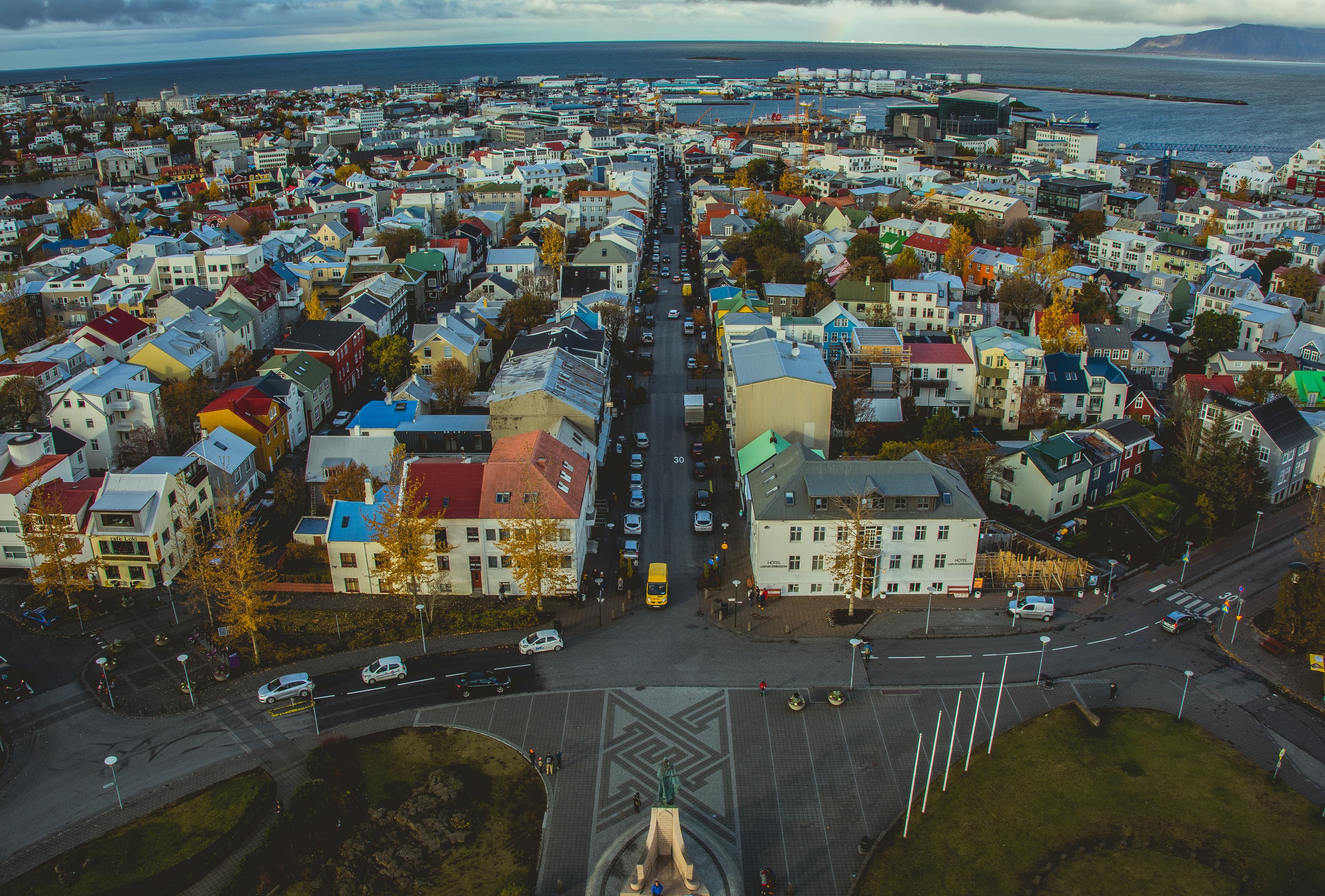
Sprawling Reykjavík, the nation's nerve center and government seat, is home to half the island's population. On a bay overlooked by proud Mt. Esja (pronounced eh-shyuh), with its ever-changing hues, Reykjavík presents a colorful sight, its concrete houses painted in light colors and topped by vibrant red, blue, and green roofs. In contrast to the almost treeless countryside, Reykjavík has many tall, native birches, rowans, and willows, as well as imported aspen, pines, and spruces.Reykjavík's name comes from the Icelandic words for smoke, reykur, and bay, vík. In AD 874, Norseman Ingólfur Arnarson saw Iceland rising out of the misty sea and came ashore at a bay eerily shrouded with plumes of steam from nearby hot springs. Today most of the houses in Reykjavík are heated by near-boiling water from the hot springs. Natural heating avoids air pollution; there's no smoke around. You may notice, however, that the hot water brings a slight sulfur smell to the bathroom.Prices are easily on a par with other major European cities. A practical option is to purchase a Reykjavík City Card at the Tourist Information Center or at the Reykjavík Youth Hostel. This card permits unlimited bus usage and admission to any of the city's seven pools, the Family Park and Zoo, and city museums. The cards are valid for one (ISK 3,300), two (ISK 4,400), or three days (ISK 4,900), and they pay for themselves after three or four uses a day. Even lacking the City Card, paying admission (ISK 500, or ISK 250 for seniors and people with disabilities) to one of the city art museums (Hafnarhús, Kjarvalsstaðir, or Ásmundarsafn) gets you free same-day admission to the other two.
Sprawling Reykjavík, the nation's nerve center and government seat, is home to half the island's population. On a bay overlooked by proud Mt. Esja (pronounced eh-shyuh), with its ever-changing hues, Reykjavík presents a colorful sight, its concrete houses painted in light colors and topped by vibrant red, blue, and green roofs. In contrast to the almost treeless countryside, Reykjavík has many tall, native birches, rowans, and willows, as well as imported aspen, pines, and spruces.Reykjavík's name comes from the Icelandic words for smoke, reykur, and bay, vík. In AD 874, Norseman Ingólfur Arnarson saw Iceland rising out of the misty sea and came ashore at a bay eerily shrouded with plumes of steam from nearby hot springs. Today most of the houses in Reykjavík are heated by near-boiling water from the hot springs. Natural heating avoids air pollution; there's no smoke around. You may notice, however, that the hot water brings a slight sulfur smell to the bathroom.Prices are easily on a par with other major European cities. A practical option is to purchase a Reykjavík City Card at the Tourist Information Center or at the Reykjavík Youth Hostel. This card permits unlimited bus usage and admission to any of the city's seven pools, the Family Park and Zoo, and city museums. The cards are valid for one (ISK 3,300), two (ISK 4,400), or three days (ISK 4,900), and they pay for themselves after three or four uses a day. Even lacking the City Card, paying admission (ISK 500, or ISK 250 for seniors and people with disabilities) to one of the city art museums (Hafnarhús, Kjarvalsstaðir, or Ásmundarsafn) gets you free same-day admission to the other two.
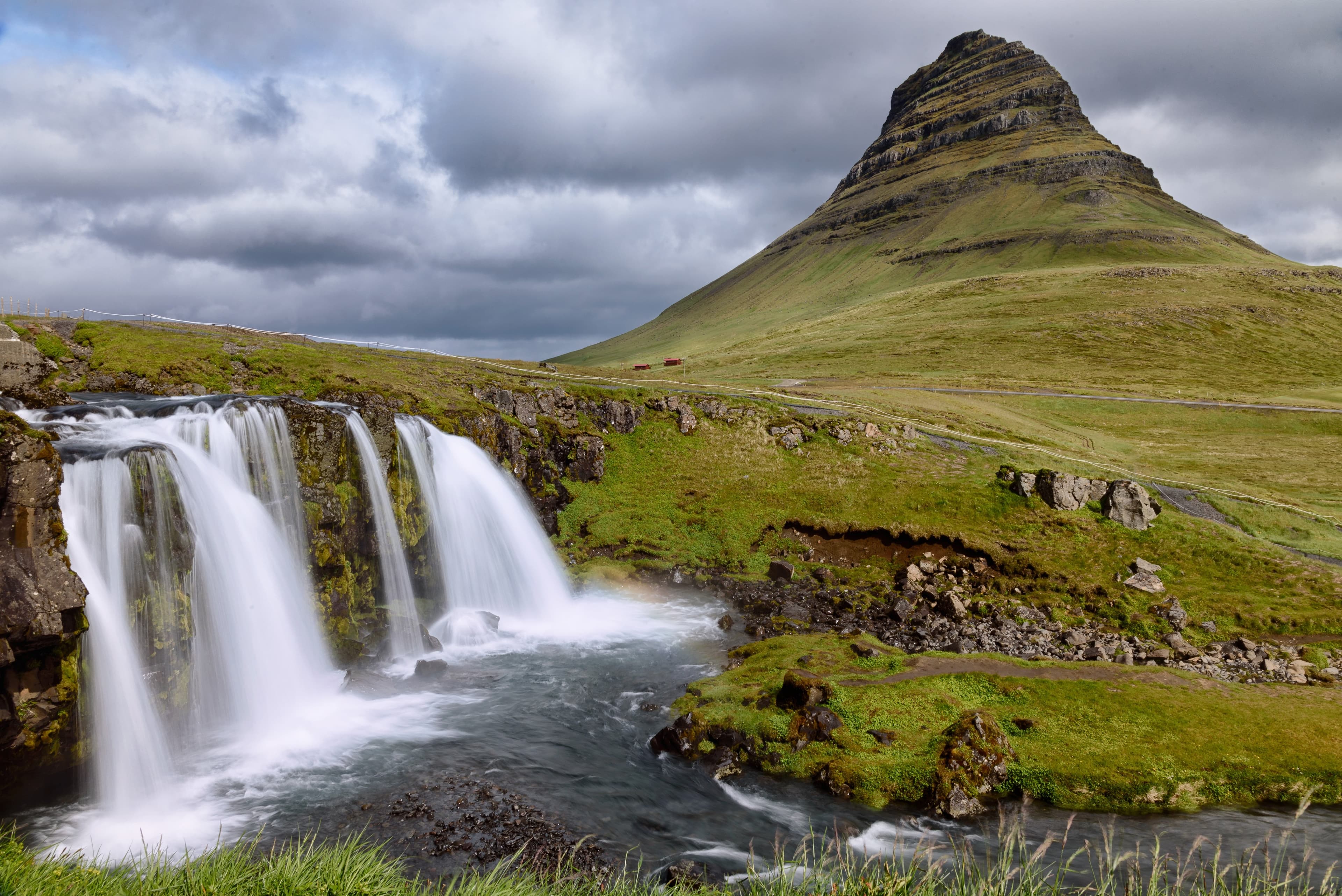
Amid the wondrous features of the Snæfellsnes Peninsula lies the small town of Grundarfjörður, home to fewer than 1,000 inhabitants. Its shining star of a landmark, Kirkjufell, translating to "Church Mountain," beckons explorers to come and discover the beauty of Iceland. Together with the mountain, a three-pronged waterfall called Kirkjufellsfoss creates an exquisite scene straight out of fantasy. Taking a walk through the center of town, you will come across an orca on land. It's actually a sculpture created by Unnsteinn Guðmundsson and it was modeled after Thunderstorm the orca, a male whale who often greets visitors during whale watching tours.
Two colossal terraces of sheer rock stand either side of this extraordinarily located town - which rides a jutting spit onto an immensity of black fjord water. Surprisingly, considering the remoteness of its location and its compact size, Isafjordur is a modern and lively place to visit, offering a great choice of cafes and delicious restaurants – which are well stocked to impress visitors. The town is a perfectly located base for adventures amongst Iceland's fantastic wilderness - with skiing, hiking and water-sports popular pursuits among visitors.
Its remote nature makes Siglufjörður, the northernmost town in mainland Iceland, a popular setting for Nordic noir, from the TV show Trapped to Ragnar Jónasson's detective novel series Dark Iceland. But this fishing village holds more life than at first meets the eye. Home to a lively Folk Music Center, there's a wealth of culture to immerse yourself in. A maritime history can still be seen every day, from fishermen varnishing their boats to museums dedicated to the herring industry that once made the town thrive. From black-sand beaches to snow-capped mountains, the contrast of landscapes invites you and fellow explorers to hike paths that are a feast for the eyes. Keep your eyes on the sky for the plethora of birdlife that lives on Siglufjörður, including white-tailed eagles. The surrounding fjord beckons you and your expedition group to embark on a kayaking adventure through pristine waters, a serene experience that brings you closer to nature.
Home to about 100 people — the northernmost inhabited island in Iceland — and one million birds, Grímsey Island is a treasure in the Arctic Circle. The residents enjoy 24 hours of sun throughout the summer, as do the Puffins. Look for the stone sphere marking the edge of the Arctic Circle. Its design makes it easier to move as the Arctic Circle moves, always keeping the true demarcation. Grímsey Island is a birdwatcher's paradise, filled with various species, including razorbills, kittiwakes, auks and thick-billed murres. Amid the breathtaking landscapes are the island's basalt columns. These geometric geological structures covered in lush moss dip into the water, creating a mesmerizing scene.
Akureyri, called the Capital of the North is the second largest urban area in Iceland, and a lively one at that. Hemmed by the 60-km (37-mile) long Eyjafjörður, Akureyri is sheltered from the ocean winds and embraced by mountains on three sides. Late 19th-century wooden houses impart a sense of history, and the twin spires of a modern Lutheran church rising on a green hill near the waterfront, provide a focal point. To the south of Akureyri is the pyramid-shape rhyolite mountain Súlur. Beyond it is Kerling, the highest peak in Eyjafjörður District.
Akureyri, called the Capital of the North is the second largest urban area in Iceland, and a lively one at that. Hemmed by the 60-km (37-mile) long Eyjafjörður, Akureyri is sheltered from the ocean winds and embraced by mountains on three sides. Late 19th-century wooden houses impart a sense of history, and the twin spires of a modern Lutheran church rising on a green hill near the waterfront, provide a focal point. To the south of Akureyri is the pyramid-shape rhyolite mountain Súlur. Beyond it is Kerling, the highest peak in Eyjafjörður District.
The town of Húsavík sits below Húsavíkurfjall mountain on the eastern shore of Skjálfandi bay. Just above the town is lake Botnsvatn, a popular place for outings. The lake is just the right size for a nice hike around it. The lakes surroundings are rich in vegetation and bird life and trout is said to be abundant, though small. Húsavík harbour lies below the bank right in the heart of town. The harbour once boasted a large fishing fleet, bustling with the activity of fishermen. It still serves as a fishing harbour but today's activity revolves more around the successful whale watching businesses. The first organised whale watching excursions in Iceland started from here in 1995. Since then, whale watching has become a major attraction and Húsavík continues to be the leading destination for whale watching. In addition to the tours, a fascinating whale museum is located right by the harbour. Húsavík is considered to be the oldest settlement in Iceland. The Swedish explorer, Gardar Svavarsson, spent one winter there in 870 AD during which time he built himself a house from which the settlement derives its name.
Seyðisfjörður, a beautiful 19th-century Norwegian village on the east coast of Iceland, is regarded by many as one of Iceland's most picturesque towns, not only due to its impressive environment, but also because nowhere in Iceland has a community of old wooden buildings been preserved so well as here. Poet Matthías Johannessen called Seyðisfjörður a 'pearl enclosed in a shell'. The community owes its origins to foreign merchants, mainly Danes, who started trading in the fjord in the mid-19th century. But the crucial factor in the evolution of the village was the establishment of the Icelandic herring fishery by Norwegians in 1870-1900. The Norwegians built up a number of herring-fishing facilities, and in a matter of years the little community grew into a boom town. Today, about 800 people live in Seyðisfjörður. The local economy has long been based on the fisheries, while light industry also flourishes. Tourism is playing a growing role, as the picturesque town in its spectacular surroundings attracts more and more visitors. The car/passenger ferry Norrøna, which plies between continental Europe and Iceland every summer, docks at Seyðisfjörður every Thursday. Seyðisfjörður has been a cosmopolitan community from its foundation, and the ferry service has contributed to ensuring that it remains so.
It may be surrounded by pulse-raising volcanic scenery, boast extraordinary wildlife, and sit on a dramatic, jutting fjord - but it's fair to say Djúpivogur likes to take things slow. In fact, Djúpivogur relishes its peace and quiet so much that it's won recognition as a 'Cittaslow' - a Slow City. So prepare to take a new, leisurely look around, as you relax into the breathtaking natural glory of Iceland, and explore this unique location - filled with folklore, fabulous food and fantastic fjords.
It’s hard to imagine, as you stroll Heimaey’s idyllic streets of white wooden houses, that this island was literally torn apart by a spectacular volcanic eruption, just over 40 years ago. The fact that you can visit incredible Heimaey at all is something of a miracle – because the oozing lava of the Eldfell volcano threatened to seal the harbour off completely. Fortunately, its advance was halted by gallons of seawater, pumped onto it by the plucky islanders, who saved their fishing industry in the process. Iceland's famous for its scenery, and the huge castles of volcanic rock that rise out of the sea's waves here are some of the country's most dramatic.
Newly formed from volcanic eruptions in the 1960s, the island of Surtsey's pristine environment has earned a place among UNESCO's World Heritage Sites. Only open to scientists as a natural laboratory to study plants and animals, few expeditions get the chance to navigate around the young island. Summer brings flocks of puffins to the island, as well as other migratory birds like eiders. Seals consistently make their home on Surtsey throughout the year, which brings orcas to the nearby waters. The flourishing wildlife around the region makes this a dream destination for the explorer spirit.
Sprawling Reykjavík, the nation's nerve center and government seat, is home to half the island's population. On a bay overlooked by proud Mt. Esja (pronounced eh-shyuh), with its ever-changing hues, Reykjavík presents a colorful sight, its concrete houses painted in light colors and topped by vibrant red, blue, and green roofs. In contrast to the almost treeless countryside, Reykjavík has many tall, native birches, rowans, and willows, as well as imported aspen, pines, and spruces.Reykjavík's name comes from the Icelandic words for smoke, reykur, and bay, vík. In AD 874, Norseman Ingólfur Arnarson saw Iceland rising out of the misty sea and came ashore at a bay eerily shrouded with plumes of steam from nearby hot springs. Today most of the houses in Reykjavík are heated by near-boiling water from the hot springs. Natural heating avoids air pollution; there's no smoke around. You may notice, however, that the hot water brings a slight sulfur smell to the bathroom.Prices are easily on a par with other major European cities. A practical option is to purchase a Reykjavík City Card at the Tourist Information Center or at the Reykjavík Youth Hostel. This card permits unlimited bus usage and admission to any of the city's seven pools, the Family Park and Zoo, and city museums. The cards are valid for one (ISK 3,300), two (ISK 4,400), or three days (ISK 4,900), and they pay for themselves after three or four uses a day. Even lacking the City Card, paying admission (ISK 500, or ISK 250 for seniors and people with disabilities) to one of the city art museums (Hafnarhús, Kjarvalsstaðir, or Ásmundarsafn) gets you free same-day admission to the other two.
Show more
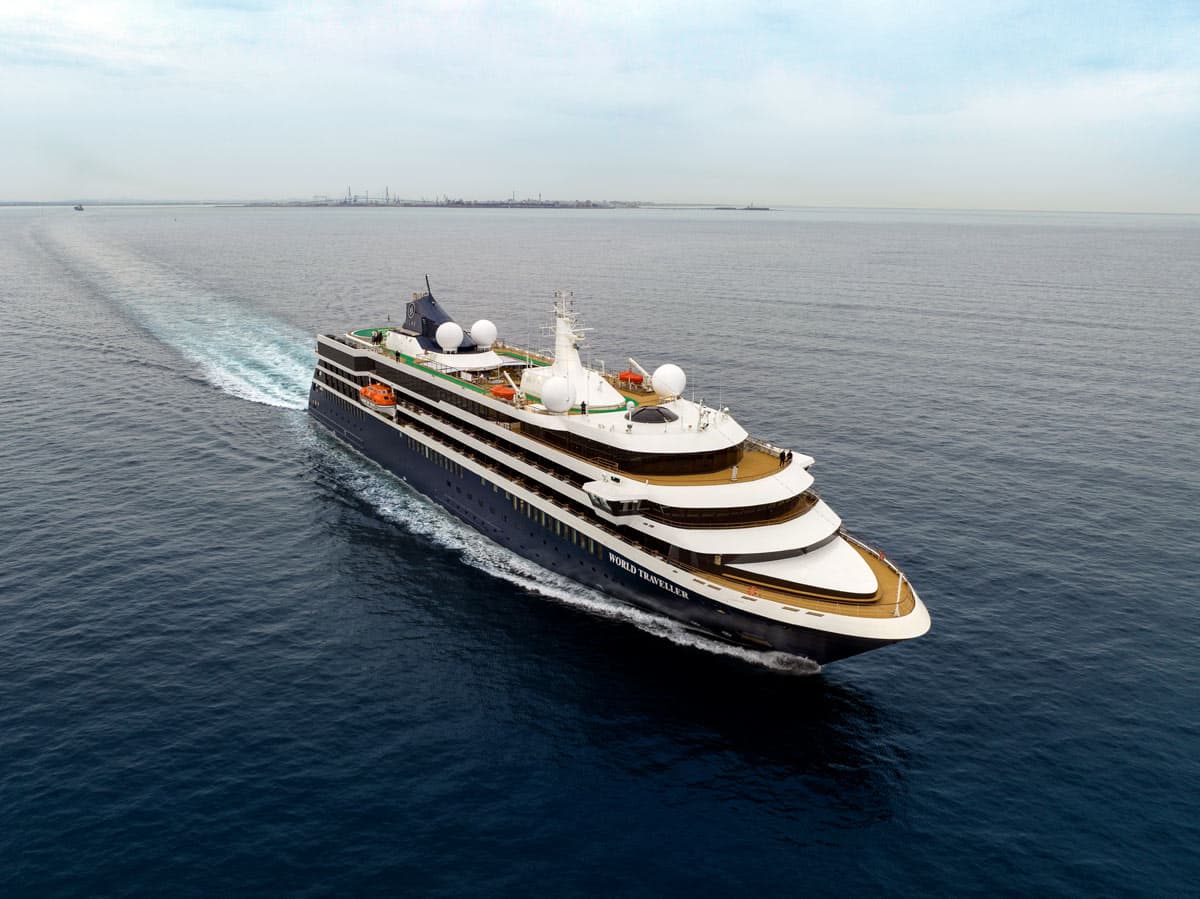
About the Ship
Name
World Voyager
Operator
Atlas Ocean Voyages

Ship Facts
cabin count
98
capacity
172
crew count
138
deck count
8
currency
USD onboard
gross tonnage
9934
language
EN
launch year
2022
length
126m
speed
16kts
wheelchair count
2
width
19m
Loading...
DINING
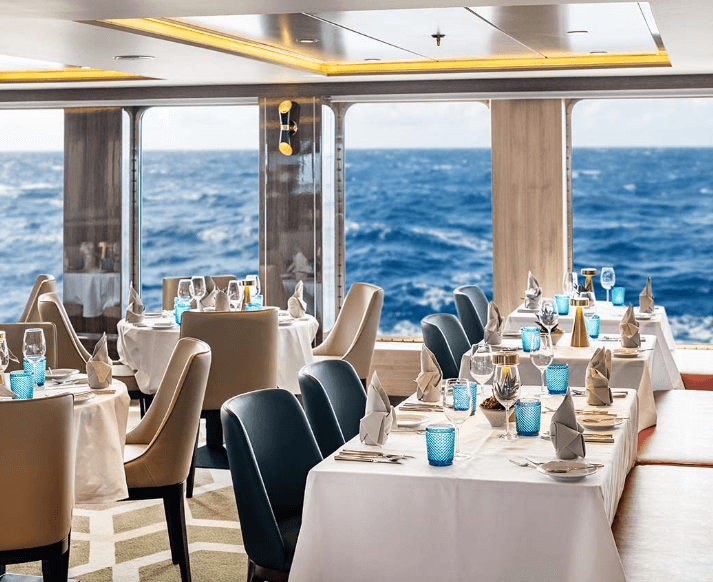
Your culinary adventures on board rival your discoveries ashore, as our well-traveled chefs take inspiration from a wide array of global cuisines when creating their ever-changing menus. And like your shoreside travels, your culinary exploration on board is designed to engage all of the senses. Relaxed and unhurried, each meal on board becomes another memorable experience to savor with friends. And it’s all always included, FREE.
Maderia
Your culinary adventures on board rival your discoveries ashore, as our well-traveled chefs take inspiration from a wide array of global cuisines when creating their ever-changing menus. And like your shoreside travels, your culinary exploration on board is designed to engage all of the senses. Relaxed and unhurried, each meal on board becomes another memorable experience to savor with friends. And it’s all always included, FREE.
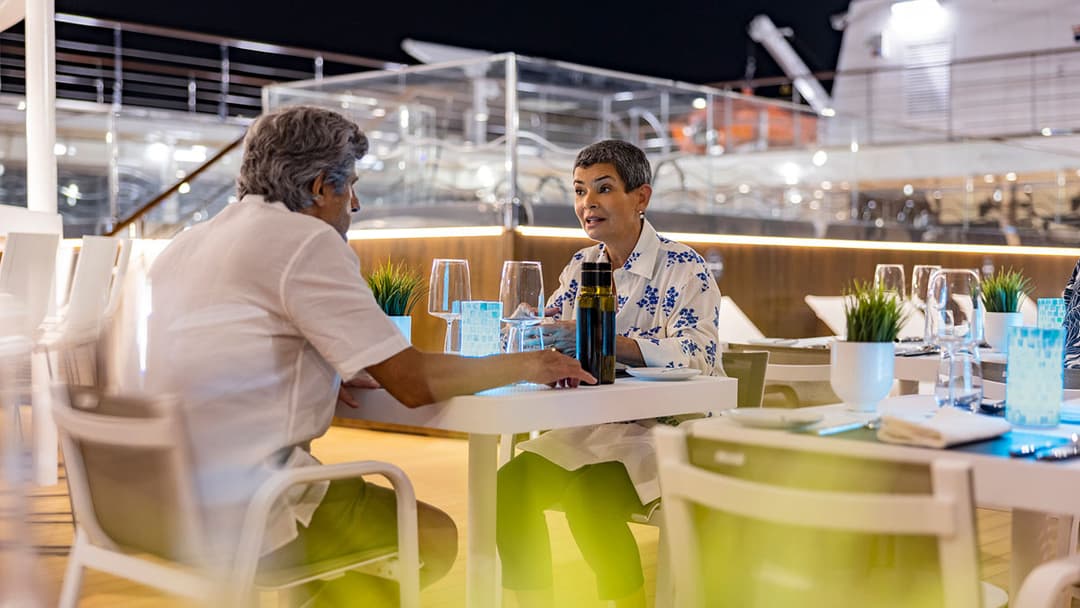
7-Aft Grill
After serving a casual lunch poolside by day, 7-AFT Grill transforms into an open-air chophouse by night for a Josper Grill Dining Experience, exclusively on our Epicurean Expeditions™. Here the finest cuts of steak and fresh seafood are seared to perfection on a legendary Josper grill, the world leader in charcoal gastronomy. The revolutionary design allows our chefs to perfect the age-old art of grillin....
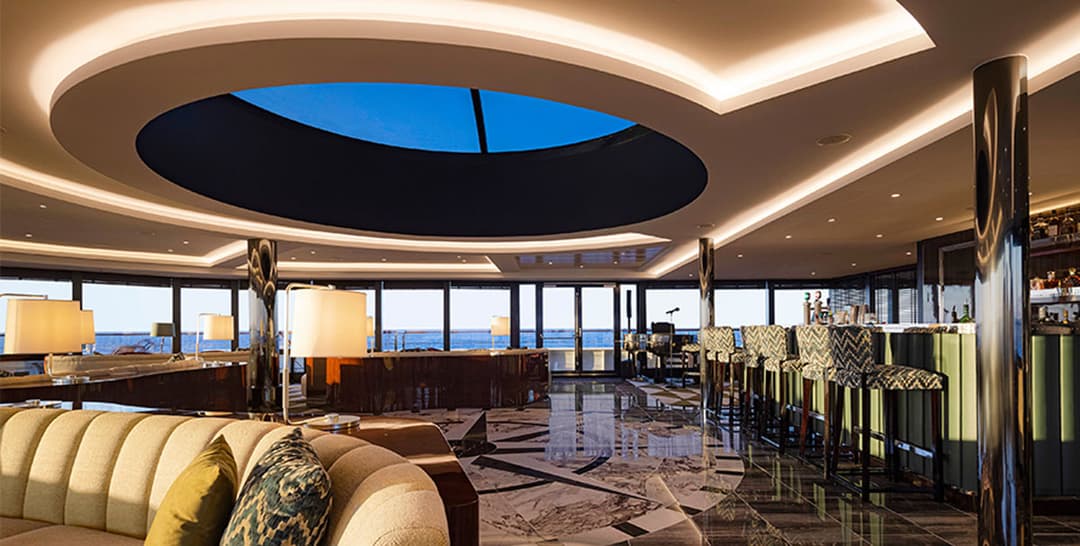
Paula's Pantry
When you want a quick bite, stop into our cozy café for a grab’n’go snack. Try a muffin or croissant and one of our fresh-pressed juices for a light breakfast, or enjoy a sandwich, wrap or salad for a midday nibble. You’ll also find fresh-pressed juices, as well as specialty coffees made with small-batch, hand-roasted, Fair Trade Certified beans from Caffè Milano. As with our main restaurant, new menu items are ....
Room Service
Entertainment
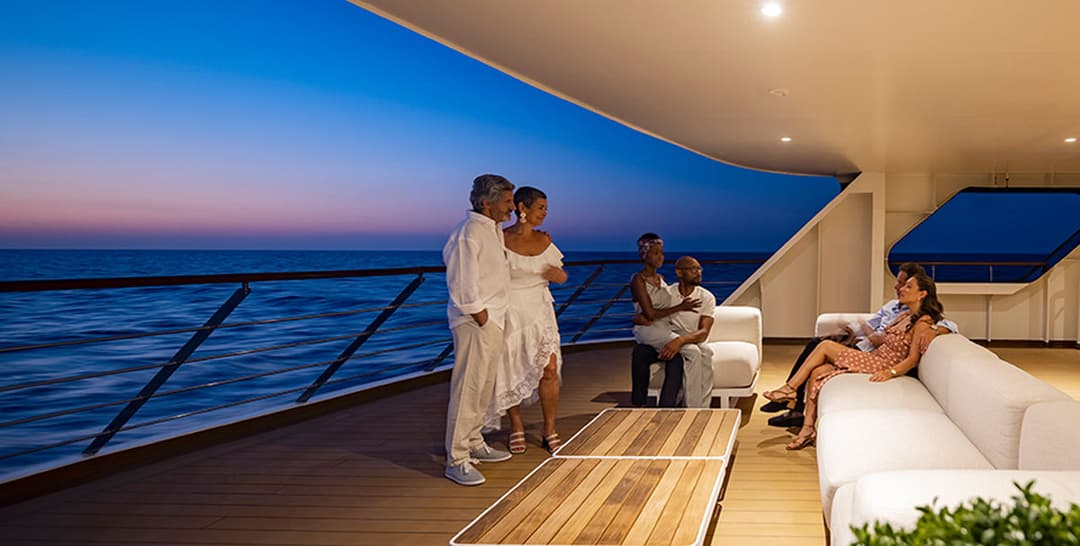
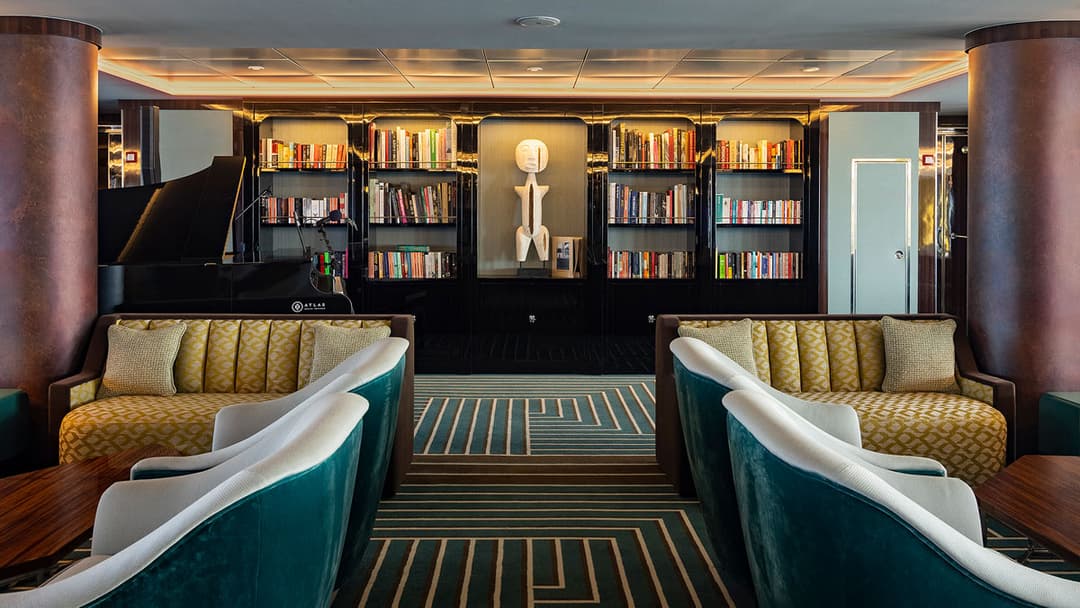
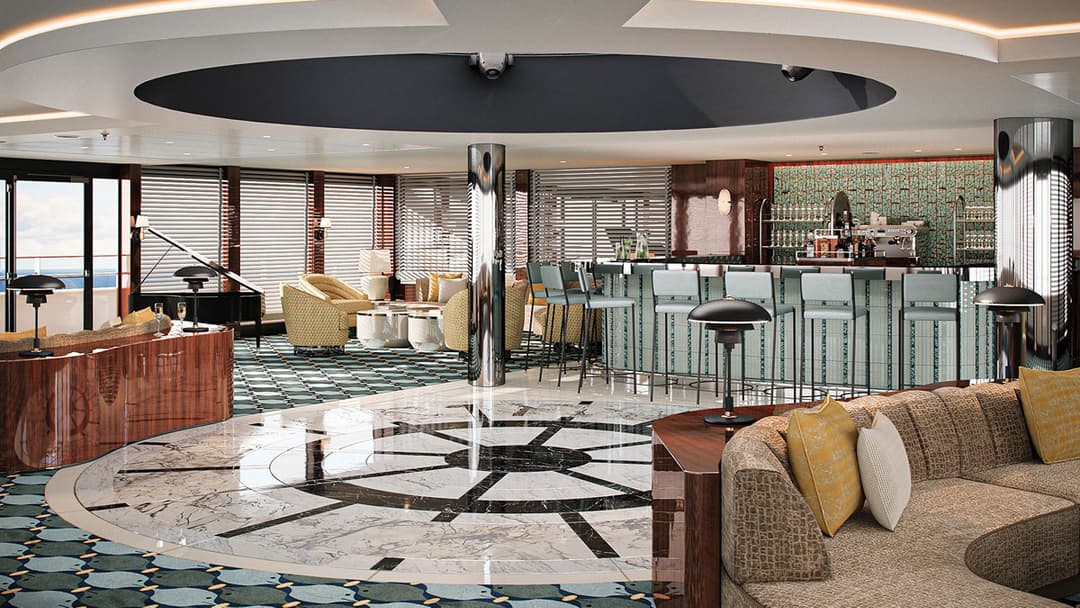
Health And Fitness
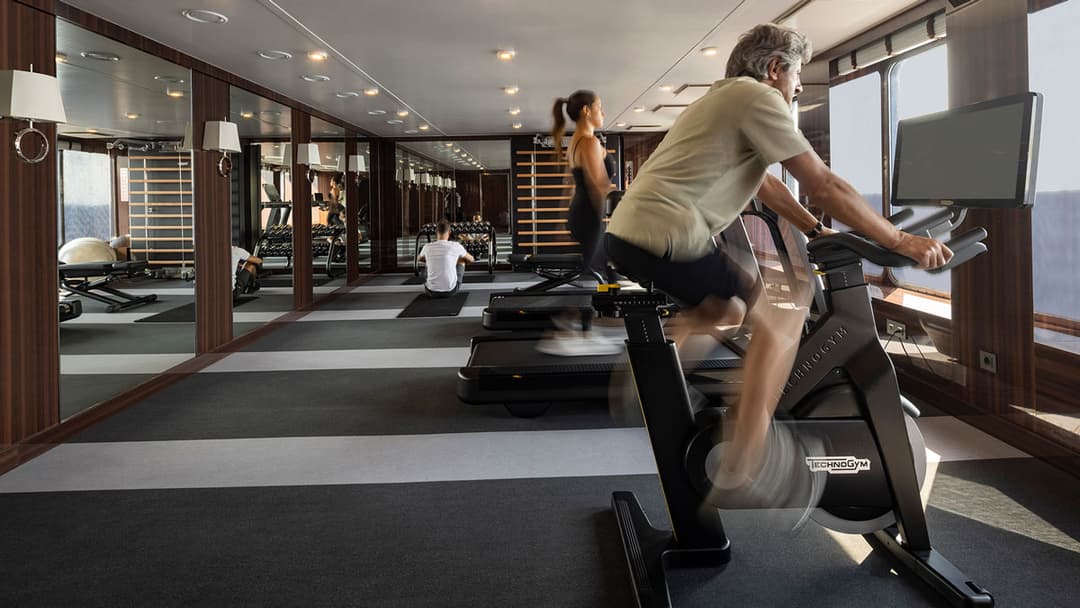
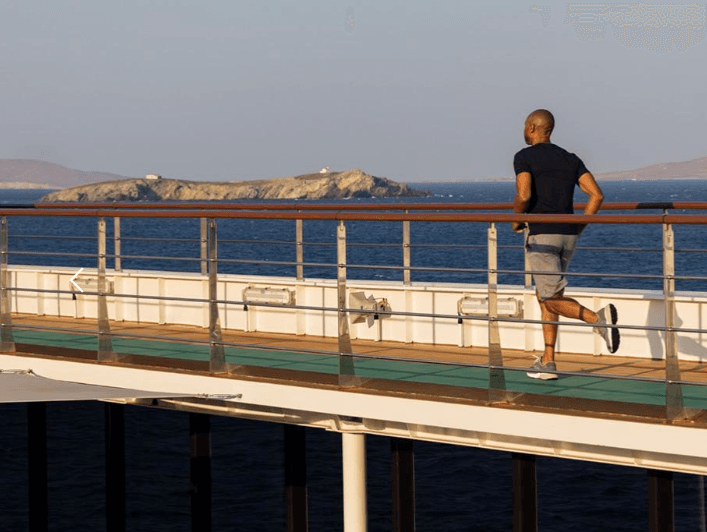
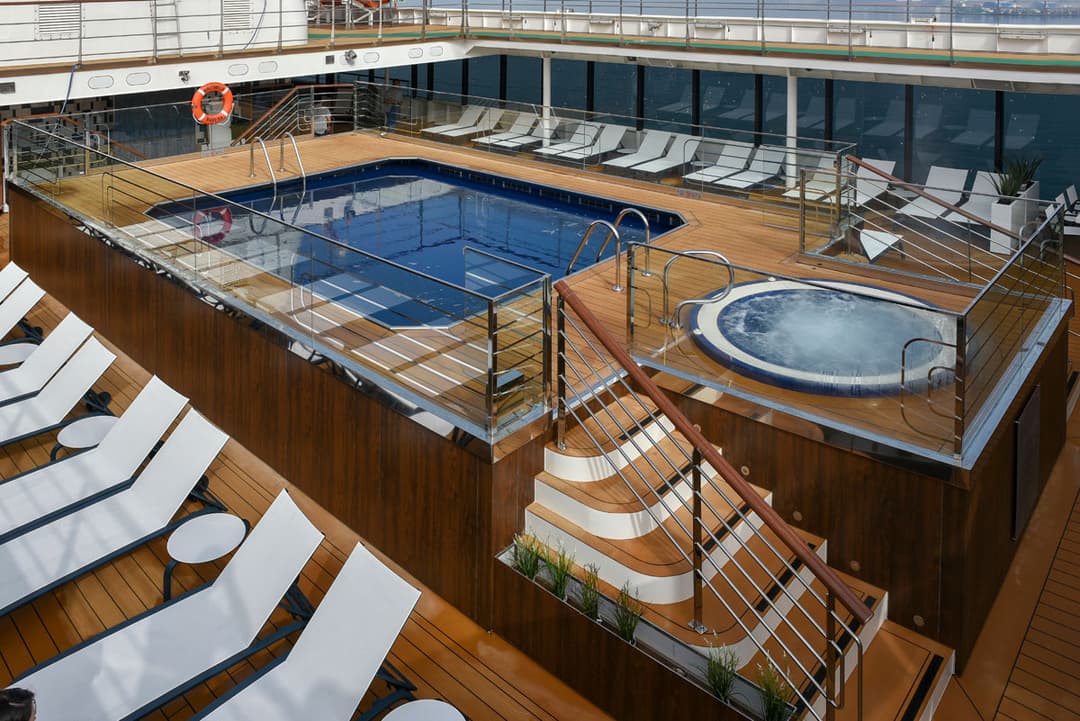
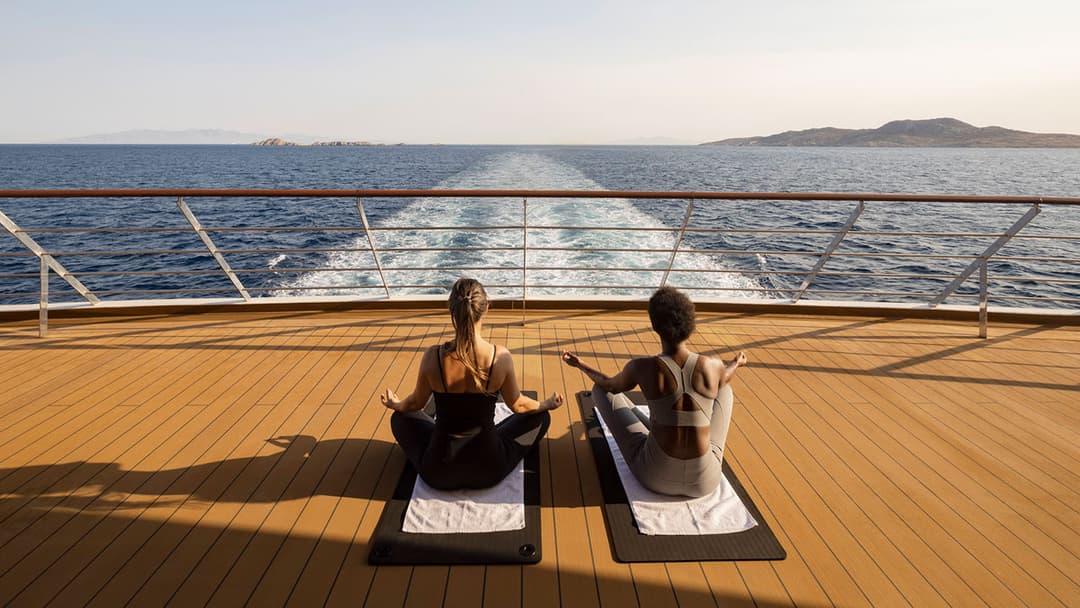
Travel naturally inspires a sense of well-being by stimulating the mind, providing fresh perspectives and renewing your sense of wonder. On a journey with Atlas Ocean Voyages, your health and wellness is further enhanced by experiences on board that invite you to take a journey inward. Throughout your voyage, take the time to relax and stretch as well as challenge yourself and keep up with a workout routine.
Seaspa by L'Occitane
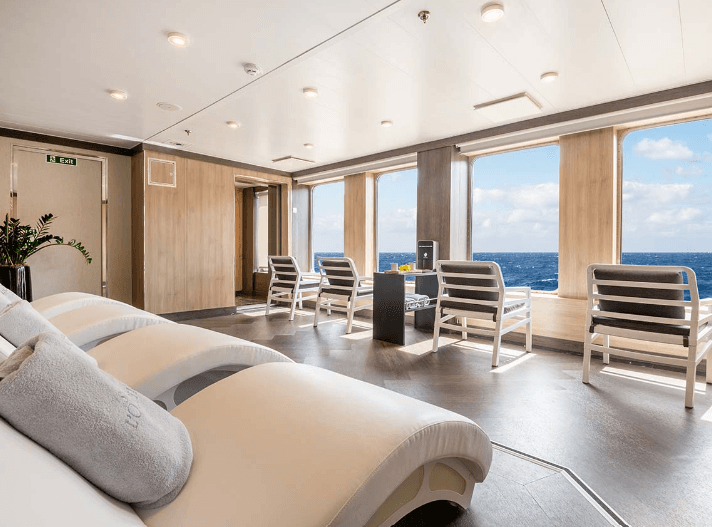
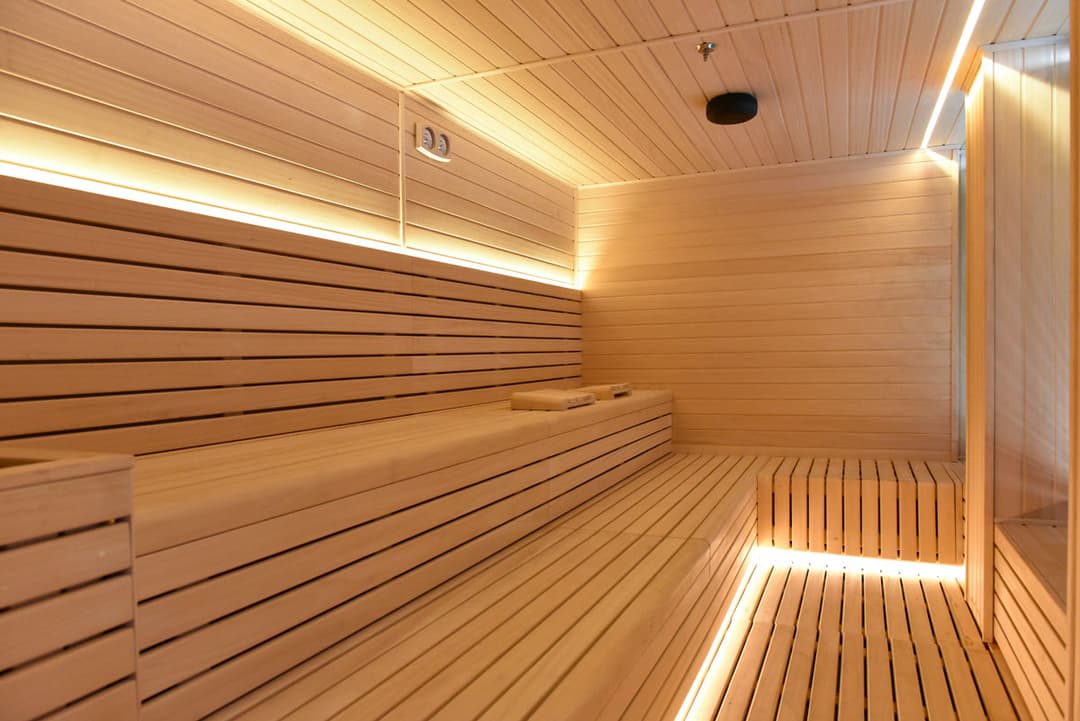
Pamper yourself with an optional, signature treatment at the first and only SeaSpa by L’OCCITANE. Soothe your body and spirit with a revitalizing treatment using luxe, organic products from the iconic French luxury brand. After an invigorating massage or rejuvenating facial, relax in the warmth of the spa’s sauna, complete with multiple panoramic windows....
Enrichment
Atlas Ocean Voyages provides an exceptional curation of special guest speakers and lecturers to keep you engaged throughout your journey. Seminars and demonstrations from experts in their fields pique your interest at the yacht’s auditorium. Enjoy a FREE cultural immersion on every voyage, including culinary and wine adventures with Gastronomic Guests and Visiting Vintners aboard Epicurean Expeditions. Aboard Polar Expeditions, expedition leaders, naturalists, kayak guides, photographers, scientists and other experts in their fields guide and educate you through your exploration of polar regions both on board and on shore.
Guest Enrichment and Engagement
Atlas Ocean Voyages provides an exceptional curation of special guest speakers and lecturers to keep you engaged throughout your journey. Seminars and demonstrations from experts in their fields pique your interest at the yacht’s auditorium. Enjoy a FREE cultural immersion on every voyage, including culinary and wine adventures with Gastronomic Guests and Visiting Vintners aboard Epicurean Expeditions. Aboard Polar Expeditions, expeditio....
Kayaking
UNIQUE FEATURES