EXPEDITION CRUISE

Ellesmere Island & North Greenland: Journey to the Top of the World

CRUISE ID # ADVCANADAEN28-ON

Resolute Bay, Nunavut TO Resolute Bay, Nunavut
Ellesmere Island & North Greenland: Journey to the Top of the World
Expedition-style programming: take Zodiac rides and visit beautiful places every day, encounter stunning wildlife, learn from expedition team experts and local guides about places you visit, visit local communities and archeological and historic sites, and hike through seldom seen national parks. Please note: this itinerary may be subject to change without notice due to weather, ice, and sea conditions
TRIP STARTS ON
August 22, 2028
SHIP SAILS ON
August 22, 2028
HOTEL NIGHTS
Pre-Cruise: 0, Post-Cruise: 0
SHIP
Ocean Nova
TRIP ENDS ON
September 03, 2028
STOPS
13 Stops, 2 Countries
CRUISE NIGHTS
12
OPERATOR
Adventure Canada
FROM: 

$15,195

WITH SPECIAL SAVINGS APPLIED

FARES SHOWN ARE PER GUEST

Suites & Fares

CHOOSE START DATE 

: August 22, 2028

 
STEP 1: CHOOSE YOUR PREFERRED DEAL
Expedition Fare (incl. Charter Flights)
View Suites

Itinerary

13 Ports
2 Countries

Beneath the lingering glow of the Arctic summer sun, Qausuittuq, “the place with no dawn,” welcomes you to the High Arctic. Set amid gravel flats and rolling moraine, this community carries stories of adaptation and renewal, from relocation in 1953 to its role today as a gateway for Arctic research and travel. Take time to orient yourself to the land and its stories before embarking aboard the Ocean Nova. The North awaits.

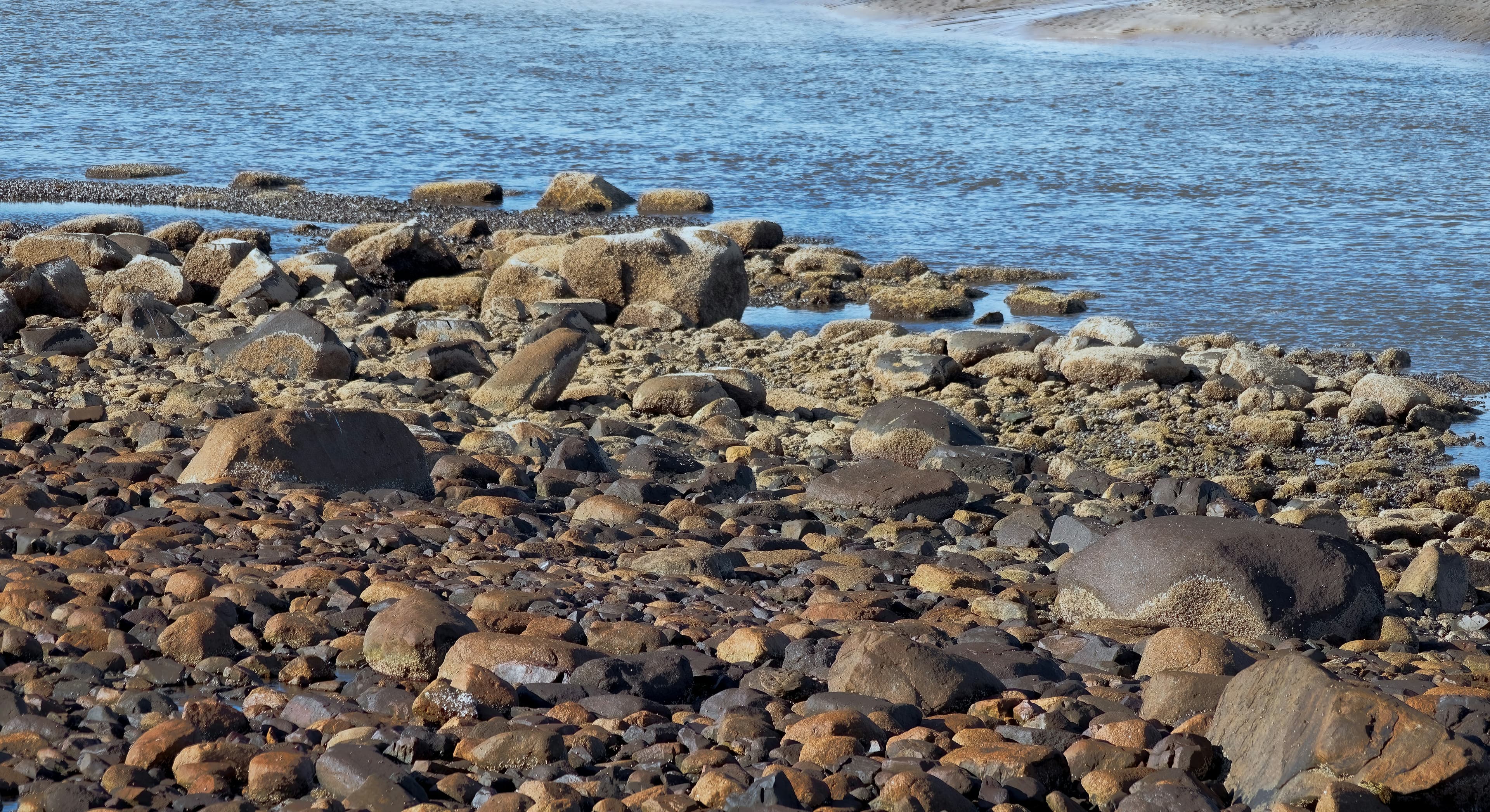
Enter Tallurutiup Imanga, one of Canada’s largest marine protected areas, where nutrient-rich waters support whales, walrus, seals, and immense seabird colonies beneath towering cliffs and across deep fjords. On Devon Island, the world’s largest uninhabited island, glaciers meet the sea and archaeological traces reveal thousands of years of Inuit and earlier human presence.

Enter Tallurutiup Imanga, one of Canada’s largest marine protected areas, where nutrient-rich waters support whales, walrus, seals, and immense seabird colonies beneath towering cliffs and across deep fjords. On Devon Island, the world’s largest uninhabited island, glaciers meet the sea and archaeological traces reveal thousands of years of Inuit and earlier human presence.

In AD 850, the Vikings established their parliament in Tórshavn, a name which translates as "Thor's harbor." It was named after Thor, the god of thunder and lightning in Norse mythology. The town became a center of trade for the island, and in fact was designated as the only legal place for the islanders to sell and buy products. This trade monopoly was abolished in 1856. Today it is the capital and largest city of the Faroe Islands, with fish-processing plants, a shipyard, and woolen products making up. It is considered to be one of the oldest capitals in Northern Europe.

Sail into Kane Basin, where Ellesmere Island and Greenland nearly meet. Across two days, the scale of this High Arctic waterway unfolds through towering mountains, immense glaciers, drifting sea ice, and light that continually transforms the passage. Changing conditions reshape the view from hour to hour, revealing new coastlines, channels, and possibilities for wildlife. Long travelled by Inuit, these waters later became a principal route for expeditions seeking the lost Franklin expedition and a way to the North Pole. The basin bears the name of American explorer Elisha Kent Kane, who crossed it in 1854 during his search for Franklin. Few waterways bring the scale of the High Arctic and the history of polar ambition into such powerful focus.

Sail into Kane Basin, where Ellesmere Island and Greenland nearly meet. Across two days, the scale of this High Arctic waterway unfolds through towering mountains, immense glaciers, drifting sea ice, and light that continually transforms the passage. Changing conditions reshape the view from hour to hour, revealing new coastlines, channels, and possibilities for wildlife. Long travelled by Inuit, these waters later became a principal route for expeditions seeking the lost Franklin expedition and a way to the North Pole. The basin bears the name of American explorer Elisha Kent Kane, who crossed it in 1854 during his search for Franklin. Few waterways bring the scale of the High Arctic and the history of polar ambition into such powerful focus.

Set foot on Tartupaluk, a place few will ever visit. Perched in the middle of Nares Strait between Canada and Greenland, this small, rocky island marks a remarkable meeting point between nations. In modern times, it became the focus of a good-natured yet symbolically important territorial dispute between Canada and the Kingdom of Denmark. In 2022, an agreement divided the island along a natural ravine, creating one of the world’s newest international land borders. The agreement also maintains access and freedom of movement across the entire island for Inuit and local people from Nunavut and Greenland, recognizing connections to these waters that long predate the border itself. With one foot in Canada and the other in Greenland, Tartupaluk offers a memorable example of sovereignty resolved through cooperation.

Venture through Smith Sound, the dramatic channel connecting Baffin Bay with Kane Basin and part of the greater Pikialasorsuaq region. Pikialasorsuaq means “great upwelling” in Kalaallisut and is known in Nunavut as Sarvarjuaq. Recurring open water within the surrounding sea ice makes this the Arctic’s largest polynya and one of the most biologically productive regions north of the Arctic Circle. Nutrient-rich waters sustain an extraordinary abundance of life, drawing whales, seals, and millions of seabirds to this vital Arctic ecosystem.

Venture through Smith Sound, the dramatic channel connecting Baffin Bay with Kane Basin and part of the greater Pikialasorsuaq region. Pikialasorsuaq means “great upwelling” in Kalaallisut and is known in Nunavut as Sarvarjuaq. Recurring open water within the surrounding sea ice makes this the Arctic’s largest polynya and one of the most biologically productive regions north of the Arctic Circle. Nutrient-rich waters sustain an extraordinary abundance of life, drawing whales, seals, and millions of seabirds to this vital Arctic ecosystem.

Grise Fiord is an Inuit hamlet on the southern tip of Ellesmere Island, in the Qikiqtaaluk Region, Nunavut, Canada. It is one of three populated places on the island; despite its low population, it is the largest community on Ellesmere Island.

Devon Island, located in Baffin Bay, is only slightly smaller than Croatia. The eastern side is frosted by the Devon Ice Cap, while on the western half of the island lays the 14 mile wide Haughton impact crater. It was created around 39 million years ago when a meteorite crashed into the land. The landscape surrounding this site resembles the surface of Mars. In fact, for the past decade scientists have conducted research here to determine how humans might live one day on Mars. British Arctic explorers Robert Bylot and William Baffin were the first Europeans to sight the island in 1616. In 1819-1820, William Parry charted the island, naming it North Devon after Devon in England. Despite repeated attempts at trading settlements, the strong wind conditions and cold climate eventually drove everyone away leaving Devon Island as a likely candidate for being the world’s largest uninhabited island.

Beechey Island is a small island off the southwest coast of Devon Island, separated by a narrow waterway called the Barrow Strait. Captain William Edward Parry was the first European to visit the island in 1819. His lieutenant, Frederick William Beechey, named the island after his father, the artist William Beechey (1753–1839). Beechey Island played a significant role in the history of Arctic Exploration. During the winter of 1845-46, Sir John Franklin and his men camped on the island as part of their ill-fated quest to find the Northwest Passage. Mummified remains of three of Franklin’s crew were discovered, giving a better understanding of what happened before the disappearance of the expedition. In 1850 Edward Belcher used the island as a base while surveying the area. Later, in 1903, Norwegian explorer Roald Amundsen stopped at the island at the beginning of his successful voyage in search for the Northwest Passage. Subsequently, Beechey Island has been declared a "Territorial Historic Site" since 1975 by the Northwest Territories government

The expedition concludes in Qausuittuq, set on gravel flats and moraine beneath an immense Arctic sky. Its Inuktitut name means “place with no dawn,” a reference to the long polar night. Established through the Canadian government’s High Arctic Relocation of 1953, Qausuittuq has become an important centre for northern research, transportation, and travel. After disembarking, transfer to the airport for the charter flight to Ottawa. Here, at a crossroads of High Arctic travel, the sea journey ends and the route turns south.
Show more

About the Ship

Name

Ocean Nova

Operator

Adventure Canada

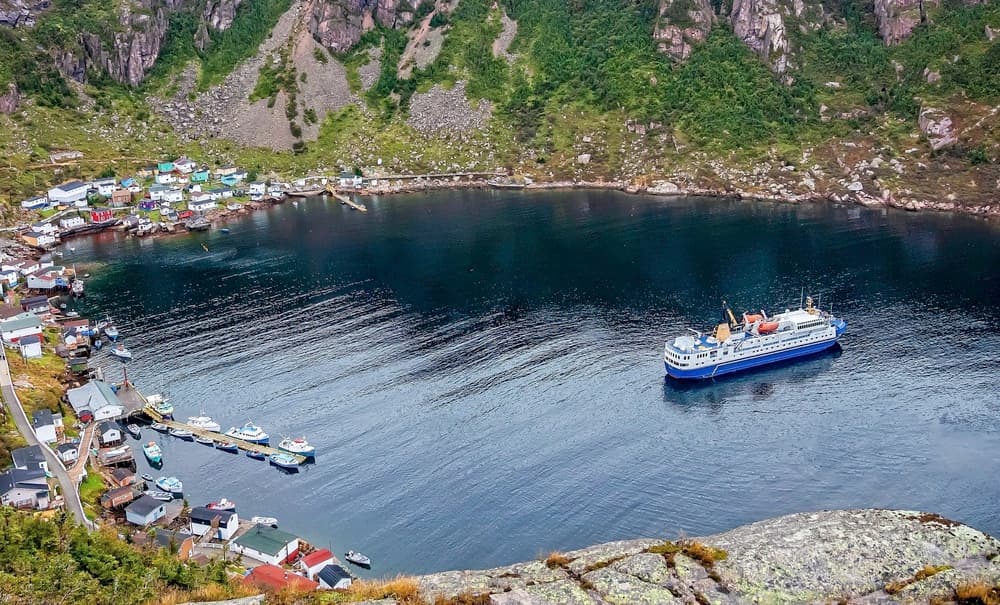
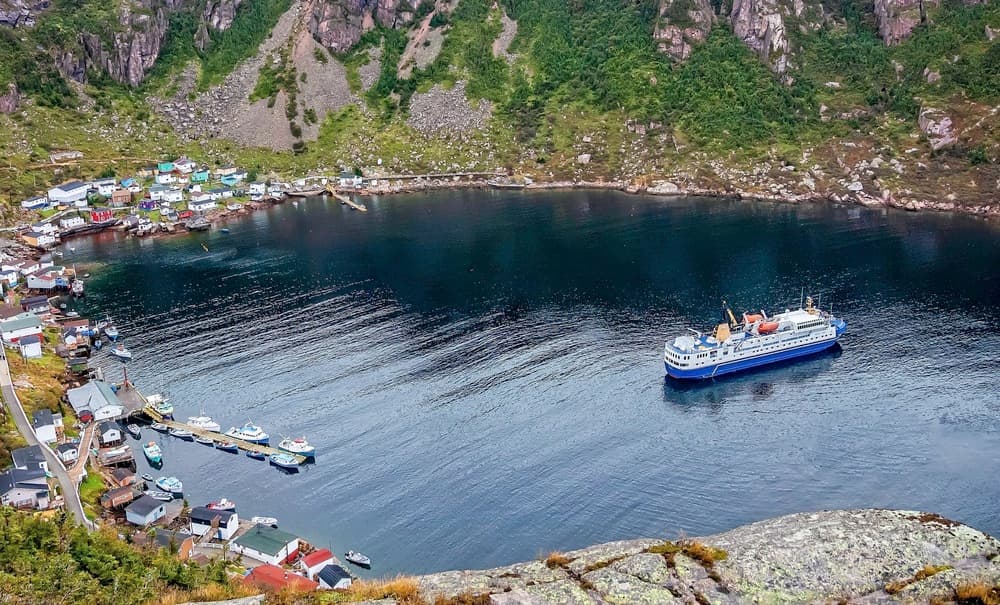
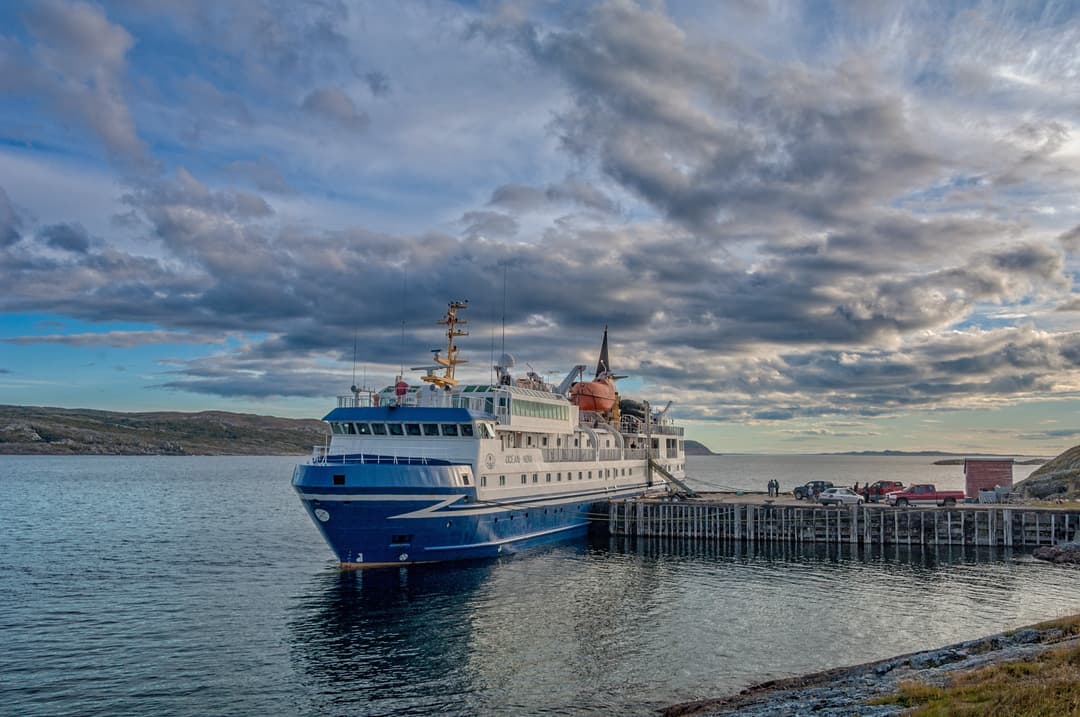
Compact, cozy, and purpose-built for polar waters, the Ocean Nova carries just 75 guests in warmth and comfort. Designed for connection—with nature, with others, and with place—it offers panoramic views, swift shore access, and an inviting, community-minded atmosphere at sea.

Ship Facts
cabin count
No Data
capacity
79
crew count
32
deck count
No Data
currency
USD onboard
gross tonnage
No Data
language
en
launch year
1992
length
73m
speed
13kts
wheelchair count
No Data
width
11m

Loading...

DINING
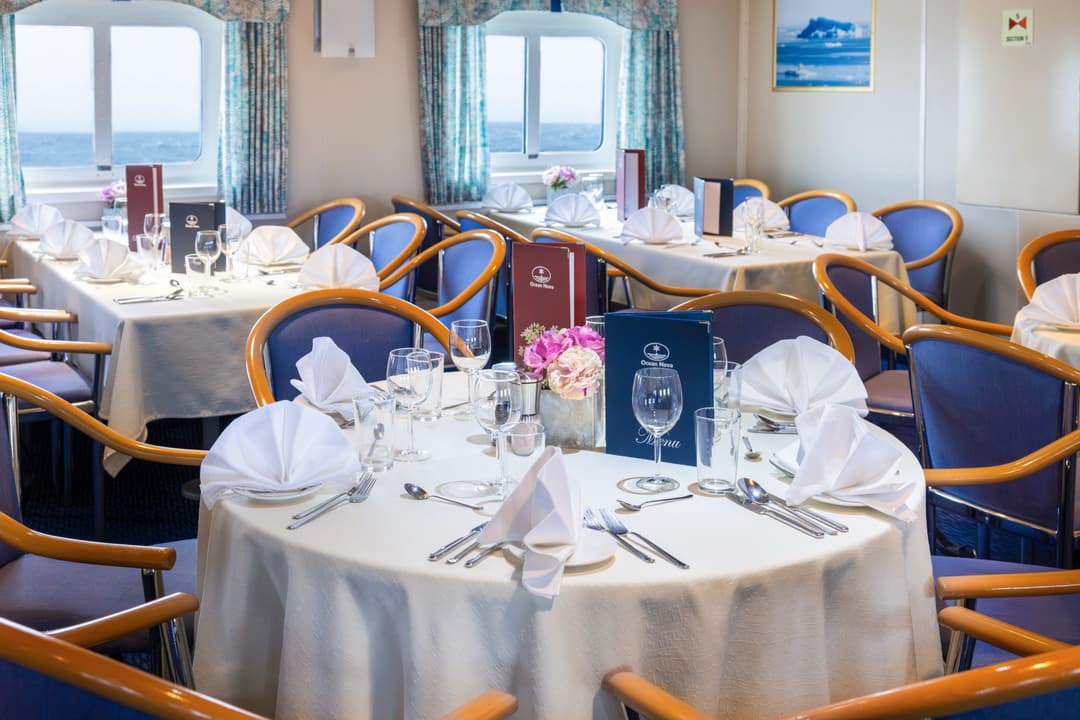
Dining Room

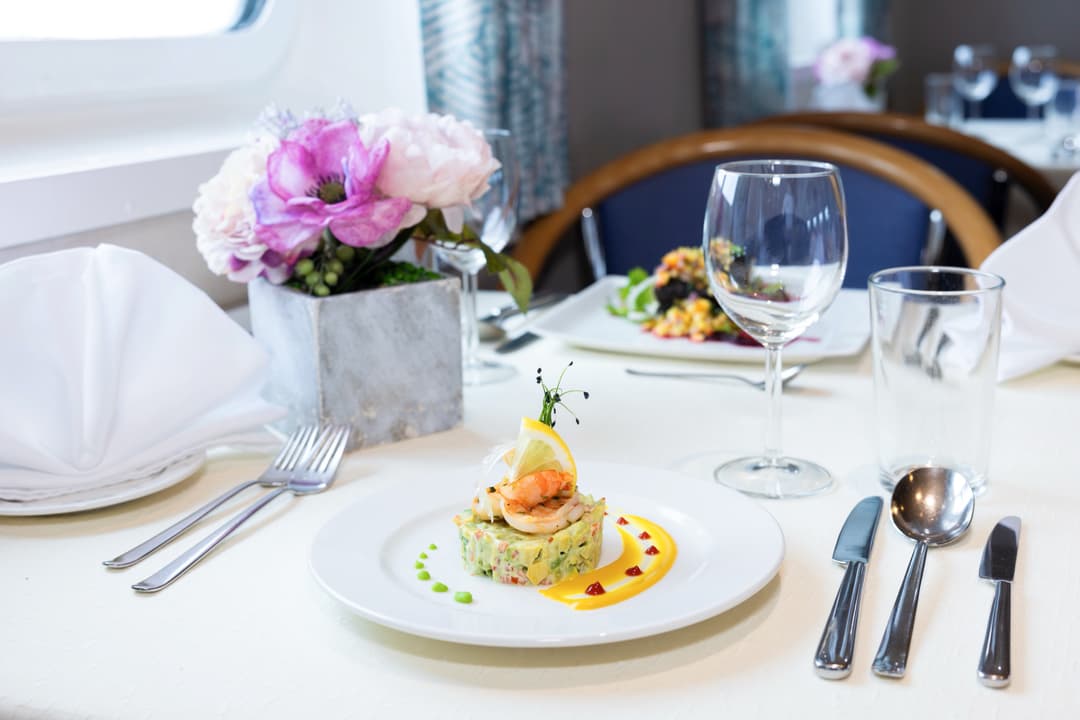
Enjoy open-seating meals in the roomy restaurant, surrounded by ocean views. Adventure Canada expedition team mingle with guests to share their expertise and swap stories over meals.

Breakfast and lunch include a wide variety of tasty and healthy choices. Globally inspired a la carte suppers offer options to suit every taste, including fish and vegetarian options. Desserts, made fresh daily, are a highlight! Food sensitivities, special d....
Entertainment
Panoramic Lounge
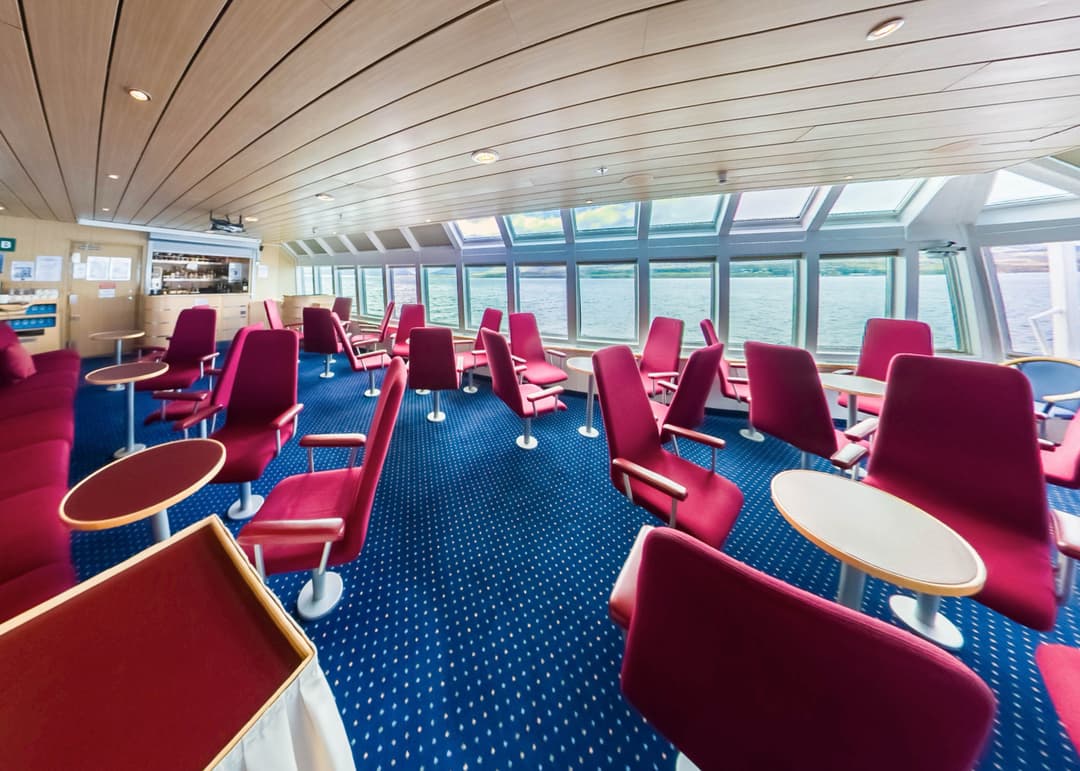
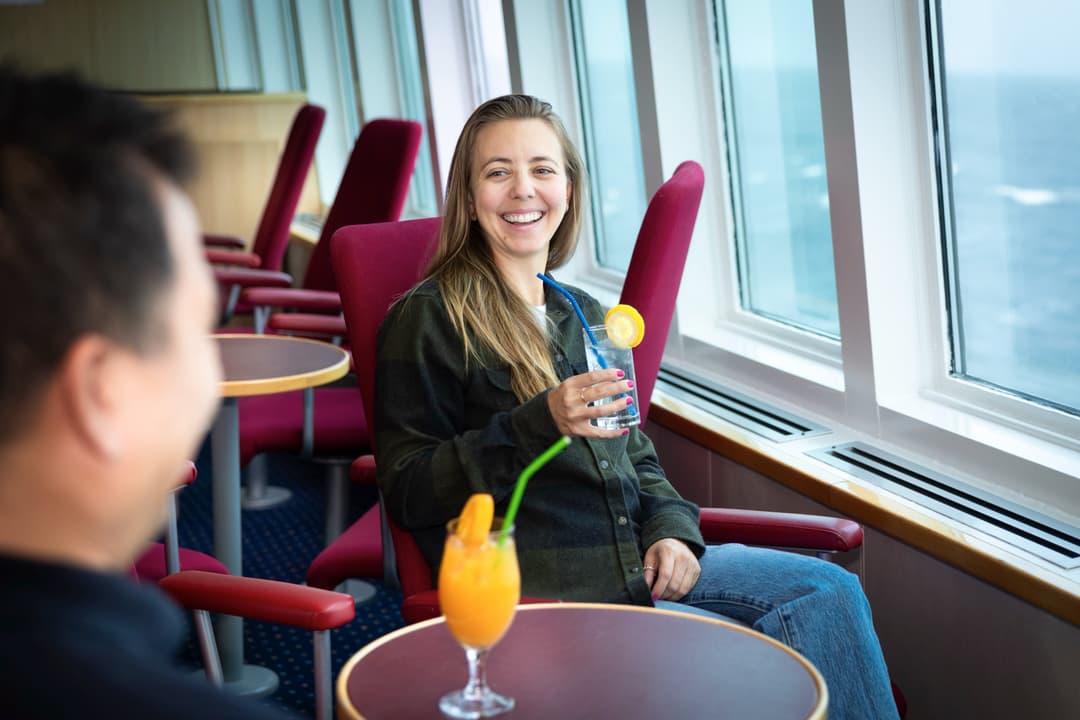
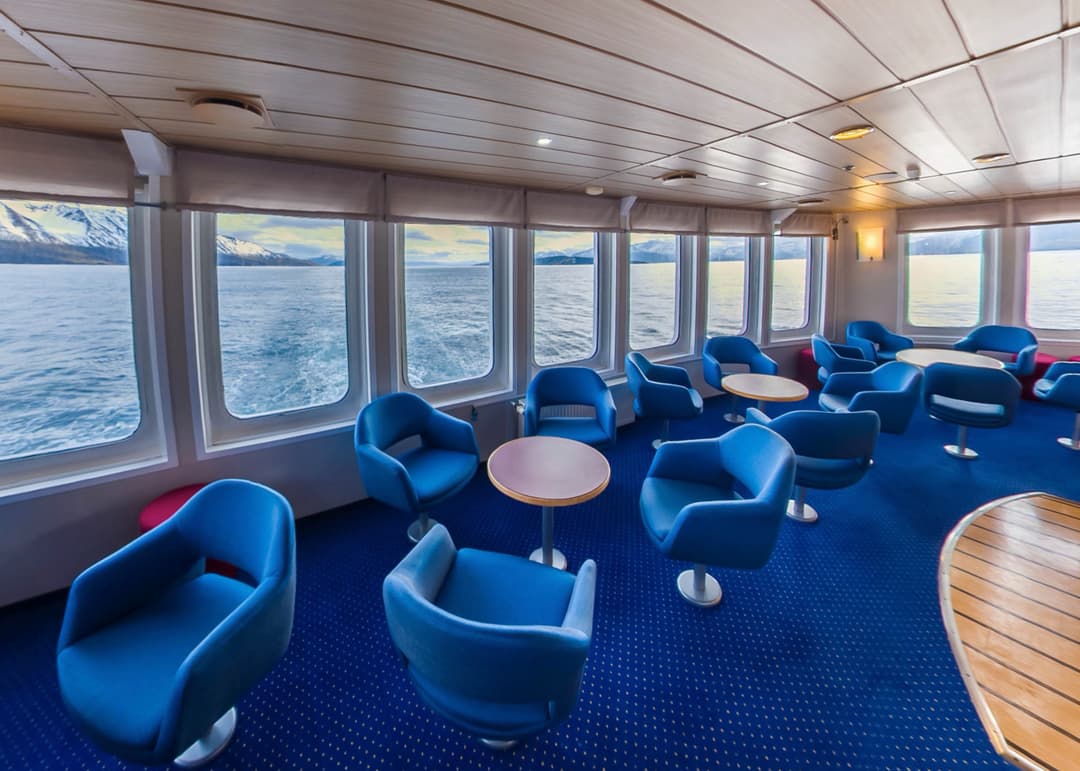
Primary meeting room, presentation space, and concert venue with a full bar, 24-hour beverage station, and ample seating. Enjoy forward-facing views while gathering for entertainment, talks, and relaxation.
Aft Saloon
Cozy lounge ideal for small gatherings or quiet reflection. Unwind with serene views from the ship’s stern.
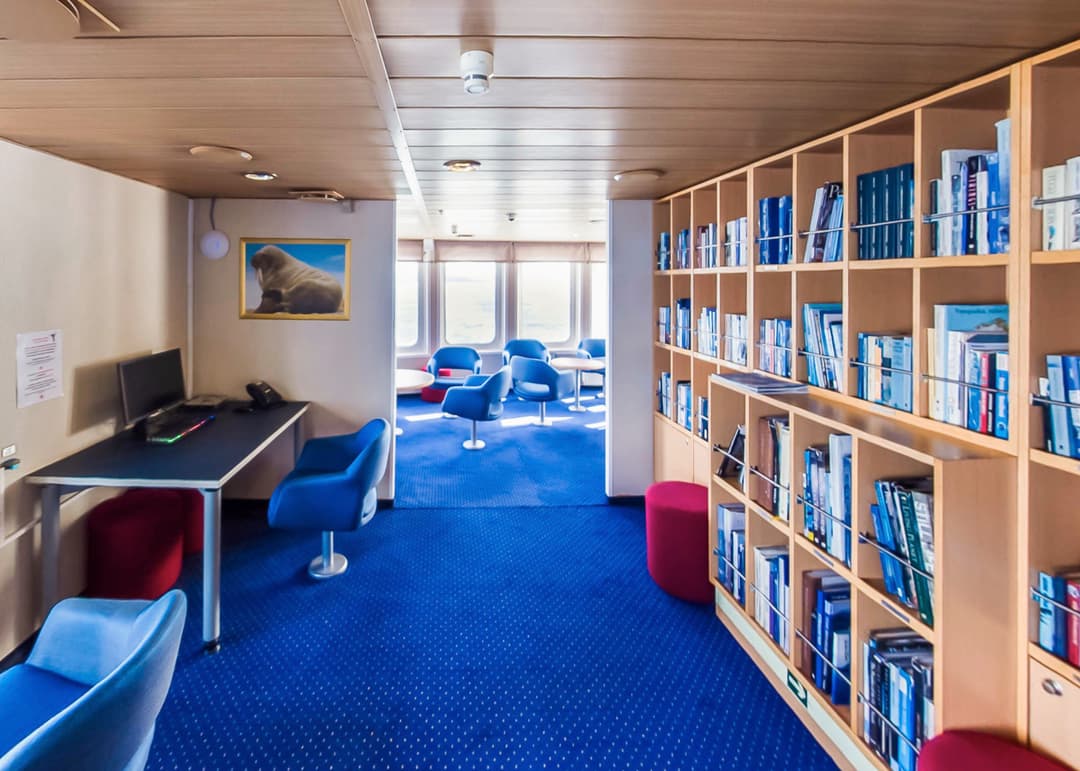
Library
Shipboard library with comfortable seating, perfect for quiet reading and relaxation.
Enrichment
Expedition Programs

Thanks to the Ocean Nova’s intimate group size and our seamless operations, hopping into one of our eight Zodiacs is a breeze—rain, shine, or snow. With the ship’s shallow draft and ability to anchor close to shore, you’ll spend less time ferrying and more time exploring. Need to head back to the ship mid-excursion? No problem. Simply return to the landing site, and we’ll whisk you back in no time. More adventure, less waiting—that’s the Ocean....
USEFUL TO KNOW
Technical Details

Additional Facilities

  • 24-hour beverage station
  • Front deck
  • Back deck
  • Top deck
  • Ocean facing gym
  • Bar
  • Medical clinic
  • Open bridge policy
  • Wi-Fi access (charges apply)
  • Polar boutique
  • Laundry

Technical Details

  • Capacity: 78 passengers
  • Crew: 32
  • Registry: Bahamas
  • Type of vessel: Passenger cruise sh....
Temperatures

In June, July, and August, the temperatures in the regions we visit are usually quite comfortable. It is common to have beautiful sunny days with temperatures reaching a high of 18°C. In the Arctic, we can also experience temperatures close to 0°C. When you are on land and walking around it usually gets quite warm and people tend to take off layers.

European and Canadian maritime destinations tend to be warmer than the Arctic in the summ....

Health & Safety

As a leader in expedition cruising, Adventure Canada has a deep commitment to safety. Our staff are rigorously trained and certified for their roles, and our ships’ crews have lifetimes of experience. We plan our routes in consultation with captain, crew, expedition leaders, and local guides for safe adventuring everywhere.

Special Accommodations

Adventure Canada is committed to extending a high level of customer service to all travellers, including persons with disabilities. We are committed to meeting the needs of persons with disabilities in a timely manner, and will do so by preventing and removing barriers to accessibility wherever possible.

Certain mandated safety requirements in the construction and operation of the Vessel inherently restrict maneuverability in many areas.....

Medical Facilities

Adventure Canada expeditions take place far away from hospitals and other institutional medical care and are therefore intended for persons in good health. An adequate medical facility could be 72 hours away or more, and emergency evacuation and adequate medical treatment may be delayed or unavailable in certain areas. Our vessel is not equipped to handle serious medical conditions. Medical and Emergency Evacuation insurance is mandatory. If y....

Activity Level

Adventure Canada expeditions necessitate that passengers be in reasonably good health. Zodiac cruises and transfer times can be lengthy. You must be able to climb stairs between decks on the ship. You must also be able to climb the external gangway stairs to transfer between the ship and the Zodiacs. Our expedition team and ship crew are available to assist you in and out of the Zodiacs, both on shore and at the gangway. Adventure Canada exped....

Solo Travel Aboard the Ocean Nova

For those travelling solo aboard the Ocean Nova, single occupancy is available at 2.0 times the cabin fare across all cabin categories, except Category 6, which is specifically reserved for solo travellers.

Sharing options are also available and will be held on request until a suitable roommate is found. If no roommate is found, the single supplement will apply.

Drones
Adventure Canada does not permit Passenger use of drones, including underwater drones or other unmanned vehicles. No exceptions will be made.
Age Limitations
Adventure Canada offers family friendly Cruises. There is no minimum or maximum age restriction. Passengers under the age of 18 must have Adventure Canada’s “Agreement for Accompanying a Minor Guest” completed at the time of booking if travelling without their legal guardian. Passengers 16 and under must be accompanied by and share a cabin with a travel companion over the age of 18. No babysitting or childcare services are provided.