

CRUISE ID # SWAND2826102320
Cape Town TO Ushuaia
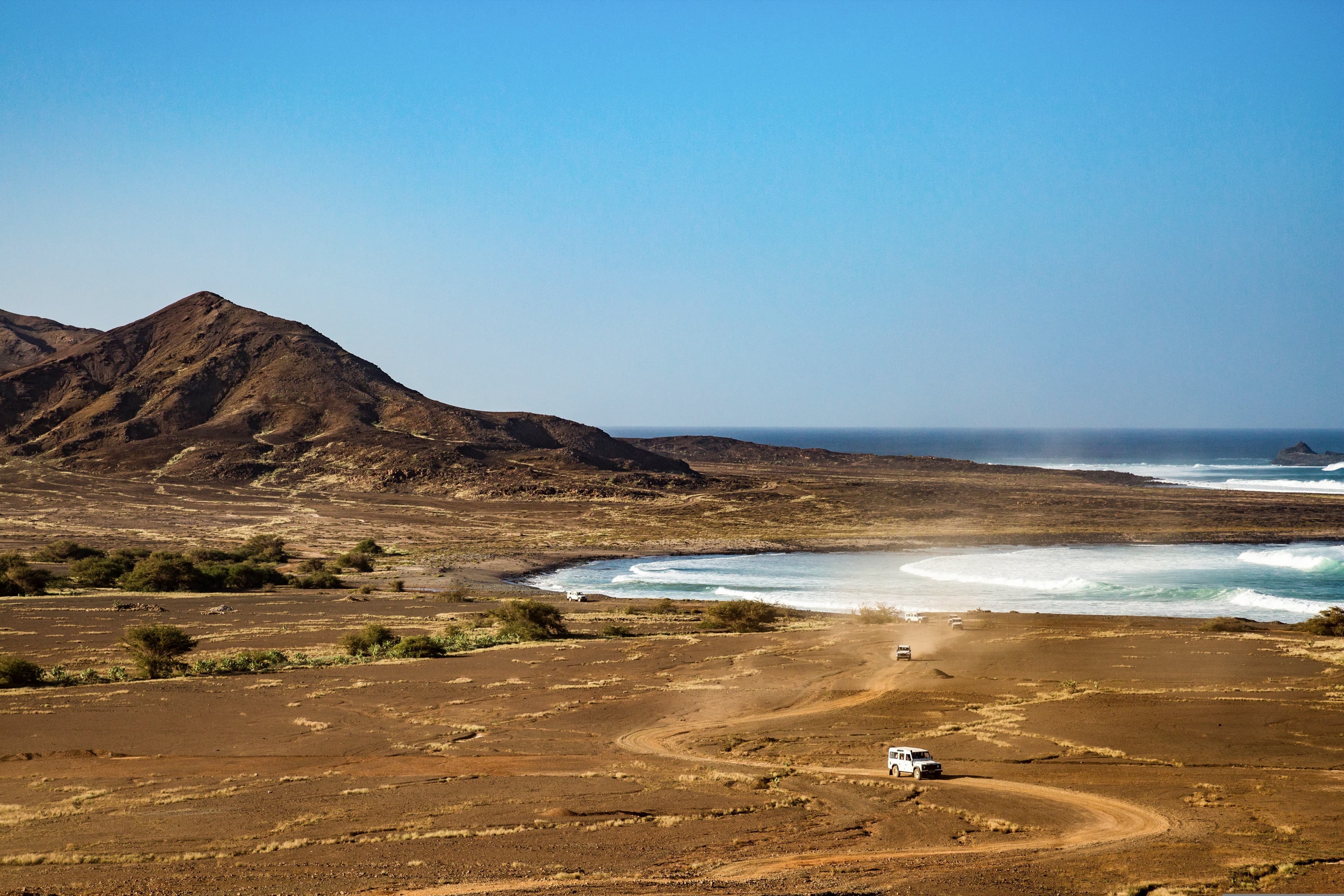
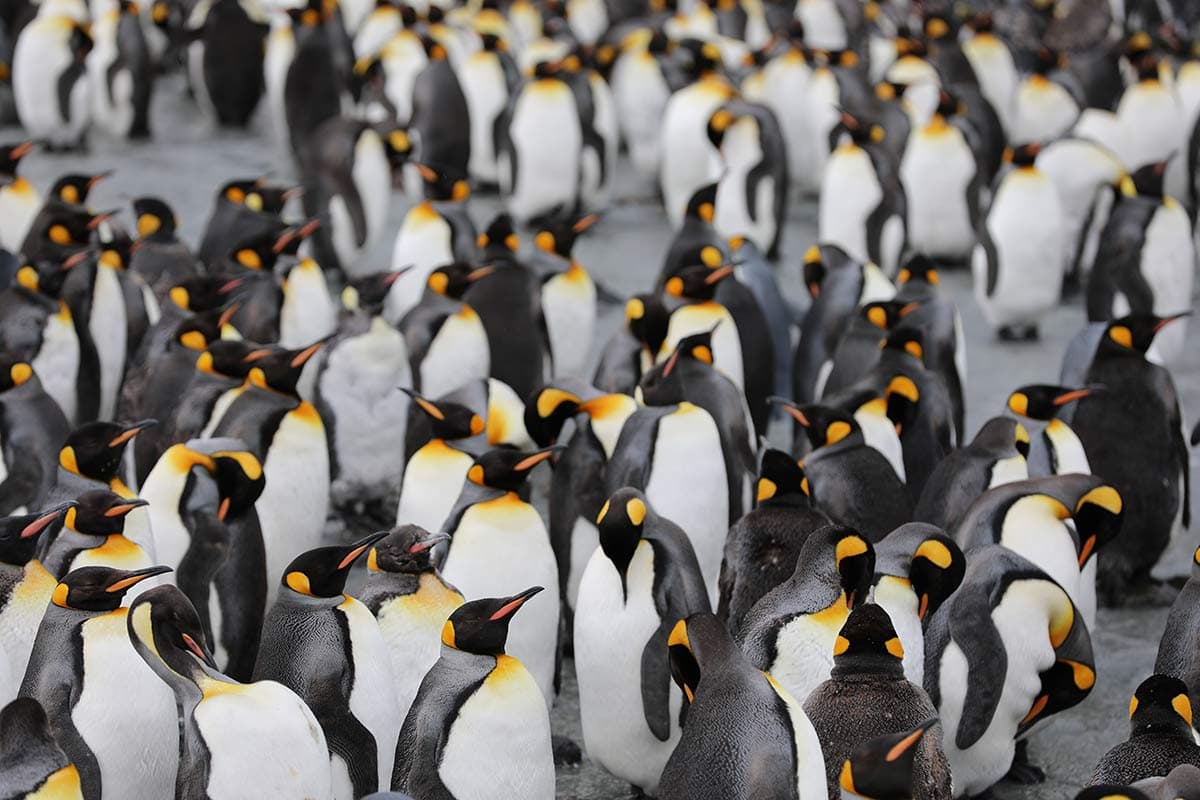
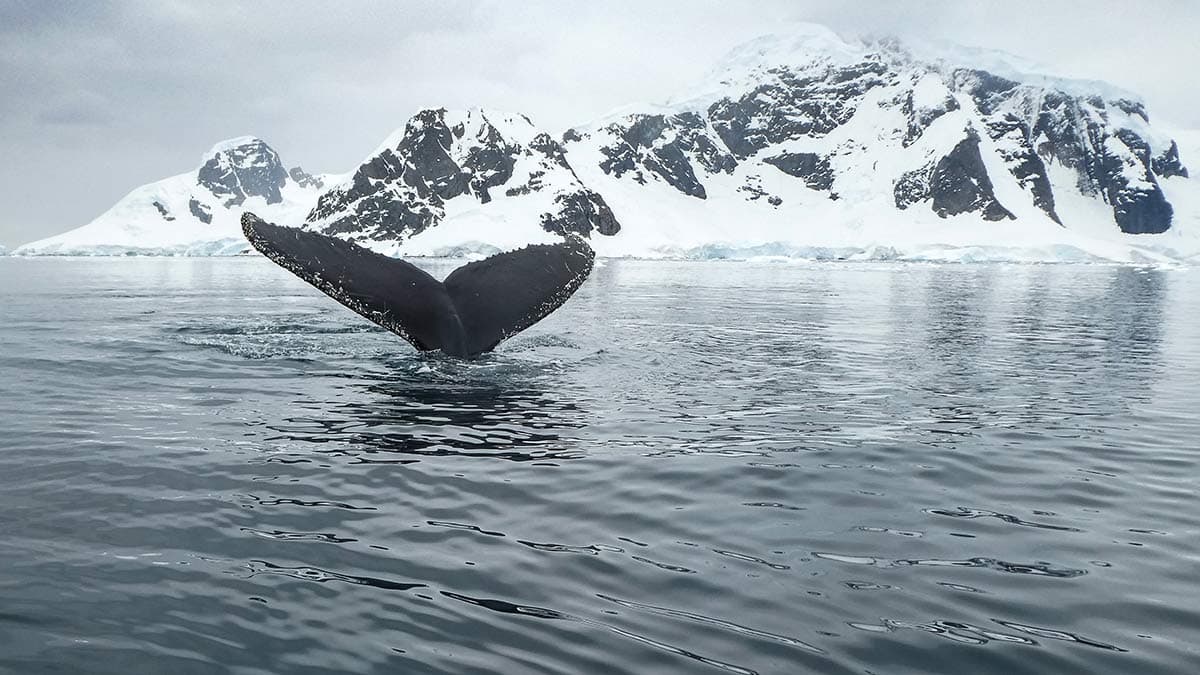
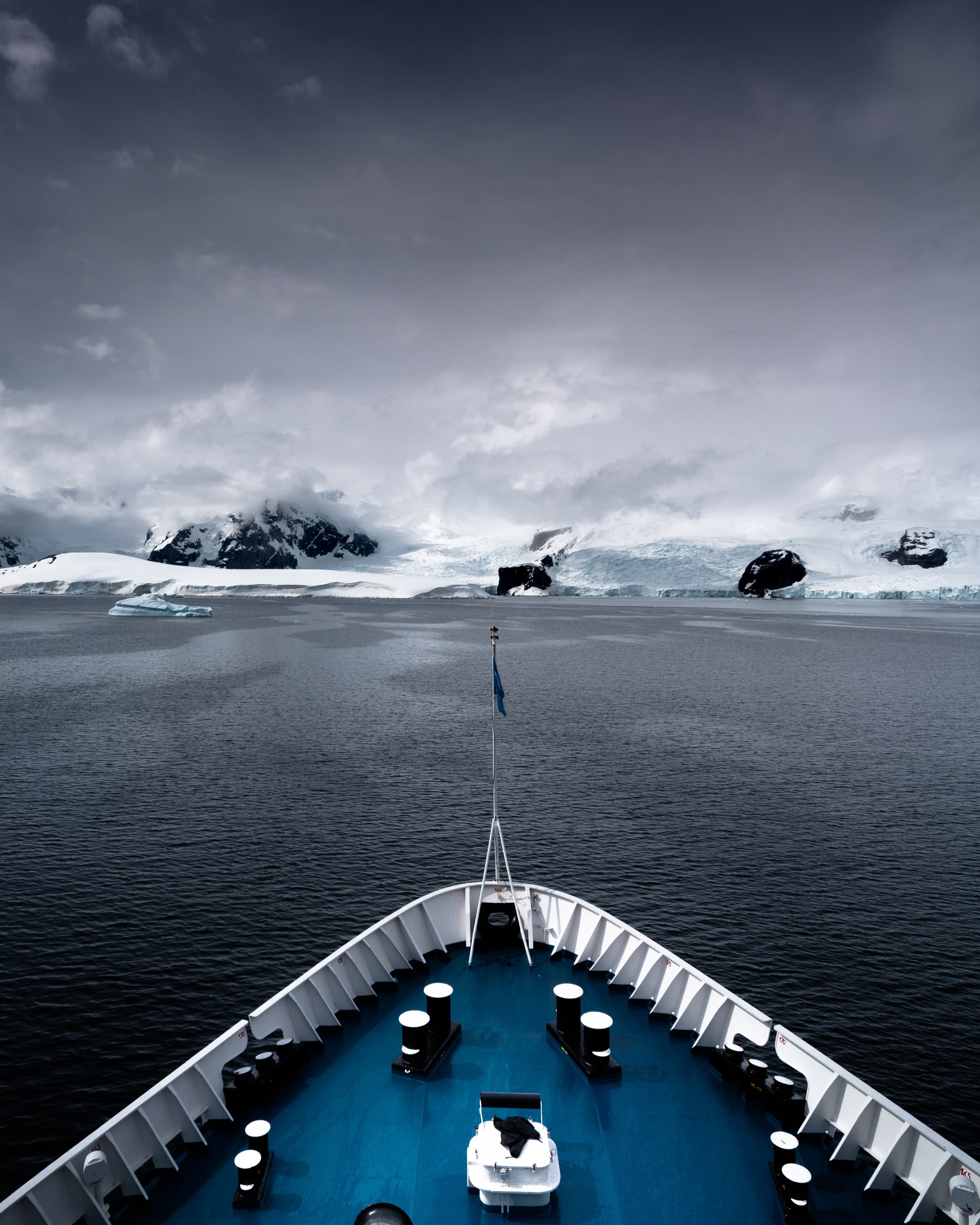
Embark on an extraordinary South Africa to Antarctica cruise across the South Atlantic. Starting from the vibrant city of Cape Town, the voyage takes you on an adventure to the world's most remote islands including Tristan da Cunha, with its unique wildlife, and culminates on the awe-inspiring Antarctic Peninsula. This experience ends in the quaint city of Ushuaia, offering an unforgettable experience from start to finish. During this voyage, you'll have the opportunity to witness breathtaking destinations. Explore the multicultural essence of Cape Town, enjoy the serene beauty and rare wildlife of Tristan da Cunha, and be captivated by the majestic landscapes of South Georgia. Finally, the spectacular Antarctic Peninsula, with its glaciers and rich fauna, offers a truly unique glimpse into the White Continent. The journey promises a myriad of activities to enrich your cruise experience. Relax on days at sea with lectures and photography workshops. Near Tristan da Cunha, embark on a thrilling Zodiac cruise for wildlife spotting. In Antarctica, an optional kayaking tour allows an up-close interaction with the icy waters. Few cruises to Antarctica from South Africa reach this many remote landfalls, and each activity is curated to provide a remarkable adventure amidst the South Atlantic's stunning backdrop.
Day-by-Day Itinerary
During this voyage, you will encounter some of the most remote and remarkable places on Earth. Begin in vibrant Cape Town, then sail to the incomparable Tristan da Cunha, considered the most isolated inhabited archipelago in the world. The voyage culminates in the Antarctic Peninsula, where towering glaciers and abundant wildlife offers a truly unique glimpse into the White Continent.
Throughout the journey, a rich variety of experiences awaits. Relax on days at sea with insightful lectures and photography workshops. Near Tristan da Cunha, embark on thrilling Zodiac cruises to observe rare seabirds and marine life in pristine environments. In Antarctica, an optional kayaking excursion offers an intimate encounter with glistening icebergs and icy waters teeming with seals and penguins
$9,775
WITH SPECIAL SAVINGS APPLIED
FARES SHOWN ARE PER GUEST
Suites & Fares
CHOOSE START DATE
: October 23, 2026
Itinerary
Sometimes referred to as the Mother City, Cape Town is the most famous port in South Africa and is influenced by many different cultures, including Dutch, British and Malay. The port was founded in 1652 by Dutch explorer Jan Van Riebeeck, and evidence of Dutch colonial rule remains throughout the region. The port is located on one of the world's most important trade routes, and is mainly a container port and handler of fresh fruit. Fishing is another vital industry, with large Asian fishing fleets using Cape Town as a logistical repair base for much of the year. The region is famous for its natural beauty, with the imposing Table Mountain and Lions Head, as well as the many nature reserves and botanical gardens such as Kirstenbosch which boasts an extensive range of indigenous plant life, including proteas and ferns. Cape Town's weather is mercurial, and can change from beautiful sunshine to dramatic thunderstorms within a short period. A local adage is that in Cape Town you can experience four seasons in one day.
For the adventurous and fit Jacobs Ladder could be of interest: the ladder actually is an inclined plane with 699 steps (and 600ft). For connoisseurs a visit to the St Helena Distillery is a must: names like White Lion Rum, Midnight Mist coffee liqueur and Juniper flavoured gin entice to see how they are made –and perhaps taste them.
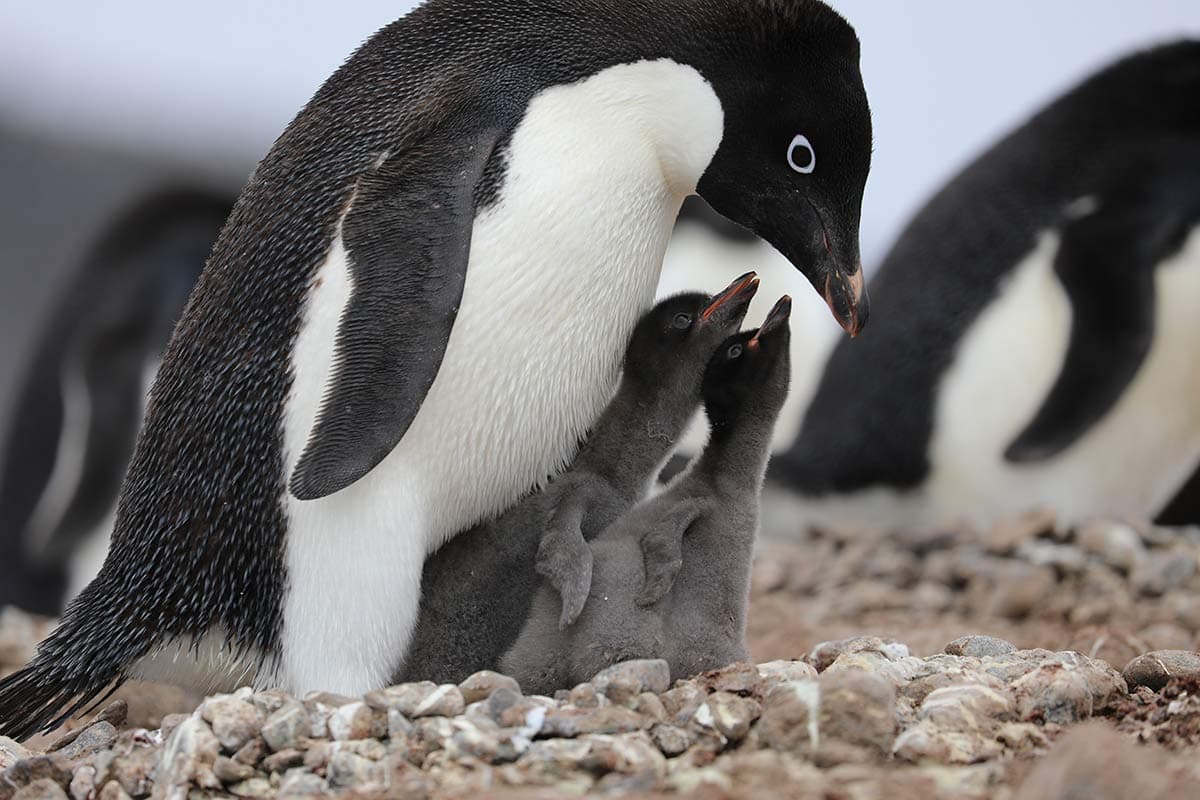
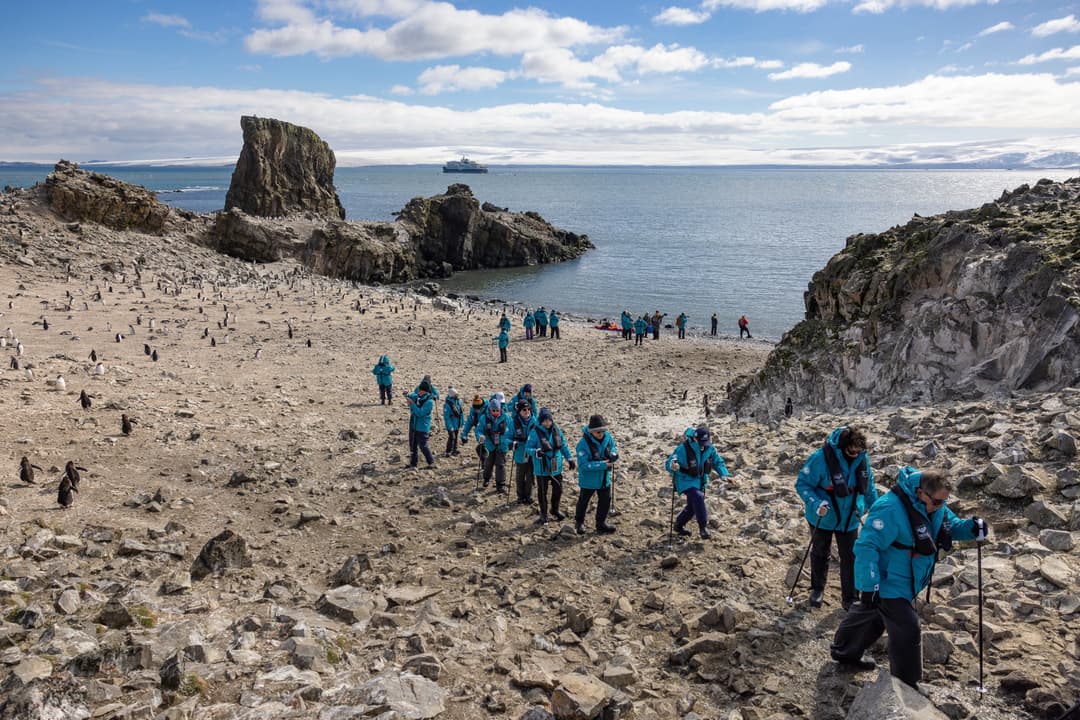
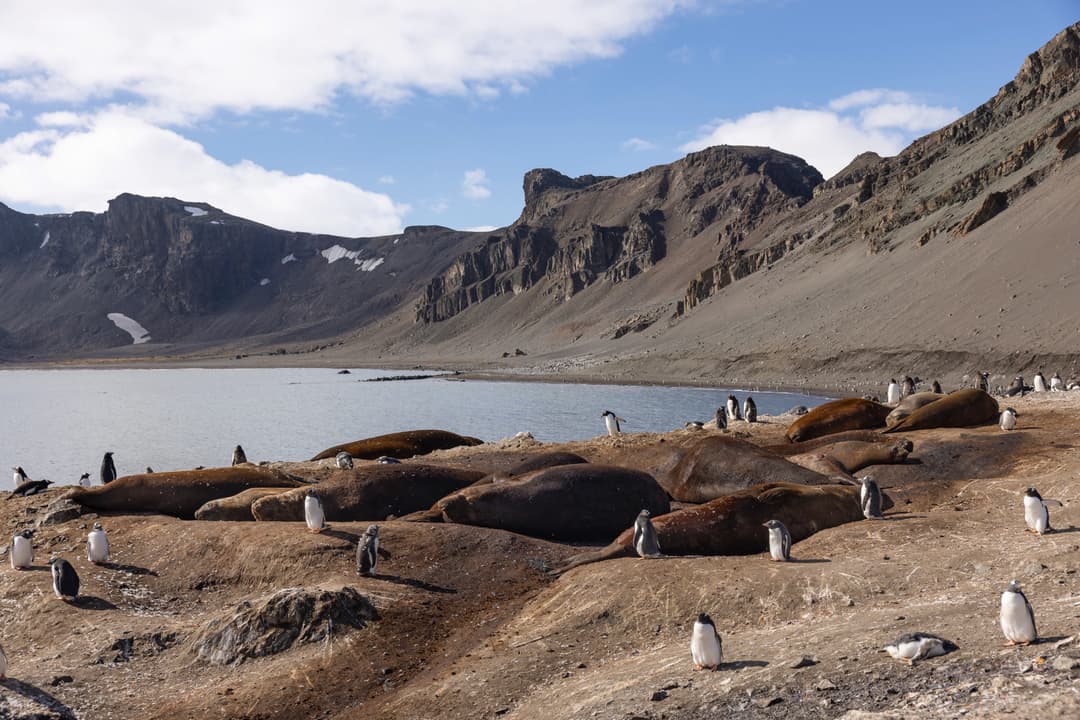
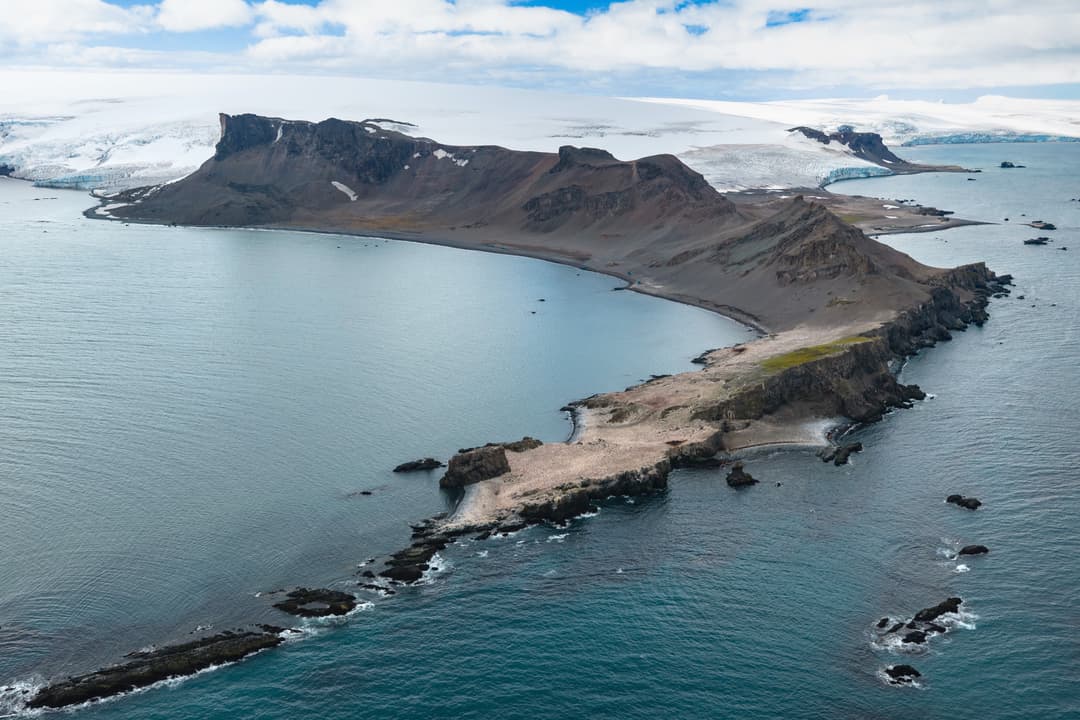
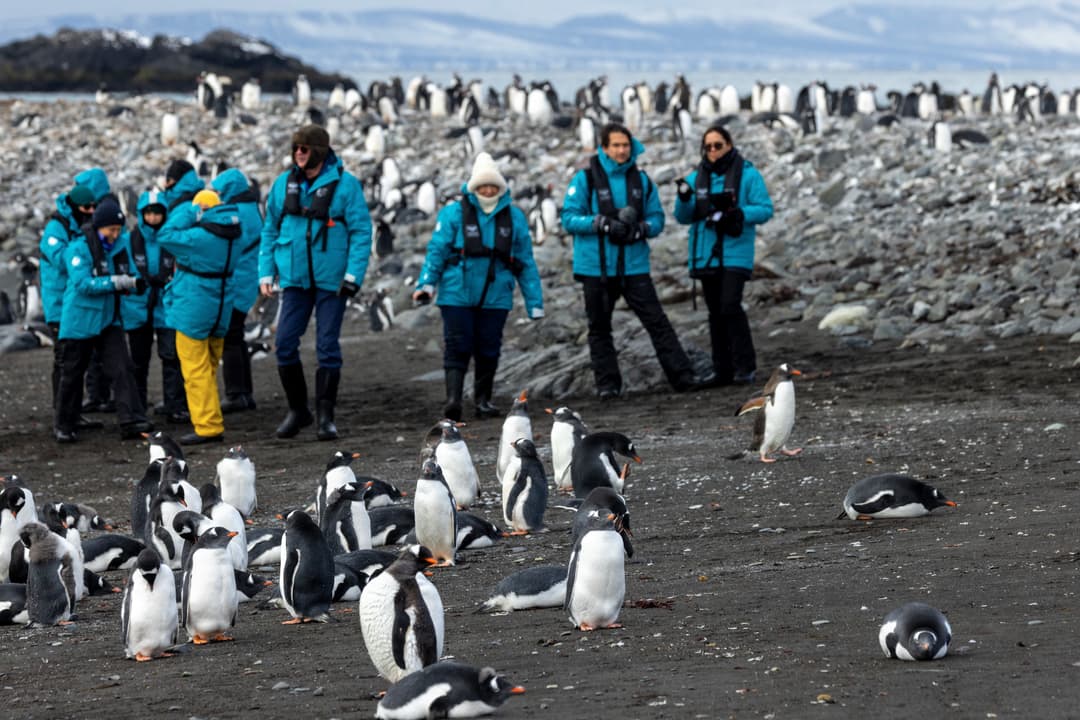
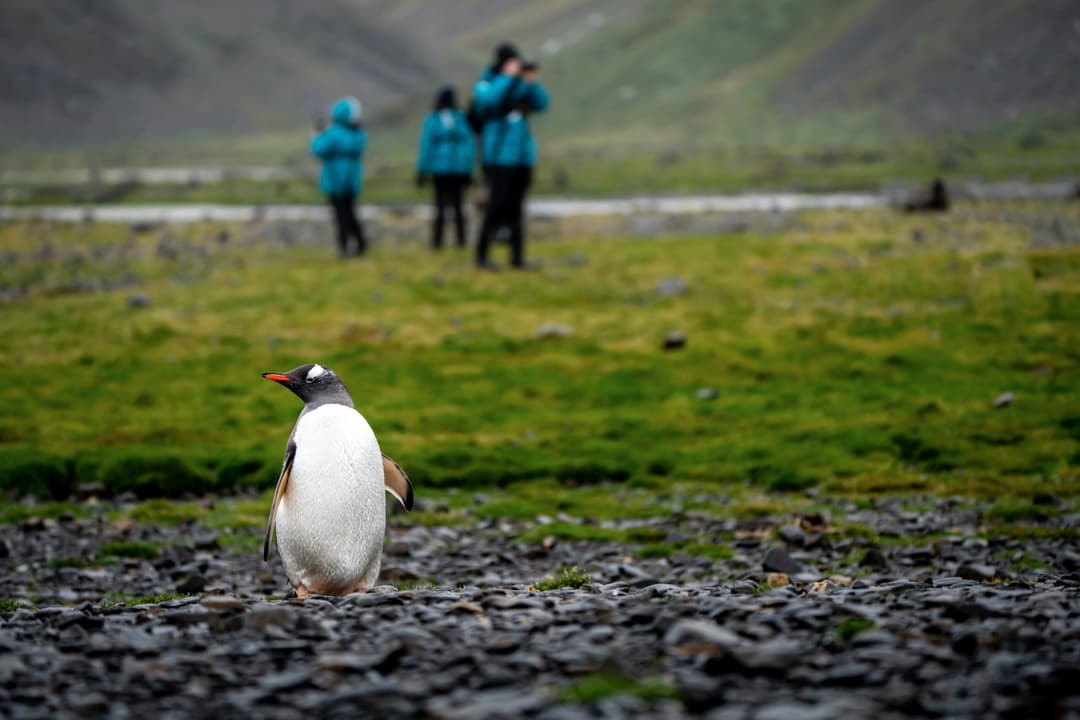
Remote and otherworldly, Antarctic is irresistible for its spectacular iceberg sculptures and calving glaciers, and for the possibility of up-close encounters with marine mammals and the iconic penguins. The Antarctic Peninsula – the main peninsula closest to South America – has a human history of almost 200 years, with explorers, sealers, whalers, and scientists who have come to work, and eventually intrepid visitors coming to enjoy this pristine and remote wilderness. It is a region of protected bays, unscaled snow-capped mountains, vast glaciers and a few places where whalers or scientists have worked. Just as irresistible are the many Gentoo and Chinstrap Penguin colonies, the seals basking on ice floes, the whales and orcas.
Remote and otherworldly, Antarctic is irresistible for its spectacular iceberg sculptures and calving glaciers, and for the possibility of up-close encounters with marine mammals and the iconic penguins. The Antarctic Peninsula – the main peninsula closest to South America – has a human history of almost 200 years, with explorers, sealers, whalers, and scientists who have come to work, and eventually intrepid visitors coming to enjoy this pristine and remote wilderness. It is a region of protected bays, unscaled snow-capped mountains, vast glaciers and a few places where whalers or scientists have worked. Just as irresistible are the many Gentoo and Chinstrap Penguin colonies, the seals basking on ice floes, the whales and orcas.
Remote and otherworldly, Antarctic is irresistible for its spectacular iceberg sculptures and calving glaciers, and for the possibility of up-close encounters with marine mammals and the iconic penguins. The Antarctic Peninsula – the main peninsula closest to South America – has a human history of almost 200 years, with explorers, sealers, whalers, and scientists who have come to work, and eventually intrepid visitors coming to enjoy this pristine and remote wilderness. It is a region of protected bays, unscaled snow-capped mountains, vast glaciers and a few places where whalers or scientists have worked. Just as irresistible are the many Gentoo and Chinstrap Penguin colonies, the seals basking on ice floes, the whales and orcas.
Remote and otherworldly, Antarctic is irresistible for its spectacular iceberg sculptures and calving glaciers, and for the possibility of up-close encounters with marine mammals and the iconic penguins. The Antarctic Peninsula – the main peninsula closest to South America – has a human history of almost 200 years, with explorers, sealers, whalers, and scientists who have come to work, and eventually intrepid visitors coming to enjoy this pristine and remote wilderness. It is a region of protected bays, unscaled snow-capped mountains, vast glaciers and a few places where whalers or scientists have worked. Just as irresistible are the many Gentoo and Chinstrap Penguin colonies, the seals basking on ice floes, the whales and orcas.
At 55 degrees latitude south, Ushuaia (pronounced oo-swy-ah) is closer to the South Pole than to Argentina's northern border with Bolivia. It is the capital and tourism base for Tierra del Fuego, the island at the southernmost tip of Argentina.Although its stark physical beauty is striking, Tierra del Fuego's historical allure is based more on its mythical past than on rugged reality. The island was inhabited for 6,000 years by Yámana, Haush, Selk'nam, and Alakaluf Indians. But in 1902 Argentina, eager to populate Patagonia to bolster its territorial claims, moved to initiate an Ushuaian penal colony, establishing the permanent settlement of its most southern territories and, by implication, everything in between.When the prison closed in 1947, Ushuaia had a population of about 3,000, made up mainly of former inmates and prison staff. Today the Indians of Darwin's "missing link" theory are long gone—wiped out by diseases brought by settlers and by indifference to their plight—and the 60,000 residents of Ushuaia are hitching their star to tourism.The city rightly (if perhaps too loudly) promotes itself as the southernmost city in the world (Puerto Williams, a few miles south on the Chilean side of the Beagle Channel, is a small town). You can make your way to the tourism office to get your clichéd, but oh-so-necessary, "Southernmost City in the World" passport stamp. Ushuaia feels like a frontier boomtown, at heart still a rugged, weather-beaten fishing village, but exhibiting the frayed edges of a city that quadrupled in size in the '70s and '80s and just keeps growing. Unpaved portions of Ruta 3, the last stretch of the Pan-American Highway, which connects Alaska to Tierra del Fuego, are finally being paved. The summer months (December through March) draw more than 120,000 visitors, and dozens of cruise ships. The city is trying to extend those visits with events like March's Marathon at the End of the World and by increasing the gamut of winter activities buoyed by the excellent snow conditions.A terrific trail winds through the town up to the Martial Glacier, where a ski lift can help cut down a steep kilometer of your journey. The chaotic and contradictory urban landscape includes a handful of luxury hotels amid the concrete of public housing projects. Scores of "sled houses" (wooden shacks) sit precariously on upright piers, ready for speedy displacement to a different site. But there are also many small, picturesque homes with tiny, carefully tended gardens. Many of the newer homes are built in a Swiss-chalet style, reinforcing the idea that this is a town into which tourism has breathed new life. At the same time, the weather-worn pastel colors that dominate the town's landscape remind you that Ushuaia was once just a tiny fishing village, snuggled at the end of the Earth.As you stand on the banks of the Canal Beagle (Beagle Channel) near Ushuaia, the spirit of the farthest corner of the world takes hold. What stands out is the light: at sundown the landscape is cast in a subdued, sensual tone; everything feels closer, softer, and more human in dimension despite the vastness of the setting. The snowcapped mountains reflect the setting sun back onto a stream rolling into the channel, as nearby peaks echo their image—on a windless day—in the still waters.Above the city rise the last mountains of the Andean Cordillera, and just south and west of Ushuaia they finally vanish into the often-stormy sea. Snow whitens the peaks well into summer. Nature is the principal attraction here, with trekking, fishing, horseback riding, wildlife spotting, and sailing among the most rewarding activities, especially in the Parque Nacional Tierra del Fuego (Tierra del Fuego National Park).
About the Ship
Name
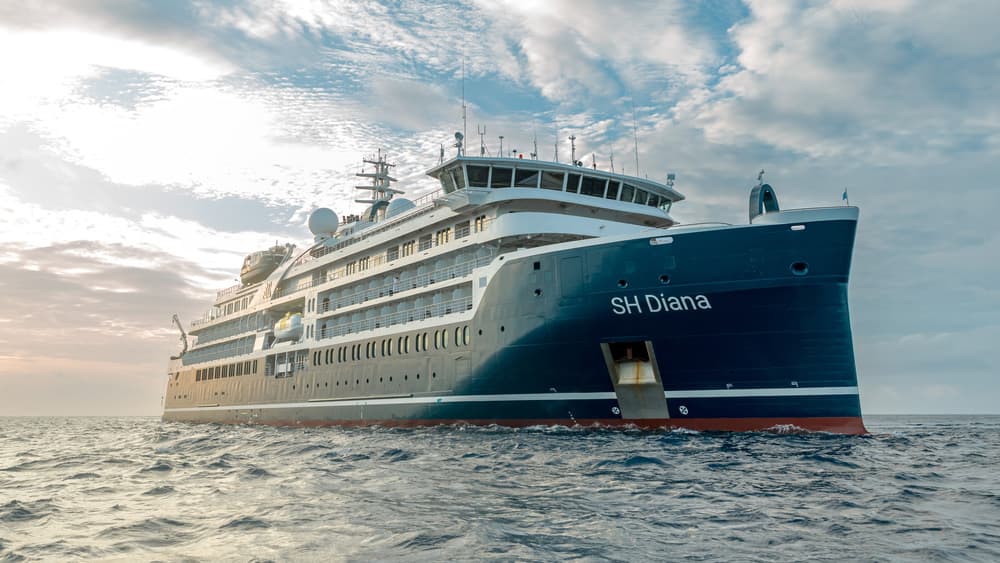
SH Diana
Operator
Swan Hellenic

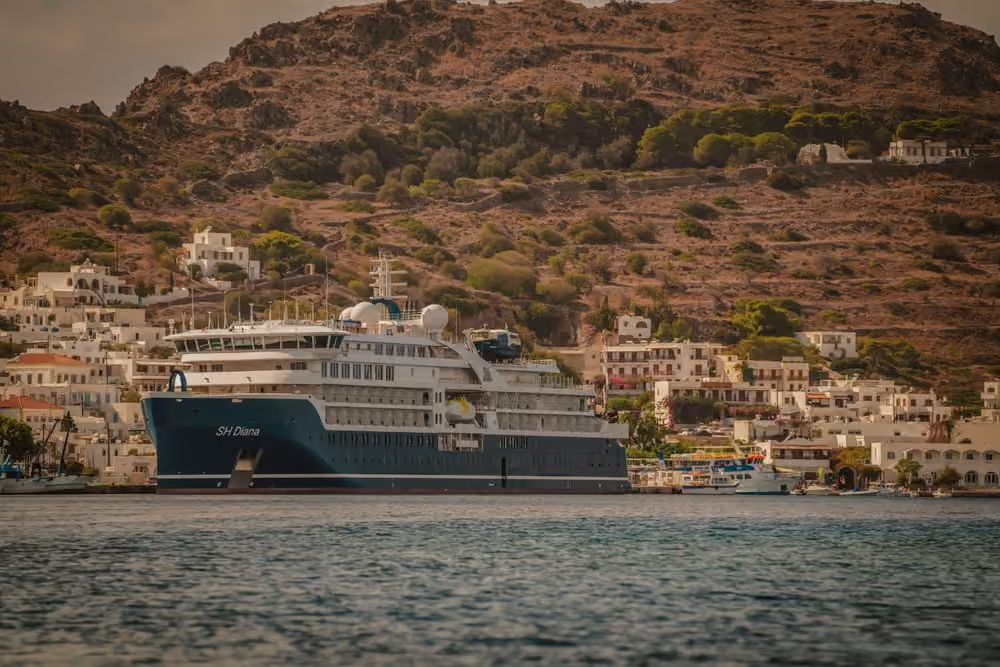
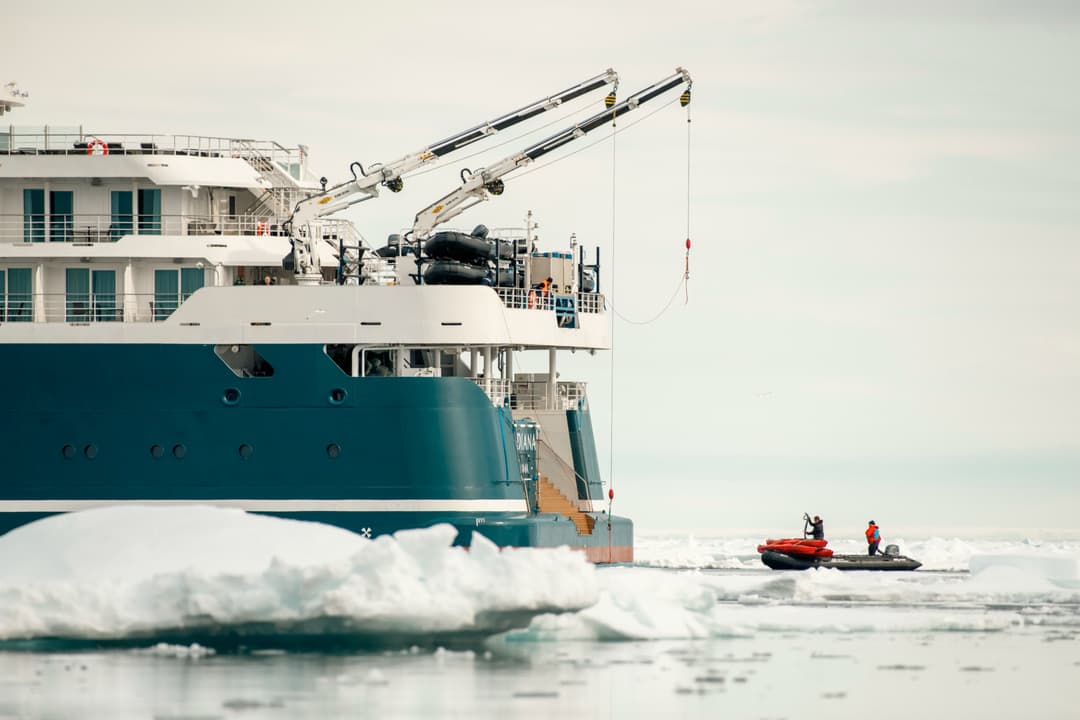
Built in the Helsinki Shipyard in Finland, SH Diana (named after the Roman goddess of light, the moon, hunting and the wilderness) offers a truly elevated travel experience. Whether you’re taking in remarkable scenery from the panoramic sauna, dining in a world-class restaurant, or unwinding in your sumptuous stateroom, this outstanding 5-star ship has you covered.
Loading...
When it comes to dining on your expedition cruise, our ships have a variety of welcoming venues.
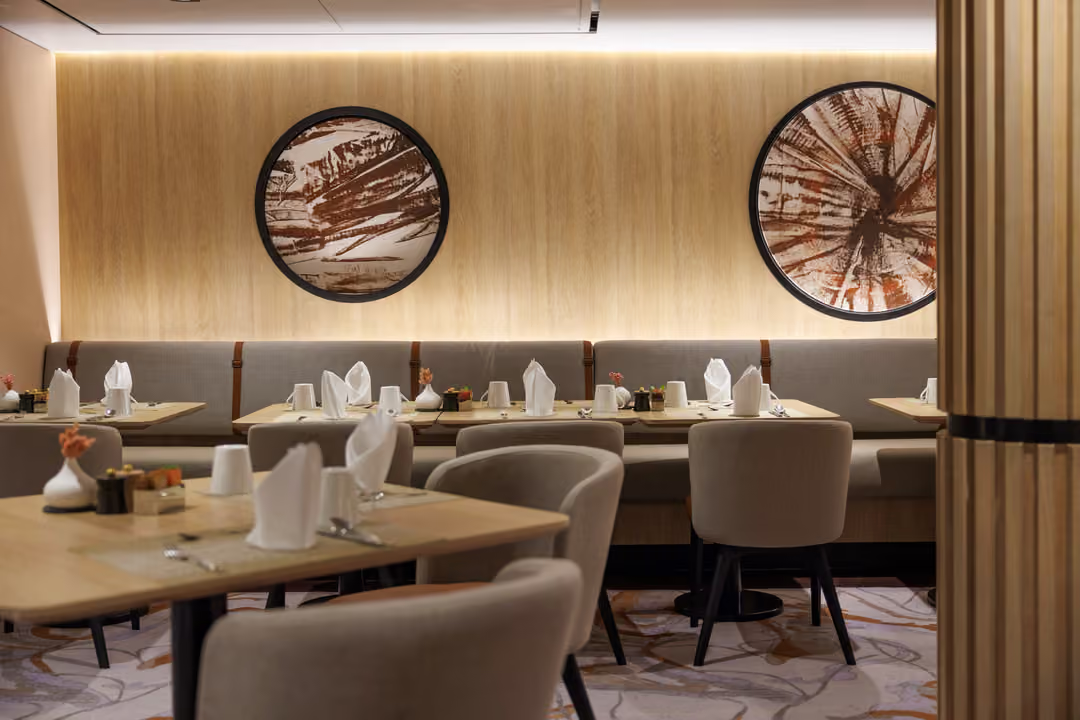
From the gourmet offerings of the Swan Restaurant, and the Pool Bar & Grill’s delicious dishes, to the relaxed tapas-style dining of the Club Lounge, you’ll find exquisite cuisine, skillfully prepared by top chefs. Plus, our carefully curated in-room menu offers a relaxing dining experience in the comfort of your own stateroom.
Crafted Menus
Our menus please the most discerning palates, showcasing healthy, fresh, local ingredients. We cater to most dietary requirements, including vegetarian, vegan and diabetic, as well as gluten-free options.
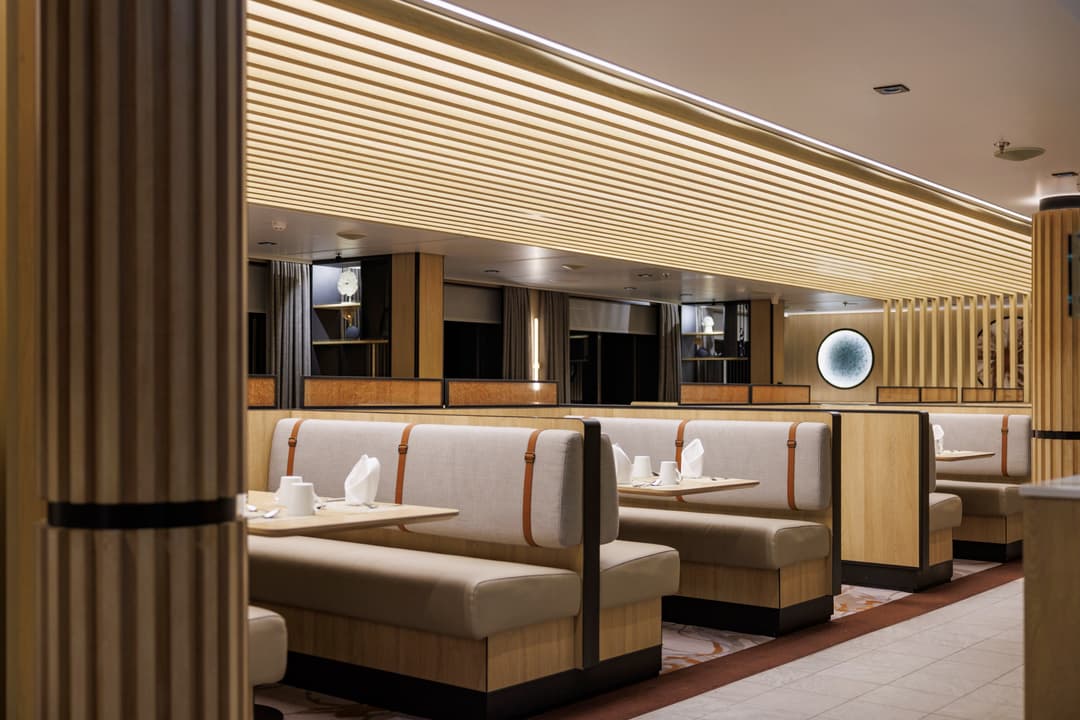
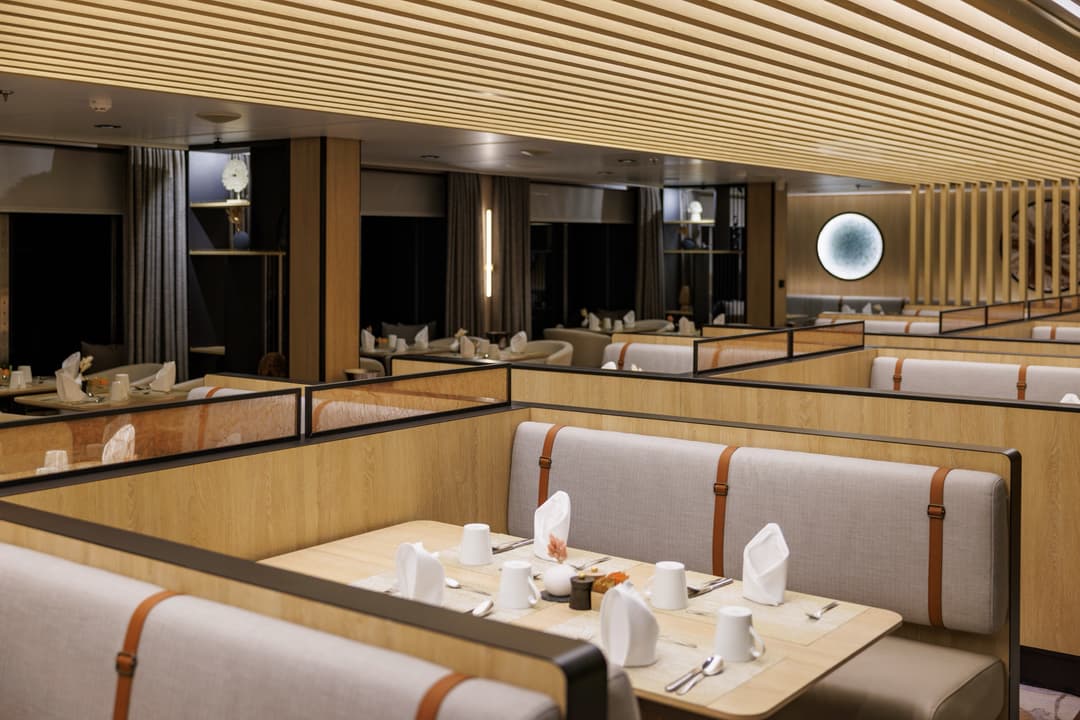
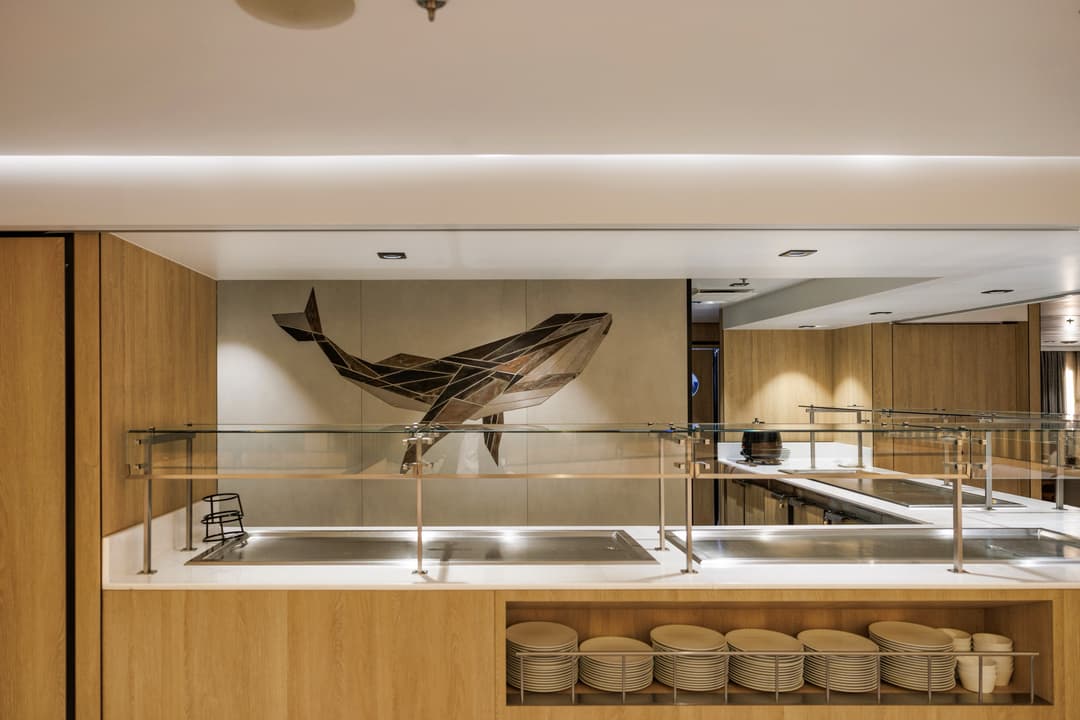
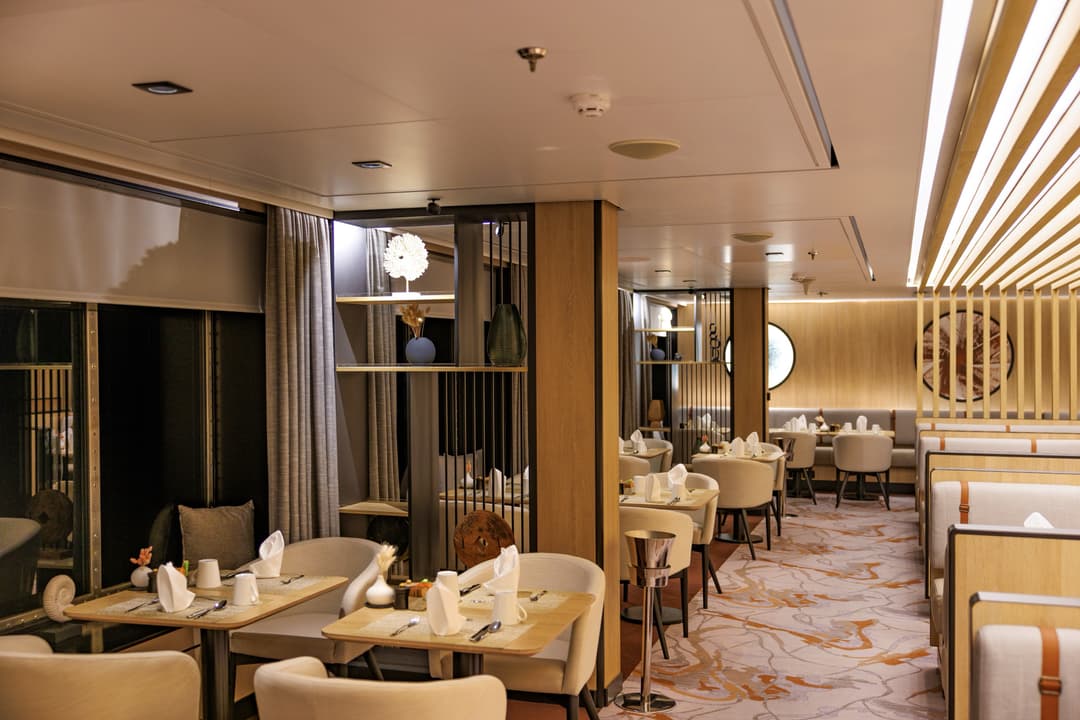

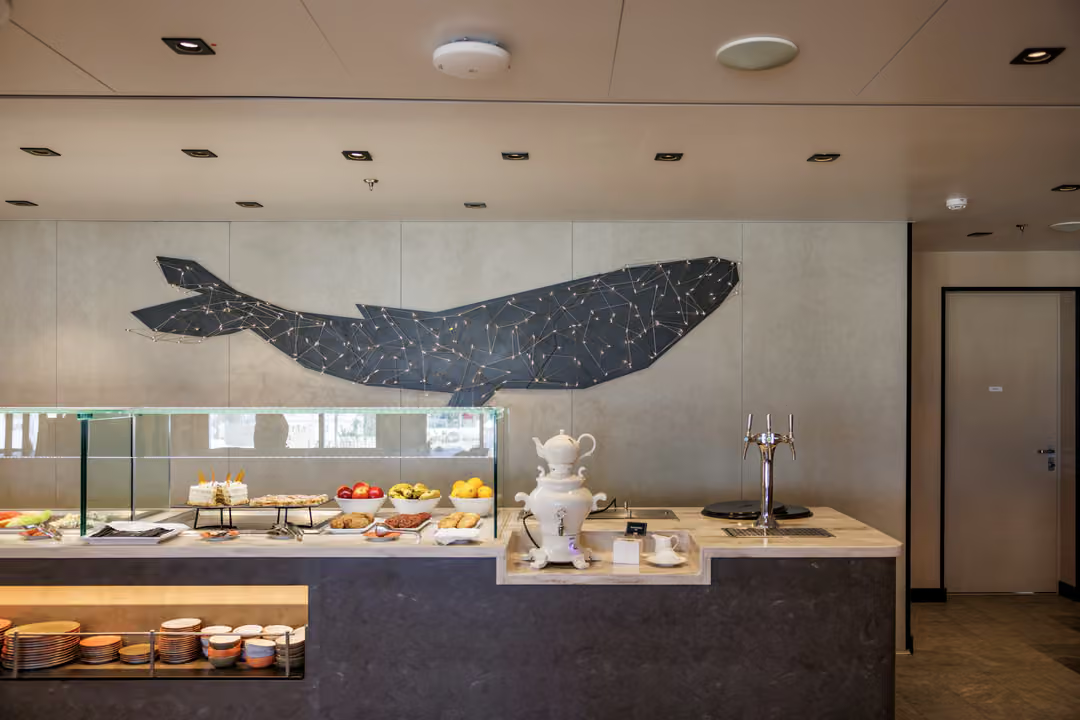
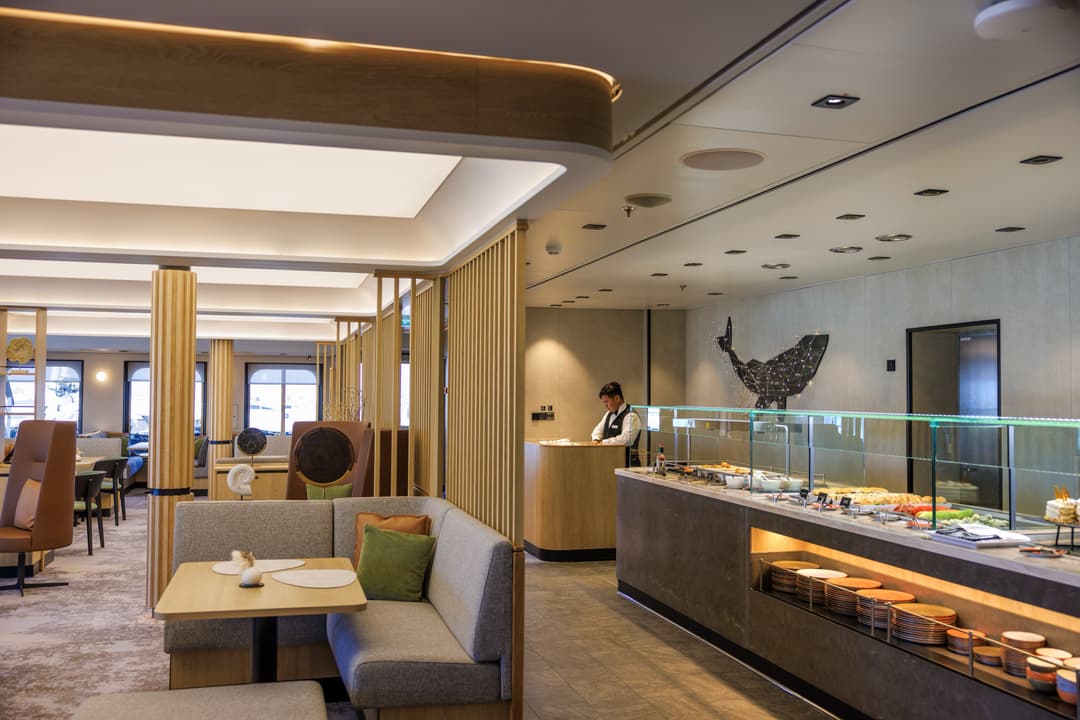
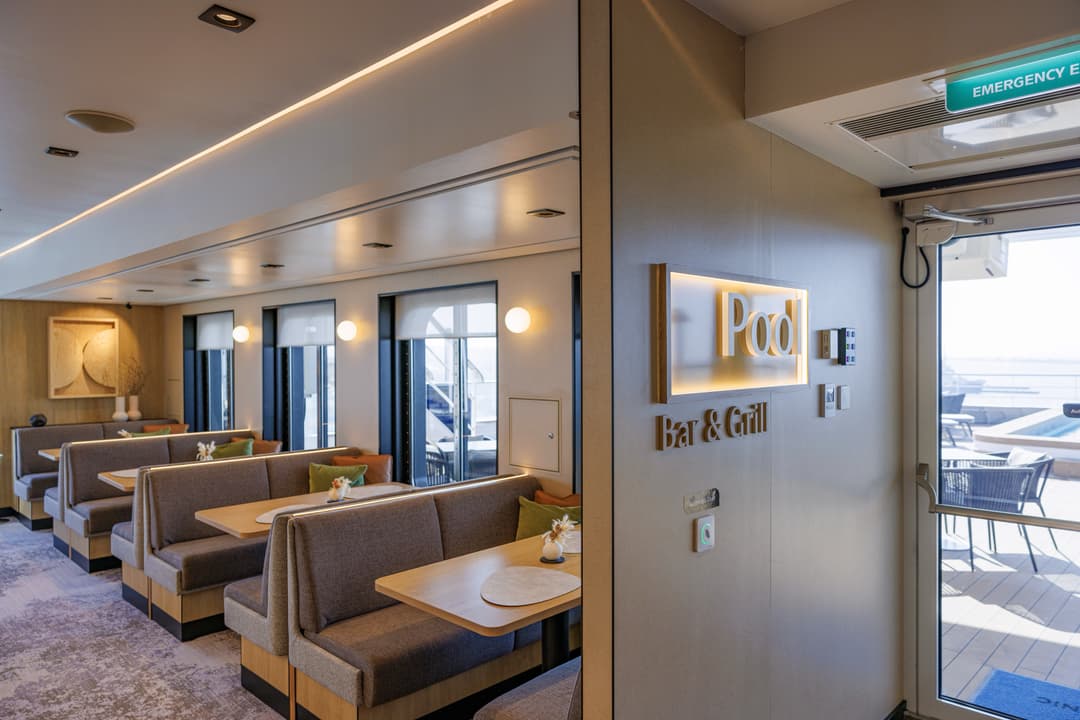
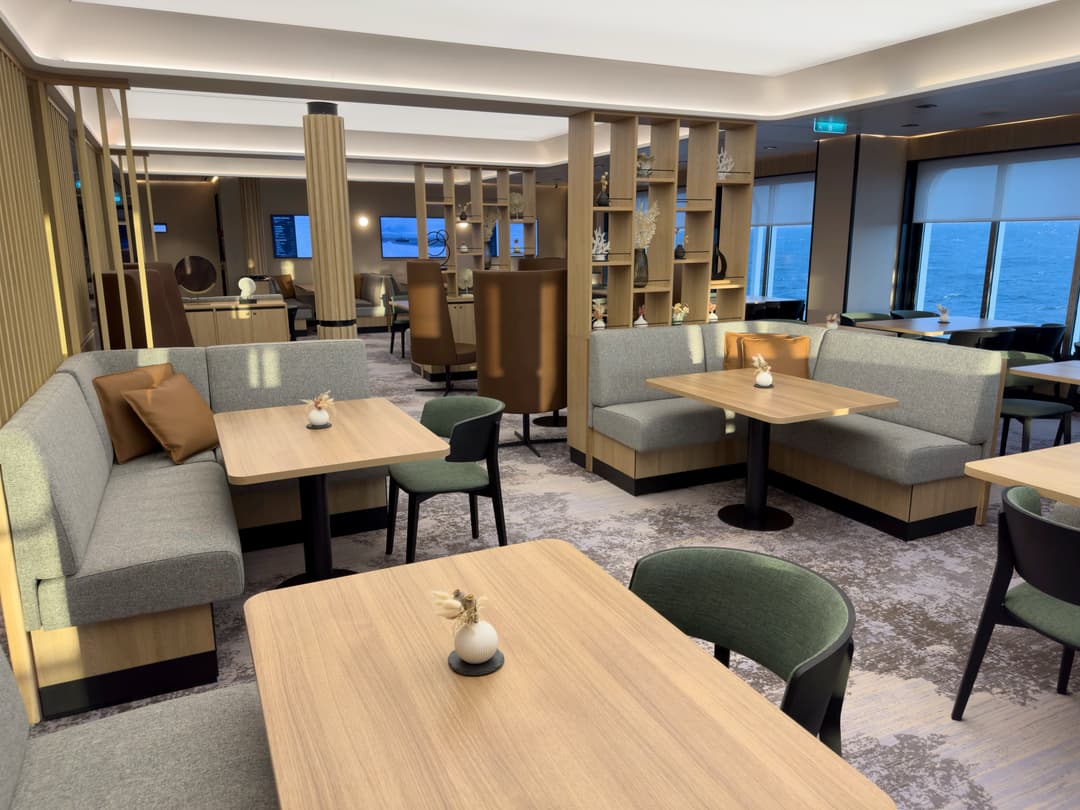
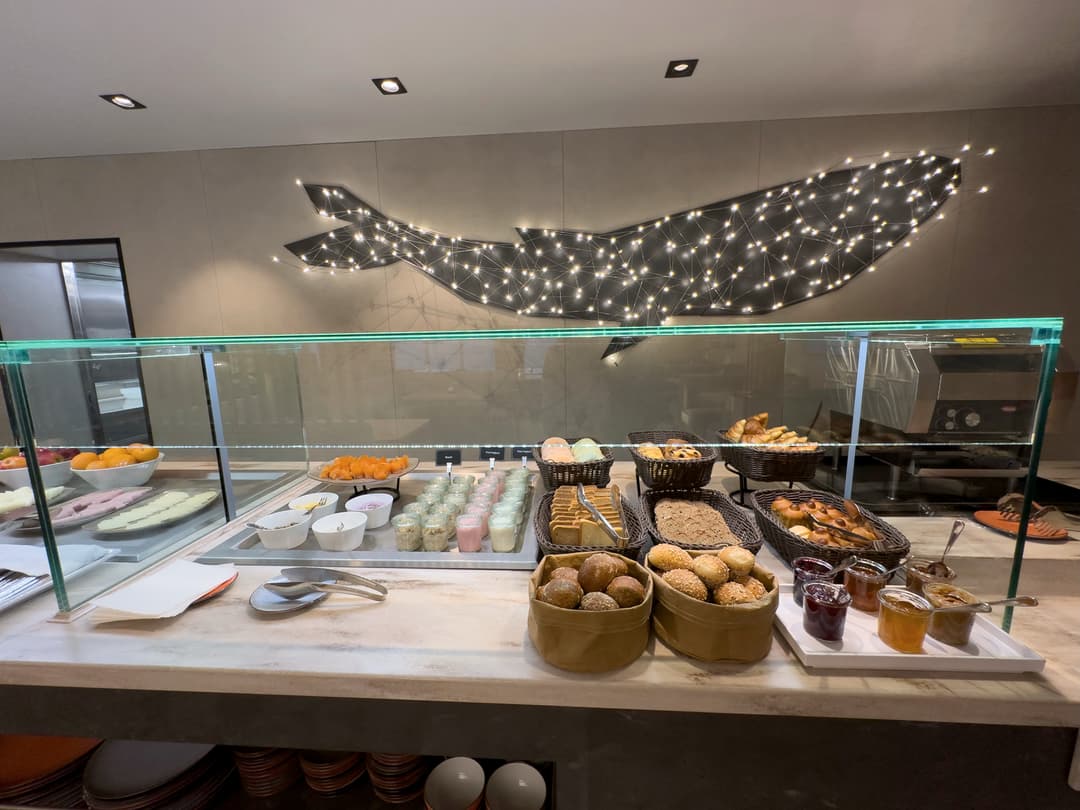
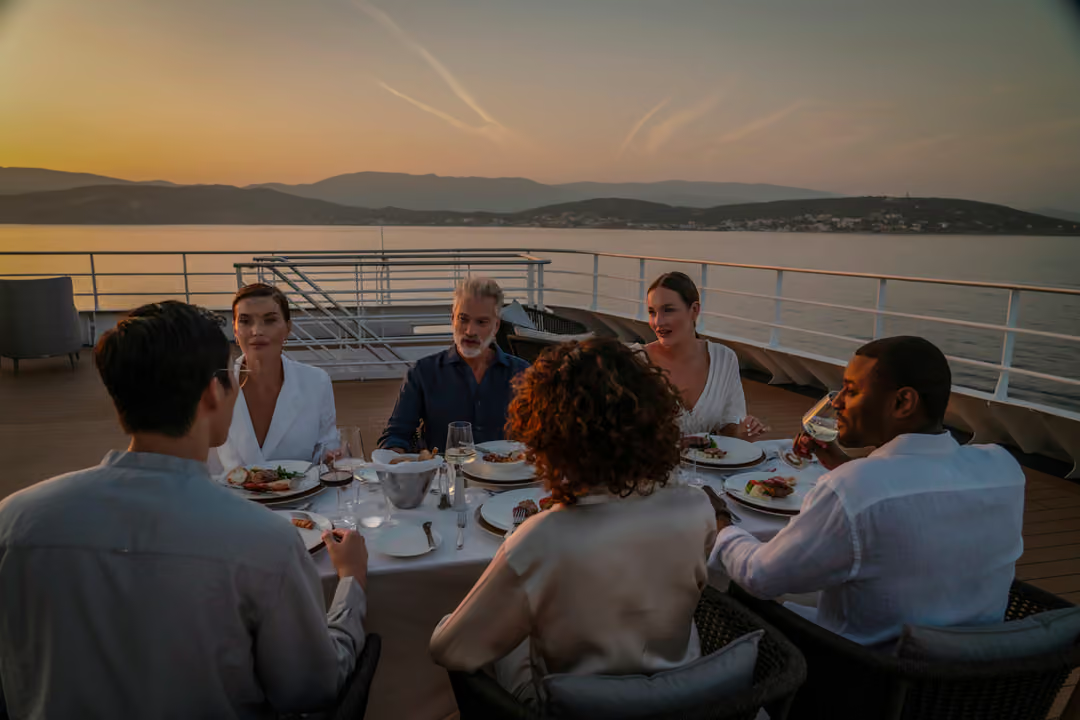
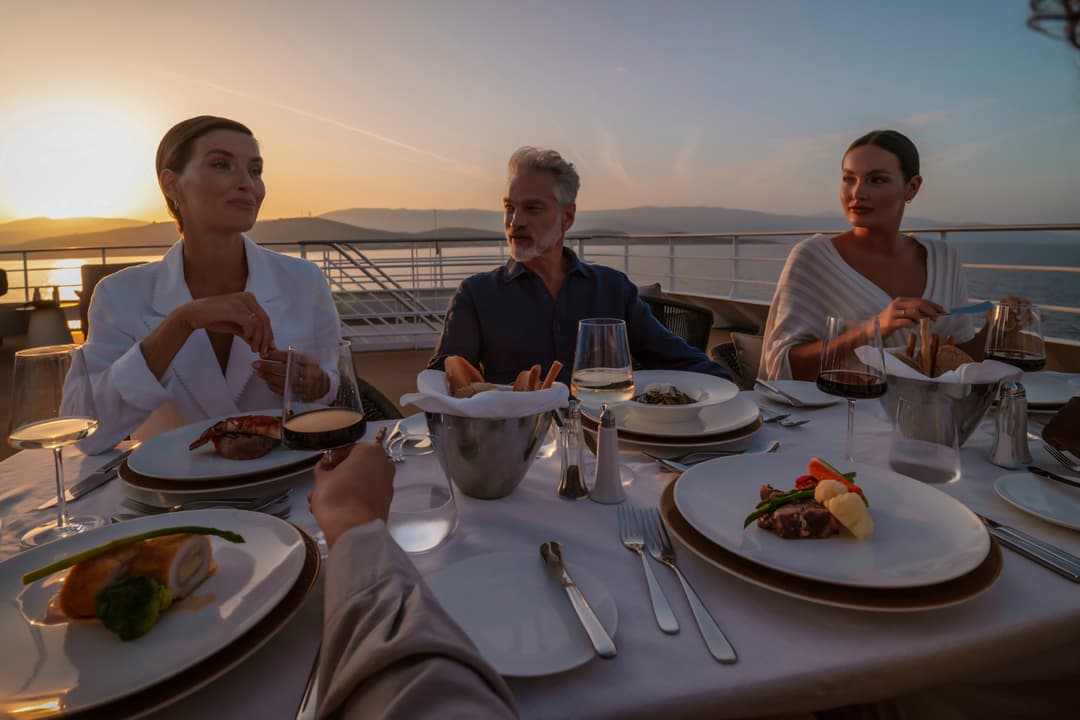
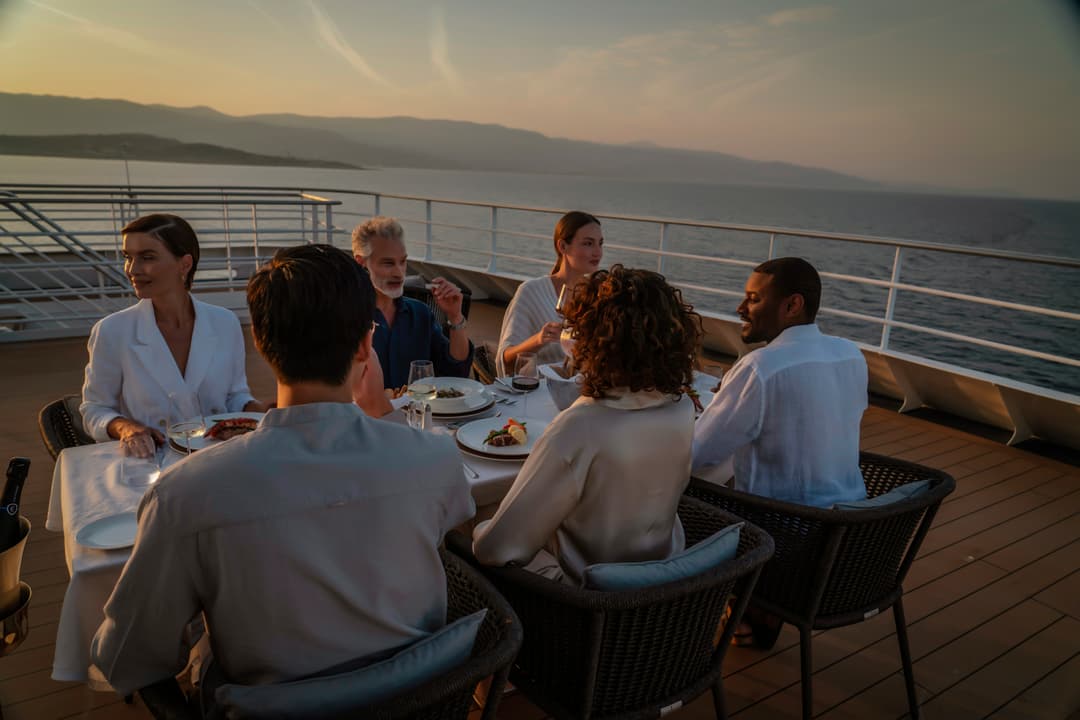

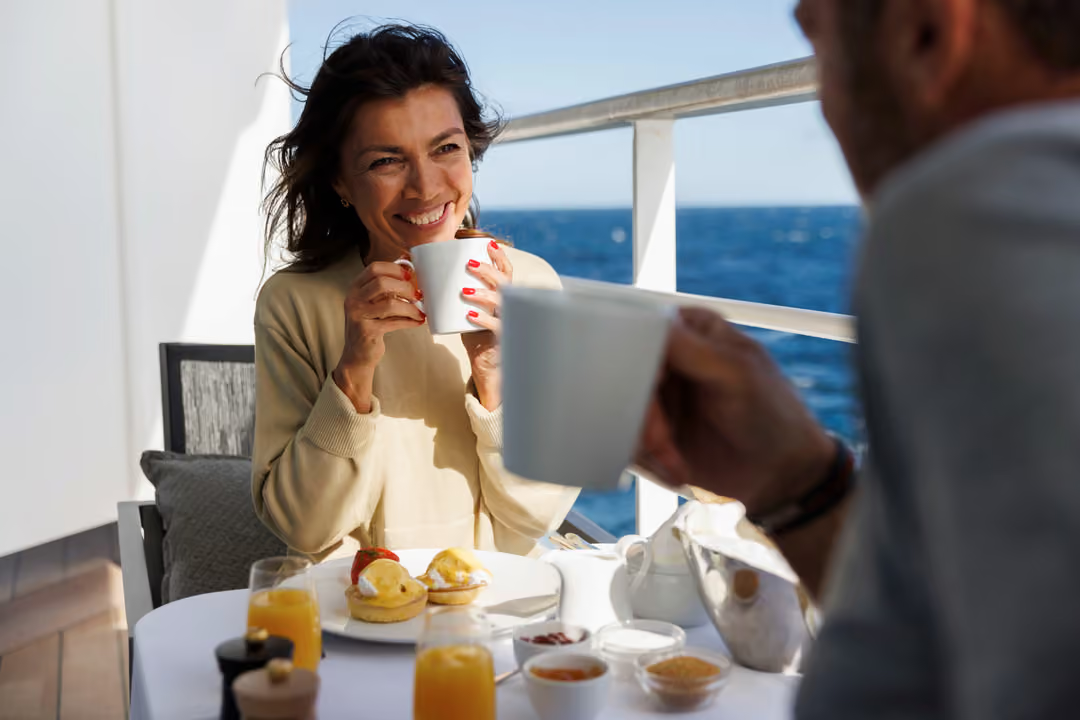
Swan Hellenic is all about genuine hospitality, and you’ll find your time on board will reflect that. We understand that your journey is all about your experience, which is why our friendly crew strive to give you the best service at all times.
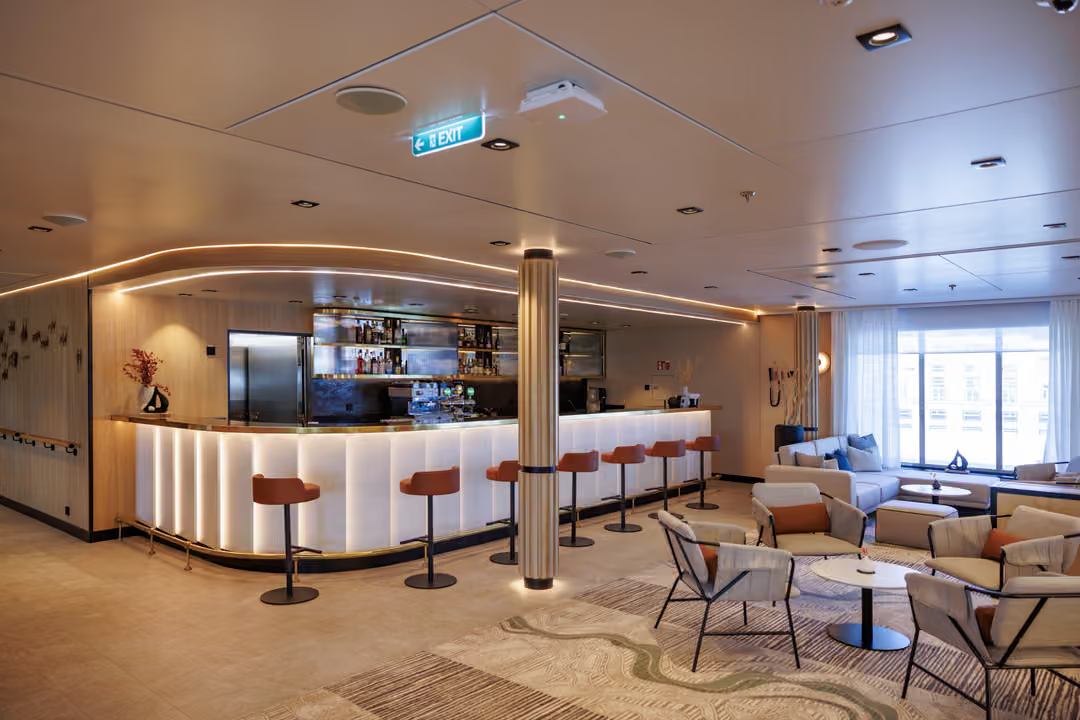
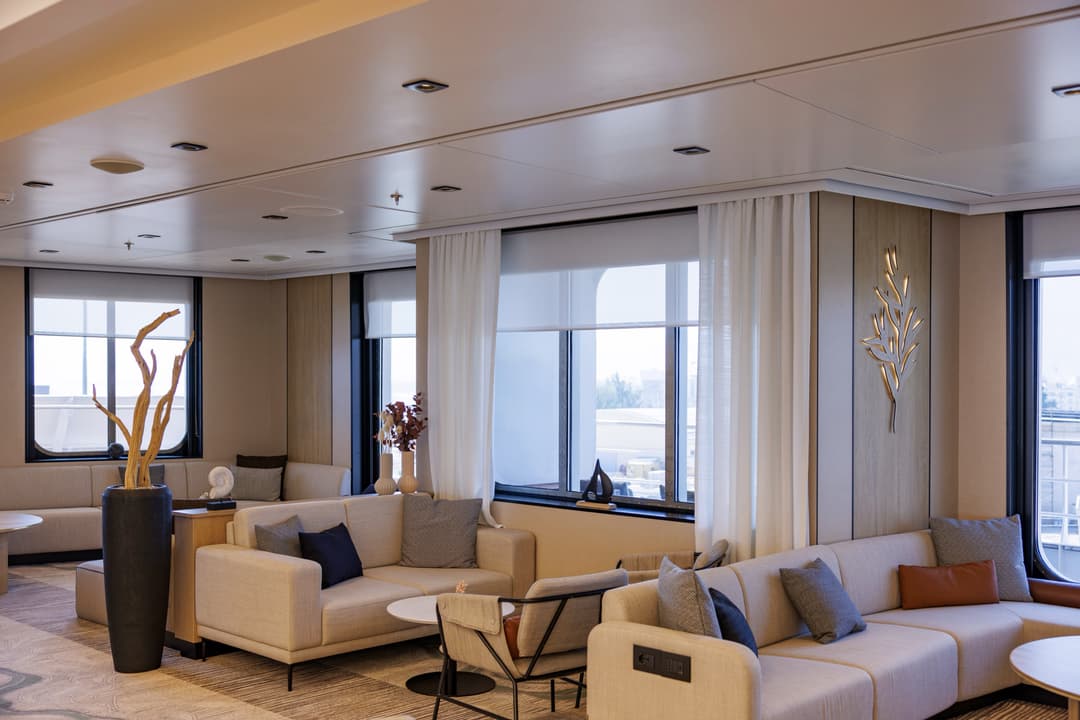
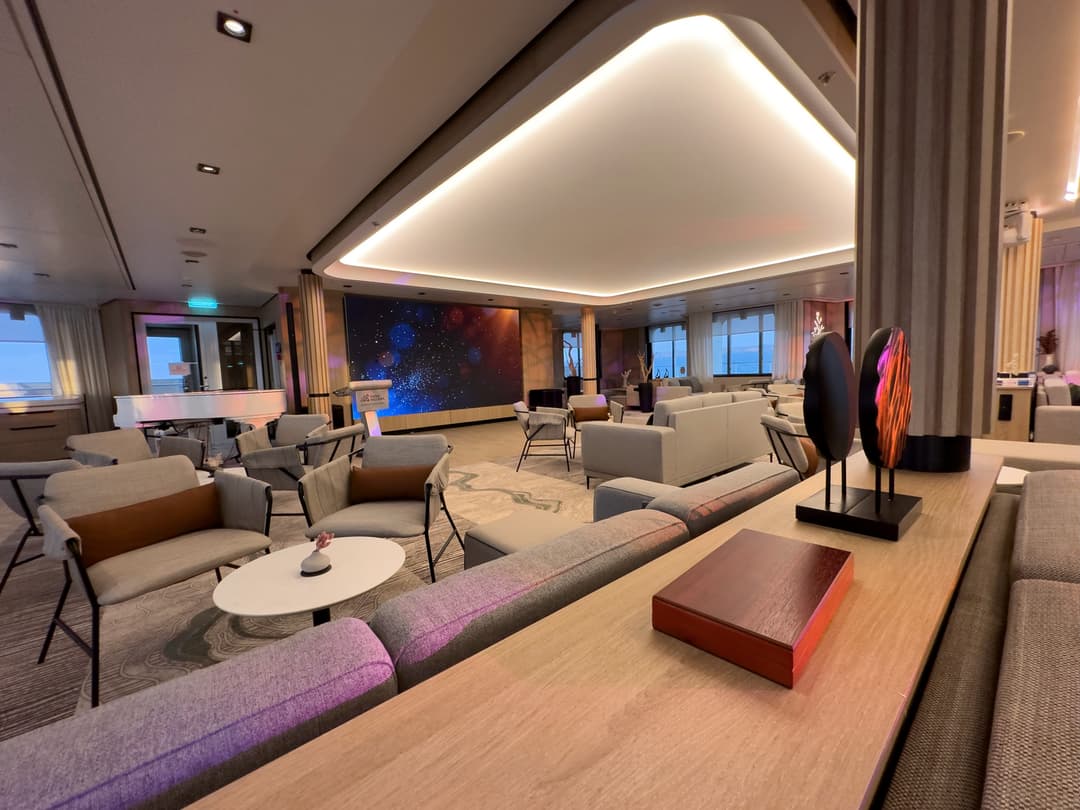

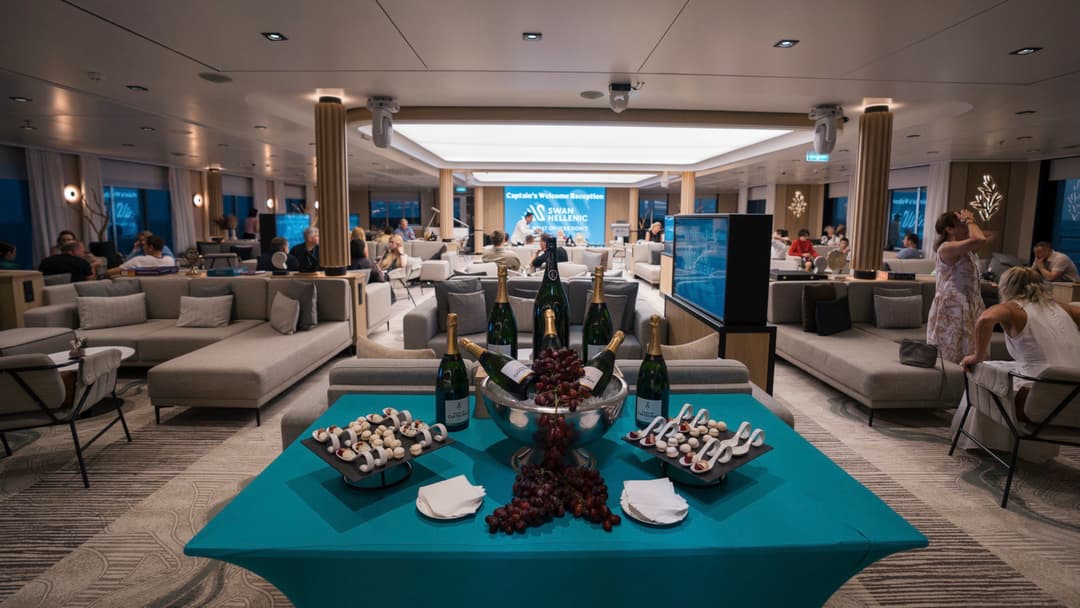


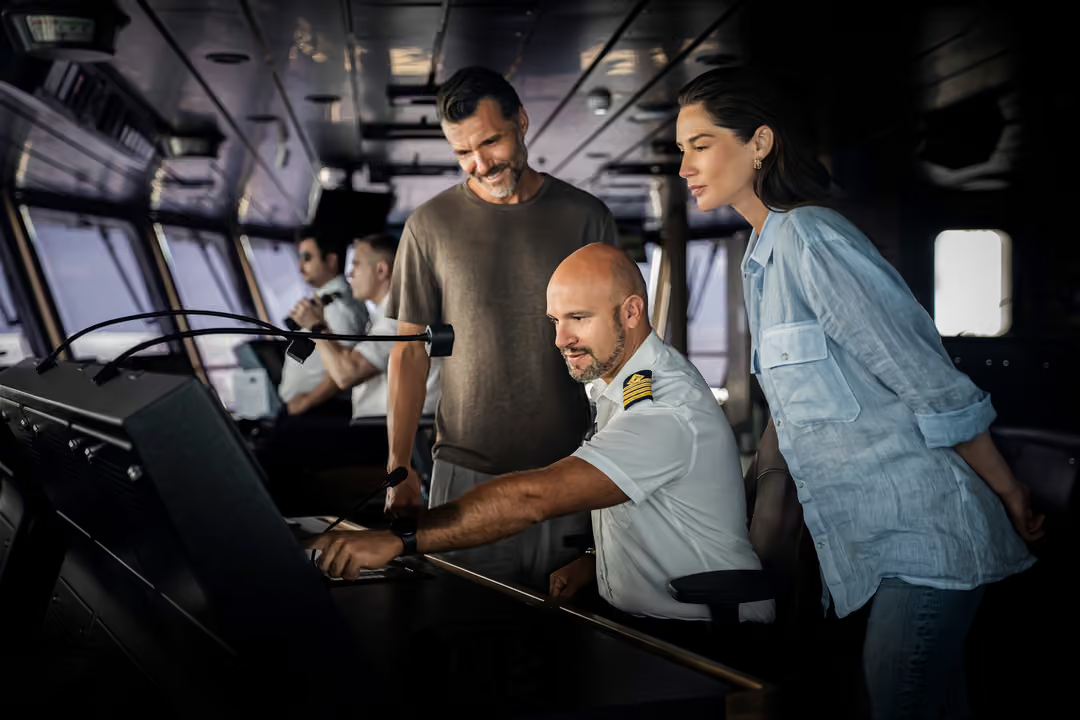
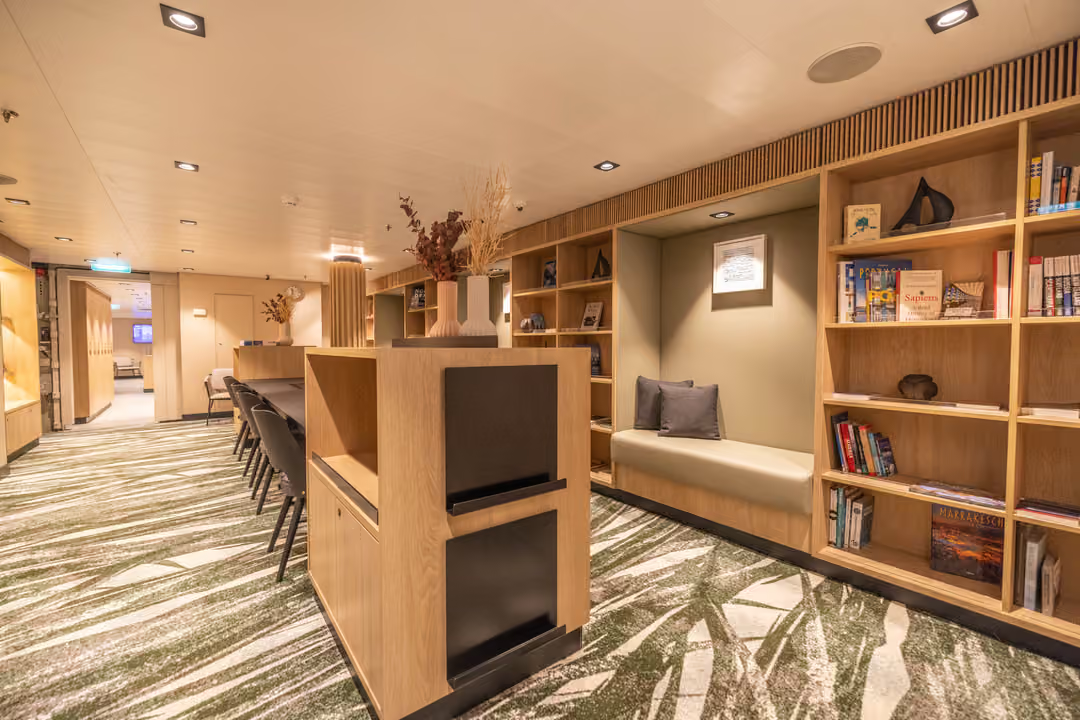
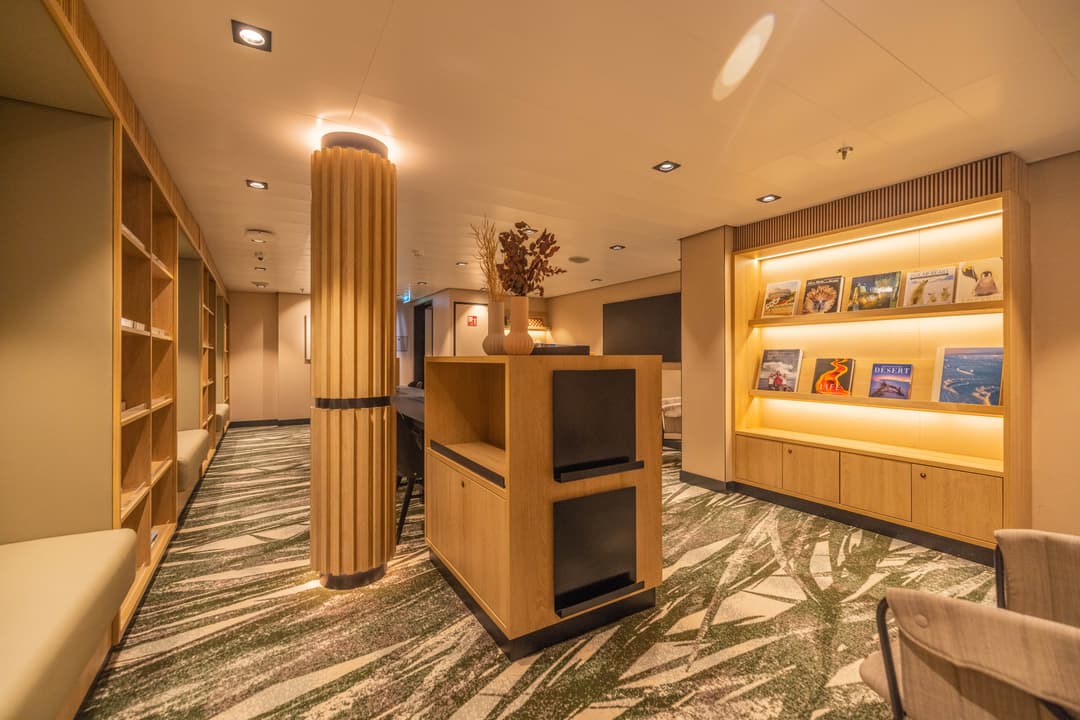
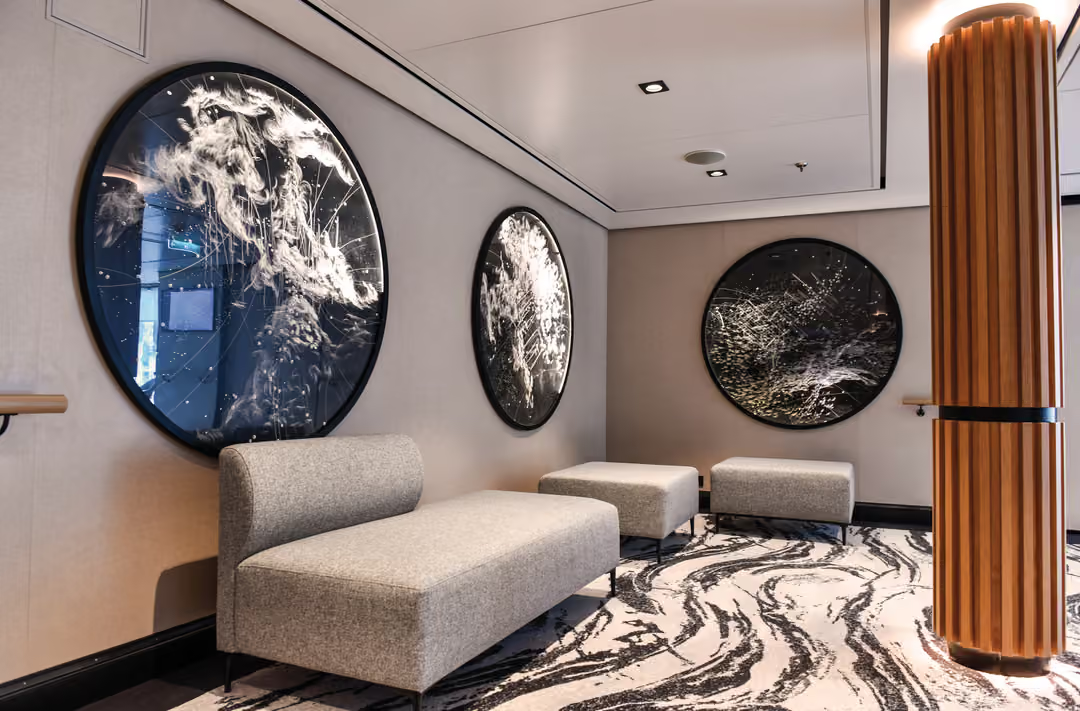
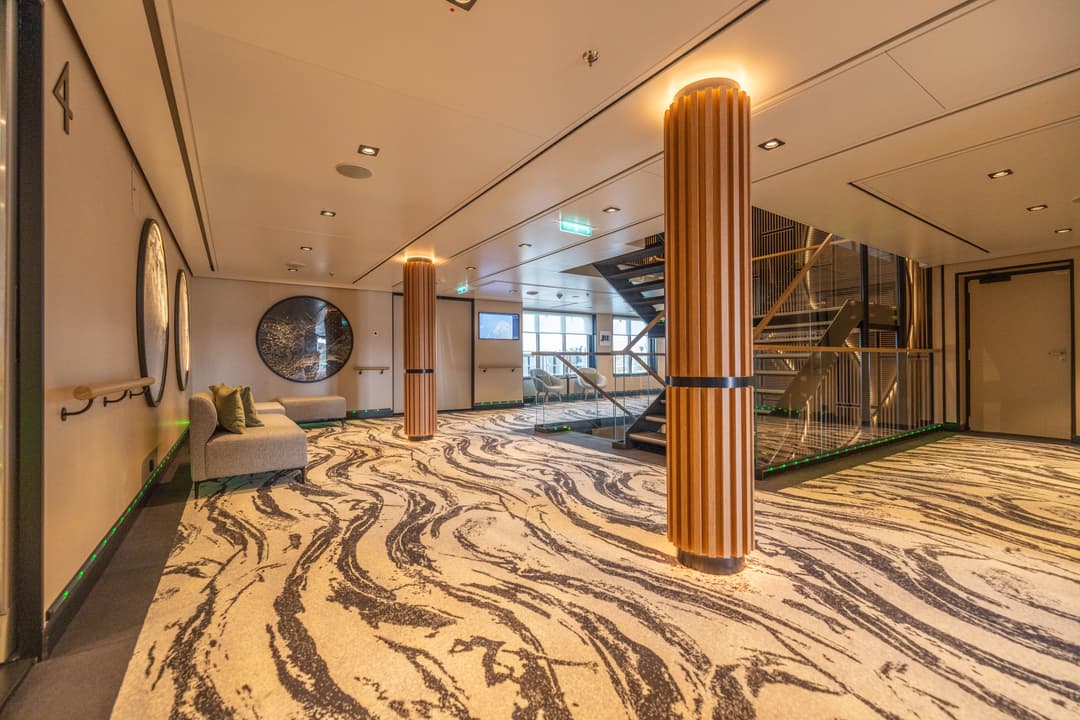
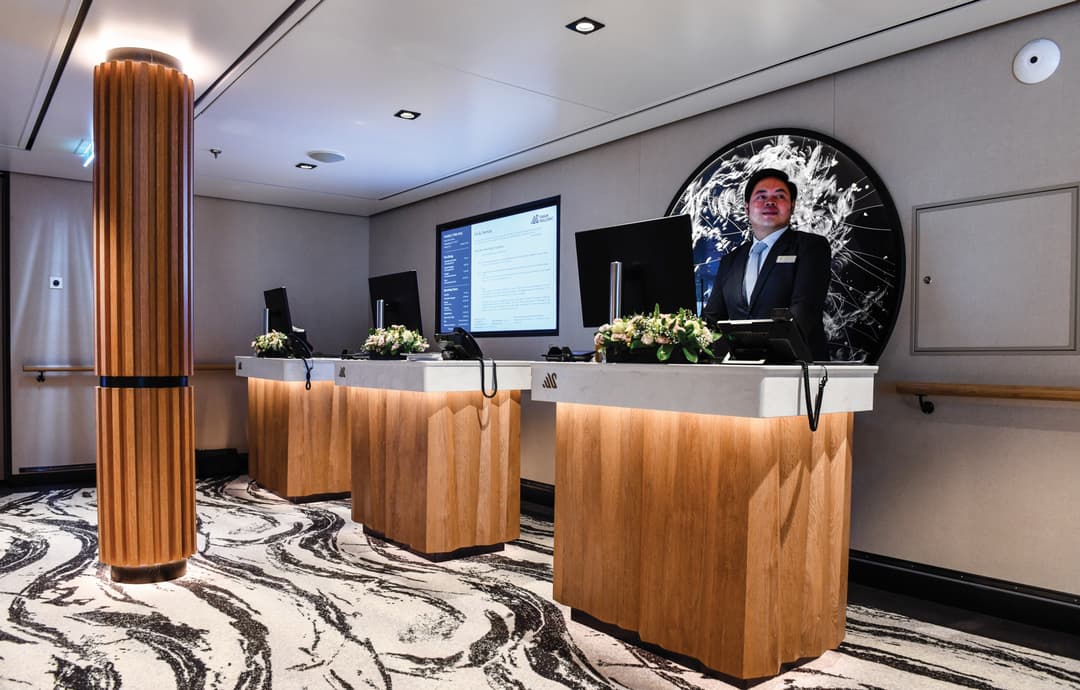

Take time to indulge and invigorate your senses…
Embracing new horizons
Inspired by the healing properties of the sea, our new approach to well-being has been designed to take you on the ulti....


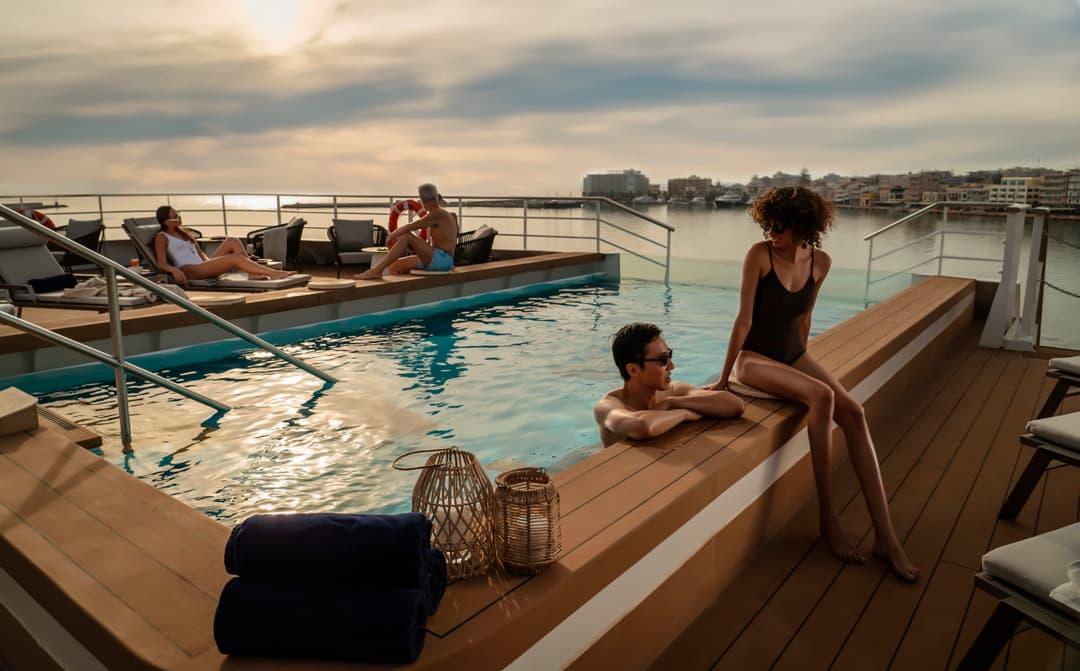


As well as taking you to unusual, off-the-beaten-track destinations, Swan Hellenic offers the company of like-minded people, and acclaimed experts, who give eye-opening lectures, and are on hand to chat throughout your voyage.
Our onboard experts are renowned in their fields and bring unparalleled knowledge to your adventures. Each moment with us is enriched by real insights into the peoples, cultures, wildlife, flora, geology and geography of each amazing place we visit. Wherever you choose to go, sailing with Swan Hellenic is a voyage of discovery, which is what makes us the first choice of adventurous minds worldwide.
Loading...
No stone is left unturned when it comes to researching our shore excursion programmes. All aspects of the itinerary are carefully planned in detail by a knowledgeable, well travelled team to ensure each aspect of the cruise is delivered to the highest possible standard.
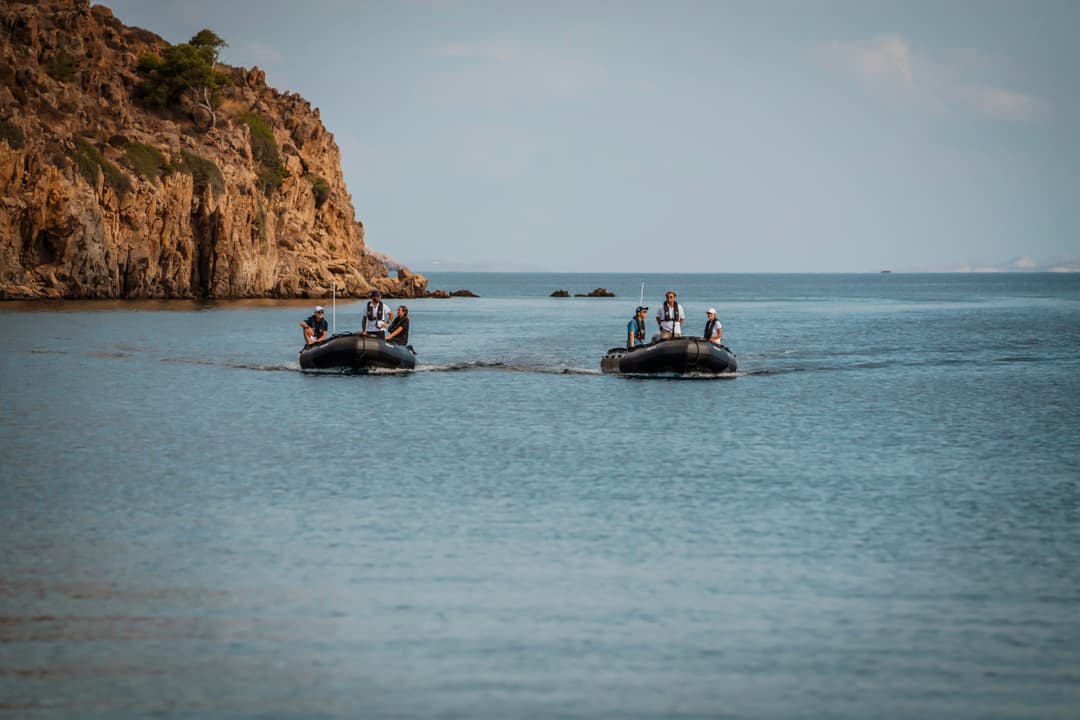
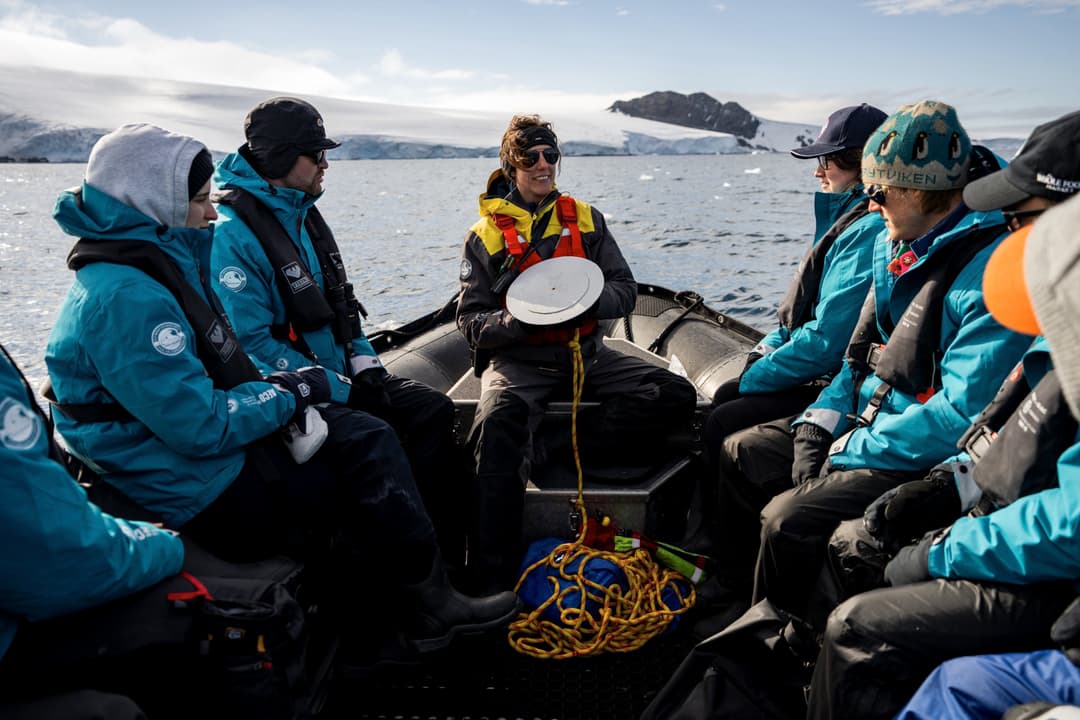
We’ve thought of all our guests, including the less mobile. Our 12-person hard-hulled zodiacs, the boats that take guests off the ship, have been designed for increased ....

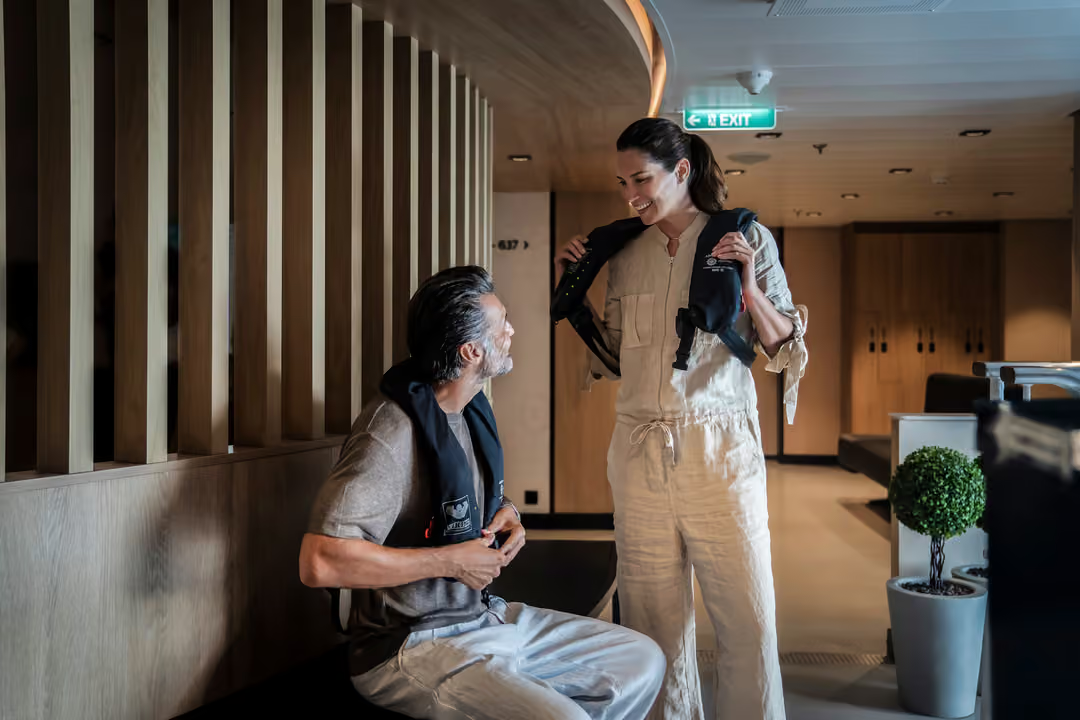


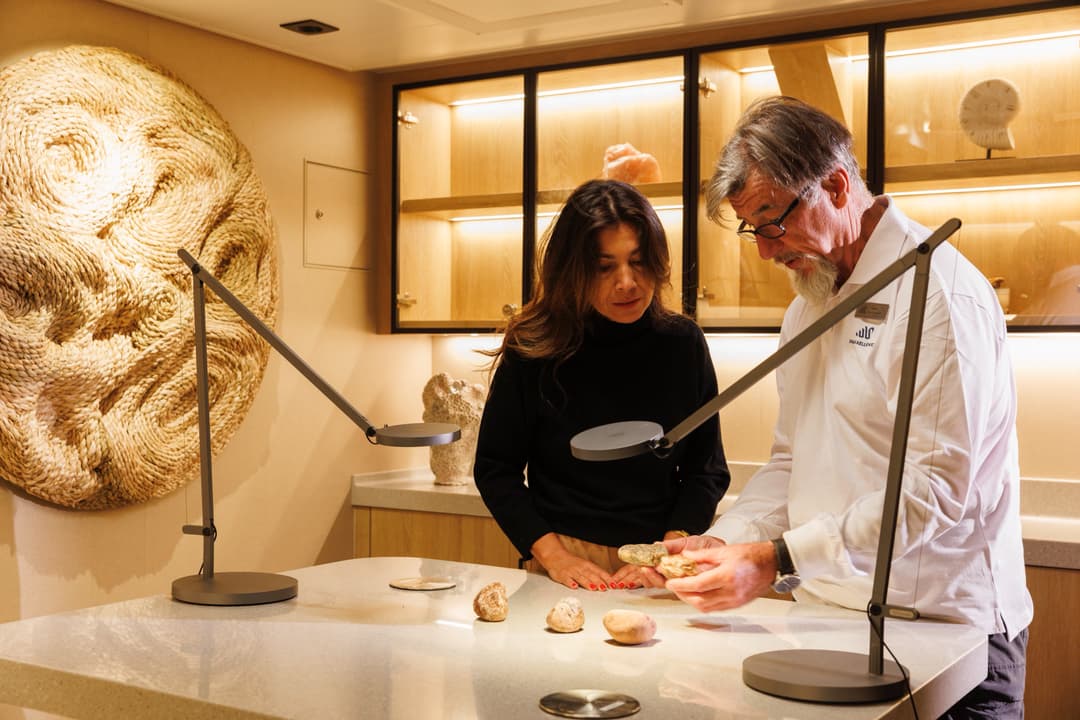
When you sail with Swan Hellenic, as well as visiting remote, unusual destinations, you’ll be traveling with friendly onboard experts. Renowned in their fields, these easy going specialists are on hand throughout your journey. From historians and naturalists, to meteorologists and ornithologists, our expedition team bring unparalleled knowledge to your adventures. Whether you chat with them at dinner, grab a morning coffee together, or catch o....
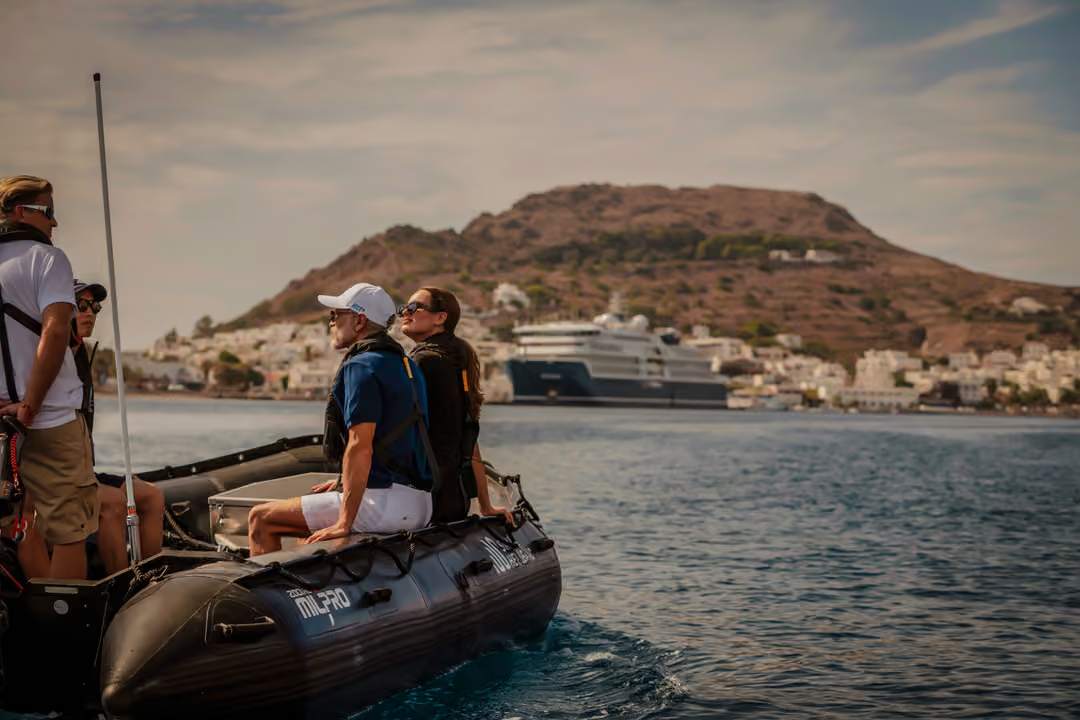
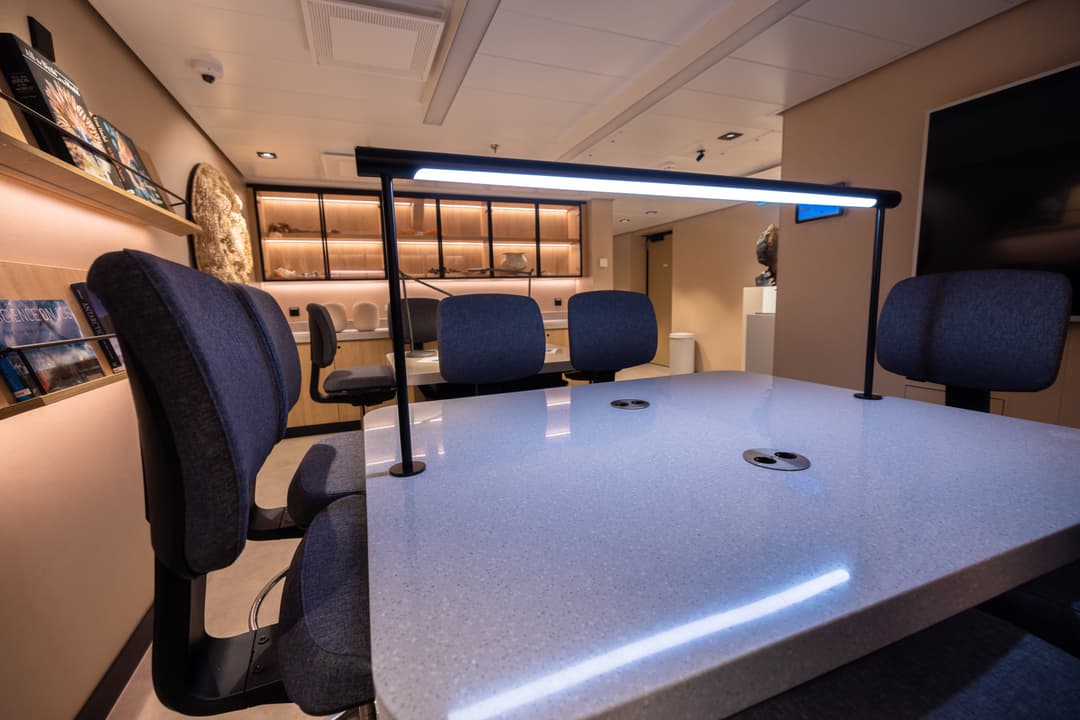
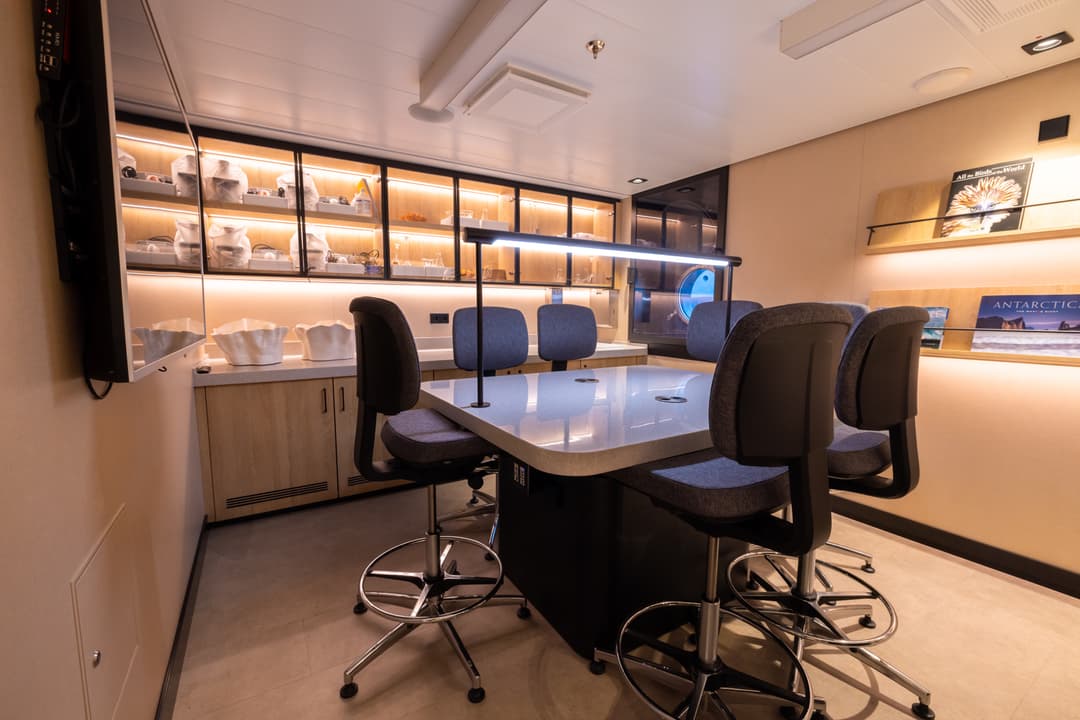
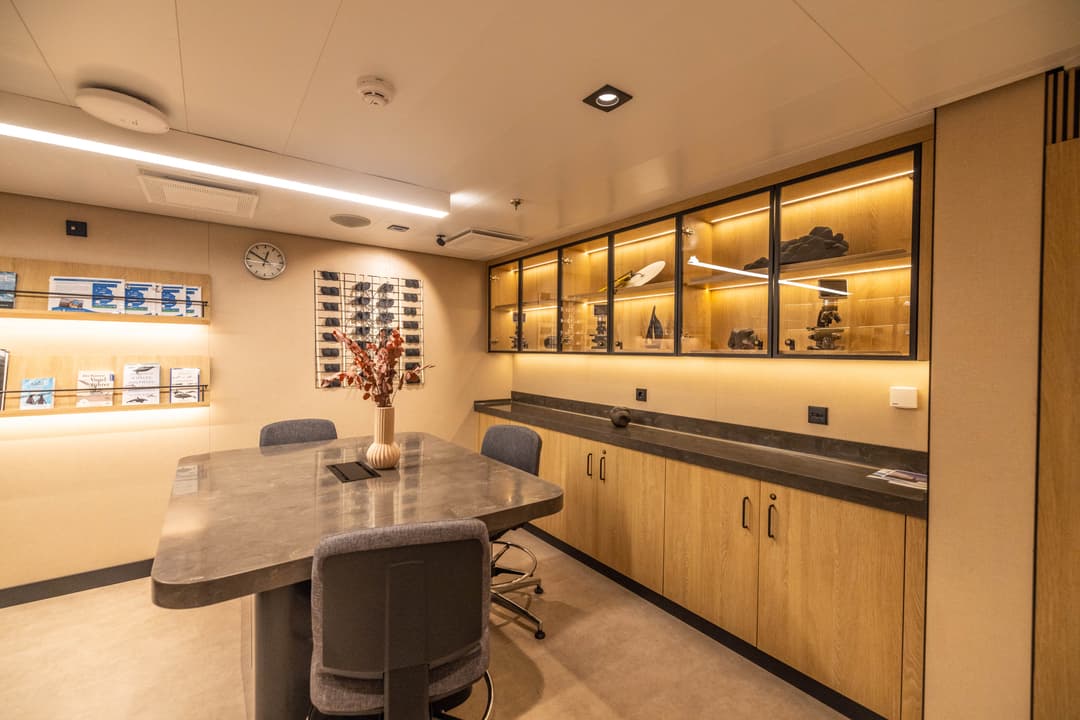
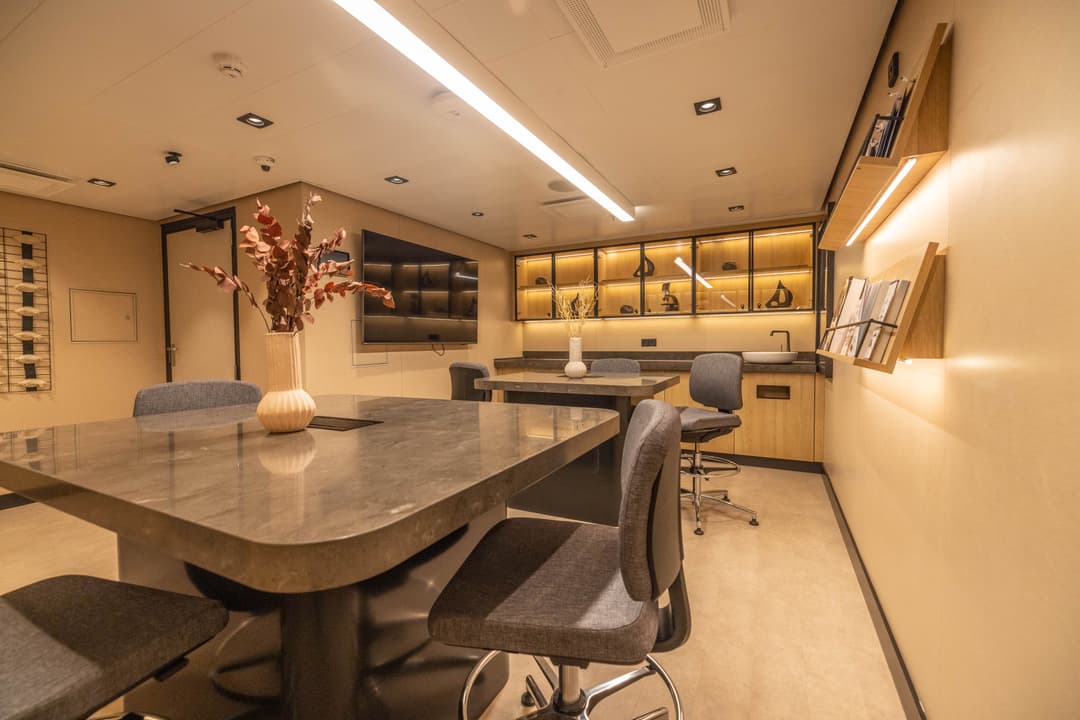
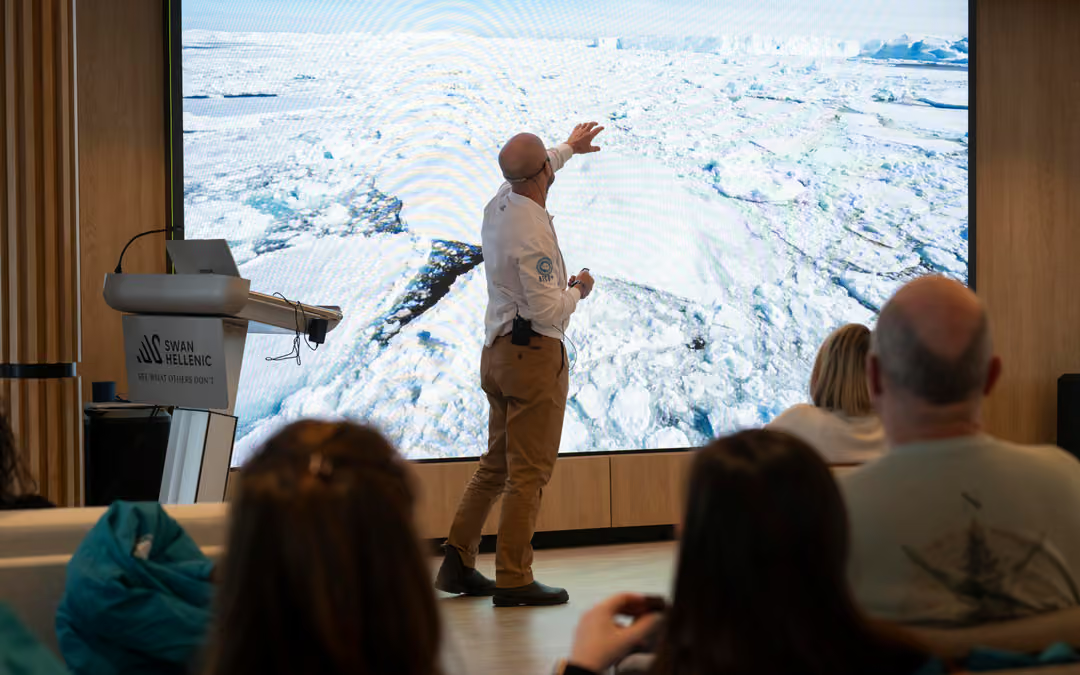
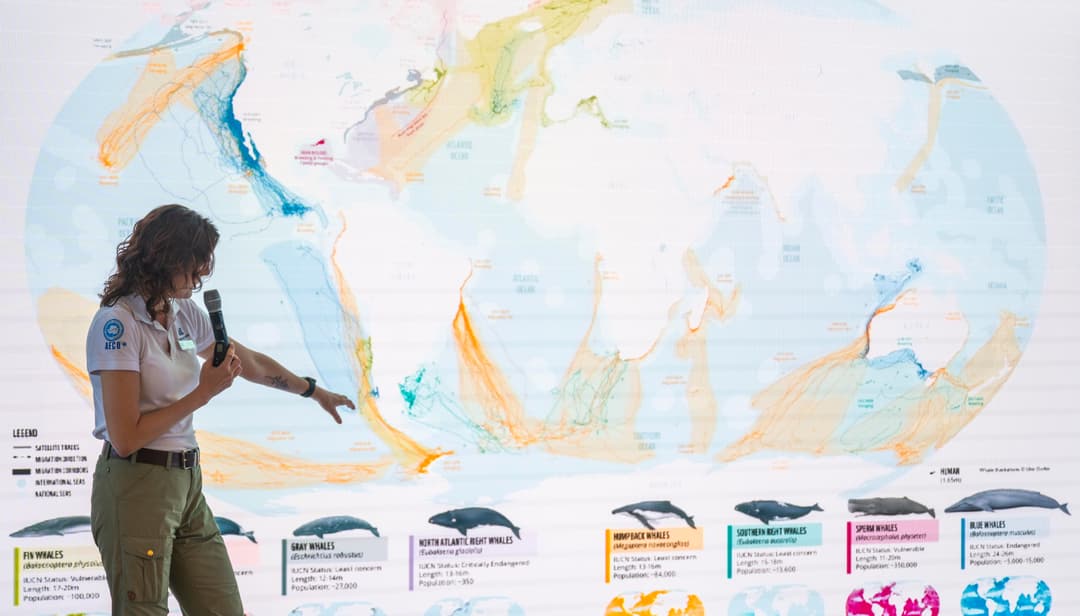
One thing we’ve discovered over the years is that our inquisitive, like-minded passengers share a thirst for knowledge. Sound familiar? Well, you’ll be pleased to hear we always select our lecturers and guest speakers with this in mind. We choose experienced people who give engaging and stimulating talks on a wide range of subjects that are relevant to the places we visit…
Our guest lecturers have a wealth of specialist knowledge, which....
Please note: there are no dedicated children's facilities on board.
Loading...
Our ships are equipped with the latest, cutting-edge satellite internet technology. Our secure and robust Wi-Fi is available complimentary for the convenience of all guests for messaging and visiting selected news websites. Details as follows:
SILVER CONNECT Complimentary
- Only text messaging to WhatsApp, Facebook Messenger, iMessage, WeChat as well as access to some news websites. No voice, emails, VPNs or streaming con....
On our ships, the primary “official” language spoken on board is English. Due to our international staff, many crew members speak Spanish, Portuguese, German, Italian, French, or Russian. Lectures are generally held in English language. Depending on the actual nationality split of each cruise, we provide technical support for online streamed translation for guests of other native languages. Please ask our Expedition team for support.
Ple....
Am I allowed to take certain prescriptive medication with me?
If you require and are carrying a particular medication, you will need proof ....
Our expedition cruises are mainly concerned with what happens outside the ship, so dress codes are very relaxed, and there are no formalities at mealtimes.
At breakfast and lunch, you’ll wear the clothes you'll be wearing outside (minus the outer gear). Once you’ve changed out of your expedition gear in the evening, you’ll probably want to put on something casual and comfortable. It’s always worth having an extra layer if you want to rus....
On board
The on-board currency is the USD. Onboard spending will be added to your final bill. It is worth taking a debit/credit card in case of any problems paying your bill. Remember to tell your bank before traveling to avoid having your card refused.
Antarctica
There is no official currency as Antarctica does not belong to one country. It is governed by the Antarctic Treaty System (ATS) signed by various nati....